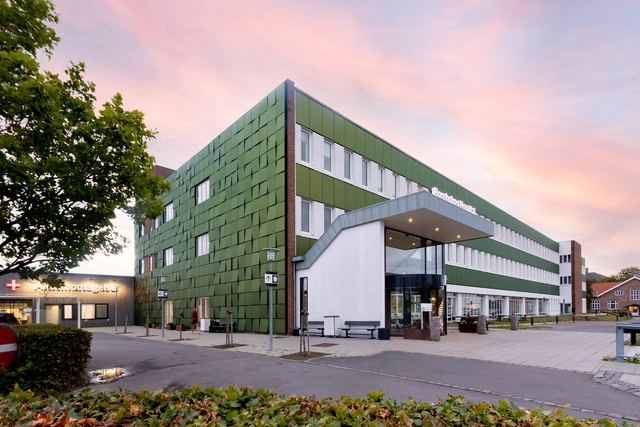
Solar Facades on Bornholm Hospital. Image Courtesy of SolarLab
Environmental degradation has shed light on the need for new sources of energy. A shift in energy sources calls for innovative means of storing energy. For centuries, buildings have proven able to store people, objects, and systems, inviting a conversation about their untapped potential to efficiently store large amounts of energy. In this new era, can buildings go beyond being structures of function to potential reservoirs of power?
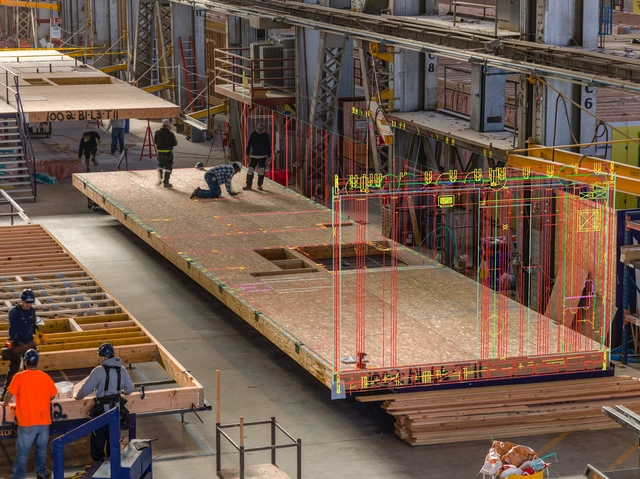
It's fascinating to observe the current state of wood in the world of architecture. The material, once seemingly forgotten by modernity, has resurged with full force, facing significant challenges but also revealing promising opportunities. The aesthetic and architectural appeal of engineered wood, coupled with its intrinsic association with sustainability, has been a catalyst for the increase in wood-centric projects around the world.
Due to technological advancements and research into the limits and possibilities of this material, there has been a significant leap in the development of wood in construction. Buildings around the world are being erected with wooden structures, driven by the increasing interest in sustainable solutions based on renewable resources, a demand from both the public and architects and their clients.
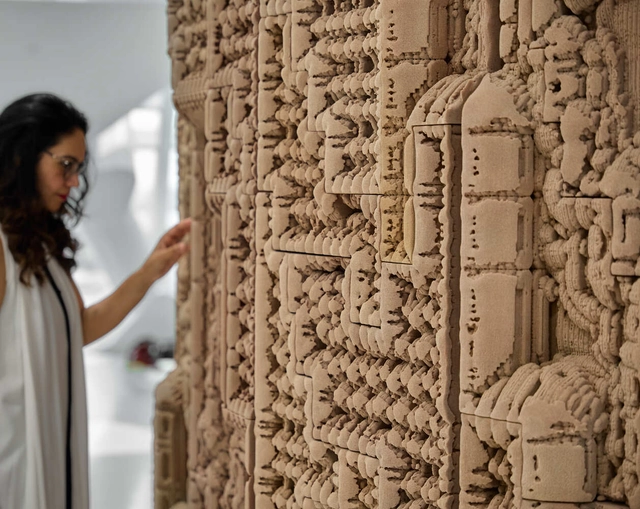
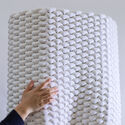
3D printing holds vast potential due to its ease of large-quantity manufacturing, its flexibility in terms of material exploration, and its ability to materialize all kinds of geometries. This year, architects and designers have looked at 3D printing technology to decarbonize construction materials, integrate contemporary aesthetics with traditional construction methods, and add a layer of craft and artistry to interiors and facades.
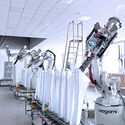
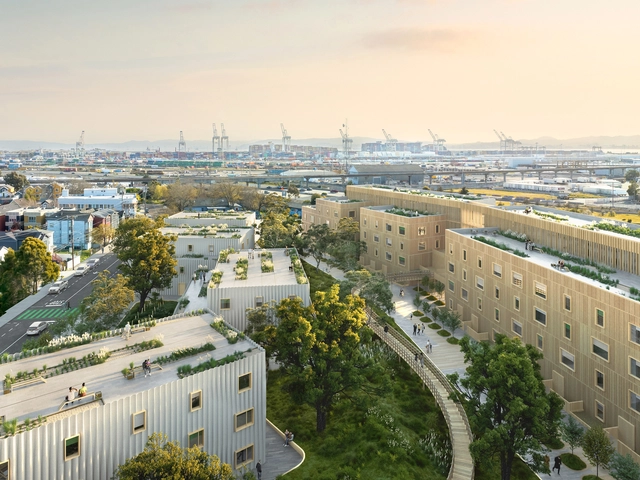
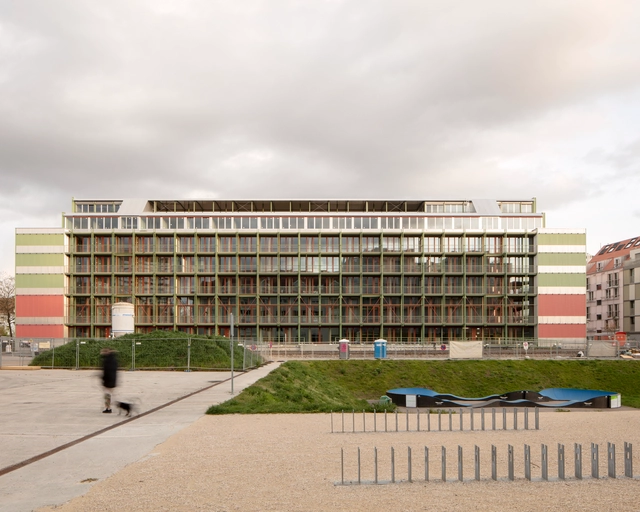
The global housing crisis generates a wide range of challenges, from those who are in situations of homelessness, to the realities of millions who face unaffordable housing conditions, overcrowding, and excessively high rents. Tackling this involves political will, the union of the state and private companies, and innovative solutions that prioritize accessibility, sustainability, and government mechanisms that enable a functioning system. Amongst all of these factors though, one thing is certain: we need to build massively in the future to improve the housing situation. The implementation of efficient construction methods, such as prefabrication and modular construction, can speed up the creation of affordable housing units, reducing construction costs and timeframes. Adopting green building practices, such as using recycled materials and designing energy-efficient structures, not only contributes to sustainability but minimizes long-term operating expenses for residents.
The ArchDaily projects library is managed by our curators who constantly seek to populate our stream with the most interesting global works, showcasing evolving focuses and criteria. While we usually share our reader’s top 100 favorites, this year, we also decided to initiate our editor’s picks on the ArchDaily Instagram account, where our curators highlight some projects that include interesting themes and unique traits.
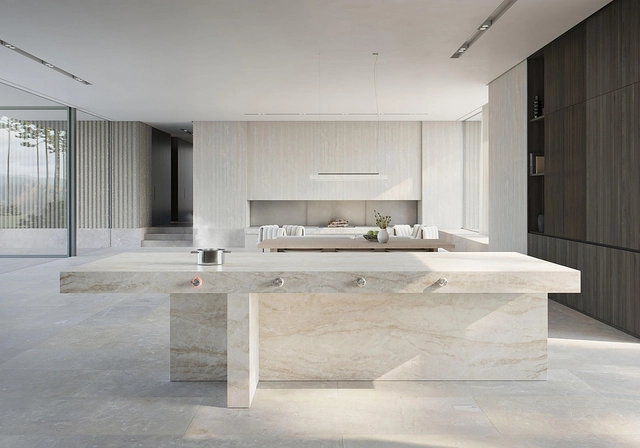
Essential Induction Cooktop. Image Courtesy of Gaggenau
Following evolving lifestyle trends and technological innovations, contemporary architecture often enhances the design of kitchens to fulfill multifaceted and dynamic roles. By incorporating smart and automated systems and creating flexible, adaptable spaces with minimalist and clean lines, kitchens embody the essence of contemporary life.
Based on technological advances, a clear design language and functionality, Gaggenau’s innovative home appliances evolve in harmony with changing lifestyles. Among their solutions, the Essential Induction cooktop seamlessly integrates into the kitchen’s worktop, providing flexibility and cutting-edge design for culinary enthusiasts.
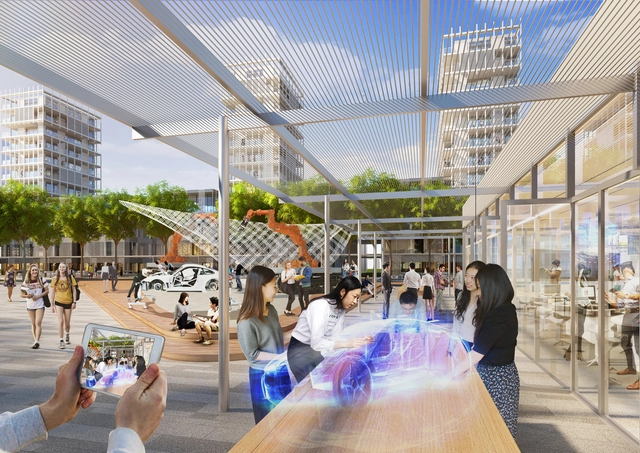
Ho Chi Minh City Innovation District / Sasaki. Image Courtesy of Sasaki
As technology and infrastructure rapidly evolve, a new buzzword finds itself in conversations across industries - innovation. The word is more relevant in light of future-facing challenges such as climate change, inequality, and economic crises. As a result of a surging interest in these concepts, innovation hubs have emerged across the world, aiming to foster creative and collaborative economies to spark quick change. What are innovation districts and how do they influence the built environment?
Videos
Phoenix Project. Image Cortesia de Autodesk
"In just one generation, we have gone from the pencil to AI.” This quote by Knut Ramstad from the Nordic Office of Architecture encapsulates the seismic changes we have witnessed in the development of architecture projects over the last few decades. By bringing forth increased efficiency and visualization possibilities, the express analysis and deeper understanding of project variables have become much easier. Architectures have become more complex, with more variables, numerous new demands and pressures, and with deadlines not getting any shorter. In this ever-evolving landscape of the architecture, engineering, and construction (AEC) industry, technological advancements have sparked a radical shift in professionals' approach to conceptualizing, planning, and executing projects, expanding a wide array of opportunities and highlighting the transformative power of data as an essential resource. This transformation could catalyze the industry's efficiency and sustainability, with a crucial focus on reducing its carbon footprint and minimizing waste generation.
Within the shifts in architectural movements and styles, furniture design has also evolved throughout the years, transitioning from elaborate curvy lines and opulent materials to simple and functional layouts, and back again, in constant movement. As it continues to evolve, contemporary furniture design is often influenced by technological advances, exploring digital fabrication and user-centered design, while also responding to sustainable strategies. These innovations have elevated custom furniture design, crafting unique pieces tailored to individual needs, preferences, and space specifications.
With the ability to adapt to each user, bespoke furniture design creates unique pieces crafted to meet individual needs, preferences, and space specifications. Delving into augmented reality (AR) and virtual reality (VR), Tylko creates customized, long-lasting, and sustainable solutions for sideboards, wall storage, bookcases, wardrobes and TV stands. Analyzing their tech-forward approach to creating endless possibilities of made-to-measure furniture, we showcase their design process experience, along with their intuitive online configurator and augmented reality app.
Brick beams have been widely used in construction due to their strength, durability, and aesthetic appeal. By embedding steel reinforcing bars into a series of bricks arranged in a specific pattern, these elements form horizontal load-bearing structures that distribute the weight and forces that act on a building. However, it is difficult to find brick beams with excessively large spans, in order to avoid long-term structural problems. Instead, they mostly come in the form of simple lintels, which can be easier to handle.
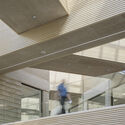
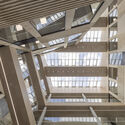
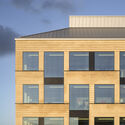
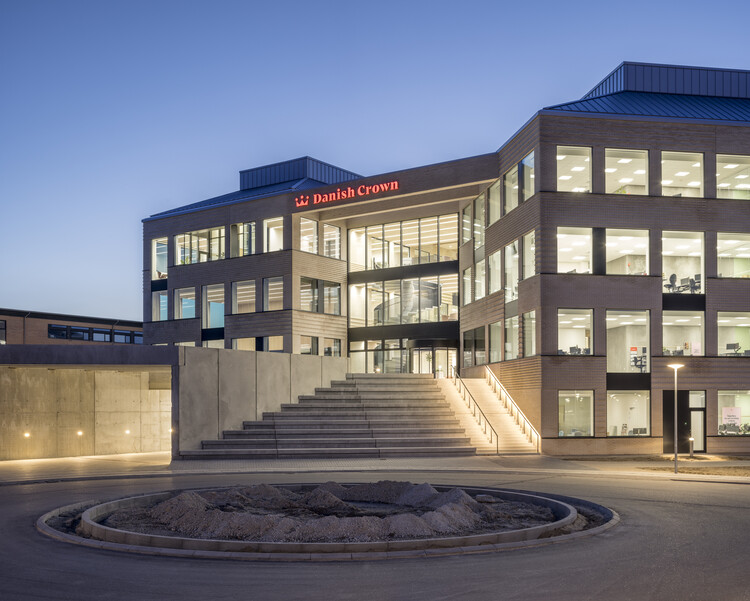
With a length of 16.2 meters and an impressive clear span of 15.8 meters, CEBRA architects have collaborated with the Randers Tegl group, the largest brick supplier in Scandinavia, to complete the construction of probably the longest brick beam to date. This exterior beam is accompanied by a 13-meter-span interior "sister" beam and is located above the main entrance to the Danish Crown's new headquarters in Randers, Denmark, extending freely between two of the building's wings. The longest beam is made up of almost 4,200 bricks – its height is made up of 25 rows of bricks, equivalent to 1.6 meters, and its edge consists of 4 bricks.
As part of the 6th edition of “Time Space Existence”, the European Cultural Center (ECC) presented the “Reconceptualizing Urban Housing” exhibition. Taking place from May 20 to November 26, 2023, it brings together a diverse array of women-led architecture practices from around the world, each offering a unique perspective on collective housing, particularly within urban settings. The showcased projects feature approaches from Europe, North America, and more developing countries like Uganda, Malaysia, and Mexico.
Innovation thrives when we pause to observe, question, and reimagine the world around us, turning challenges into opportunities for progress. Nature, in particular, serves as a rich source of inspiration. By observing it, studying its daily challenges, and contemplating its processes, we can discover valuable insights that inspire innovative solutions.
One of these current challenges is the production of concrete, an ancient and extremely popular material that is now accountable for a significant portion of global CO₂ emissions, due to the energy-intensive process of cement production and the chemical reactions involved. It is estimated to be responsible for approximately 8% of the world's annual CO₂ emissions, pumping 11 million tons of CO₂ into the atmosphere every day and consuming 9% of the world's annual industrial water usage. In addition, the world's building stock is expected to double by 2060—the equivalent of building an entire New York City every month for the next 36 years, which means an incredible increase in demand for cement and concrete. Faced with this daunting situation, is there anything we can do? In this article, we speak with Loren Burnett, CEO of Prometheus Materials, which has developed a material that mimics nature's processes to recreate concrete as we know it.
HSG Learning Center / Photo by Roland Halbe. Image Courtesy of Holcim
The need to reduce the construction industry's carbon footprint and its reliance on virgin natural resources is the most pressing issue facing the sector. It is therefore extremely important to foster innovation that can improve existing building materials and make them environmentally friendly, in order to successfully tackle its sizable carbon footprint and close the material loop.
Concrete, for example, has been used since the times of the ancient Romans and has proven to be a durable, strong, affordable and versatile building material. Today, it is the most widely used man-made resource in the world. However, its production methods raise environmental concerns: firstly, due to the high consumption of natural resources such as sand and gravel; and secondly —and more importantly— because of the CO₂ emissions associated with the production of its key ingredient: cement.
The Farmhouse / Studio Precht. Image Courtesy of Precht
Wood, an age-old building material, has left its mark on the history of architecture. Structures like townhouses and ancient cathedrals have seen usage and innovation with wood as a primary material. As technology evolves and urban landscapes grow skyward, wood has emerged as a strong contender to steel and concrete in the area of skyscraper design. Recent advances in engineering, materials science, and construction techniques have welcomed a new era of experimentation, enabling the construction of timber skyscrapers across the world. Timber skyscrapers signify a departure from traditional construction methods, seamlessly blending aesthetics, functionality, and ecological consciousness. Wood as a material, with its inherent strength and impressive fire resistance, presents hope to an industry in pursuit of a more sustainable future.
While it is undeniable that the surrounding environment is changing due to human activity, the effects can be difficult to perceive directly, as they are often illustrated with unrelatable pictures of far-away places or overused graphics and statistics. Danish office Tideland Studio aims to change this. Through their work, they aim to bring forth a new type of sensible understanding of the changes happening around us. They work across disciplines, melding research, art, and architecture while employing the newest survey and fabrication technologies to give presence to the abstract phenomena that shape our planet. Because of their practical approach to research and the new perspectives that they open toward extreme environments affected by climate change, ArchDaily has selected Tideland Studio as one of the 2023 New Practices. The annual survey highlights emerging offices that use innovation and forward-looking processes to rethink the ways in which we practice architecture.
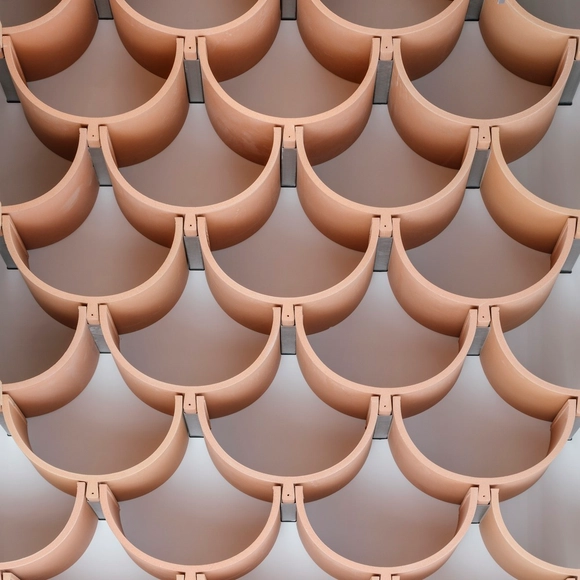
Kengo Kuma uses materials to connect with the local context and the users of his projects. The textures and elementary forms of constructive systems, materials, and products, are exhibited and used in favor of the architectural concept, giving value to the functions that will be carried out in each building.
From showcases made with ceramic tiles to the sifted light created by expanded metal panels, passing through an ethereal polyester coating, Kuma understands the material as an essential component that can make a difference in architecture from the design stages. Next, we present 21 projects where Kengo Kuma masterfully uses construction materials.
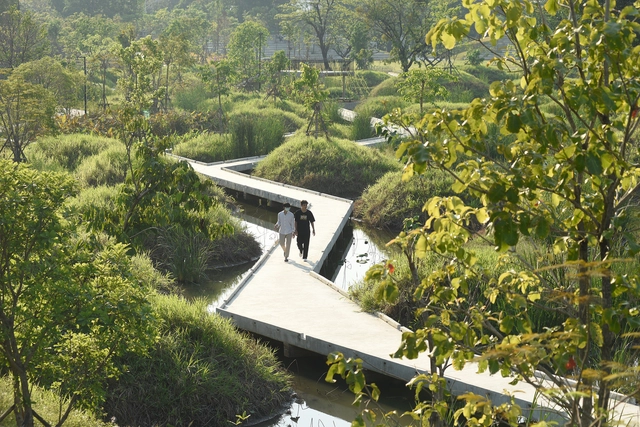
In an age where humanity's detrimental impact on the environment has become increasingly evident, the concept of rewilding is emerging as a powerful approach to conservation and ecological restoration. In line with growing attention on landscape architecture in recent years, the idea of removing human intervention from our natural surroundings in order to restore a stable equilibrium seems to offer a low-effort, ethereal way to right fundamental climate wrongs. But is a lack of meddling in nature really all there is to rewilding, and how does this relate to architecture and design? We look at key concepts, applications, and examples to find out.
















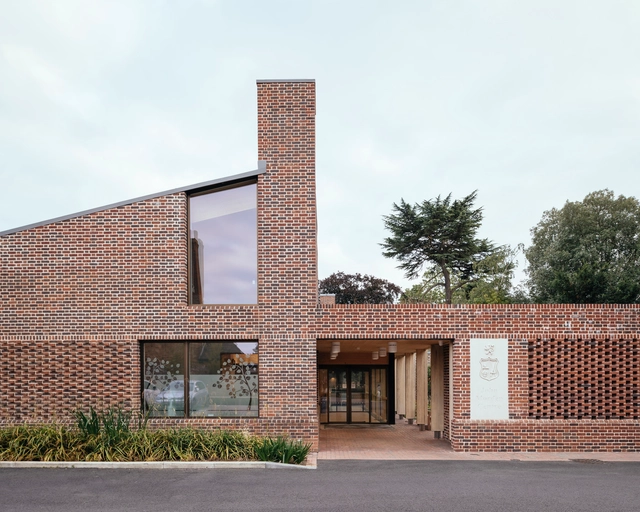








.jpg?1558730231 "Green Cast / Kengo Kuma & Associates. Image Courtesy of Kengo Kuma and Associates")