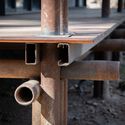
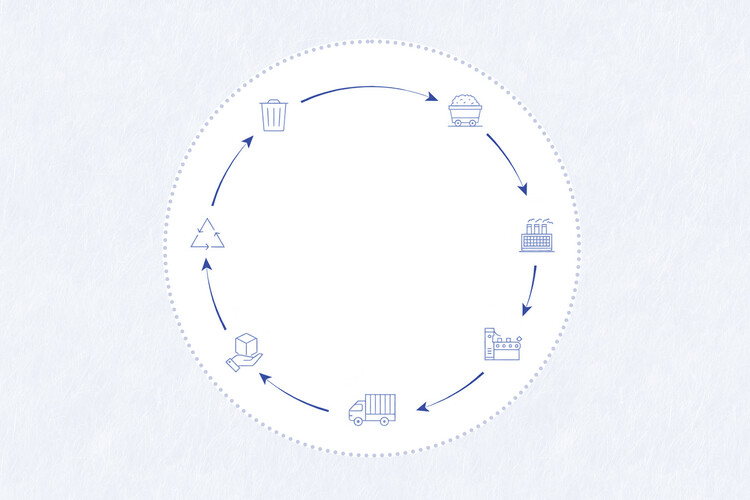
As a major driver of natural resource consumption, energy use, and greenhouse gas emissions, the construction industry has a significant impact on the environment, consuming 32% of global energy and contributing to 34% of global CO₂ emissions. Building materials play a crucial role in shaping the built environment. Through principles of circular economy, renewable and self-sufficient solutions, and technological innovations, analyzing the environmental performance of each material highlights the opportunity to review and assess the different stages of its life cycle.
By establishing a common framework for measuring and managing the environmental impact of building materials, Life Cycle Assessment (LCA) emerges as a key approach. This methodology provides a comprehensive evaluation of the environmental impacts associated with products, processes, or activities throughout their entire life cycle. From raw material extraction, manufacturing, and transportation to construction, use, and end-of-life treatment, the analysis considers the environmental burdens linked to each stage. In the context of building materials, LCA offers a holistic and systematic approach to assessing environmental performance and identifying opportunities for design optimization, among other improvements. In this way, it quantifies impacts such as carbon emissions, energy consumption, water use, air pollution, waste generation, and ecosystem depletion.
The twentieth century marked a definitive shift in the realm of architecture, as the Modernist movement broke from traditional building styles and encouraged experimentation and innovation. With the help of new materials and technologies, these times represent a crucial moment in the history of architecture as both cities and building styles evolved at an unprecedented rate. The structures that stand testament to this day are, however, nearing the age of a hundred years old. Their stark design features are not always embraced by the public, while the functionalist principles often hinder the adaptability of their interior spaces. Given that they also often occupy central positions within the city, there is increasing pressure to demolish these structures and redevelop the area in its entirety.
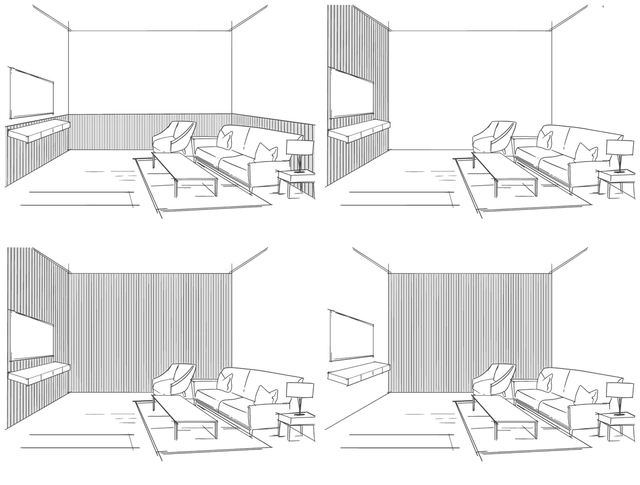
How we perceive space is a crucial aspect of architecture and interior design, profoundly influencing our interaction with the environment. Consequently, spatial perception is shaped by elements such as furniture arrangement, lighting, color choices, and materials. The latter is particularly significant, as the same material can be employed in various ways, resulting in atmospheres with unique characteristics.
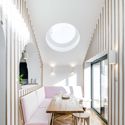
Fluted cladding is a good example of the potential for variations in material use. These are milled MDF surfaces with a linear pattern designed to decorate interior walls and ceilings. They can be applied to a variety of surfaces, though they should only be used in areas not exposed to humidity. The system is notable for its ability to accentuate space through different configurations. Depending on their arrangement and type of fluting, these configurations can modify the spatial experience by highlighting, directing, enveloping, and achieving visual balance in homes, offices, commercial spaces, and more.
https://www.archdaily.com/1019443/how-to-use-fluted-cladding-on-interior-wallsEnrique Tovar
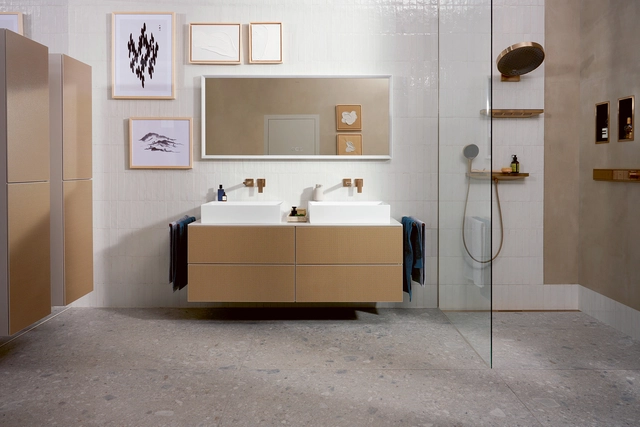
The term "holistic" refers to an approach that considers a system as a whole, rather than focusing on individual components. It emphasizes the interconnectedness of various elements and aims to create something balanced and harmonious that supports overall comfort. The approach is particularly valuable at a time when personal well-being and sustainability are at the forefront of design. This includes the integration of natural elements, such as light and water, to create calm, rejuvenating environments where balance and harmony ensure that all design elements work cohesively to form a unified space. Holistic bathroom spaces go beyond mere functionality by engaging the senses, promoting relaxation, and using resources responsibly, a comprehensive approach embraced by premium bathroom solutions brands like hansgrohe.
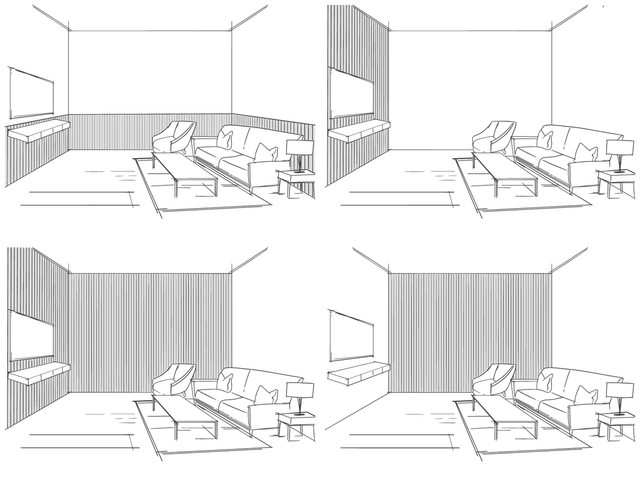
How we perceive space is a crucial aspect of architecture and interior design, profoundly influencing our interaction with the environment. Consequently, spatial perception is shaped by elements such as furniture arrangement, lighting, color usage, and selected materials. The latter is particularly significant, as the same material can be employed in various ways, resulting in atmospheres with distinct characteristics.
An example of the potential variations in material use is fluted cladding. These are milled MDF surfaces with a linear pattern designed to decorate interior walls and ceilings. They can be applied to a variety of surfaces, though they should only be used in areas not exposed to humidity. The system is notable for its ability to accentuate space through different configurations. Depending on their arrangement and type of ripple, these configurations can modify the spatial experience by highlighting, directing, enveloping, and achieving visual balance in homes, offices, commercial spaces, and more.
https://www.archdaily.com/1019419/how-to-use-fluted-cladding-on-interior-wallsEnrique Tovar
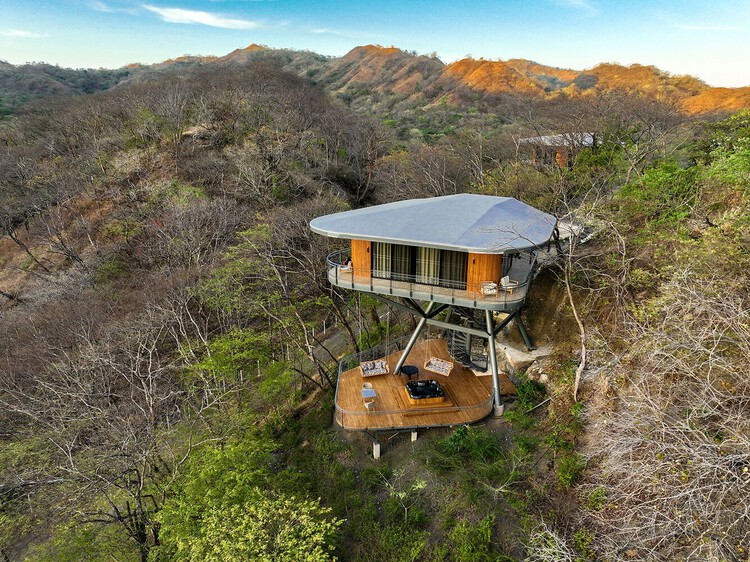
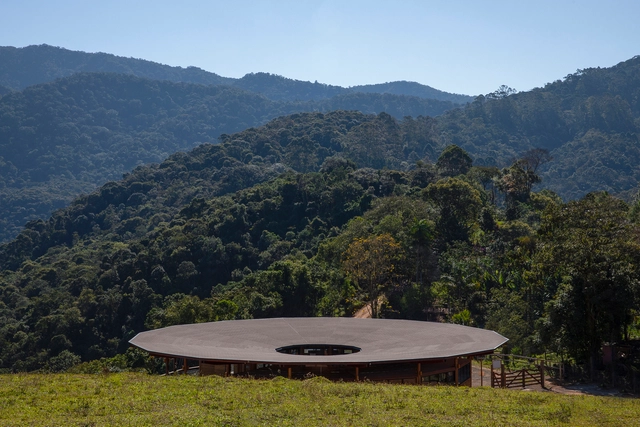
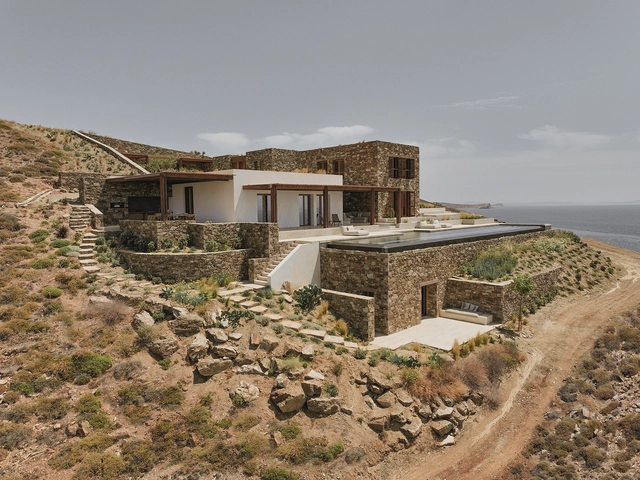
Anyone who lives in a big city may have dreamed of moving elsewhere and living isolated, in a house among the trees or on a deserted beach. During the pandemic and the endless months of quarantine, many more may have had this same idea. As romantic and seductive as this may seem, however, living deep in nature comes with some important practical challenges. Rarely would anyone give up the little comforts they are used to, like turning on a faucet or charging their cell phone. If the location is, in fact, remote, it may not have electricity, drinking water, gas, sewage, or solid waste collection. But there remain several possibilities for a life with comfort and without neighbors. What are the main solutions to enable this and how can an architectural project provide an off-the-grid life?
In June 2023, the planet experienced its hottest month on record. In Iran, the heat index reached a staggering 66.7 degrees Celsius, pushing the boundaries of human endurance. This alarming trend is not an anomaly. It is a stark reminder that temperatures will continue to rise as climate change intensifies.
Scientists are linking the rise to human-induced climate change and the El Niño phenomenon. Additionally, the natural warming of Pacific Ocean waters is being further intensified by global warming.
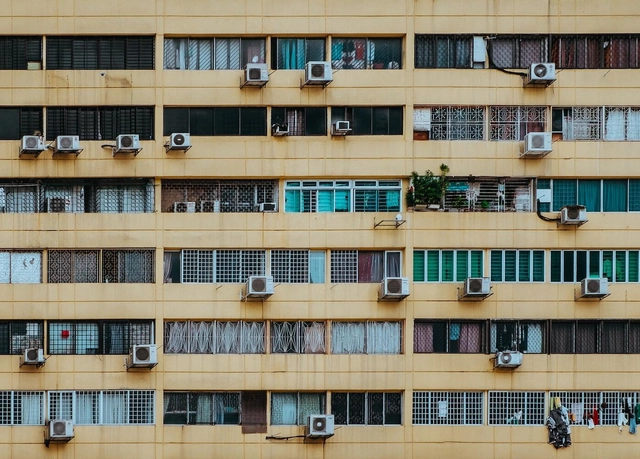
Between now and 2050, worldwide installation of cooling appliances, like air conditioning, is projected to triple, resulting in a twofold increase in energy consumption. This reliance on such devices, often seen as exacerbating global warming, poses a paradox: how can we fightrising temperatures in cities while simultaneously contributing to them through our dependence on these solutions?
Sloped terrain offers a tantalizing prospect for developers. With breathtaking views over either natural or urban landscapes, often without the realistic possibility of being overlooked by future development, a parcel of land on a slope provides a high reward. However, whether it’s the extra excavation involved to cut and fill or cantilever out on a flat surface, the complications of water drainage, or the loss of light and difficulty of access at the front of the property, building on sloped terrains is not without its difficulties.
But it’s not necessarily the angle of the site that’s most at fault, it’s the shape of the building. By splitting up a multi-story structure and repositioning – possibly even disconnecting – each level, projects designed to comply with the existing topography by applying multiple ground levels can reduce the amount of excavation required. The split floor plan can also help to improve access and natural light and increase both interior and exterior space.
Just as fashion designers use pins, needles and textiles to bring their creations to life, architects rely on materials to shape our built environment. From steel and glass to wood and concrete, these form the artistic palette that transforms blueprints into tangible structures, bridging the gap between imagination and reality. It's as simple, yet as complex as that. But with so many materials –and countless shapes, finishes, textures and colors– available in this day and age, making the correct choices for a particular project can be quite challenging. Several questions naturally arise: How do architects navigate the endless possibilities to handpick the elements that will breathe life into their designs? What does the material specification process entail? Where does one begin?
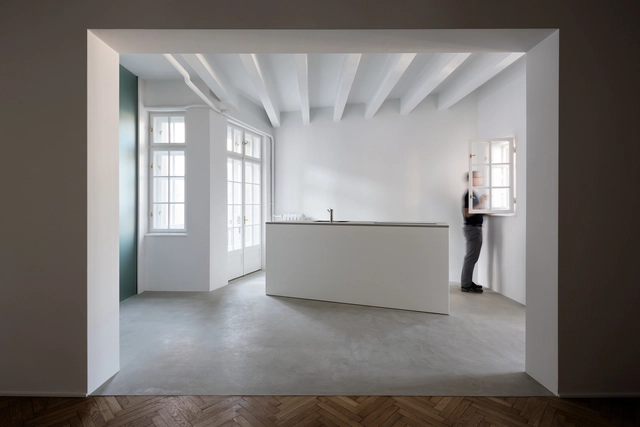
A correctly sized kitchen island is more than just a functional architectural element—it's a key component of kitchen design. Beyond its primary functions, a well-sized kitchen island can serve as a versatile space adaptable to various household needs by enhancing workflow efficiency, providing additional storage, fostering social interaction, and contributing to the overall space aesthetics.
Whether utilized as a breakfast bar for quick meals, a study area for children's homework, or a hub for entertaining guests, its flexibility enhances the functionality and livability of any kitchen environment. Determining the appropriate size for a kitchen island, however, demands a meticulous approach, blending spatial considerations, workflow requirements, and design sensibilities.
Public spaces, whether indoors or outdoors, public or private, are characterized as places for encounters, opportunities, and exchanges of ideas or goods, and ultimately, they are a key part of a city's identity. However, with the rise of the internet and social networks, many of these functions have migrated to the virtual environment or lost some of their relevance. In addition, we experienced a setback in in-person relationships during the long period of isolation that accompanied the pandemic. Faced with these challenges, architects are confronted with the fundamental question of how to revitalize these crucial spaces for society, while understanding their vital importance. Can design be the key to reviving public spaces? How can we make places that are both everyone's and no one's truly comfortable?
One of the most essential aspects of interior design is lighting – an element that can make or break an interior space of any size or material. Yet good lighting can be especially important for smaller or more crowded spaces, making them feel larger and more open even when their literal dimensions haven’t changed. In turn, larger spaces with poor lighting may feel smaller and less welcoming than they have the potential to be. To make interiors feel aptly large and well lit, designers can rely on several tried and true methods that make the most of a space, from using the right shades and types of lights to placing them in the best locations to integrating other elements that best complement existing lighting. These strategies, as well as several examples of their application, are listed below.
https://www.archdaily.com/947631/how-to-virtually-enlarge-spaces-using-good-lightingLilly Cao
Smart homes leverage technology to provide residents with increased convenience, savings, comfort, and security. With automated environments, household routines are streamlined. What once seemed like a distant future is now within reach as smart devices have become more accessible. They enable a new level of interaction between the home and its inhabitants through Wi-Fi and Bluetooth connections.
https://www.archdaily.com/1010597/how-to-create-a-smart-home-a-complete-guide-for-beginners-in-home-automationArchDaily Team
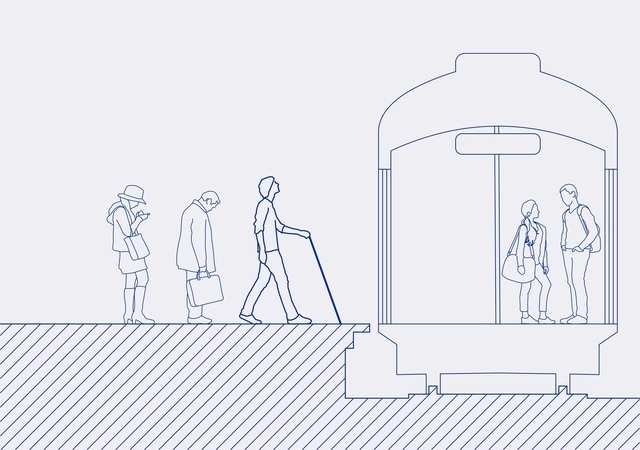
Theoretically, architecture is a multisensory discipline involving textures, colors, shadows, sounds, and aromas. However, in practice, using visual language is often prioritized to explore it, limiting mainly to sight for identifying architectural elements and navigating autonomously in built environments and urban contexts. Therefore, it is crucial to integrate tactile paving surfaces into architecture.
As true spatial orchestrators, architects’ expertise extends beyond the mere construction of buildings, often transcending the physical realm of design. They possess the unique ability to craft spaces that are not only visually appealing, but that also feel welcoming, harmonious, and, above all, functional. Embracing this vital role involves careful consideration of all the bits and pieces that make up a project; from a building’s foundations to a sofa, architects must ensure that all the elements, in every scale, tie together in a way that is cohesive and positively influences our everyday lives.