The Midnight Charetteis an explicit podcast about design, architecture, and the everyday. Hosted by architectural designers David Lee and Marina Bourderonnet, it features a variety of creative professionals in unscripted and long-format conversations that allow for thoughtful takes and more personal discussions. Honesty and humor are used to cover a wide array of subjects: some episodes provide useful tips for designers, while others are project reviews, interviews, or simply explorations of everyday life and design. The Midnight Charetteis available for free on iTunes, YouTube, Spotify, and all other podcast directories.
https://www.archdaily.com/919509/tips-and-tactics-for-beating-competition-when-applying-for-a-jobThe Second Studio Podcast
The Midnight Charetteis an explicit podcast about design, architecture, and the everyday. Hosted by architectural designers David Lee and Marina Bourderonnet, it features a variety of creative professionals in unscripted and long-format conversations that allow for thoughtful takes and more personal discussions. Honesty and humor are used to cover a wide array of subjects: some episodes provide useful tips for designers, while others are project reviews, interviews, or simply explorations of everyday life and design. The Midnight Charetteis available for free on iTunes, YouTube, Spotify, and all other podcast directories.
On this episode of The Midnight Charette podcast, hosts David Lee and Marina Bourderonnet discuss six career questions regarding office and employee reputation in Architecture from the Archinect forum thread, The Issue of Reputation in Architecture. If you have any questions or advice about portfolios or any other design-related topics, leave a voicemail at The Midnight Charette hotline: 213-222-6950.
https://www.archdaily.com/916636/how-to-get-hired-and-keep-up-a-reputation-in-architectureThe Second Studio Podcast
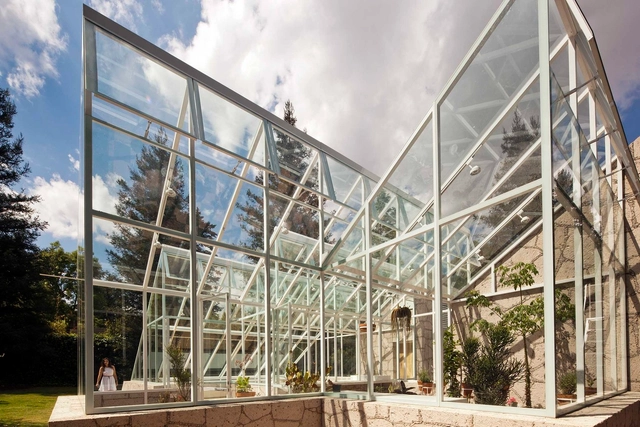
Although the sun is almost 150 million kilometers away, this star has had the most impact on our planet. But while some are busy chasing the sun for sun-kissed skin, architects are all about creating sun-kissed spaces.
By definition, “passive solar energy is the collection and distribution of energy obtained by the sun using natural means”. The simple concept and process of implementing passive solar energy systems have provided buildings with heat, lighting, mechanical power, and electricity in the most environmentally-conscious way possible.
In this article, we will provide you with a complete guide of implementing passive solar systems in your designs.
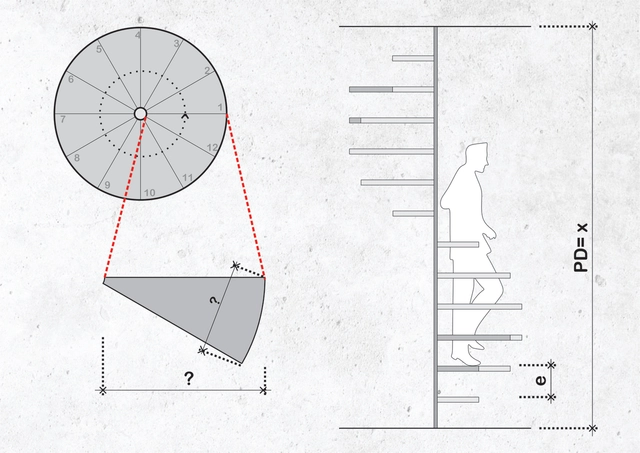
Spiral staircases save valuable square meters because they occupy a much smaller area than a conventional staircase. With daring shapes and diverse configurations, they can also be iconic objects in projects. However, the design of these staircases requires careful attention so that you can prevent an uncomfortable or dangerous outcome. Although BIM software simplifies this process, it's always important to understand the restrictions and the underlying concepts.
We already know that the ramp, aside from its different design possibilities, allows—without forgetting the notion of promenade architecturale—its users to overcome physical barriers in the urban and architectural context.
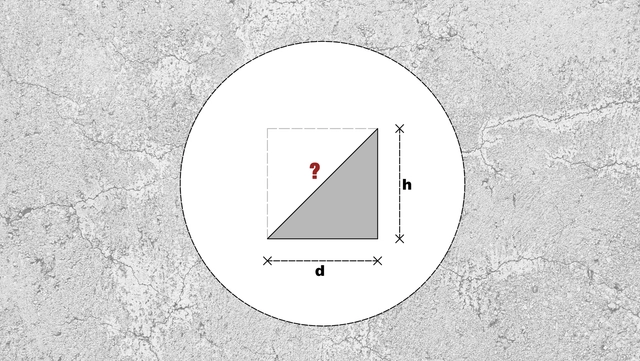
Although it basically consists of a continuous surface with a particular angle of slope, it is necessary to point out the many constructive specifications, which of course may vary due based on the standards of different governing bodies. The following clarifications are intended to assist and determine the appropriate dimensions for comfortable and efficient ramps for all, based on the concept of universal accessibility.
To what extent can the slope of a ramp be modified? How can we determine its width and the space needed for maneuvering? What considerations exist regarding the handrails? Here we review some calculations and design examples for different ramps, below.
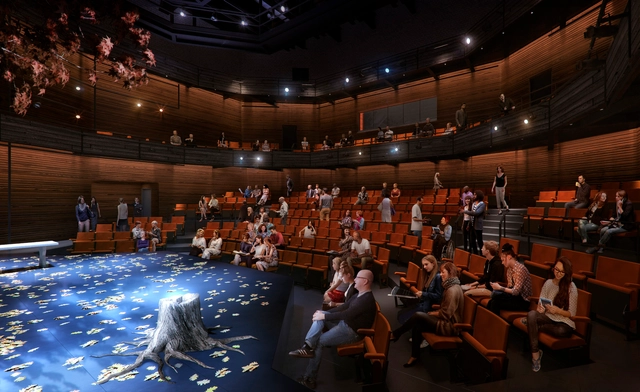
It’s no mystery why we put people in our designs. People are the quickest way to an emotional connection. With the right visual cues, you can evoke deep feelings, turning a simple image into a source of awe or aspiration. In architectural visualization, we try to shape those feelings, working off the perceptions most of us share. While we are all creatures of circumstance, using our experiential knowledge to guide us day-to-day, a lot of our conditioning is the same. Which is why it is so important to consider how you use people when you create visualizations of your designs.
Entourage are your visual guides, alerting the viewer to the story or feelings you want to convey. Sometimes that story is one of usage, an explanation of how someone interacts or moves about a space. Other times, it’s a bit more abstract. Whatever the direction, the art of entourage is really a study of composition, conditioning, and narrative. The more you know about each topic, the better your visualization will turn out—especially when you have a complicated brief.
In this piece, I’d like to show you how we approach entourage at Kilograph. Since our backgrounds are diverse—artists, architects, brand experts, and VR technicians—we are constantly having discussions about how to make people stand out, from a psychological and aesthetic perspective. Here’s what we’ve found.
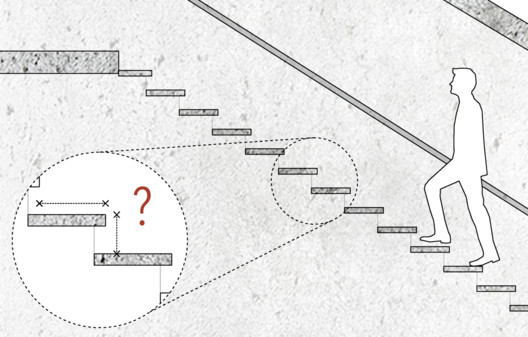
This question can be basic and you may know the answer, but it's always good to remember some elementary calculations that help us to streamline the design process.
As we know, a staircase consists basically of a series of steps, which in turn consist of a tread (the horizontal part, where the foot will rest) and a riser (the vertical part). Although it can vary in its design, each step must also have one or more landings, handrails, and a small nosing. The latter protrudes from the tread over the lower step, allowing to increase its size without adding centimeters to the overall dimensions of the staircase.
Check the effective formula developed by French architect François Blondel, which allows you to determine the correct dimensions of a comfortable and efficient staircase according to its use.
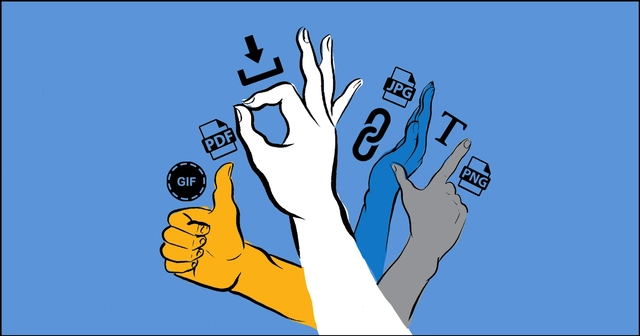
Architecture is a collaborative discipline, where a day’s work often involves sharing files, emails, and information in the process of completing a project. Whether you are entering competitions, applying for jobs or getting your work published, being tech-savvy when sharing files is a crucial skill to have—while failing to be tech-savvy can lead to frustrated colleagues, wasted time, and even missed career opportunities.
To help you ensure you're not making any mistakes, we’ve put together a few pointers you can use to share work online more efficiently and effectively.