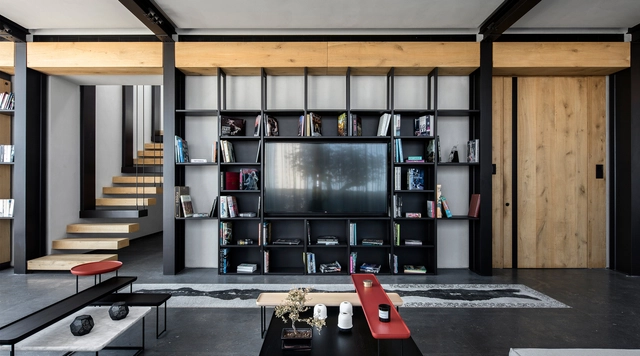
There are a series of multiple factors to take into account when deciding where to place a TV, including —but not limited to— the dimensions of both the furniture and the TV, image resolution, height, design, and so on.
In this article, we share some recommendations to achieve the comfort and well-being of the users avoiding possible problems of visual fatigue or unfortunate body postures.
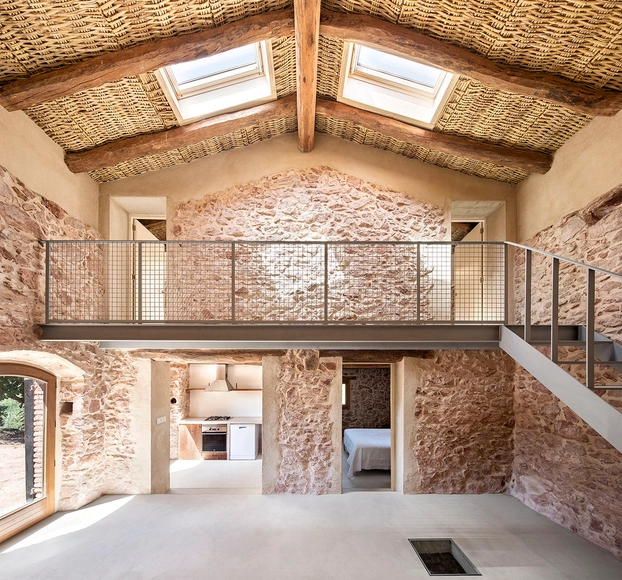
What does architectural restoration, transformation, or renovation entail? What factors are involved in their processes? When delving into the interiors of Spanish homes, we set out to discover the various methodologies, tools, and technical and construction strategies that are often employed, with stone as the main protagonist.
Whether it’s a guilt-driven effort to reduce one’s own carbon footprint, an economy-inspired reduction in energy bills or simply taking advantage of a government incentive scheme, sustainable construction, and design choices are not only being made by the most eco-aware amongst us, but now by anyone with an eye on both the current cost of energy and the future cost of its obsolescence.
Whatever the motivation, as we desperately attempt to reduce our self-destructive reliance on fossil fuels, our homes and buildings are gradually turning their backs on gas – one of the final hurdles standing between us and a carbon-neutral home. These alternative systems and appliances run on renewable electricity instead, breaking our reliance on emission-causing gas-dependant products and using innovative electrical technology to improve them too.
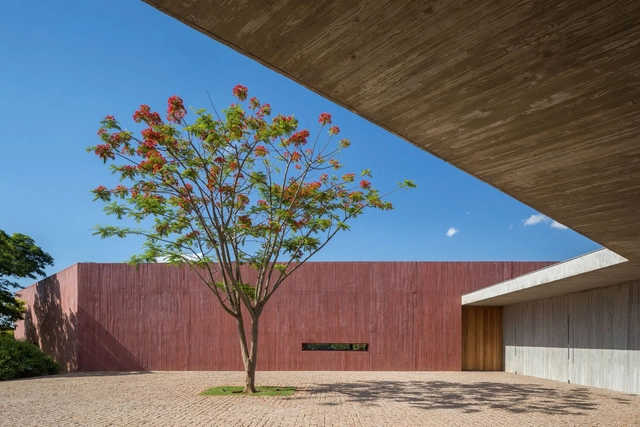
Although the use of color can be employed to hide or disguise a specific characteristic, it can also be used to highlight them. Within the Latin American territory, we can observe that shades of red, green, and blue have predominated in residential architecture, aiming to integrate a language appropriate to the context in which it is implemented.
The use of pigmented concrete in Latin American architecture is growing - and influencing contemporary architectural expression. This can be seen in recent built works ranging from the INES Innovation Center designed by Pezo von Ellrichshausen in Chile to the Teotitlán del Valle Community Cultural Center by PRODUCTORA in Mexico.
Today is the premiere of the first episode of a new documentary series that explores the projects of Al Borde. Titled "Building with Living Trees", this first instalment highlights the stories behind Casa Jardín (Garden House), a single-family home located in the suburban area of Quito, Ecuador.
Designed for an ecologist named José, the residence is developed into three small independent pavilions with hybrid structures that combine living trees with various construction systems. These structures utilize a vernacular technique of living fences that has been employed in the Andes since ancient times, showcasing a genuine pursuit of coexistence between architecture and nature.
In Paraguay, brick can be many things. Walls, dividers, facades, sieves, vaults, floors, and pavement are just some of the many example that demonstrate, not only the variety of uses for brick, but the ingenuity of the architects who choose to utilize it in their projects.
IKEA’s research and design lab SPACE10 has published The Healthy Home report, the second release in its Future Home report series. The report explores three main themes concerning domestic environments: how our homes protect us from harm, restore our bodies and minds, and enable us to grow through life’s stages. The research aims to evaluate the ways in which homes can positively contribute to and support the rhythms and flows of life. It was developed in collaboration with Morph to develop the visuals supporting the findings.
With a population of a little over ten million people, of which almost two-thirds are living in urban areas, Portugal is still one of the most rural countries in Europe to this day. A significant part of the population is distributed along the Atlantic Ocean coast, concentrated mainly in Lisbon and Porto, which account for almost half of the country's residents, resulting in a large and sparsely populated inland area with predominantly rural characteristics.
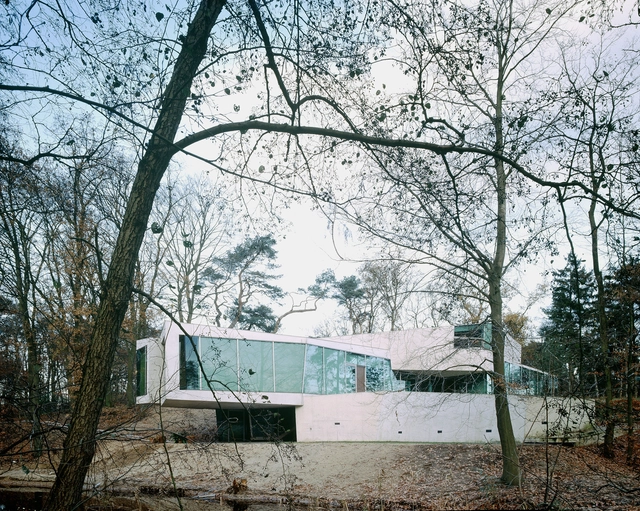
Despite the low density and the countryside atmosphere, these regions are not lacking in quality architecture. Many buildings - mostly residential - stand out for their ability to blend into the landscape, repurpose old structures, or pay homage to local vernacular techniques. The following 15 country houses are examples of this:
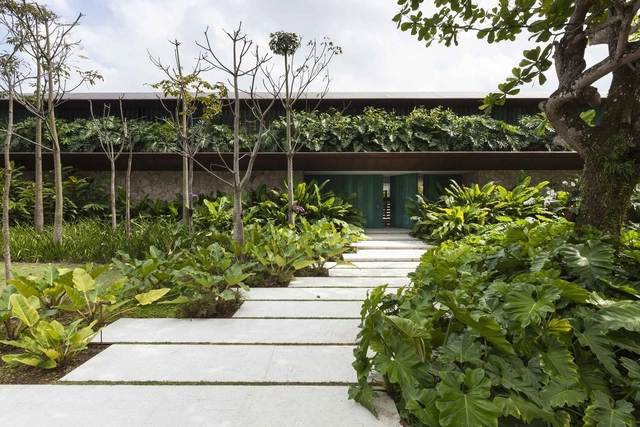
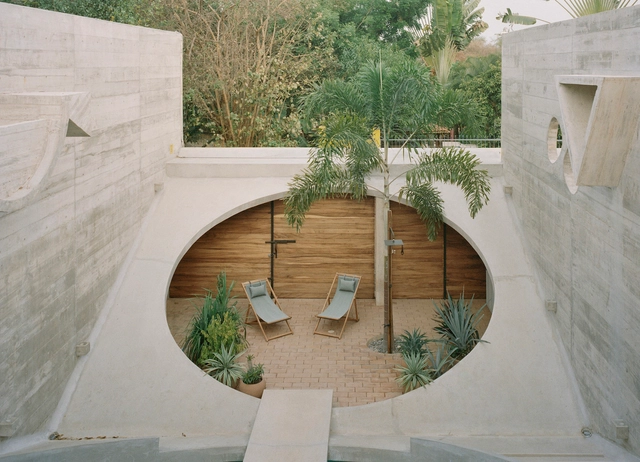
There is something very attractive about the combination of lush vegetation and exposed concrete roughness. This is what the book Concrete Jungle: Tropical Architecture and Its Surprising Origins, published by Gestalten, proposes to investigate. The publication offers a reading on modern "tropical architecture", presenting houses located between the Tropics of Cancer and Capricorn and their relationships with their cultural, constructive, and environmental origins. It features several projects and architects, from the 1950s to the present day, tracing a multifaceted panorama that includes residential buildings located in regions as distinct as Brazil, Mexico, India, and Kenya.
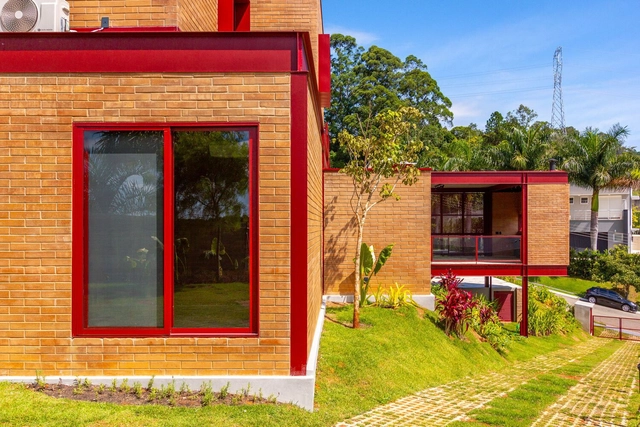
By building houses like the Latypi residence on hillsides, we can reduce the impact construction has on the landscape, while keeping the views for ourselves. Image
Ever since humans started building (about 10,000 years ago), settlers looking for sites to build new villages or homesteads have kept a simple list of criteria: access to water, proximity to arable land, and, ideally, as flat as possible. Modern development sites instead look for industry and transport links rather than water and farmland, but a level site is still the preferred option.
Whether you cut and fill into the landscape by digging in a retaining wall, or balance the structure above the hillside on stilt supports, building on sloping ground always adds time, cost, and difficulty to the project. With immense views and extra space both inside and out, however, the results can be worth the extra effort.
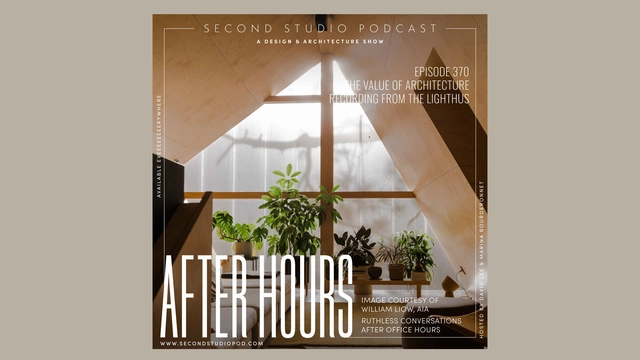
The Second Studio (formerly The Midnight Charette) is an explicit podcast about design, architecture, and the everyday. Hosted by Architects David Lee and Marina Bourderonnet, it features different creative professionals in unscripted conversations that allow for thoughtful takes and personal discussions.
A variety of subjects are covered with honesty and humor: some episodes are interviews, while others are tips for fellow designers, reviews of buildings and other projects, or casual explorations of everyday life and design. The Second Studio is also available on iTunes, Spotify, and YouTube.
This week David and Marina of FAME Architecture & Design are joined by Lou Maxon, Founder of Maxon House, to discuss his story as a client; the process of building a house; hiring Olson Kundig as their architect; working with contractors; building a studio on railroad tracks; tips for being a client; and more!
Videos
Lennar, ICON / 3D-printed, 100-home Community Wolf Ranch ,Rune Model Home. Image Courtesy of ICON, Lennar
The first 3D-printed model home built by ICON and Lennar and co-designed by BIG-Bjarke Ingels Group is now open for visits at the 100-home community of Wolf Ranch in the city of Georgetown, near Austin, Texas. The house is part of the largest-scale development of 3D-printed homes in the world, currently under construction. Several of the homes have already been sold. With more than 80 of the home sites actively under construction and nearing completion, the first homeowners are scheduled to move in this September.
The challenge of designing a house with a tight budget and space constraints, together with the essential duty of responding correctly to the requirements of the user, is sometimes one of the most challenging and motivating tasks an architect can face. How can you take advantage of space most effectively? How can you avoid wasted material? How do you anticipate the possible future expansion of the house? And how do you develop a simple design that also delivers value to its inhabitants?
To help you in this process, we scoured our projects archives to select 30 houses that provide interesting architectural solutions despite measuring less than 100 square meters.
ArchDaily and VELUX have joined forces to provide you with an exclusive coverage of the highly anticipated UIA World Congress of Architects 2023. Watch the discussion panel on the future of next-generation homes, moderated by David Basulto, founder and editor-in-chief of ArchDaily. Get to know more of the world of next-generation homes as the panelists delve into innovative approaches, cutting-edge technologies, and sustainable solutions that are reshaping the way we live.
The city of Mérida, the capital of the state of Yucatán in Mexico, has experienced a significant architectural boom in recent years due to emerging talent that has gained recognition through awards and biennials across the country. With its tropical climate, the architecture in this region responds to specific geographical conditions, making it one of the most visited destinations. Mérida is a city that was built upon the remnants of the Mayan city called T'Ho and is composed of a rich culture that combines different moments in history. As a result, the contemporary architecture of this region incorporates traditional elements such as vaults, lattices, and sustainable traditional finishes that are reinterpreted to create a new language that reflects the present moment in which they were constructed.
Over time, the space of the bathroom in the domestic sphere has increasingly gained importance. Nowadays, it is conceived as a space for well-being and health, where one can have an experience that meets the needs and requirements of its users. Beyond the different technologies implemented, the designs applied, or the materials used, architects and designers demonstrate, day by day, the multiple configurations and arrangements that these spaces can adopt through their projects, developing strategies both on an aesthetic and design level, as well as on a technical and functional level.
Small homes are a common reality in many urban areas around the world for various reasons. These homes made up of small houses or compact apartments, have become increasingly popular due to the shortage of land and high housing prices in urban areas. Although their size may be limited, contemporary architecture practices focus on intelligent designs to maximize available space and offer comfort to their inhabitants. They often offer efficient layouts, with multifunctional areas that adapt to needs. In addition, some of them integrate innovative design and furniture solutions to optimize space and provide additional storage.