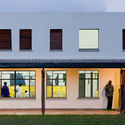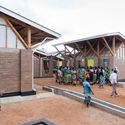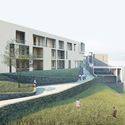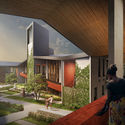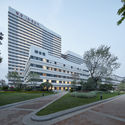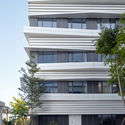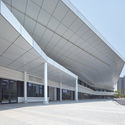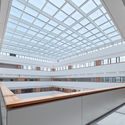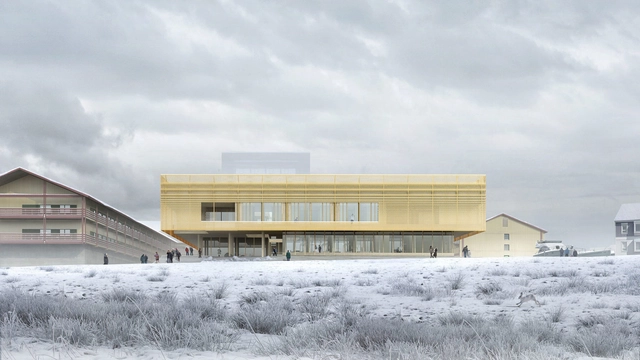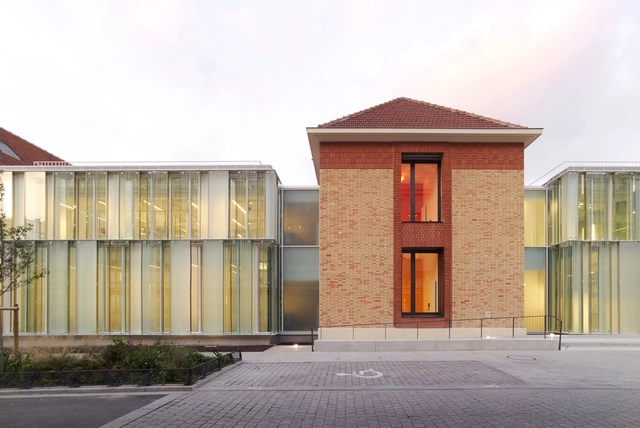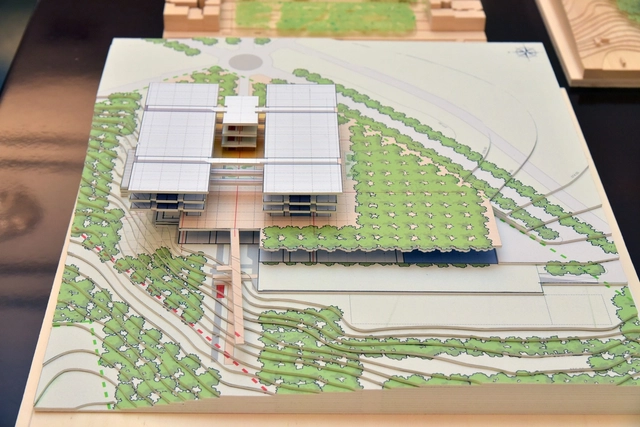
Hassell has approached health and wellness differently in the newest healthcare facility in Western Australia. With innovation at the core of the architectural concept, the Murdoch Knowledge Health Precinct puts people first, creating a state-of-the-art intervention, a hub for activities and interconnected public spaces.
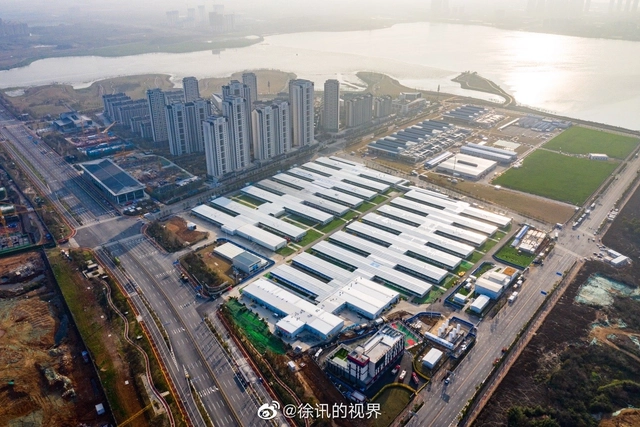
While an overwhelming majority of the world is still fighting against COVID-19, the economic and social situation in China has shown beginning signs of a return to a new normal way of life in recent weeks. In another sign of good news, the Chinese government recently announced that the two hospitals in Wuhan that were built from ground up within 10 days would close on April 15th and the remaining 30 patients will be transferred to other hospitals in Wuhan to receive further treatment. Other regions of China have followed similar steps, also announcing the closure of temporary hospitals, showing a positive sign that the COVID-19 pandemic is finally being defeated where it first began.
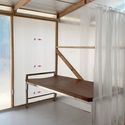
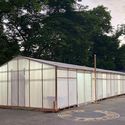
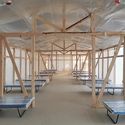
We've compiled a list with the temporary hospitals constructed in the first two months of 2020, designed specifically to treat patients with COVID-19 symptoms. In total, China constructed more than 30 temporary hospitals built across the country. The speed at which these medical facilities were built was achieved through the hard work of tens of thousands of people working around the clock.
https://www.archdaily.com/937579/a-closer-look-at-the-chinese-hospitals-built-to-control-the-covid-19-pandemicMilly Mo
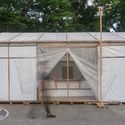
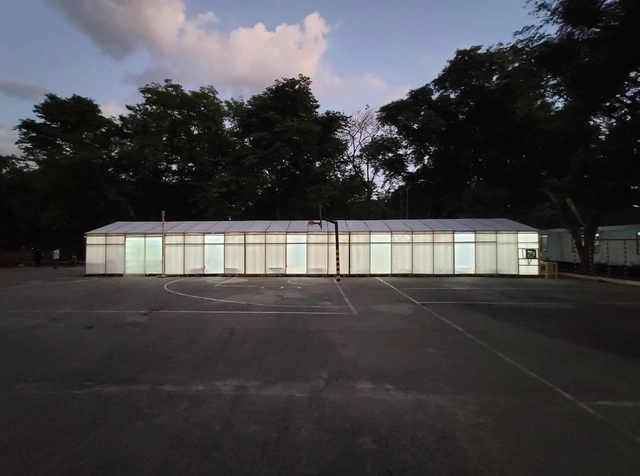
As hospitals around the world are reaching their capacity, the architecture and design community is developing new alternatives to fight COVID-19. In order to build 60 Emergency Quarantine Facilities (EQF), WTA was inspired by their pavilion developed last year, part of the Anthology Festival. A viable quarantine structure, the Boysen Pavilion “embodied speed, scalability and simplicity in its structure”.
Addressing contextual severe healthcare problems, like the outbreak of infectious diseases or maternal mortality, MASS has helped in setting design strategies to mitigate and reduce critical medical concerns. With some projects operational, and others in the pipeline, the facilities imagined, tackle a wide range of complications.
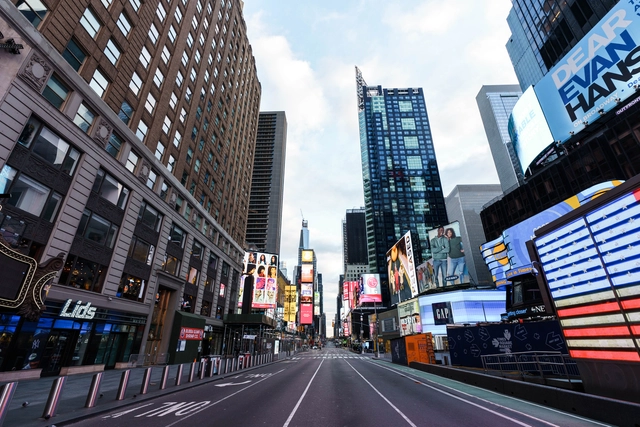
As New York is facing unprecedented circumstances and as the numbers of infected people with the coronavirus are reaching new highs, officials are seeking fast and efficient solutions to generate useful spaces for patients. With a timeline of a few weeks, the city is looking into ways of altering the existing structures.
Just 2 months ago, the city of Wuhan, China announced the construction of Wuhan Huoshenshan Hospital, adding 1,000 beds, 30 ICUs, and new isolation wards to the city's medical arsenal to combat the Coronavirus epidemic. The building was completed in under 10 days by a team of 7,000 construction workers, a far cry from the reality many countries are facing as they scramble to quell the outbreak and wrestle with the shortcomings of their own healthcare systems. With over 14,000 dead and more than 300,000 infected worldwide, not to mention a shortage of medical supplies and facilities, health systems across the globe are feeling the strain of preparing for a crisis.
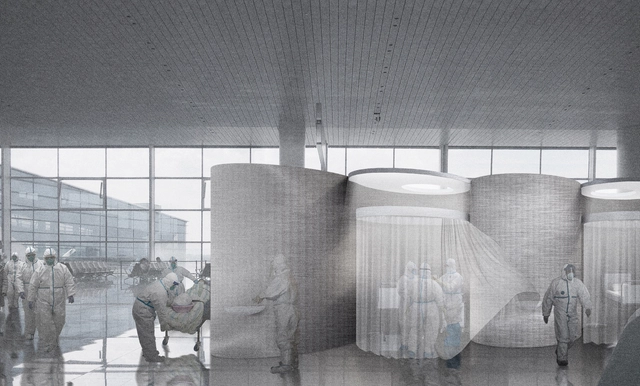
Opposite Office has proposed to transform the new Berlin airport, under construction since 2006, into a “Superhospital” for coronavirus patients. In an attempt to prepare the healthcare system and increase its capabilities, Opposite Office presented an adaptive reuse alternative, drawing contextual solutions to fight the pandemic.
Focusing on competition entries, this week’s curated selection of the best-unbuilt architecture from our readers' submissions, highlights projects from across the globe, presented part of international contests. Some are winners, some are not but all of the featured schemes have an intriguing conceptual approach, and a different story to tell.
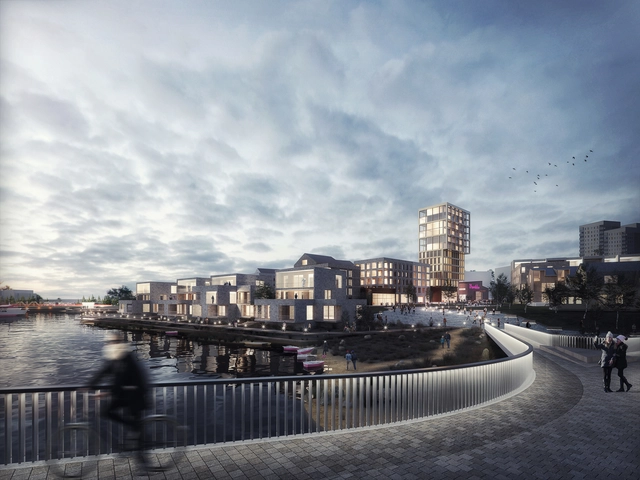
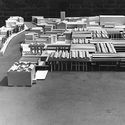
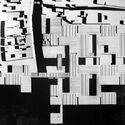
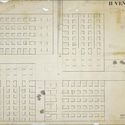
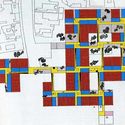
Tackling diverse programming, the entries include an urban public housing proposal in South Korea, the Dianju Village Library in China and a new Future-Oriented Neighborhood in Finland combining urban and sustainable living. Moreover, the article showcases rare and unconventional functions like a hospital for psychiatry & neurological diseases in Turkey and an intervention on a famed Oscar Niemeyer site.
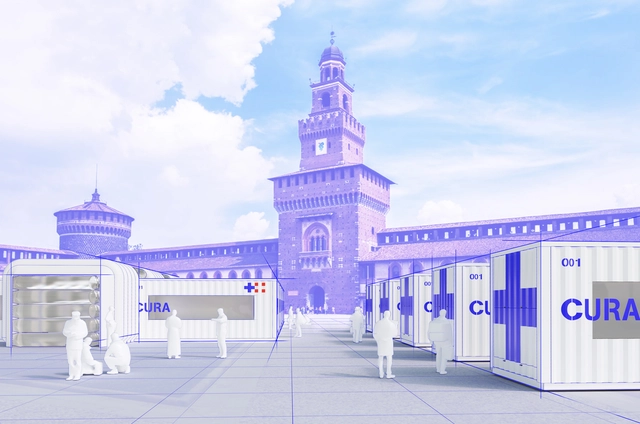
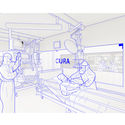
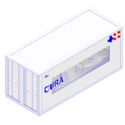
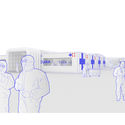
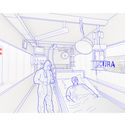
Courtesy of CURA/ CRA-Carlo Ratti Associati with Italo Rota
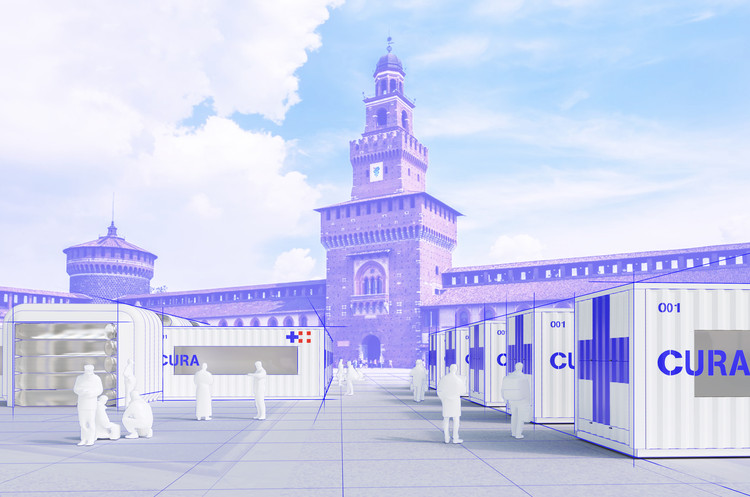
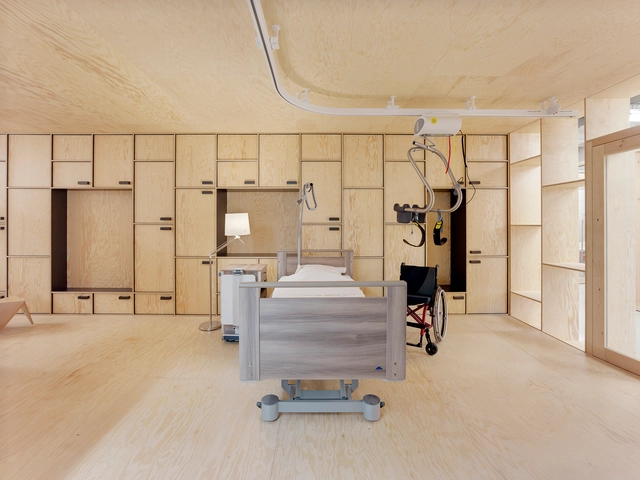
CRA-Carlo Ratti Associati with Italo Rota in collaboration with an international team of experts developed CURA (Connected Units for Respiratory Ailments), plug-in Intensive-Care Pods for the COVID-19 pandemic. An open-source design for emergency hospitals, the project’s first unit is currently under construction in Milan, Italy.
Hospitals and projects related to healthcare must follow specific guidelines based on the rules and regulations of their country. These standards help us to design complex spaces, such as those located in areas of surgery, hospitalization, diagnostics, laboratories, and including areas and circulations that are clean, dirty, restricted or public, which create a properly functioning building.
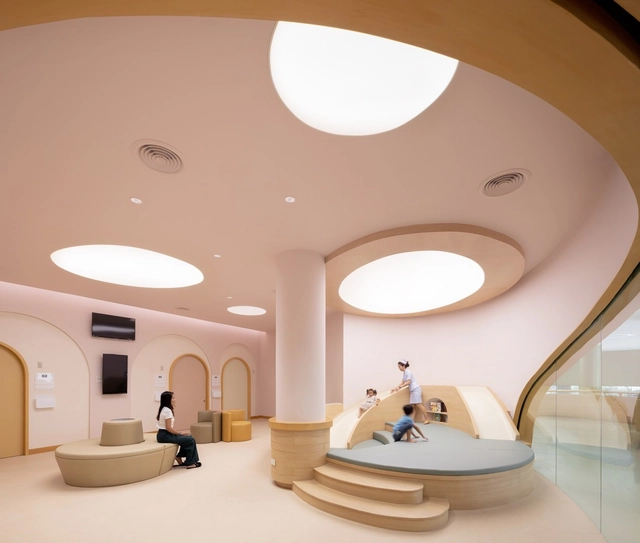
There are a few spaces that we, as architects, can develop with great ease and freedom of design: waiting rooms, reception areas, and outdoor spaces. These are spaces where architects can express the character of the hospital. To jump-start you into this process, we have selected 43 projects that show us how creativity and quality of a space go hand-in-hand with functionality.
Architecture and interior design constantly evolve to meet the needs of society and part of its social role is to assist the well-being of those who transit and use their spaces daily. Hospital architecture is a niche responsible for the development of projects focused on the health area, based on specifications, requirements, and regulations that guarantee and ensure the comfort of patients - it is continuously studying intrinsic issues of how a sick body behaves in space, in order to create environments that assist in the rehabilitation process.
Designed by Skidmore, Owings & Merrill LLP (SOM) with local architecture partner May Architecture, the new Winship at Midtown facility for cancer care is an addition to the Emory University Hospital Midtown (EUHM) campus and the existing Winship Cancer Institute.
Foster + Partners has created in partnership with Luye Medical and Cleveland Clinic, a healthcare facility, challenging the traditional hospital prototypes. The design of the general medical hospital in Shanghai’s New Hong Qiao International Medical Center aims to generate a new type of patient experience.
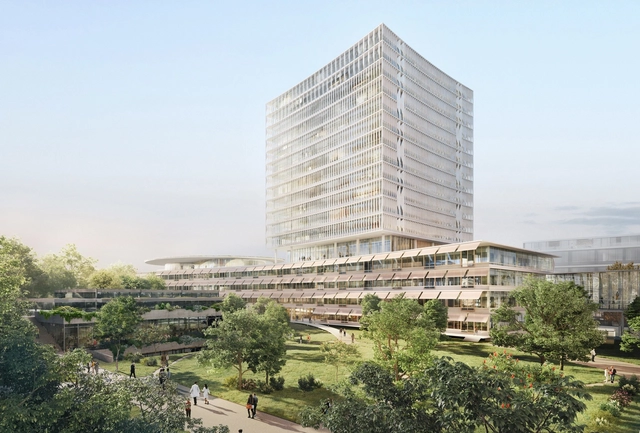
Herzog & de Meuron have released images of their proposed University Hospital Basel, Perimeter B in Switzerland. The 68-meter-tall building, with a footprint of over 5000 square meters, exhibits the firm's familiar clean, crisp aesthetic while paying respect to the surrounding historic context. Designed in collaboration with Rapp Architekten, the 12-story scheme will facilitate the hospital’s outpatient and nephrology centers.
https://www.archdaily.com/916930/herzog-and-de-meuron-design-crisp-university-hospital-for-baselNiall Patrick Walsh
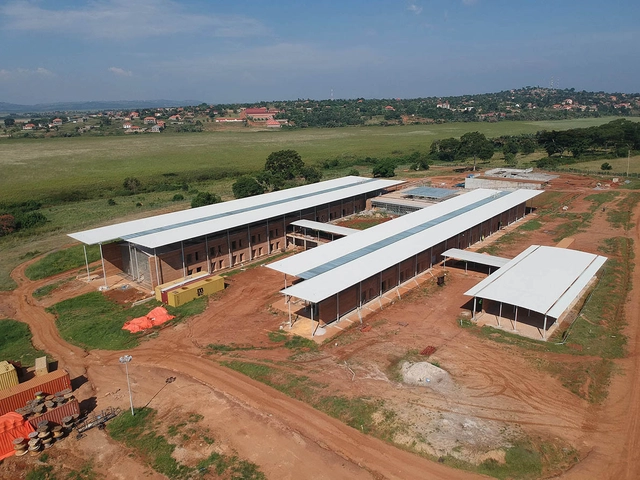
Renzo Piano Building Workshop has released an update of their Emergency Children’s Surgery Center in Uganda, as work progresses on the pediatric surgery hospital. Since its inception in 2013, the scheme has sought to merge the practical requirements of the healthcare industry with a “model piece of architecture that is rational, tangible, modern, beautiful, and firmly linked to tradition.”
https://www.archdaily.com/914606/renzo-piano-designs-emergency-hospital-in-uganda-with-rammed-earth-wallsNiall Patrick Walsh
White Arkitekter has unveiled its design for a mother and baby unit for the Panzi Hospital in the Democratic Republic of Congo. The Scandinavian firm developed a new facility to be built onto the existing hospital, designed to improve the wellbeing for mothers and children. The project was highly commended at WAF 2018 in the Health-Future Project category.
The Panzi Hospital, set up following 20 years of war and devastation, has expanded its focus to treating survivors of sexual violence and serves over 400,000 people. The new unit will replace the overcrowded facilities at Panzi Hospital, which deals with up to 3500 births per year, and aims to reduce the maternal and post-natal mortality rate while providing more positive birth experiences.
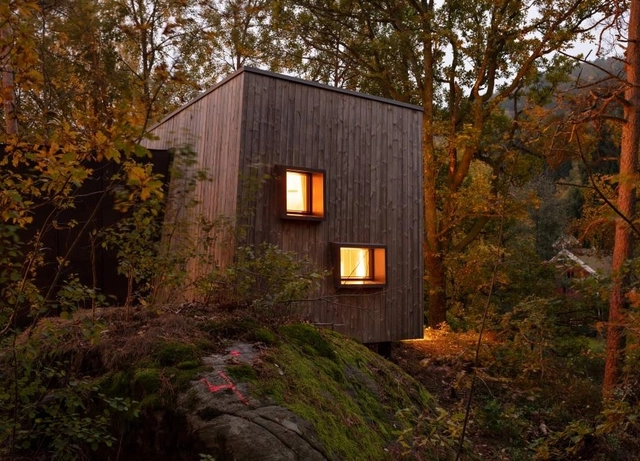
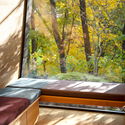
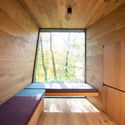
Design practice Snøhetta has created a series of secluded wooden shelters for Norway's largest hospitals. Sited in the forest, the shelters were created on behalf of the Friluftssykehuset Foundation. Designed to make hospitalization easier for patients and their families, the outdoor retreats offer a physical and psychological respite from treatments and the isolation that can follow long-term hospitalization.