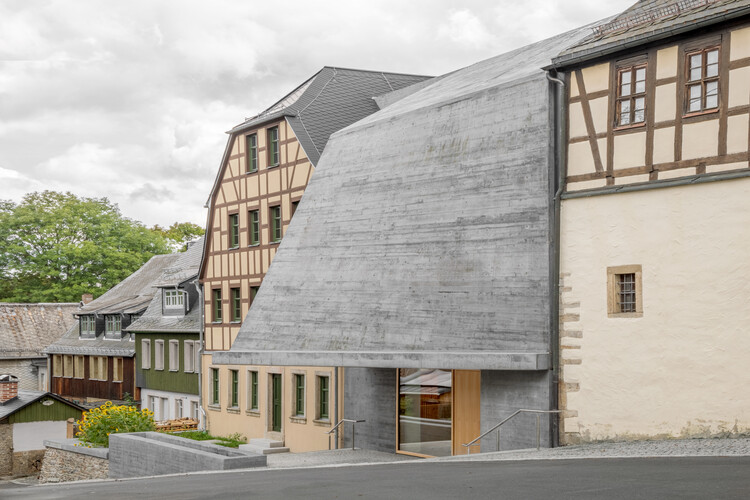
-
Architects: Schulz und Schulz
- Area: 2013 m²
- Year: 2025
-
Manufacturers: JUNG, Lamilux, FSB Franz Schneider Brakel, Akurit, Busch-Jaeger, +17


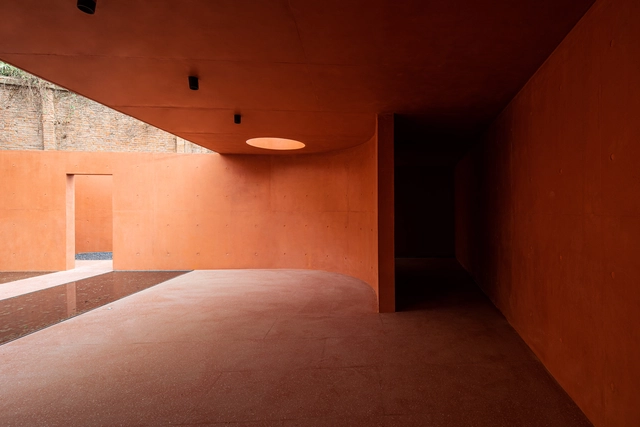
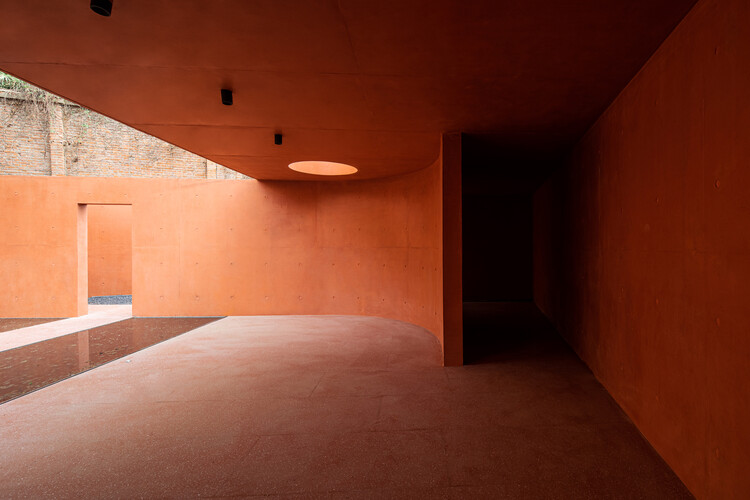
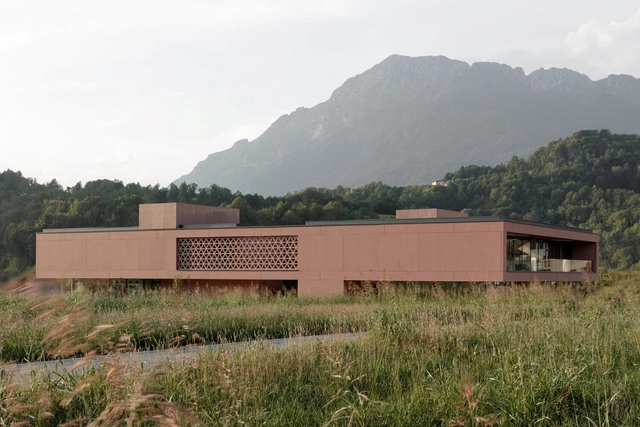
Concrete is often seen as the material of modernity, defined by its structural strength, raw finish, and unmistakable gray tone. It became the default palette of 20th-century architecture, a symbol of functionality and permanence. Yet, concrete is not bound to this chromatic identity. Its color is a byproduct of the cement, aggregates, and chemical composition used in its mix, and it can be intentionally altered through pigmentation. Among the many hues explored, red stands out — not only for its visual intensity, but for its ability to root buildings in place, evoke cultural references, and imbue architecture with a material presence that feels both elemental and expressive.
Pigmenting concrete involves the addition of mineral-based colorants — usually iron oxides — during the mixing process. Unlike paints or coatings applied to the surface, these pigments are integrated directly into the concrete mass, ensuring the color permeates the material and remains stable over time. Red pigments in particular are often derived from iron oxide (Fe₂O₃), a naturally occurring compound found in clay, hematite, and other iron-rich minerals. Their deep, earthy hue connects contemporary construction with ancient techniques — from Roman pozzolana mortars to the red earth buildings of West Africa and South America.
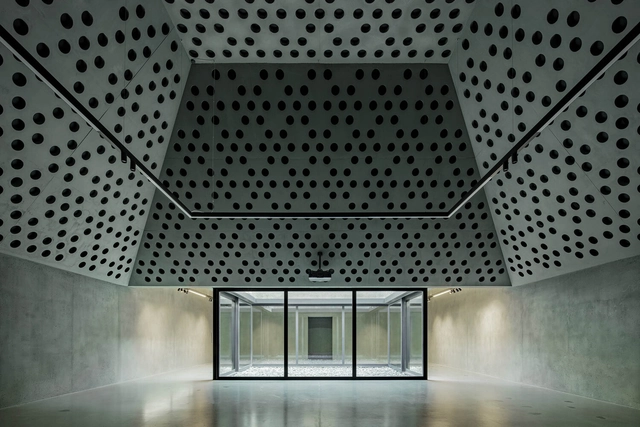
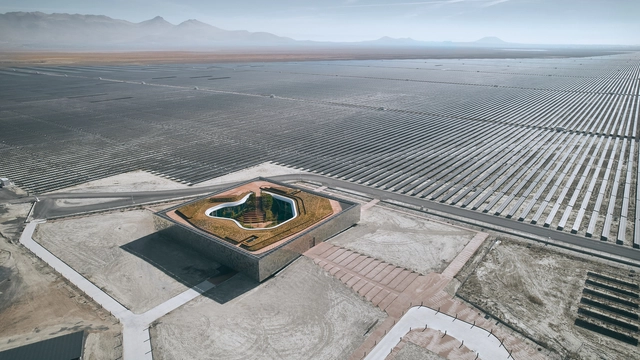
The 17th edition of World Architecture Festival (WAF) will take place at Marina Bay Sands in Singapore from the 6-8th November 2024. In addition to the unique live-judged awards programme and crit presentations, this year's event will include fringe events, an exhibition, and keynote talks from an international panel of speakers.
This week, the festival announced their short list of most innovative projects from around the globe, celebrating the best new completed buildings and landscapes as well as the most inspiring future architectural concepts, across 33 categories, ranging from residential, to transport, to retrofit. This year's finalists range from major world architects including Zaha Hadid Architects, WOHA, Renzo Piano Building Workshop, MVRDV, Tadao Ando Architect & Associates, Kohn Pederson Fox, and Nikken Sekkei, with many emerging practices also on stage competing against the big names.
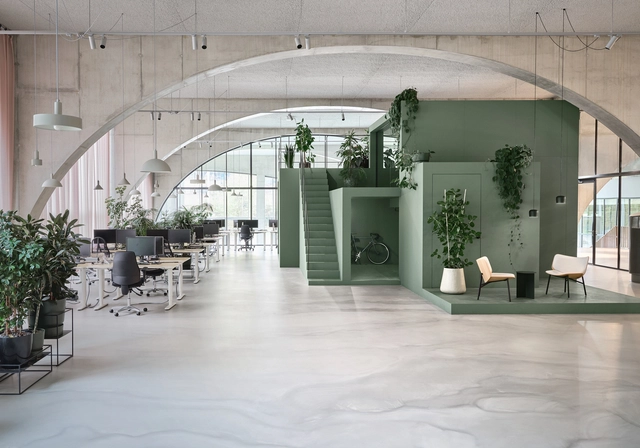
The facade of a building often serves as a reflection of both the urban fabric it is set in, as well as what lies behind it. Beyond aesthetics, facades hold important functional, cultural, and sustainable significance, especially in relation to the interior design. Although natural light, views, and spatial organization are influenced by the facade, architects have been prioritizing the relationship between the building's envelope and the quality of the interior, keeping in mind current cultural, economical, and environmental changes influencing the way people design their living space. So responding to these ever-changing needs and habits, along with the focus on overall wellbeing, architects offset the facade and ceiling - and in some particular cases, floors - to create interiors within interiors; secondary envelopes that protect the interior space from the outside environment.