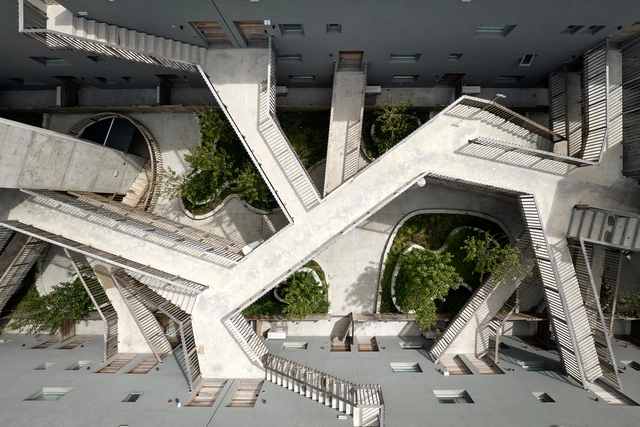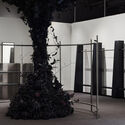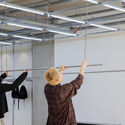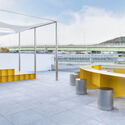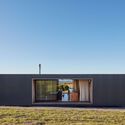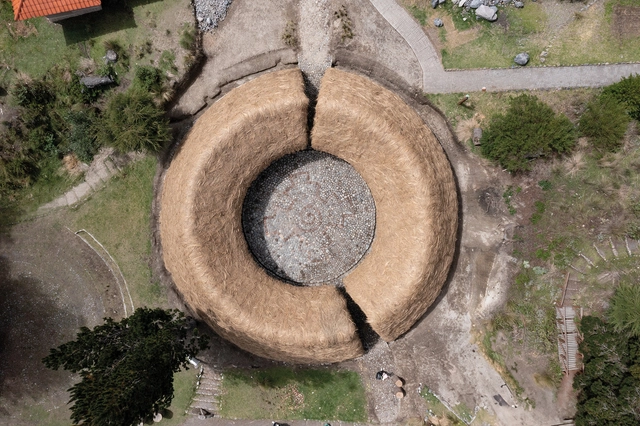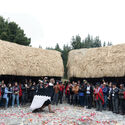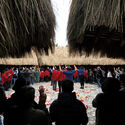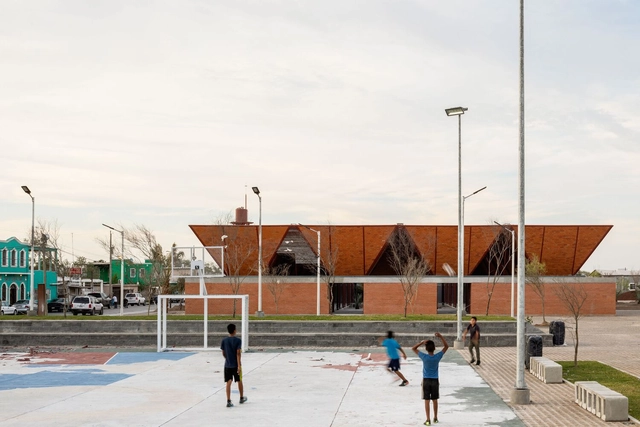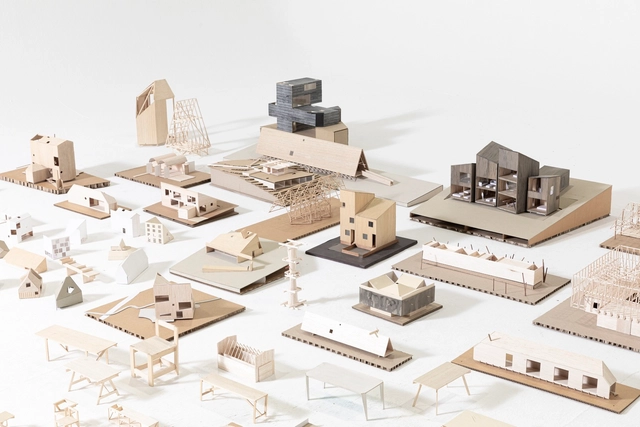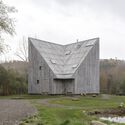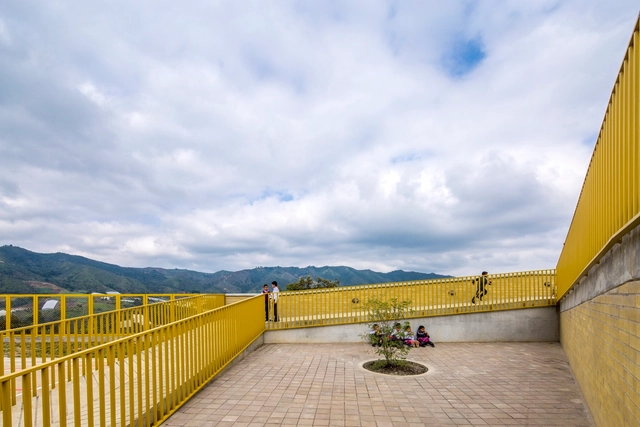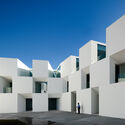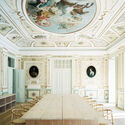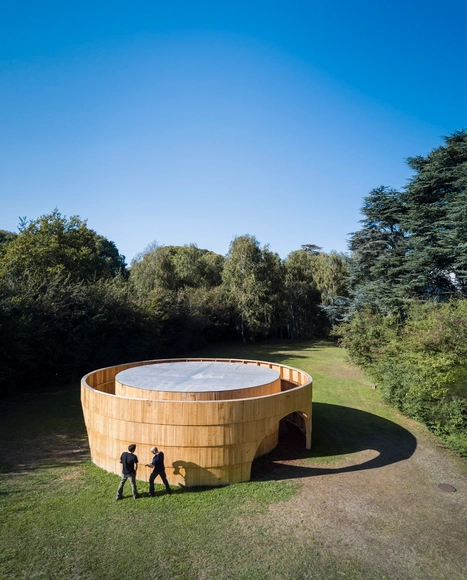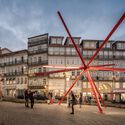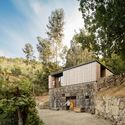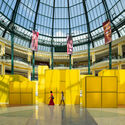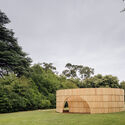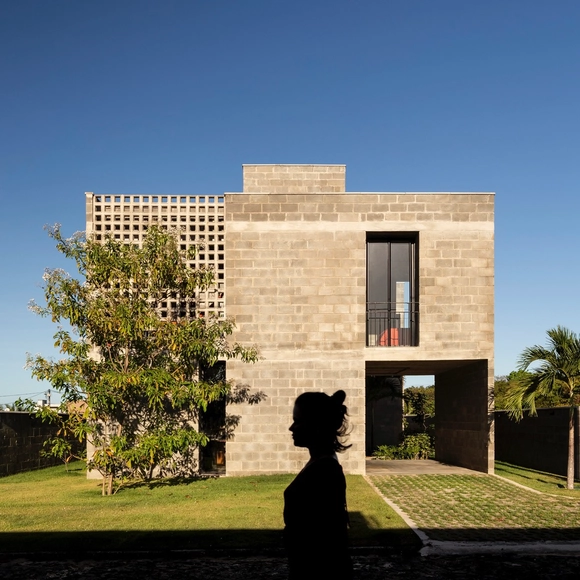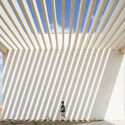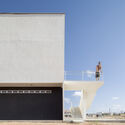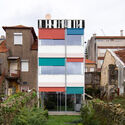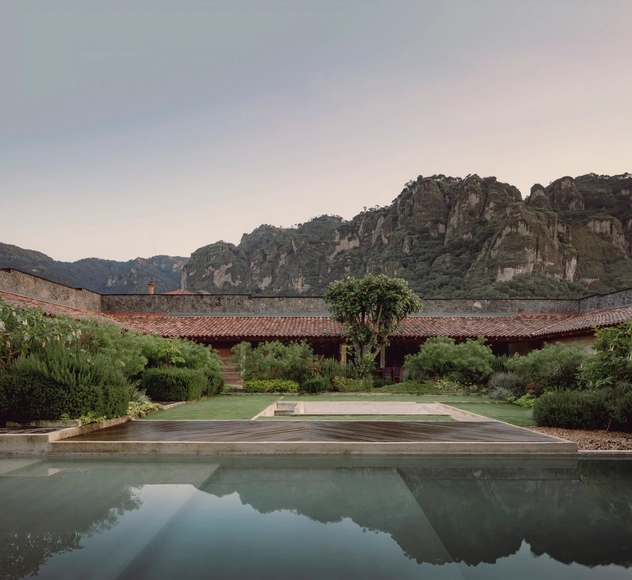
Founded by architects Felipe Mesa and Federico Mesa, the Plan:b arquitectos studio is located in the city of Medellín, Colombia, bringing together building design, participation in academic activities, and the construction of concepts capable of connecting architecture with the urgent realities of everyday life. Understanding the architectural project as a provisional pact, permeable configuration, and positive expression of eco-social constraints, they have constructed a large number of buildings of various scales and programs since 2000, ranging from public, educational, and sports spaces to housing, offices, hotels, and installations.
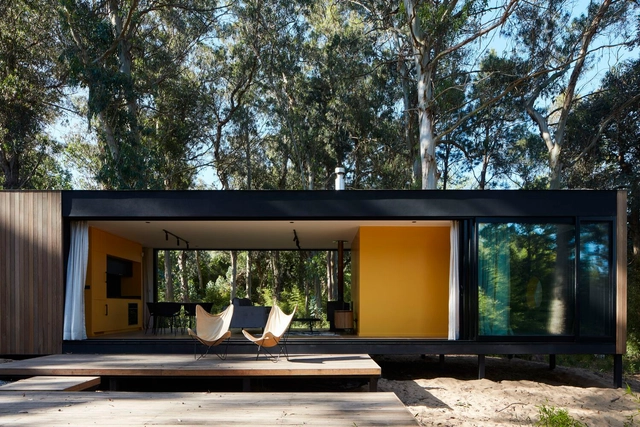
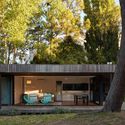
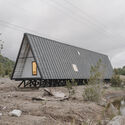
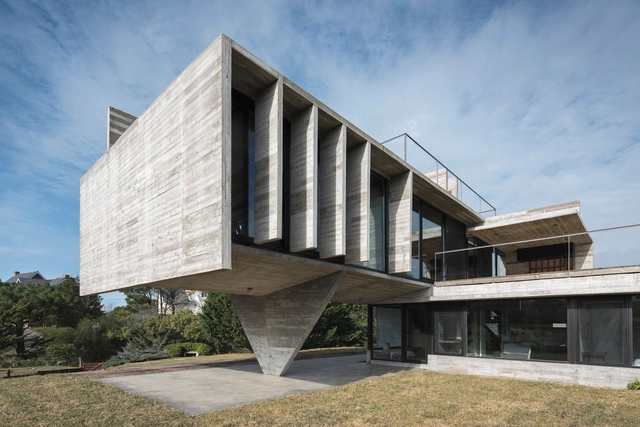
In response to the diverse topographies and natural conditions throughout the Argentine territory, the works of Luciano Kruk propose an architecture that works in harmony with the environment, the landscape, and the nature in which they are situated. Whether immersed in a forest, on sloping terrain, or on a rural plain, among other geographies, his intention is to enhance the relationship between the interior and exterior of the architecture, using concrete as the main material in most of his projects.
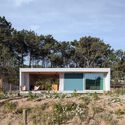
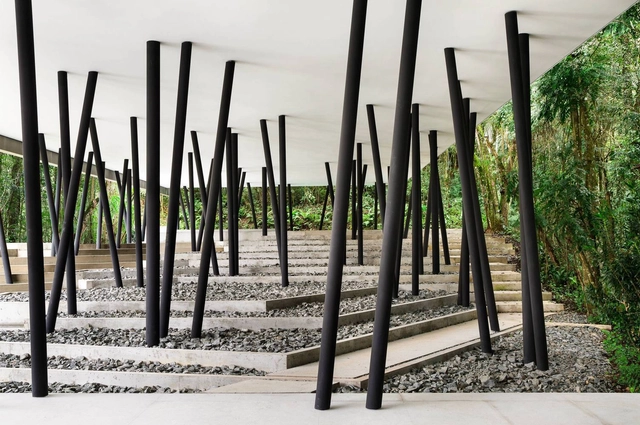
The unique language employed by each architect serves as the foundation for analyzing their work. Over time, this distinctive style becomes more evident, allowing for the identification of past influences and references. Simultaneously, it showcases a continuous evolution of this language, manifesting as a formal progression that aligns with the contemporary context. The projects by Studio Guilherme Torres serve as exemplary instances of this developmental journey, spanning from its inception to the present day.
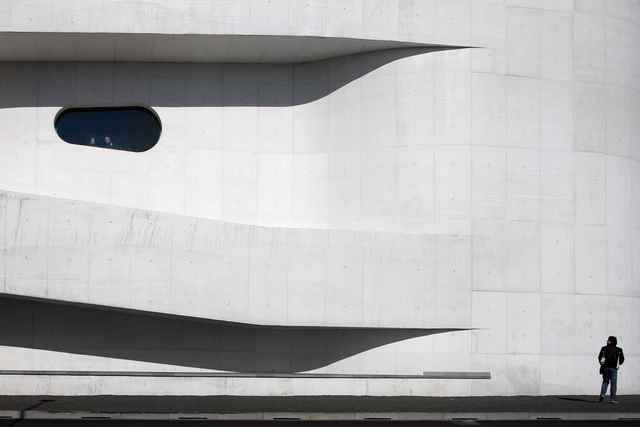
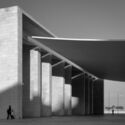
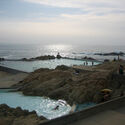
When it comes to contemporary Portuguese architecture, the initial association often leans towards tradition. The historical significance of the program, the importance of typologies for the locals, and the construction methods all play a role. These associations are not unfounded, but they are not limiting either. In this context, Portugal boasts a prominent figure who exemplifies this balance: Álvaro Siza Vieira.
Siza is the foremost representative of Portuguese architecture. There are many reasons for this distinction. It is not only because he was the first Portuguese architect to receive a Pritzker Prize in 1992 or for the Golden Lion at the Venice Biennale in 2012. It is not solely due to his extensive and prolific career. Above all, his unique and simultaneously universal approach to architecture sets him apart. His involvement on national and international fronts highlights a characteristic likely intrinsic to his nature: the ability to embody many facets within a singular entity, just like his compatriot Fernando Pessoa.
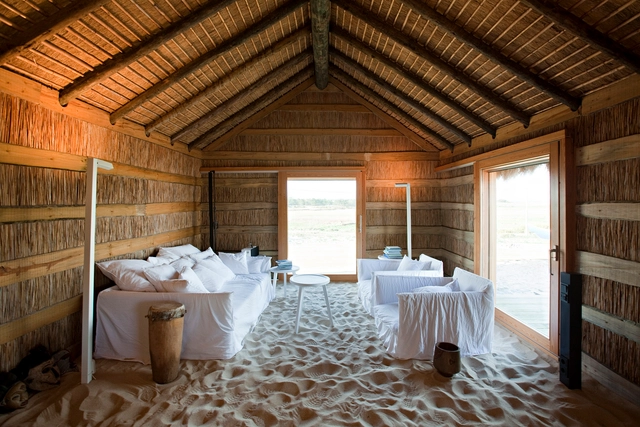
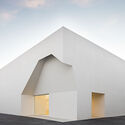
Despite operating from distinct offices in Portugal, brothers Manoel and Francisco have forged their professional paths in tandem, collectively known as Aires Mateus, a shared surname. As a cohesive duo, these Portuguese architects have left their mark on projects across multiple countries, establishing themselves as a benchmark in contemporary architecture. They are praised for their innovative and elegant designs, gaining global acclaim for their ability to integrate simplicity, tradition, and functionality.
There are numerous intersections between art and architecture, including aesthetic enjoyment, formal element composition, the relationship with the environment, and abstraction. The unique combinations of these aspects distinguish each architecture office or artist in their practice and language. Diogo Aguiar Studio is an architecture office that actively explores these intersections, pushing the boundaries that traditionally separate art from architecture.
Each project is built on the dynamic interaction between architecture and art, serving as its foundation and driving force. This approach yields work that addresses functional requirements and ventures into uncharted territories of spatial research. Notably, materials exploration and sensory aspects in both architectural and immersive artistic spaces stand out as a significant aspects of their endeavors.
The term "rede" in Portuguese traditionally conveys the idea of an interweaving of wires. In a contemporary context, it takes on a broader meaning related to connection, collaboration, and integration, whether among ideas, people, or processes. Not coincidentally, these are the core principles of Rede Arquitetos, a collaborative architecture studio founded in 2011 in Fortaleza, Ceará, by architects Bruno Perdigão, Epifanio Almeida, Igor Ribeiro, and Bruno Braga. Presently, the team is led by Braga, Luiz Cattony, and João Torquato, with their main approach emphasizing collective work and valuing encounters over the domination of ideas as a strategy for achieving the best solutions.
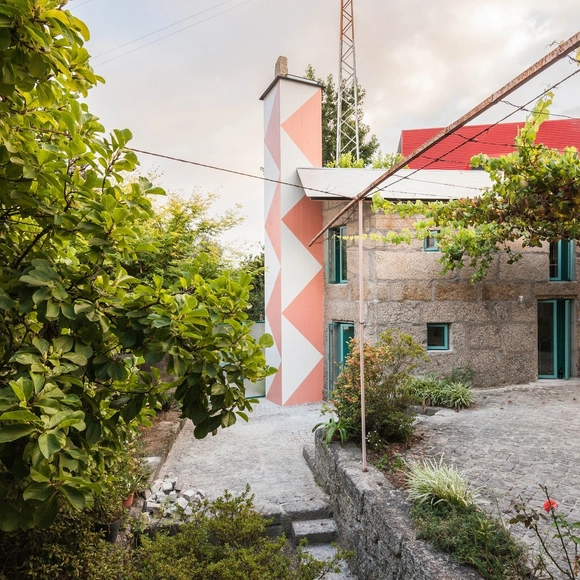
With a diverse and highly distinctive portfolio of projects, particularly notable for their innovative representations, the architecture office fala is marked by a bold, refined, and dynamic creative process. Established in 2013 by architects Filipe Magalhães, Ana Luisa Soares, and Ahmed Belkhodja, fala is headquartered in Porto, Portugal, and typically engages in projects across various scales, ranging from territories to birdhouses.
The experience of a space depends on various factors, including its size, lighting, views, temperature, and uniqueness. In essence, multiple architectural elements evoke emotions in individuals, both intentional and unintentional. For architects, alongside considerations like client preferences and project proposals, there exists a formal intention, an aesthetic aspect that aligns with the artistic dimension of their discipline. Striking the right balance between these aspects forms the foundation of architectural thinking. This commitment to balance guides the work of spaceworkers, a firm founded by Carla Duarte, who serves as the financial director, and creative directors Henrique Marques and Rui Dinis.
The history of architecture is marked by a rich array of styles and expressions, each of which reflects the specific environment it was created in. Numerous unique narratives have emerged, giving rise to various architectural traditions. The notion of a single, universal tradition is quickly debunked when one explores the pages of any architectural history book.
While contemporary architectural movements may share common principles, it's important to note that this doesn't necessarily result in a uniform appearance. However, when we consider the diversity of historical architectural styles and traditions, it becomes evident that specific regions have distinct architectural identities. Portugal has a well-defined architecture, and Carlos Castanheira is one of its notable representatives.
When it comes to architecture, scale is inevitably mentioned for graphic and two-dimensional representation of the built area, land size, and city extension. Architecture is a grand discipline with robust constructions and large areas, but the field of action is vast, encompassing "smaller" scales: essential housing, restricted land, and small cities.
With a broad and diversified portfolio in terms of typologies, scales, and project locations, MMBB Arquitetos is a versatile office with multiple activities. Founded in 1991 in the city of São Paulo, the office is currently composed of Maria João Figueiredo, Marta Moreira, and Milton Braga, and over the more than three decades of its operation, it has had among its partners Angelo Bucci, Vinicius Gorgati, and Fernando de Mello Franco, in addition to having carried out several partnerships with Paulo Mendes da Rocha.