

-
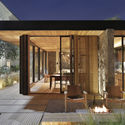
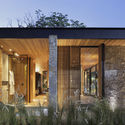
Architects: Duda Porto Arquitetura
- Area: 190 m²
- Year: 2019
-
Manufacturers: LG Electronics, Deca

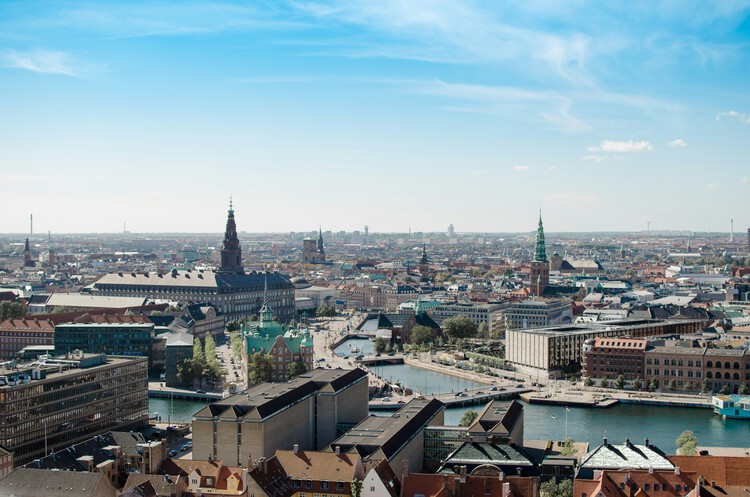
Copenhagen is long famous as the global capital of human-scale design and livability. Today, the city has widened its focus and is an active space where mid-century Scandinavian modernism meets the modern demands of climate adaptability, material circularity, radical conservation, and neighborhood density. During the first-ever Copenhagen Architecture Biennial, in 2025, the city transformed into a global platform for dialogue under the theme "Slow Down," exploring how architecture can respond to global pressures by rethinking the pace of change. And this year's 13th edition of the 3daysofdesign Festival will explore the theme of "Make This Moment Matter", encouraging the global design community to step away from digital noise and mass production to focus on the present.
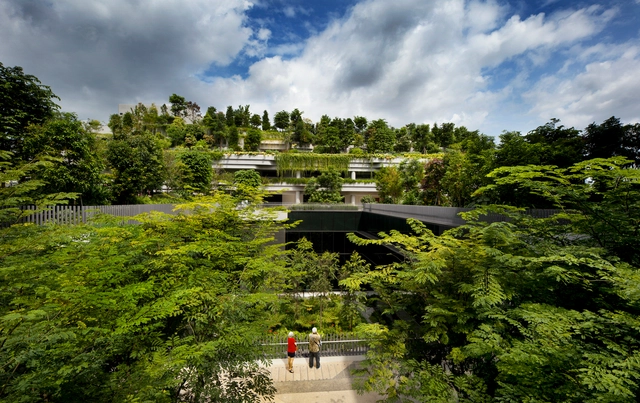
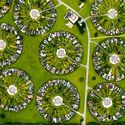
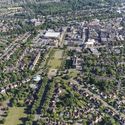
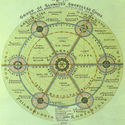
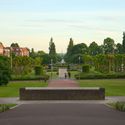
Ebenezer Howard's verdant visions for cities have spread eastwards, far beyond his British roots. In the 1900s, city planning welcomed the Garden City Movement as a champion of good design - a response to Western industrial urbanization. Soon, Asian cities conceived their archetypes, juggling local constraints in climate and density. Designs and development, from colonial-era experiments to contemporary mega-projects, have embraced and reinvented Howard's vision well into the 21st century.
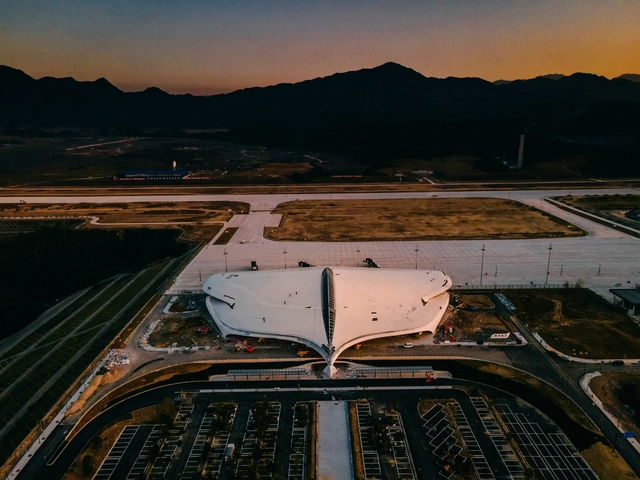
MAD Architects has provided an exciting update on the construction of Lishui (LIJ) Airport in China, now in its final stages. The project, which emphasizes harmony with nature, is scheduled to open by the end of 2024. Nestled within the foothill valleys of Lishui, the airport is designed to embody the city's reputation as a "forest city."
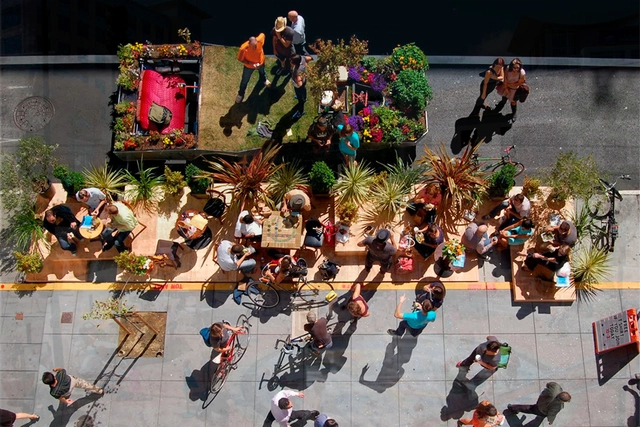
Cities, like people, are dynamic and constantly evolving to keep pace with and adapt to the social, economic, and environmental changes of their time. Similarly, the vision of how the ideal city should be planned has been influenced by each era’s realities and prevailing thoughts.
Industrialization, the increasing migration of people from rural to urban areas, population growth, the development of new materials and construction technologies, the dominance of automobiles as a means of transportation, and, more recently, the search for alternative ways of occupying and moving through cities have all impacted urban planning theories throughout history. These influences have shaped the structure of modern cities—with their successes and challenges.
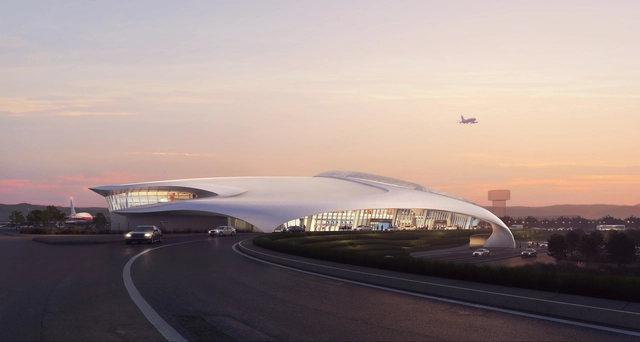
MAD Architects has just unveiled the design for Lishui Airport in China. Dubbed the "forest city,” Lishui is known for its green landscapes and valleys in the Southwest Zhejiang Province. Situated amidst hilly terrain, approximately 15 kilometers southwest of the city, the airport is envisioned as a domestic, regional transportation hub seeking to harmonize with the natural surroundings.
This article was originally published on Common Edge.
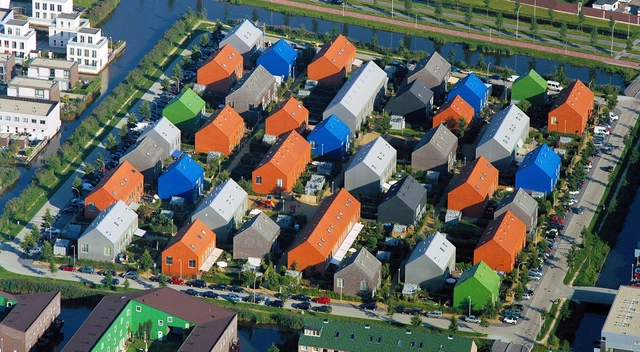
In this week's reprint, author Walter Jaegerhaus explores the U.S. housing challenge, drawing a timeline of the evolution of different architectural solutions, from around the world. Seeking to "inspire designers today to create new housing options", and hoping "that the U.S can again embrace its experimental origins and try out new ideas and methods", the article highlights examples from Europe and the Americas.

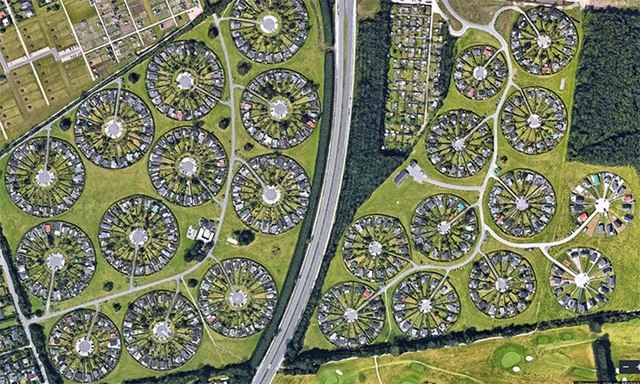
Following the Industrial Revolution, many European cities faced an unprecedented rise in the rate of population growth, intensified by the migration of people from rural areas to urban areas seeking better opportunities.
Although cities became more inviting, problems such as pollution and the growth of informal settlements also intensified. Meanwhile, the countryside provided proximity to nature and an abundance of natural resources, but it also suffered from isolation and a decrease in employment opportunities.
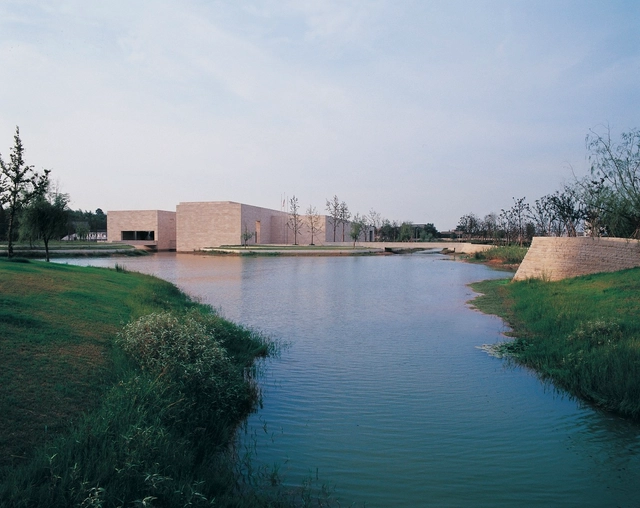
Urban development in China has been a contentious issue, represented by megacities and endless gated communities, remnants of the country’s large communal working and living units, the ‘danwei’. However, in recent years, the paradigm has been shifted largely by developers for more innovative living concepts, the practice of designing inclusive communities anchored by public and cultural buildings serving the wider community. One of the earliest experiments, Liangzhu New Town by Vanke is now a benchmark for creating diverse community.
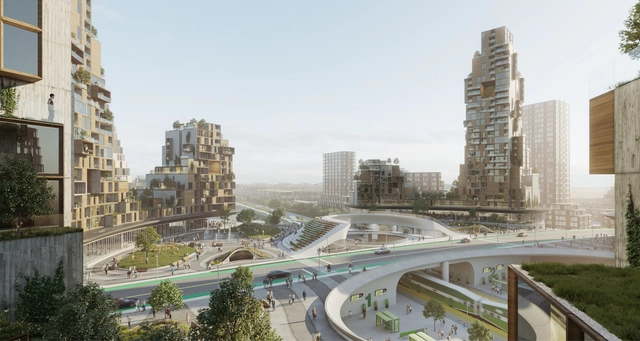
A new train station by Toronto-based architecture studio PARTISANS has been approved for The Orbit, Canada's city of the future project. Designed to be a new central neighborhood for the Canadian town of Innisfil, the station was made in response to the potential arrival of high-speed mass transit that connects to downtown Toronto. The Transit Hub aims for rapid and responsible growth, fostering sustainable development and preserving the core attributes of Innisfil's landscape and community.
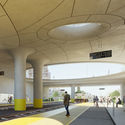
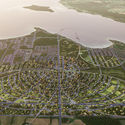
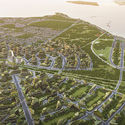
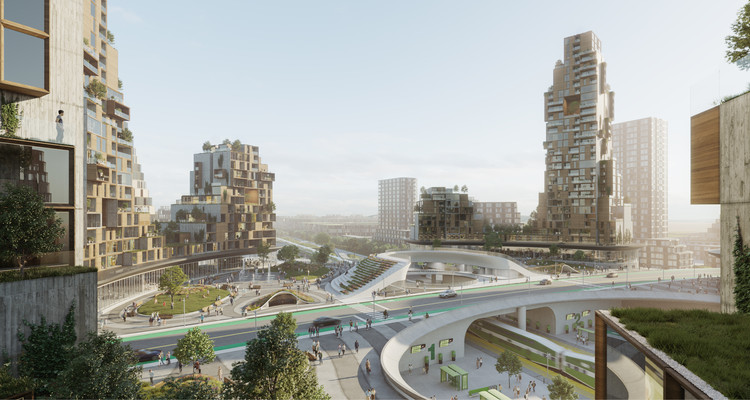
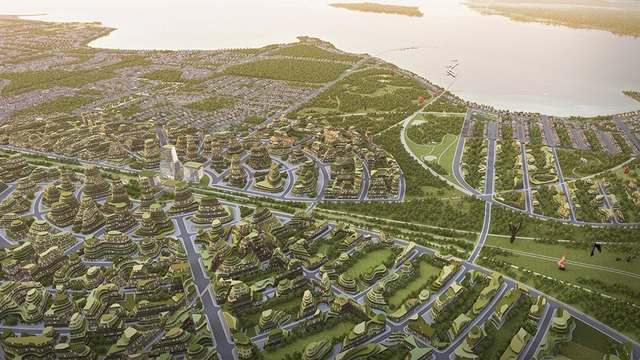
The Orbit illustrates Partisans’ vision for a cutting-edge community where small town and rural lifestyles are enhanced by the benefits and attributes of urban living. The award-winning Toronto-based architecture studio imagined a new urban fabric that inspires citizens.