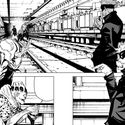
Image created using AI under the prompt: A sober and captivating visual representation of an urban environment that flawlessly captures the essence of anime and architecture. Image via DALL·E 2
World War II left a profound influence on the evolution of society, introducing significant changes in the fields of urban planning and architecture. During the 1930s, the Congrès Internationaux d'Architecture Moderne (CIAM) promoted modernism on an international scale. After the war, this architectural movement became firmly established as the dominant one, driven by the imperative of reconstruction and technological advancements. Influential figures like Le Corbusier and Alvar Aalto spearheaded this movement.
In 1959, the same year as the final CIAM meeting, Japanese architects like Kenzō Tange, Kishō Kurokawa —the designer of the Nakagin Capsule Tower—, and Kiyonori Kikutake began to explore new approaches to urban design and architecture, known as the Metabolist movement. This exploration was particularly significant in the context of Tokyo's rapid repopulation after the war and the scarcity of resources for reconstruction. Innovative concepts such as Marine City, The City in the Air, and the 1960 plan for Tokyo emerged, which proposed the city as a constantly evolving organism and emphasized the relationship between humans and their built environment. These ideas shaped the concept of "megacities" and reflected Japan's creative response to its challenging postwar situation.
https://www.archdaily.com/1007021/textures-skyscrapers-and-urban-landscapes-when-anime-meets-architectureEnrique Tovar
The spatial distribution of a restaurant or bar is essential to its success. Faced with this design challenge, several architects have experimented and proposed configurations that both enhance the use of space in different culinary experiences.
With this being said, take a look at 50 gastronomic establishments in plan and section to inspire your next design.
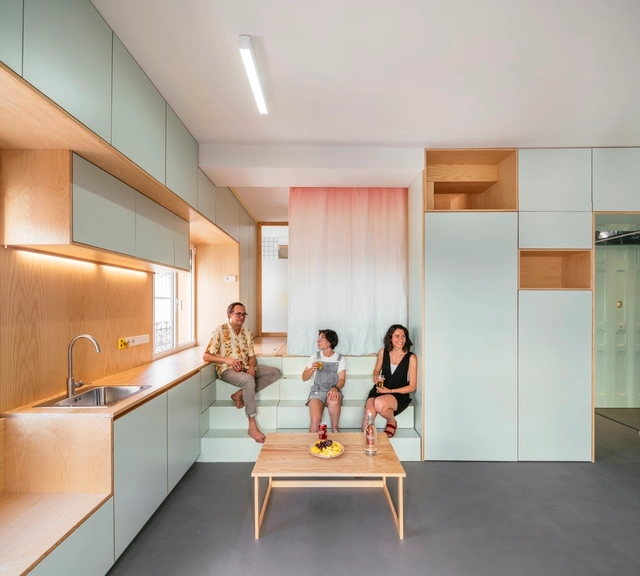
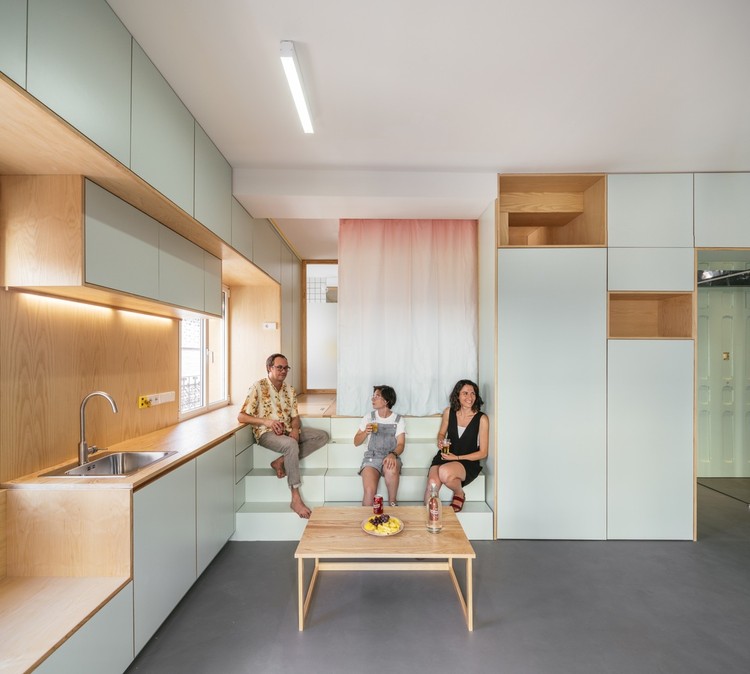
Designing the interior of an apartment when you have very little space to work with is certainly a challenge. We all know that a home should be as comfortable as possible for its inhabitants, but when we have only a few square meters to work with and the essential functions of the home to distribute, finding an efficient layout is not easy. Following our popular selection of houses under 100 square meters, we've gone one better: a selection of 30 floor plans between 20 and 50 square meters to inspire you in your own spatially-challenged designs.
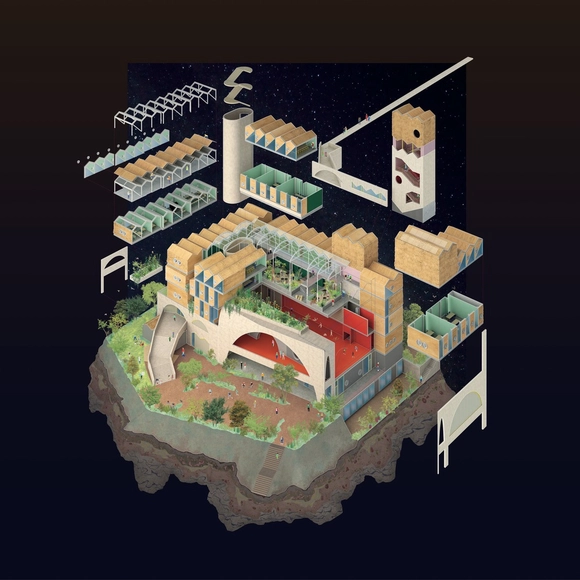
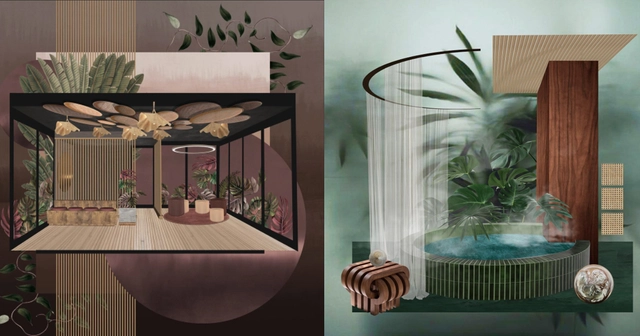
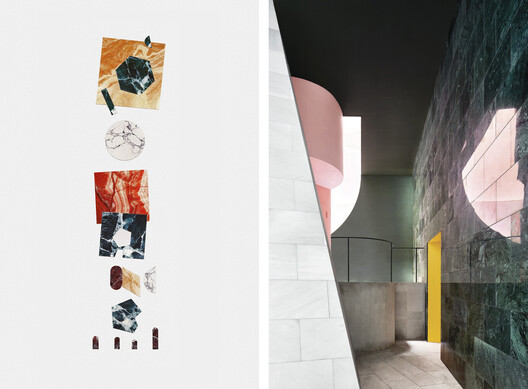
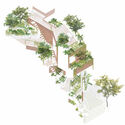
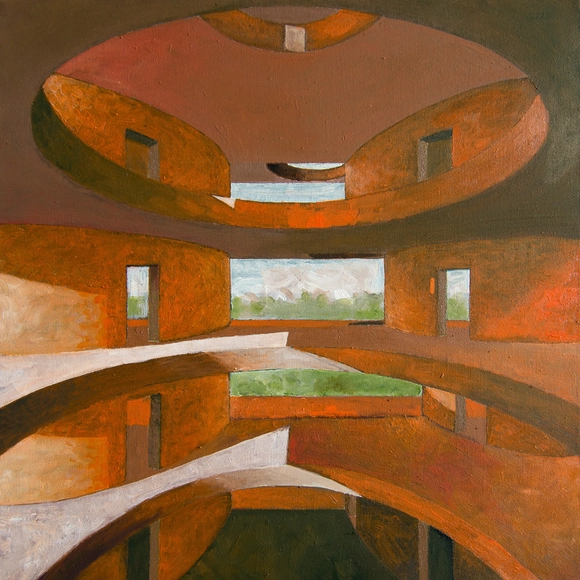
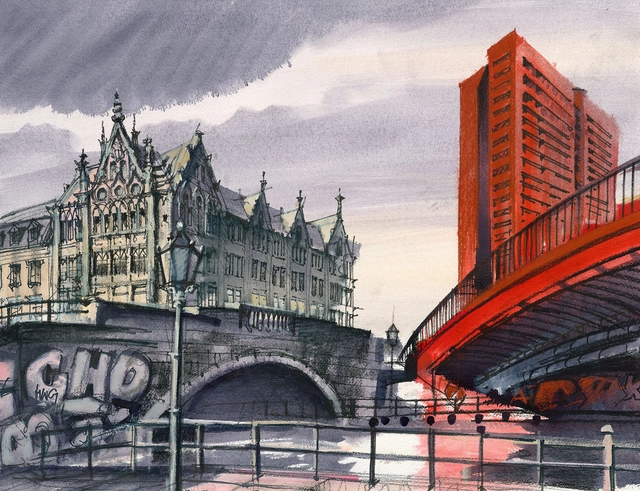
Every year, ArchDaily honors the best architectural drawings of the year in an annual tradition that has now been going on for eight years. The 2022 edition is particularly special, as it showcases a wide range of techniques and representations in the field of architecture. From traditional painting to digital collages and axonometric drawings, this year's selection truly has something for everyone.
‘One House Per Day no.001-365’ collects the first 365 drawings from Andrew Bruno’s project One House Per Day, along with a foreword by Keith Krumwiede and essay contributions by Malcolm Rio, Alessandro Orsini & Nick Roseboro, and Clark Thenhaus. The drawings are high quality 1:1 reproductions of the originals, and the 7.5” trim size matches the size of the sketchbooks that the originals were drawn in. The drawings are each given a full page, with a subsequent section including a brief description of each drawing. While the drawings themselves are mute, and their descriptions relatively deadpan, the essays contemplate the place of the detached house in American culture from social, political, and economic perspectives. The book is 392 pages long and is softbound in gray recycled paper. The front cover features 365 debossed circles to represent the 365 houses; these give the book a unique tactile quality.
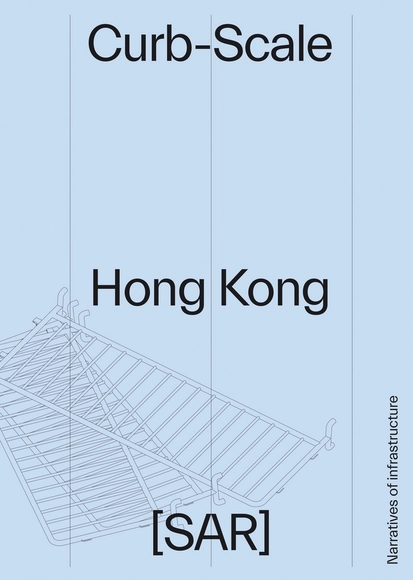
Curb-scale Hong Kong is about the infrastructural objects that constitute the street in Hong Kong. Through drawing and text, the book renders these objects visible and argues for their relevance as storytellers and civic protagonists. The book opens an alternative imagination of infrastructure and asserts the importance of the ground to Hong Kong’s urban realm.
In recent years hair salons and barbershops have begun to incorporate different activities - a programmatic hybridization almost necessary in today's service economy.
Several architects have been commissioned to propose alternatives to the standard beauty salon/barbershop to not only address an efficient configuration but stunning interior aesthetics.
Take a look at 10 barbershops and beauty salons with their plan and section.
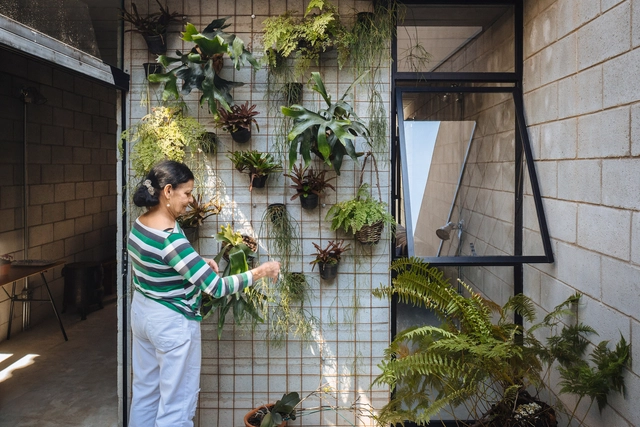
Earlier this year, I witnessed an intriguing situation. I followed, via an architect friend, the negotiation for the contracting of an architectural project for a single family home. The land owner, a public school teacher, sought professional help to build her dream home, estimated at about 60 square meters. It was a challenging terrain, with specific cutouts and a very steep topography that was compensated by the view of the city. The limited budget and the owner's history indicated that this would be the seaside version of the famous Vila Matilde House by Terra e Tuma.
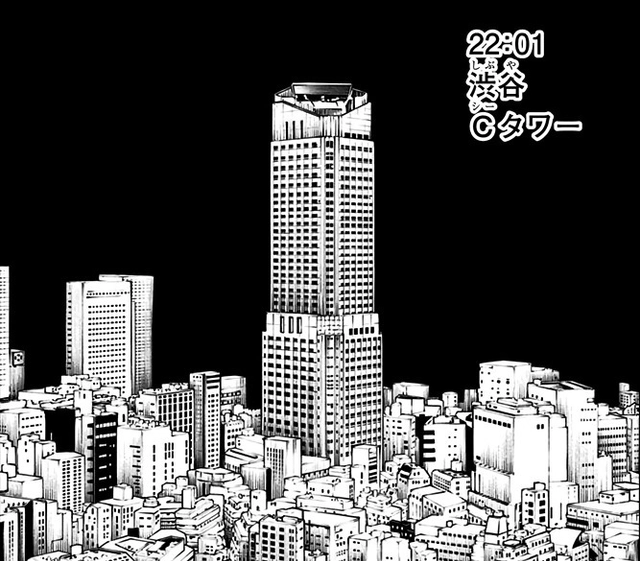
Manga is an umbrella term for a wide variety of comic books and graphic novels originally produced and published in Japan, and unlike western comic books that we may be more familiar with seeing printed in full color, are primarily published in black and white. Manga is the Japanese word for comics published in Japan, with the word itself comprising of two kanji characters: man (漫) meaning 'whimsical' and ga (画) meaning 'pictures'.
Not to be confused with the popular Japanese medium of anime, manga is print media whilst anime stands as visual media that is either hand-drawn or computer-produced, combining graphic art, characterization, cinematography, and other forms of creative and individualistic techniques. It is most notable that a lot of anime is developed as a result of a successful franchise that began as mere manga novels, but what continually unites the medium of manga and anime is the use of diverse art styles throughout various narratives that have been constructed for us consumers to follow.
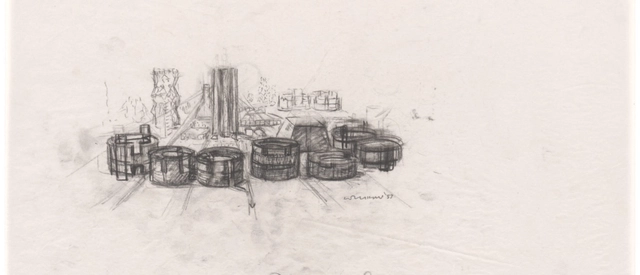
If today technologies are emerging for different forms of representation and interaction with drawing, understanding how architects communicate through hand-drawn strokes can be essential to delve into the topic of architectural visualization. Through the simplicity of gestures, small texts or a collage of references, it is possible to translate ideas in an innovative way, unlike the ways that a render can present. For this reason, we highlight here the work of great names such as Lina Bo Bardi, Renzo Piano, Pezo von Ellrichshausen and Mikkel Frost, who, using different techniques, reveal different ways of representing a project.
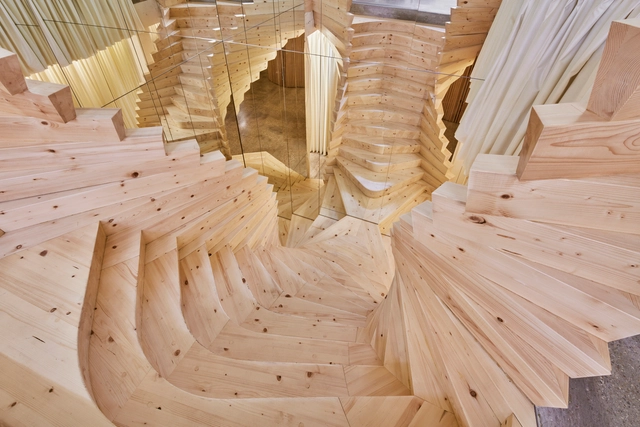
Stairs in architecture are oftentimes a design focal point- the heavyhandedness in creating something that moves us from one level to the next, up and down repeatedly, something so simple and familiar with a twist is what makes the experience of traversing a stair so unique. Our obsession with stairs and the level of illusion that they create in architecture perhaps stems from the way that they’re able to twist the optics and perceptions of space. We understand that they transport us in one direction or another, but can stairs ever be circular? Is it possible to go up and down for eternity?
Courtesy of Juan Barrios Duarte (Labrantía Estudio)
With an increasing amount of architectural visualizations being published on social media, it’s easy to get overwhelmed. Adding this to how the famous algorithm works, we end up always being exposed to social media publications that are, in many ways, similar to each other. But for us as architects, designers, and students, social media is not only a platform for networking and sharing our works. It also serves as a source of inspiration. If the algorithm isn’t helping us to discover new and different ideas, then it’s up to us to go out of our way and look for them.
Graphics, even before language and writing, were the first means of communication and significance for humanity. Drawing is the act of replacing reality with representation, that is, replacing objects with images encoded in each of the graphic representation systems.
In architecture, graphics stimulate the imagination and are the basis of project thinking since they do not only constitute our code of communication but configure our ability to express ourselves in disciplinary terms. In fact, at first, the drawing is constructed in the mind of the architect, before it looks for support from any type of instrument.
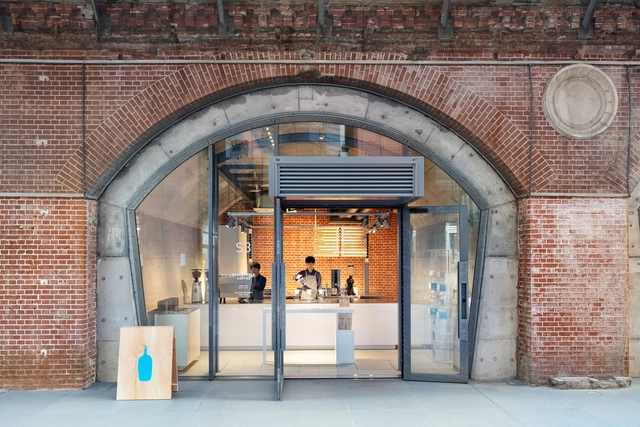
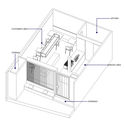
The interior design of a coffee shop can make-or-break an establishment. With an inviting design, you can transform drinking a simple cup of coffee into a wonderful experience. However, when you only have a few square meters and various machines and properties to distribute, finding an efficient configuration is not easy.
https://www.archdaily.com/896529/small-cafe-designs-20-aspirational-examples-in-plan-and-sectionClara Ott
Market Street East (1960-62), Philadelphia Civic Center (1956-57).. Image Courtesy of Lars Muller Books, The Architectural Archives at the University of Pennsylvania, Sue Ann Kahn, and the Museum of Modern Art.
In an age of ebooks and web-first publishing, Louis Kahn: The Importance of a Drawing (Lars Müller Publishers) is a defiant throwback: a lavish, 500-plus-page book, very much an object befitting its subject, whose buildings had a weight, both literal and figurative, that was part of their power and appeal. Conceived and edited by Michael Merrill, the book is both a deep examination of Kahn’s creative process, as told through the medium of the hand drawing, as well as a revealing portrait of the man behind those buildings and illustrations. Merrill is an architect and educator and currently serves as director of research at the Institute for Building Typology at the Karlsruhe Institute of Technology in Germany. He’s also the author of two previous books on the master architect, Louis Kahn: Drawing to Find Out and Louis Kahn: On the Thoughtful Making of Spaces.
ArchDaily continues a seven-year-long tradition of celebrating the best architecture drawings of the year. From painting to collages to blueprints, the 2021 edition highlights a carefully-curated collection of architectural drawings and visualizations with a wide variety of techniques and representations.
https://www.archdaily.com/973582/the-best-architectural-drawings-of-2021ArchDaily Team
Sergei Tchoban (b. 1962, Saint Petersburg, Russia) graduated from the Repin Institute for Painting, Sculpture and Architecture at the Russian Academy of Arts in Saint Petersburg in 1986. He started his practicing career in Russia but left for Germany in 1991, becoming a managing partner of nps tchoban voss in Berlin in 1995. Since 2006, he also heads SPEECH, one of the leading architectural offices in Moscow. Apart from building his successful career of a practicing architect, he is a collector of architectural drawings, publisher, and museum owner.
In its new exhibition Peter Cook: City Landscapes, Louisiana Museum of Modern Art showcases drawings by the influential architect, best known for his architectural theories and visionary concepts. Curated by Kjeld Kjeldsen and Mette Marie Kallehauge, the event is part of the exhibition series Louisiana on Paper, which presented the work of various artists over the years and is now debuting its first show featuring drawings by an architect.