

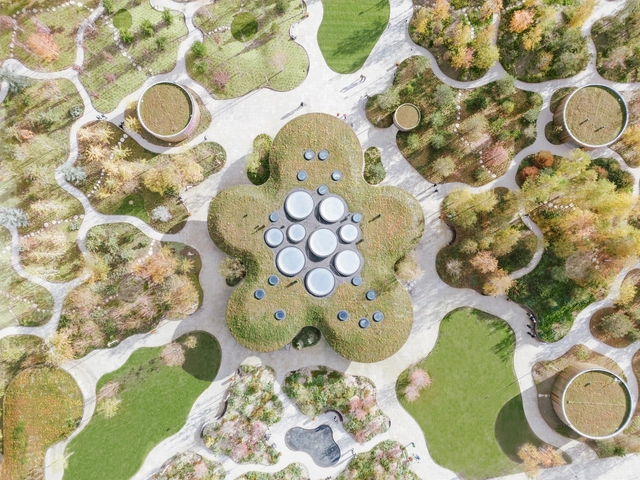
Copenhagen: The Latest Architecture and News




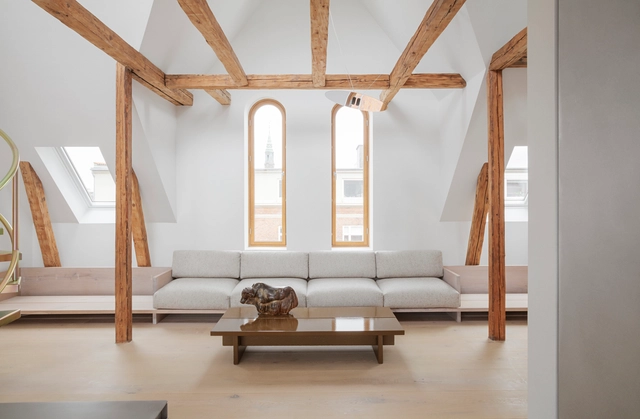
Vester Voldgade Apartment / Studio David Thulstrup


-
Interior Designers: Studio David Thulstrup
- Area: 150 m²
- Year: 2020
-
Professionals: ONE A, Copenhagen Interior Design
https://www.archdaily.com/957562/vester-voldgade-apartment-studio-david-thulstrupPilar Caballero
Architecture Philanthropy re:arc institute Announces the 2023–24 Grants, Practice Lab Collaborators, and Initiatives

Copenhagen-based philanthropic association re:arc institute has announced the cohort of nonprofit organizations, people, and practices they will support throughout 2024. The organization founded in 2022 works at the intersection of climate action and architectural philanthropy, aiming to support the development of solutions that address the root causes and consequences of climate change.
The architectural field often adheres to conventional industry models, either client-based or competition-based, which can perpetuate problematic or extractive motivations. The re:arc institute hopes to rethink the architecture discipline’s potential for addressing social and environmental concerns by providing a blueprint for pioneering philanthropic projects. To do so, they provide funding to nonprofits, individuals, and community-led projects exploring innovative approaches that prioritize planetary well-being. Their focus is on hyper-local, grassroots initiatives that address climate crises with a strong emphasis on the unique needs of specific places and communities.





https://www.archdaily.com/1009147/architecture-philanthropy-re-arc-institute-announces-the-2023-24-grants-practice-lab-collaborators-and-initiativesMaria-Cristina Florian
How NYC Plans to Deal With Rainstorms: Global Precedents

In September of this year, New York City experienced a severe storm that inundated its streets with more than 7 inches of rain in less than 24 hours, causing a number of roads to close, cars to submerge, and buses to get trapped. This event again highlighted the city's old infrastructure's inability to handle fast and heavy rainfall. As climate change intensifies, experts warn that such extreme weather events will become increasingly frequent. This vulnerability is especially concerning in densely populated urban areas such as New York City, where flooding risks increase due to the large amounts of impervious surfaces.





https://www.archdaily.com/1008604/how-nyc-plans-to-deal-with-rainstorms-global-precedentsCarla Bonilla Huaroc
An Architect’s Guide to Copenhagen: Marie-Louise Høstbo’s and a Timeless City for Design, Art and Architecture
| Sponsored Content
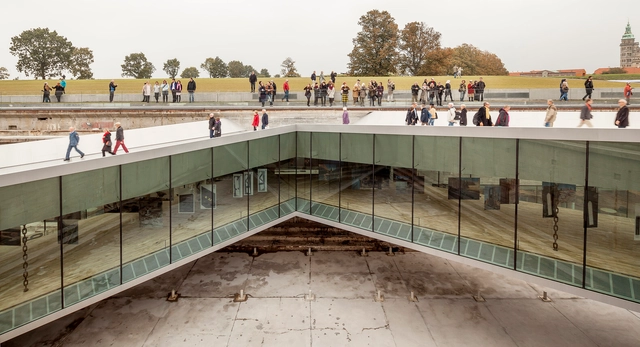
This year, the torch of the World Capital of Architecture passed from Rio de Janeiro to Copenhagen. For Audrey Azoulay, Director-General of UNESCO, “Copenhagen will build upon Rio’s achievements, by continuing to show the way in which architecture and culture can respond to the challenges of our time, especially in the environmental field.”
Through the perspectives of various Danish architects, such as Marie-Louise Høstbo, Head of Design at Fritz Hansen, we venture into the unique character of North Copenhagen. Exploring some of her favorite locations –all of which exemplify the city’s culture and sustainable approach– we analyze how Copenhagen upholds a strong legacy and how architecture and urban development play an essential role in shaping its urban identity, while promoting sustainability and liveability. From the serene coastal escape at Bellevue to the reimagined dry dock echoing the city’s maritime history, Høstbo showcases how the World Capital of Architecture seamlessly integrates “design, art, and architecture from the past, present, and future.”
https://www.archdaily.com/1007398/an-architects-guide-to-copenhagen-marie-louise-hostbos-and-a-timeless-city-for-design-art-and-architectureCamila Prieto
An Architect’s Guide to Copenhagen: Sofie Lund Michaelsen’s City to “Expand your Mind”
| Sponsored Content
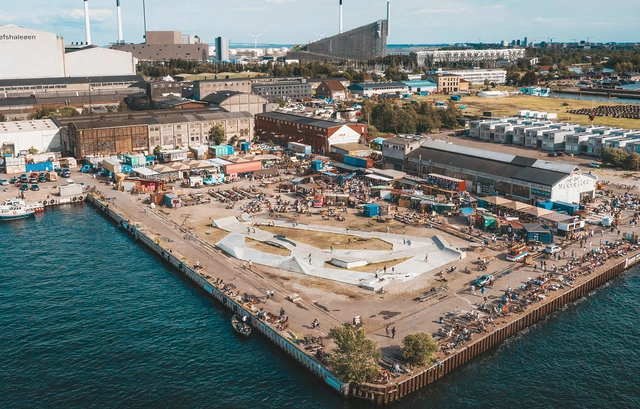
What will cities of the future look like? Or rather, what should cities of the future look like? The classic sci-fi, Star Trek-inspired movies many of us grew up watching painted a picture of flying cars, grotesque steel skyscrapers and urban fabrics far too vast and dense for the human scale. It’s safe to say, however, that the ideal for today’s and tomorrow’s cities has taken a 180-degree turn. New, modern urbanism promotes diverse, mixed-use cities with walkable blocks, sustainable transport and accessible public spaces. Copenhagen, with its pedestrian- and bicycle-friendly streets, idyllic water canals, iconic buildings and overall happy residents, ticks many of those boxes. No wonder the Danish capital has been designated as UNESCO’s World Capital of Architecture for 2023; another testament to the city’s position as a laboratory for innovative contemporary architecture and human-centered urban planning.
https://www.archdaily.com/1007178/an-architects-guide-to-copenhagen-sofie-lund-michaelsens-city-to-expand-your-mindValeria Montjoy
An Architect’s Guide to Copenhagen: Dan Stubbergaard and the “Bustling City Designed for Living”
| Sponsored Content
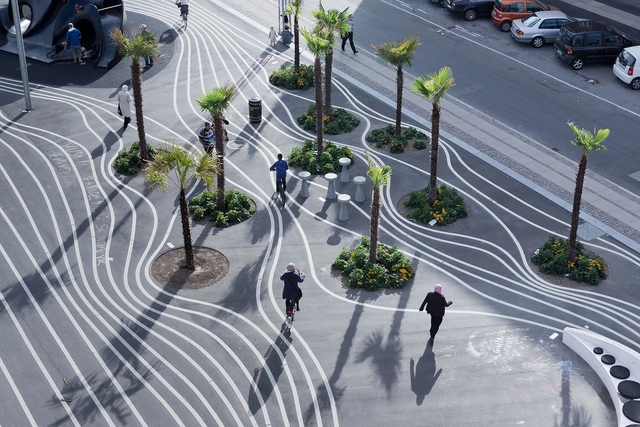
Copenhagen is a living testament to its architectural legacy, innovative urban development, and commitment to sustainability and liveability. The city inspires the whole world with its quality of urban life, made up of efficient and intelligent mobility systems, along with vibrant and interesting public and private spaces. It is in this context that the city has been awarded the title of World Capital of Architecture by UNESCO for 2023, and hosted the World Congress of the International Union of Architects. These milestones represent unique opportunities to highlight the crucial role of architecture and urban planning in building a sustainable future, establishing the city as a prominent international forum for discussing crucial issues related to the urban environment and the ongoing search for innovative solutions.
Visit Copenhagen has developed a series of four videos to explore the city's architectural wonders, guided by local architects. In the first one, which you can watch below, Danish architect Dan Stubbergaard –founder of Cobe– takes us on a captivating tour of Copenhagen, sharing his insights into what makes the city truly exceptional for its inhabitants.
https://www.archdaily.com/1006126/an-architects-guide-to-copenhagen-dan-stubbergaard-and-the-bustling-city-designed-for-livingEduardo Souza
The Research and Design Laboratory SPACE10 to Close Permanently After 10 Years Of Work
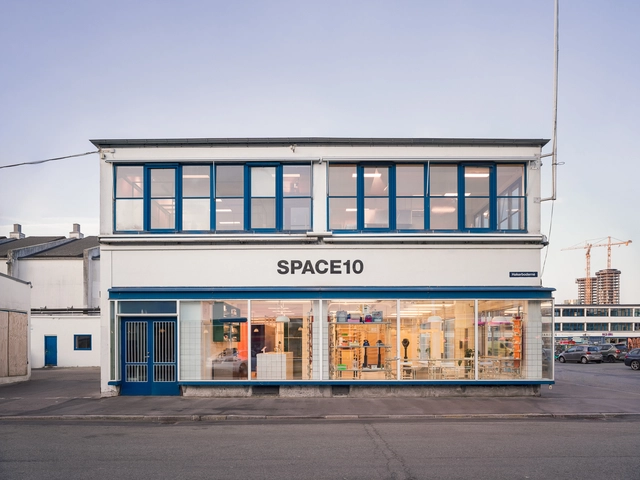
Ten years ago, SPACE10 was born as a pioneering platform ushering in a novel approach to corporate innovation, consolidating itself for its ability to be open, democratic, driven by a playful purpose, and community-oriented. Composed of a small core team of around 23 people based in Copenhagen, their efforts have focused on combining the power of creativity, science, and technology to find solutions that address the accelerated climate crisis and social injustices.
https://www.archdaily.com/1006078/the-research-and-design-laboratory-space10-to-close-permanently-after-10-years-of-workMónica Arellano
"So We Can Be Here in 100 Years": In Conversation with Josephine Michau, Curator of Danish Pavilion at the 2023 Venice Biennale
This year’s Danish Pavilion at The 18th International Architecture Exhibition – La Biennale di Venezia, was curated by Josephine Michau. Titled “Coastal Imaginaries,” the exhibition addresses solutions to alleviate global challenges such as rising sea levels and storm floods. Onsite in Venice, ArchDaily had the chance to speak with the curator Josephine Michau, where she discussed the thought process behind the pavilion, the collaborations, and her hopes of starting meaningful dialogue as a result of the exhibition.


https://www.archdaily.com/1005908/so-we-can-be-here-in-100-years-in-conversation-with-josephine-michau-curator-of-danish-pavilion-at-the-2023-venice-biennaleNour Fakharany
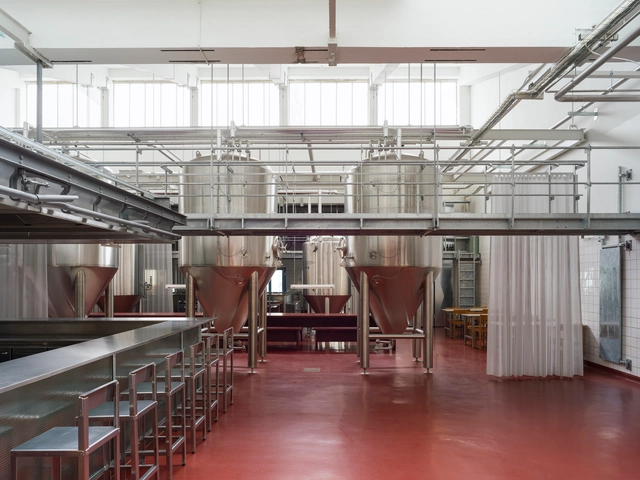
ÅBEN Brewery / pihlmann architects





-
Architects: pihlmann architects
- Area: 950 m²
- Year: 2022
-
Professionals: Gjerulff & Lassen, Hjorth Rådgivende Ingeniører
https://www.archdaily.com/1005549/aben-brewery-pihlmann-architectsPaula Pintos
"Architecture as a Framework for the Life That We Want to Live": Bjarke Ingels Explains Hedonistic Sustainability and the New Bauhaus
During the opening keynote at the UIA 2023 World Congress of Architects, Bjarke Ingels, the lead and founder of BIG, shared insights into pressing global challenges along with the office’s distinctive approach to addressing them. After the conference, ArchDaily had the chance to sit down with Bjarke Ingels to further expand on these topics. The discussion touched on a number of subjects, including BIG’s approach to design, based on their principle of “Hedonistic Sustainability,” the meaning and opportunities behind this change in mentality, the inter-applicability of technological innovations across different fields and even across planets, and the need to develop a New European Bauhaus as a response to the emerging environmental necessities.


https://www.archdaily.com/1004541/architecture-as-a-framework-for-the-life-that-we-want-to-live-bjarke-ingels-explains-hedonistic-sustainability-and-the-new-bauhausMaria-Cristina Florian
Cities For People: In Conversation with Jan Gehl at the UIA World Congress of Architects 2023
The UIA World Congress of Architecture 2023 is an international invitation for architects worldwide to explore the future of the built environment. The event this year that brought together 6,000 participants worldwide, focusing on “Sustainable Futures – Leave No One Behind”, was set on discovering how architecture influences the 17 UN Sustainable Development Goals (SDGs), ranging from Climate Adaptation, Rethinking Resources, Health, Inclusivity, and more. While visiting this year’s edition in Copenhagen, the ArchDaily team had the chance to sit down with Jan Gehl, the father of people-centered design. The discussion revolved around 50 years after the launch of his world-renowned book, Cities for People, the first publication to reflect on how to properly develop cities on the human scale. Moreover, the interview followed his keynote speech at the UIA 2023, “Cities for People – 50 Years Later."



https://www.archdaily.com/1004324/cities-for-people-in-conversation-with-jan-gehl-at-the-uia-world-congress-of-architects-2023Nour Fakharany
GXN and MEE Studio’s Pavilions in Copenhagen Explore Circularity and Regeneration for the 2023 UIA Congress of Architects
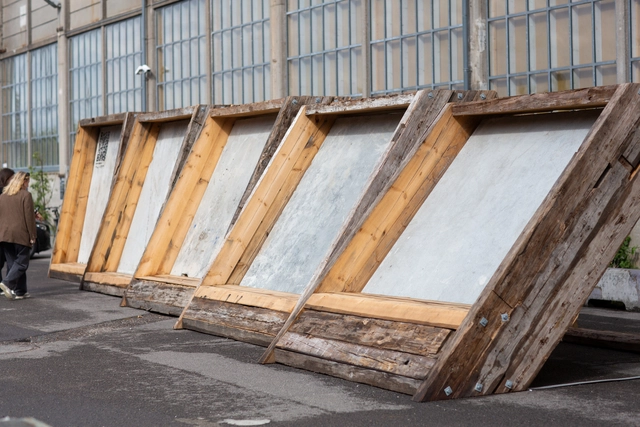
Developed by GXN for the 2023 UIA World Congress of Architects in Copenhagen, The (P)RECAST Pavilion explores the possibility of reusing precast concrete elements from existing buildings to promote circularity and reduced carbon emissions in the construction industry. The pavilion showcases salvaged concrete elements alongside 200-year-old timber beams, highlighting their aesthetic and structural value. Following the same motivation but through a different approach, MEE Studio has developed The Regenerative Cabin. Located in Copenhagen, the structure explores the applied use of regenerative biogenic materials to reduce the carbon emissions associated with the building materials.


https://www.archdaily.com/1004191/gxn-and-mee-studios-pavilions-in-copenhagen-explore-circularity-and-regeneration-for-the-2023-uia-congress-of-architectsMaria-Cristina Florian
10 "Copenhagen Lessons" From the UIA World Congress of Architects 2023
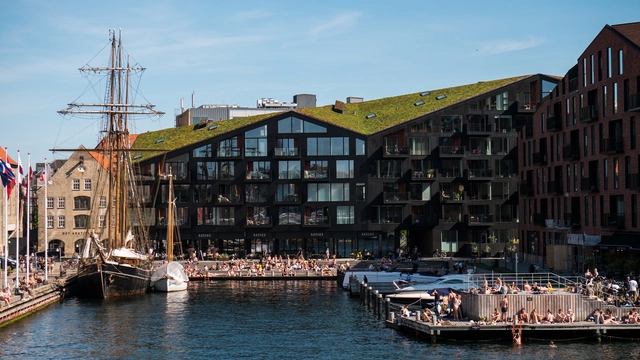
Over the course of five days this week, Copenhagen hosted the largest gathering in the realm of sustainable architecture, bringing together over 6,000 participants from 135 nations. The UIA World Congress of Architects 2023 focused on the theme "Sustainable Futures – Leave No One Behind." This event served as a forum for distinguished researchers and professionals of various backgrounds and ages to delve into methods of creating buildings that address climate change, bolster biodiversity, and foster social inclusivity. As the congress drew to a close, "The Copenhagen Lessons" were unveiled, comprising ten principles intended to facilitate swift and transformative progress in the field of sustainable construction.



https://www.archdaily.com/1003865/10-copenhagen-lessons-from-the-uia-world-congress-of-architects-2023Nour Fakharany
Design for Inclusivity at the UIA World Congress of Architects 2023
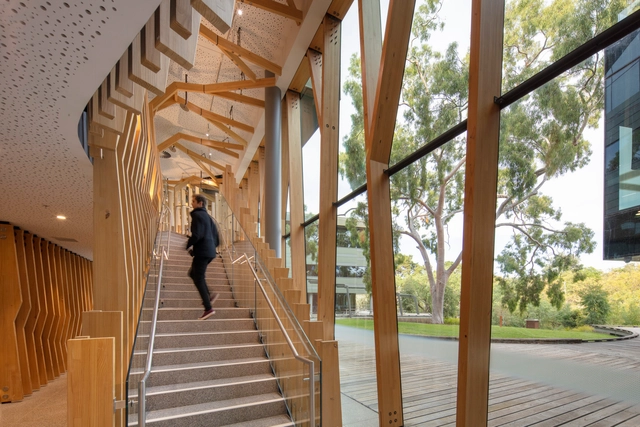
The UIA World Congress of Architects 2023 is an invitation for architects from around the world to meet in Copenhagen July 2 – 6 to explore and communicate how architecture influences all 17 UN Sustainable Development Goals (SDGs). For more than two years, the Science Track and its international Scientific Committee have been analyzing the various ways in which architecture responds to the SDGs. The work has resulted in the formulation of six science panels: design for Climate Adaptation, design for Rethinking Resources, design for Resilient Communities, design for Health, design for Inclusivity, and design for Partnerships for Change. An international call for papers was sent out in 2022 and 296 of more than 750 submissions from 77 countries have been invited to present at the UIA World Congress of Architects 2023 in Copenhagen. ArchDaily is collaborating with the UIA to share articles pertaining to the six themes to prepare for the opening of the Congress.
In this fifth feature, we met with co-chairs of design for Inclusivity architect Magda Mostafa, Professor of Design, Department of Architecture, the American University in Cairo and architect Ruth Baumeister, Associate Professor of Theory and History, Aarhus School of Architecture.


https://www.archdaily.com/1003070/design-for-inclusivity-at-the-uia-world-congress-of-architects-2023Pernille Maria Bärnheim
Beyond 2023 UIA World Congress of Architects: 9 Events to Explore in July in Copenhagen
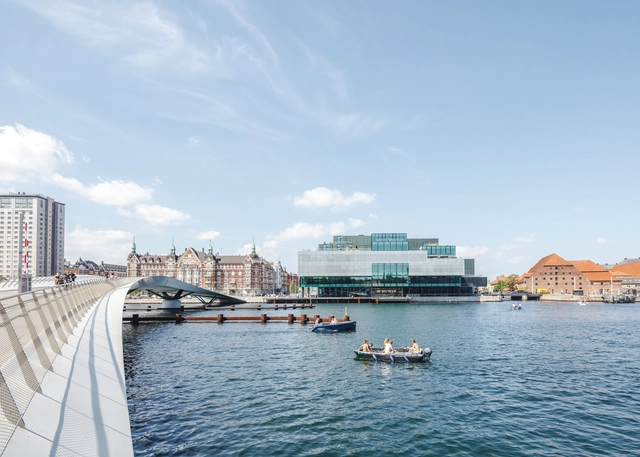
This year, the UIA World Congress of Architects gathers professionals from the construction industry to the Danish Capital to discuss and promote more sustainable ways of practicing architecture. This edition of the congress, happening between July 2nd and 6th, is centered around the UN 17 Sustainable Development Goals, highlighted by the overarching theme “Sustainable Futures – Leave no one Behind.” The world’s largest architecture congress offers a vast program of keynote dialogues, new findings presented on the science track, Next Gen sessions, workshops, exhibitions of new materials, and political talks. The packed schedule also includes the Obel Award Talks on the theme “Wellbeing Through Architecture”, Velux Daylight Talks, and Realdania Talks.


https://www.archdaily.com/1003134/beyond-2023-uia-world-congress-of-architects-9-events-to-explore-in-july-in-copenhagenMaria-Cristina Florian
World's Most Liveable Cities in 2023: Discover the Cities Offering the Highest Quality of Life
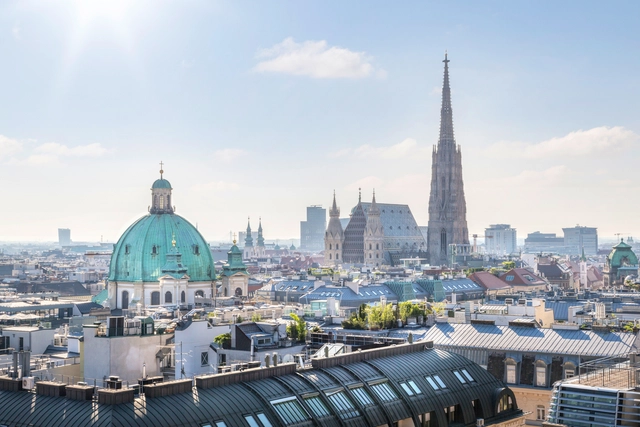
For the second consecutive year, Vienna is the world’s most liveable city according to The Economist Intelligence Unit (EIU) 2023 Global Liveability Index. Topping the ranking for the fourth time in five years, Vienna has excelled in stability, culture and entertainment, and reliable infrastructure. Copenhagen in Denmark maintained its second position while Melbourne and Sydney came in third and fourth position, rising to the top 5 where they previously had a consistent presence among the leading positions, before the pandemic.
Under the titles of Optimism and Instability, this year’s global index score has returned to pre-Covid-19 days, highlighting that the world has fully recovered from the pandemic. Ranking living conditions in 173 cities based on stability, health care, culture and environment, education, and infrastructure, the survey suggests that nowadays, “life in cities is a bit better than at any time in the past 15 years”, although Stability scores dropped on average in 2023, due to worldwide clashes, political disruptions, social protests, inflation, and wars.


https://www.archdaily.com/1003040/worlds-most-liveable-cities-in-2023-discover-the-cities-offering-the-highest-quality-of-lifeChristele Harrouk
"Building Simply" with Søren Pihlmann: Exploring the Values and Fascinations of Architecture
Pihlmann Architects is a young Copenhagen-based architectural run by Søren Pihlmann. In this interview with Louisiana Channel, the rising architect elaborates on his unique practice, the values he holds, and what he finds fascinating about architecture. Most notably, Pihlmann explains that his view on the practice has transformed from being an architect into becoming a type of curator, selecting very few things with great sensitivity.



https://www.archdaily.com/1002824/building-simply-with-soren-pihlmann-exploring-the-values-and-fascinations-of-architectureNour Fakharany