Berlin: The Latest Architecture and News
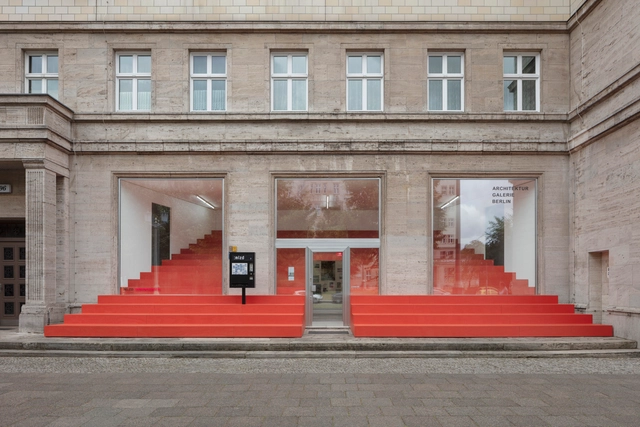
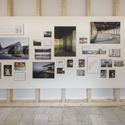
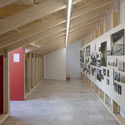
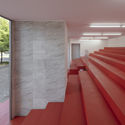
insideoutside Installation / :mlzd

https://www.archdaily.com/930775/insideoutside-installation-mlzdPaula Pintos
WAVE Residential Complex / GRAFT
BTTR_GmbH_highres-4.jpg?1573242618&format=webp&width=640&height=580)
BTTR_GmbH_highres-6.jpg?1573242562 "© BTTR GmbH")
BTTR_GmbH_highres-12.jpg?1573242208 "© BTTR GmbH")
BTTR_GmbH_highres-13.jpg?1573242157 "© BTTR GmbH")
BTTR_GmbH_highres-5.jpg?1573242588 "© BTTR GmbH")
BTTR_GmbH_highres-4.jpg?1573242618)
-
Architects: GRAFT
- Area: 16000 m²
- Year: 2019
-
Professionals: niermann-consult, Behrendt Ingenieure GmbH, Bartels Vermessung, GUD. Ingenieure, ISRW, +6
https://www.archdaily.com/928063/wave-residential-complex-graftPaula Pintos
Greifswalder Office Building / Tchoban Voss Architekten


-
Architects: Tchoban Voss Architekten
- Area: 2100 m²
- Year: 2019
https://www.archdaily.com/927775/greifswalder-office-building-tchoban-voss-architektenMaría Francisca González
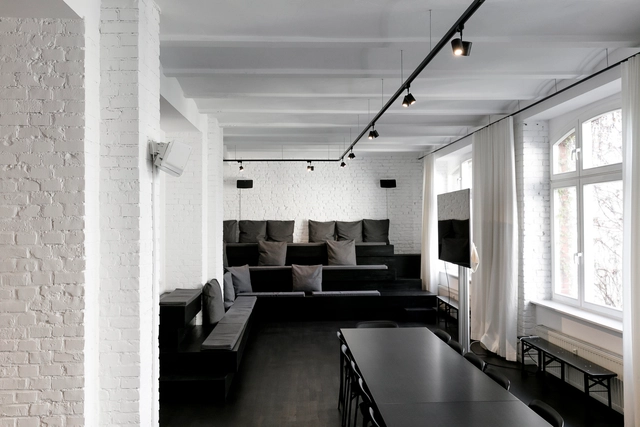
Cherry Ventures Office Renovation / Allen Kaufmann Architekten


-
Architects: Allen Kaufmann Architekten
- Area: 600 m²
- Year: 2019
https://www.archdaily.com/925943/cherry-ventures-office-renovation-allen-kaufmannAndreas Luco
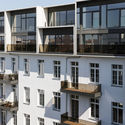
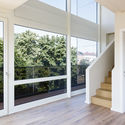
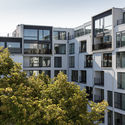
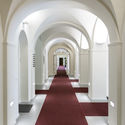
Paragon Apartments / GRAFT


-
Architects: GRAFT
- Area: 25100 m²
- Year: 2016
-
Manufacturers: Schöck
-
Professionals: Buro Happold, hhpberlin, Licht Kunst Licht, Planungsbüro Haan
https://www.archdaily.com/927167/paragon-apartments-graftAndreas Luco
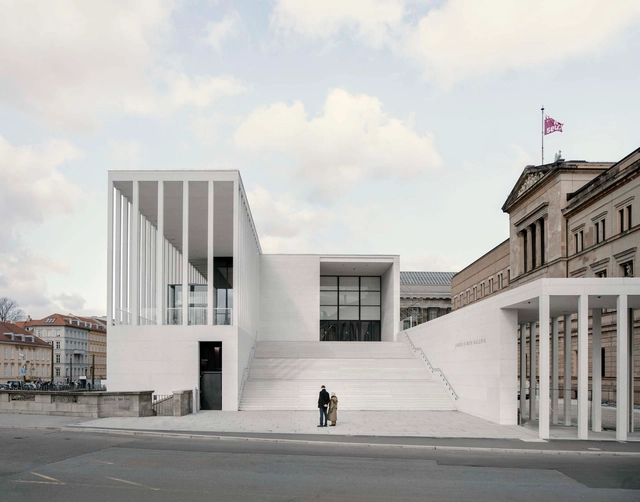
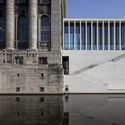
James-Simon-Galerie / David Chipperfield Architects



-
Architects: David Chipperfield Architects
- Area: 10900 m²
- Year: 2018
-
Manufacturers: Schöck, Kiefer
-
Professionals: Arge Brandschutz NEG, Conceptlicht, Traunreut, Duncan McCauley GmbH und Co. KG, IGB Ingenieurgruppe Bauen, +7
https://www.archdaily.com/926033/james-simon-galerie-david-chipperfield-architectsCollin Chen
gmp Wins Competition to Restructure Berlin's “Ship of Books”
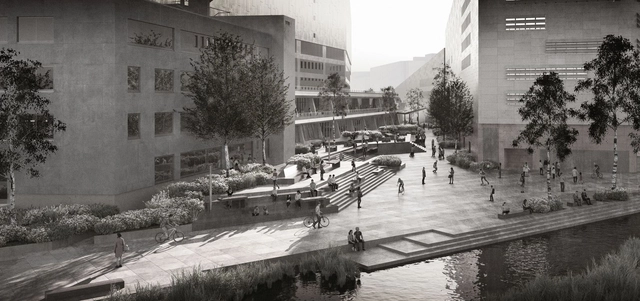
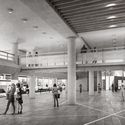
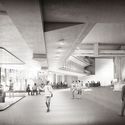
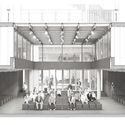
Architects von Gerkan, Marg and Partners (gmp) have been awarded first prize in the competition to modernize Hans Scharoun's Staatsbibliothek zu Berlin (Berlin State Library). Restructuring the library, their proposal for the golden “ship of books” was made to meet the demands of 21st century institutions while celebrating the existing building. The new project aims to showcase the history of Scharoun building and its development.

https://www.archdaily.com/925297/gmp-wins-competition-to-restructure-berlins-ship-of-booksEric Baldwin
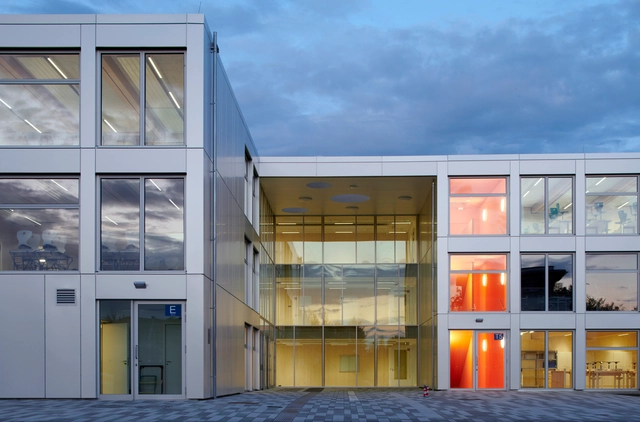
Integrated Secondary School Berlin-Mahlsdorf / NKBAK
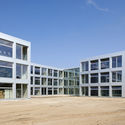
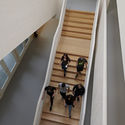
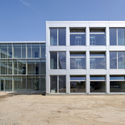

https://www.archdaily.com/924841/integrated-secondary-school-berlin-mahlsdorf-nkbakPilar Caballero
Call for Entries: International Urban Design Ideas Competition for Berlin-Brandenburg 2070
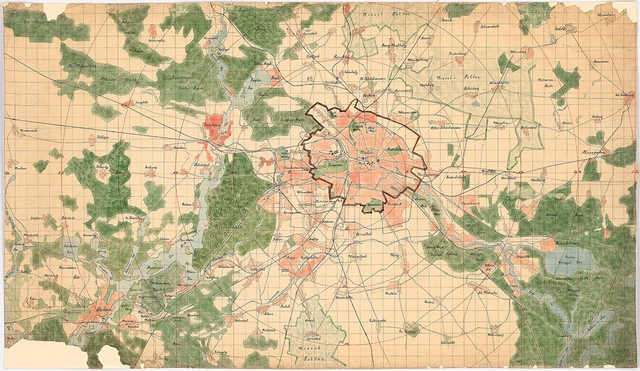
On the occasion of the 100 Years of (Greater) Berlin anniversary, Berlin 2020 gGmbH, an organization of the Architekten- und Ingenieur-Verein zu Berlin e.V. (AIV), is launching an open-call initiative for an international urban design ideas competition. Berlin-Brandenburg 2070 aims to spur a broad social debate on the future of the Berlin-Brandenburg region. The competition asks architects, urban planners and landscape architects to respond to the interdisciplinary challenges facing the region in the future. The competition is focused on urban development issues common to both the city of Berlin and the state of Brandenburg. So that the design proposals fully take into account the challenges associated with sustainable metropolitan growth, the design ideas competition seeks to promote cooperation between the various experts and their fields. The international jury comprises the following members: Brigitte Bundesen Svarre, B.V. Prof. Ir. J.M.J. Jo Coenen Beheer, Prof. Werner Durth, Prof. Hans Kollhoff, Prof. Arno Lederer, Prof. Cornelia Müller, Reiner Nagel, Prof. Dr. med. Oliver Schwedes, Prof. Miroslav Sik. The patron of the project is the Governing Mayor of Berlin, Michael Müller. The deadline to register for the competition is 27 September 2019.
https://www.archdaily.com/924566/call-for-entries-international-urban-design-ideas-competition-for-berlin-brandenburg-2070Rene Submissions
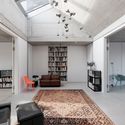
Frizz23 Building / Deadline





https://www.archdaily.com/910556/frizz23-building-deadlinePilar Caballero
Open, Two-phase International Urban Design Ideas Competition Berlin-Brandenburg 2070
Berlin as we know it – with its centres, residential quarters, and suburbs – marks its 100th anniversary in 2020. A reason to celebrate, but also a spur to think about the future development of the region. After years of stagnation, dynamism is returning to the Berlin-Brandenburg region: population growth, new flows of commuters and goods, new quarters and housing developments, a new rail map, a radically new airport arrangement, and a growing public transport system. Berlin is a metropolis, its integrated hinterland extending far beyond its administrative boundaries. What we need now is a broad public debate ranging from sustainable planning of growth across the region as a whole to the specific role of individual neighbourhoods within the growing metropolis. Both politicians and representatives of business and civil society have repeatedly called for such a debate, and with good reason.
https://www.archdaily.com/923676/open-two-phase-international-urban-design-ideas-competition-berlin-brandenburg-2070Rene Submissions
Unique Silhouettes of the Berlin Philharmonic Through the Lens of Bahaa Ghoussainy
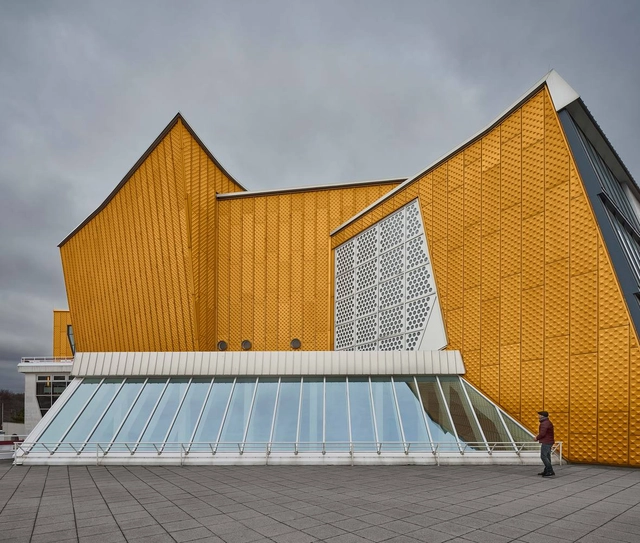
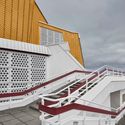
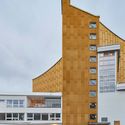
The Berlin Philharmonic by Hans Scharoun is one of the most prominent mid-20th century structures in the German city. The expressionist-style building with its bright-colored facade is the first of its kind by the German architect, as well as his most famous project to date. Scharoun’s design interprets rhythm and music as architecture, both conceptually and physically.
Architectural photographer Bahaa Ghoussainy unfolds Scharoun’s unique architecture by highlighting the concert hall’s dramatic angular geometry, vibrant yellow-hued facade, and play of lines and forms.


https://www.archdaily.com/923442/unique-silhouettes-of-the-berlin-philharmonic-through-the-lens-of-bahaa-ghoussainyDima Stouhi
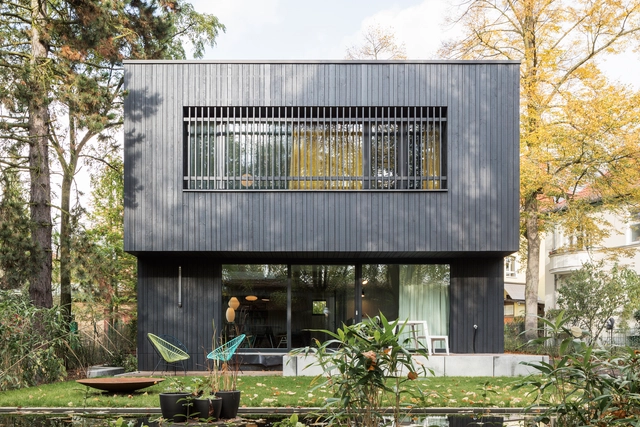
A28 House / Sehw Architektur


-
Architects: Sehw Architektur
- Area: 370 m²
- Year: 2017
-
Manufacturers: Geberit, Duravit, FSB Franz Schneider Brakel, Grohe, Clou, +1
https://www.archdaily.com/923060/a28-house-sehw-architekturMaría Francisca González
"Original Bauhaus" - The Centenary Exhibition

Marking the centenary of the Bauhaus’s founding, the Bauhaus-Archiv / Museum für Gestaltung’s exhibition at the Berlinische Galerie is presenting famous, familiar and forgotten Bauhaus originals and recounting the history behind the objects: Who is the woman sitting on the tubular-steel chair? Does the Haus am Horn have a secret twin? Why have the tea infusers which were created as prototypes for industrial production always remained one-of-a-kind pieces? The exhibition sheds light on how unique work and series, remake and original are inseparably linked in the history of the Bauhaus. Around 1,000 Bauhaus originals from the Bauhaus-Archiv’s collection will be on display, as well as exceptional loans from international collections and contemporary artistic positions.
https://www.archdaily.com/922112/original-bauhaus-the-centenary-exhibitionRene Submissions
David Chipperfield's New Museum Island Gallery Opens in Berlin
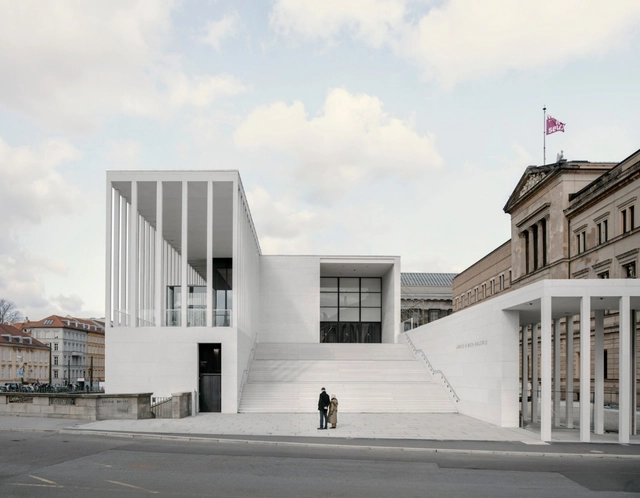
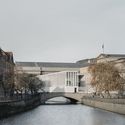
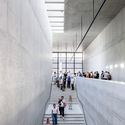
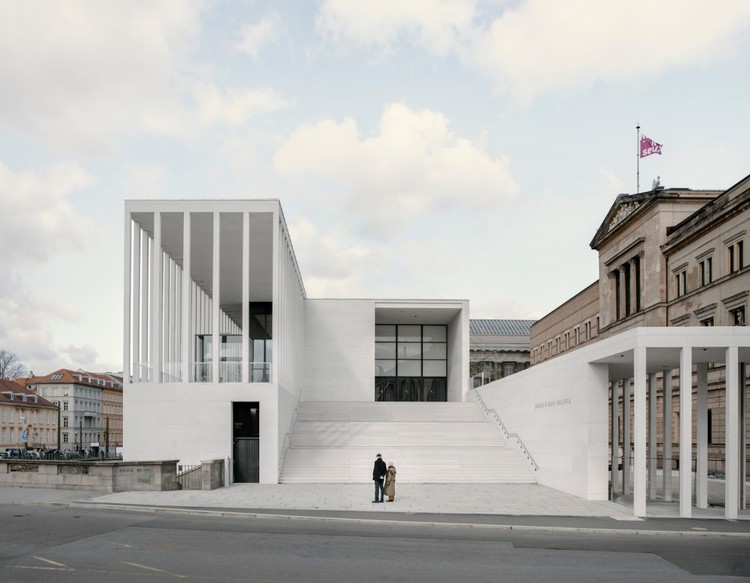
David Chipperfield's James-Simon-Galerie has opened on Museum Island in Berlin. The project serves as a new entrance between the Kupfergraben canal and the Neues Museum. The design was made to welcome large numbers of visitors while housing all the additional facilities needed by the museum. Featuring an iconic colonnade above a stone plinth, the project was made to express a classical piano nobile.


https://www.archdaily.com/921320/david-chipperfields-new-museum-island-gallery-opens-in-berlinEric Baldwin
:mlzd - InsideOutside

Public space is under pressure – commercialized for economic interests, abused as a playground for event culture, and maneuvered into insignificance through private acts of self-staging. Is its original function as a forum for public life coming to an end? At the same time, there are ever more standards, regulations, and requirements designed to guarantee safety and functionality. Does this reduce the creative possibilities for new architecture to react to the specifics of the location? If so, how are buildings being affected by these processes?
https://www.archdaily.com/921115/mlzd-insideoutsideRene Submissions
Zalando Headquarters / HENN + Kinzo
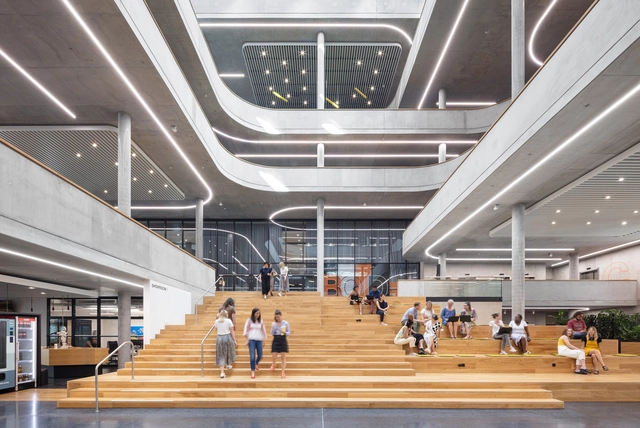
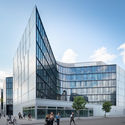
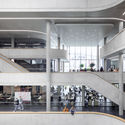
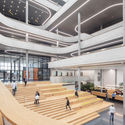
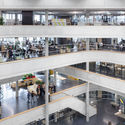

- Area: 59000 m²
- Year: 2019
-
Manufacturers: Gutmann
-
Professionals: Bartenbach, Buro Happold, hhpberlin, Müller-BBM GmbH
https://www.archdaily.com/920765/zalando-headquarters-henn-plus-kinzo-architekten-gmbhDaniel Tapia
The Urban Dentist / studio karhard
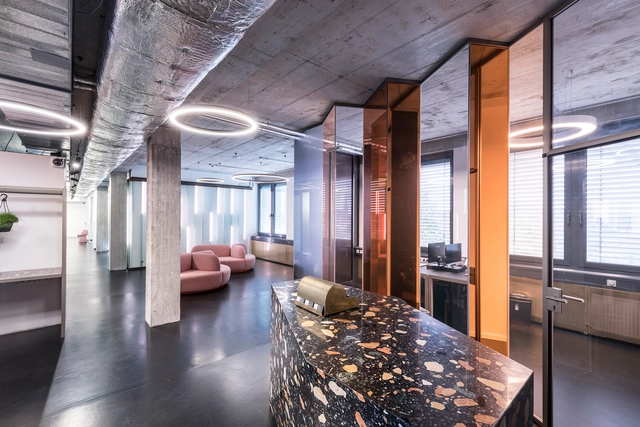
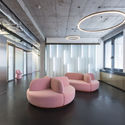

-
Architects: studio karhard
- Area: 360 m²
- Year: 2018
https://www.archdaily.com/918874/the-urban-dentist-studio-karhardPilar Caballero