Airbnb has undoubtedly disrupted the hospitality industry, inspiring an ecosystem of companies leveraging the sharing economy such as co-living startups. While these companies have achieved impressive financial success, they have been purported to produce problematic effects at the scale of the city. Airbnb, in particular, is alleged to have driven an increase in rental prices in cities already grappling with housing affordability challenges. Much like the case of Uber's impact on urban mobility, Airbnb's rapid growth has caused significant challenges for local governments, demanding comprehensive regulation and a re-evaluation of its functioning at the city scale.
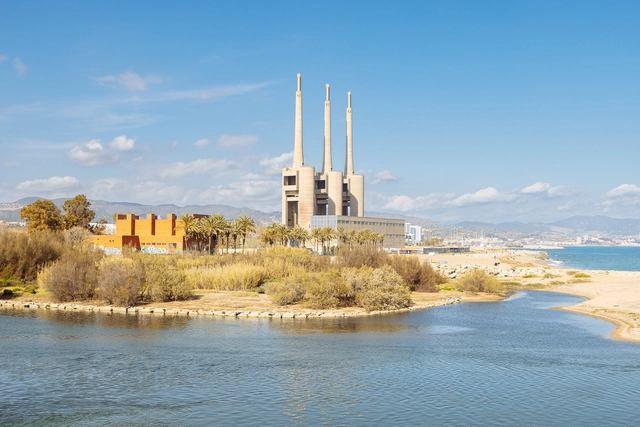
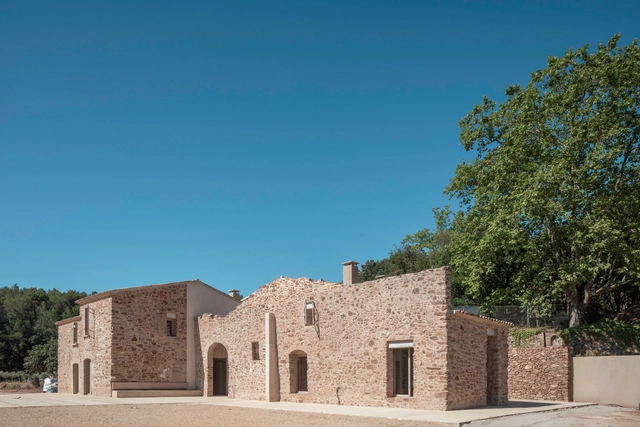
Courtesy of Manifesta 15 Barcelona Metropolitana | Photo by Helena Roig | The Three Chimneys
Manifesta 15 Barcelona Metropolitana has unveiled a decentralized biennial event spanning across the landscape of Barcelona. Taking place from September 8th to November 24th, this edition of Manifesta, the European Nomadic Biennial, introduces a regionalized strategy. Famous for its avant-garde exploration of global challenges through cultural lenses, the approach aims to empower citizens in catalyzing a socio-ecological transformation across Catalonia. The event aims to reimagine the role of culture in societal transformation through art, dialogue, and collective action.
CityMakers, The Global Community of Architects Who Learn from Exemplary Cities and Their Makers, is working with Archdaily to publish a series of articles about Barcelona, Medellin, and Rotterdam. The authors are the architects, urban planners, and/or strategists behind the projects that have transformed these three cities and are studied in the "Schools of Cities" and "Documentary Courses" made by CityMakers. On this occasion, Victor Restrepo, Coordinator of CityMakers in Medellin, presents his article "Medellin: A Case Study".
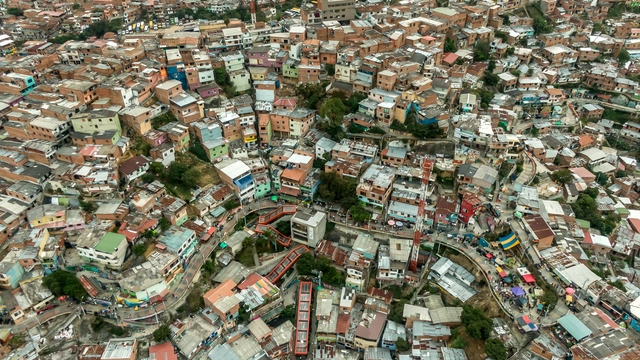
Medellín stands as an inspiring example for many cities worldwide. It is a city that transitioned from deep collective fear to hopeful enthusiasm for urban and social life characterized by quality and coexistence. The city's crisis has always been associated with violence and drug trafficking. However, this crisis is more structural and profound, it responds to many more factors, some of which are associated with the accelerated growth of its population, as in many Latin American cities.
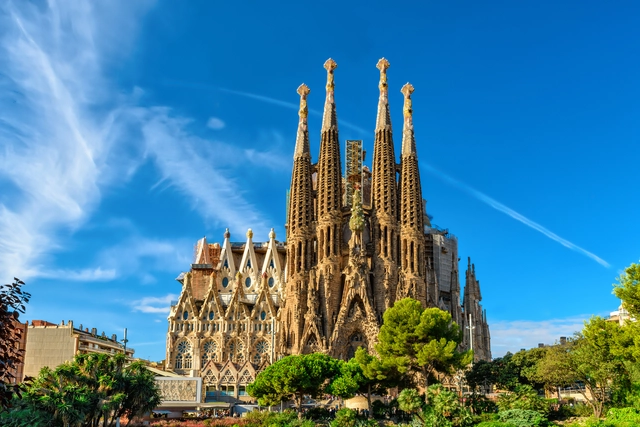
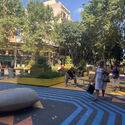
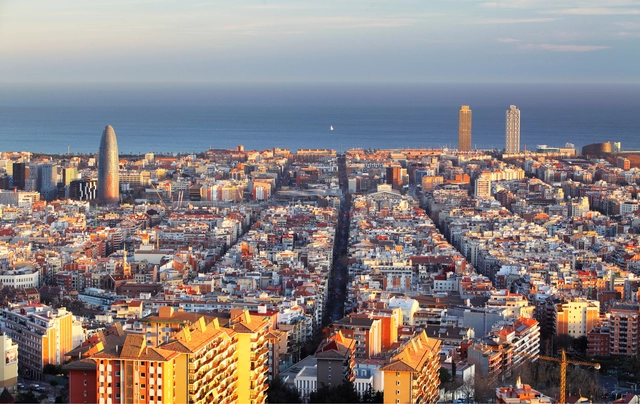
CityMakers, The Global Community of Architects Who Learn from Exemplary Cities and Their Makers, is working with Archdaily to publish a series of articles about Barcelona, Medellin, and Rotterdam. The authors are the architects, urban planners, and/or strategists behind the projects that have transformed these three cities and are studied in the "Schools of Cities" and "Documentary Courses" made by CityMakers. On this occasion, Jaume Barnada, coordinator of the award-winning Climate Shelters project in Barcelona schools and speaker at the "Schools of Cities", presents his article "Barcelona, the public place as a synonym for the adaptation of the built city."
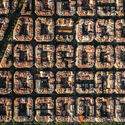
Cities are dense, built spaces in which pavements have been efficiently imposed on the natural soil. Cities like Barcelona have almost 75% of the land paved and waterproof. Without a doubt, it is an excess to reverse at a time of climate emergency, where we must reconnect with nature. Oriol Bohigas [1] told us that good urbanization had paved the squares of Mediterranean cities and that no one wanted to live in a mudhole. I'm sure he was right. Also, he taught us that the green and, consequently, the natural soil had to have dimension and especially an urban position. Squares are squares and parks are parks, and each space has a type of project. Today, concepts are too frequently confused when urbanizing public places and consequently, we find projects that blur the model.
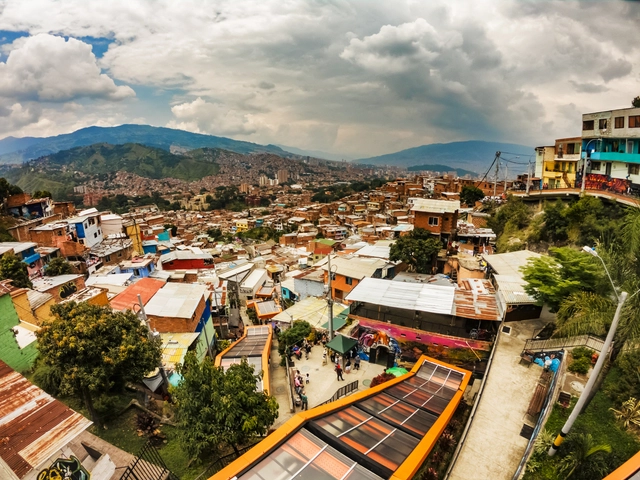
Comuna 13 of Medellín_via Shutterstock. Image Courtesy of CityMakers
CityMakers, The Global Community of Architects Learning from Model Cities and Their Makers is working with Archdaily to publish a series of articles about Barcelona, Medellin, and Rotterdam. The authors are the architects, urban planners, and/or strategists behind the projects that have transformed these three cities and are known in the "Schools of Cities" and "Documentary Courses" made by CityMakers.
There is currently a broad consensus on the importance of public space in the city. Although it may seem quite logical, its significance is not as old as human settlements, which have existed for millennia. The Athens Charter, written just 91 years ago, did not speak so much about the city as a place to live but as a functional machine. Almost a century later, the paradigm has shifted: the city is, above all, its public space. But what happens when public space is threatened by car proliferation, insecurity, or even water?
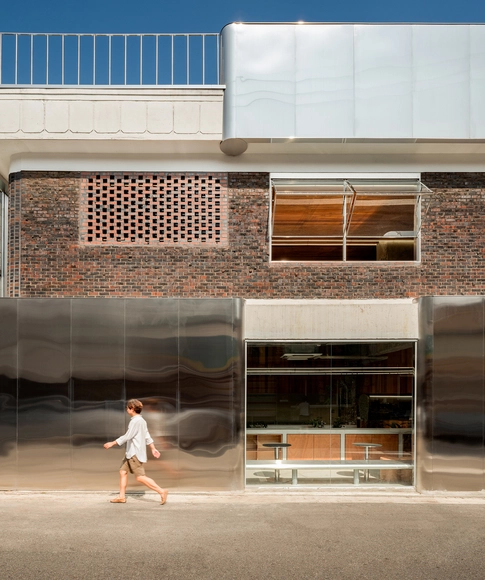
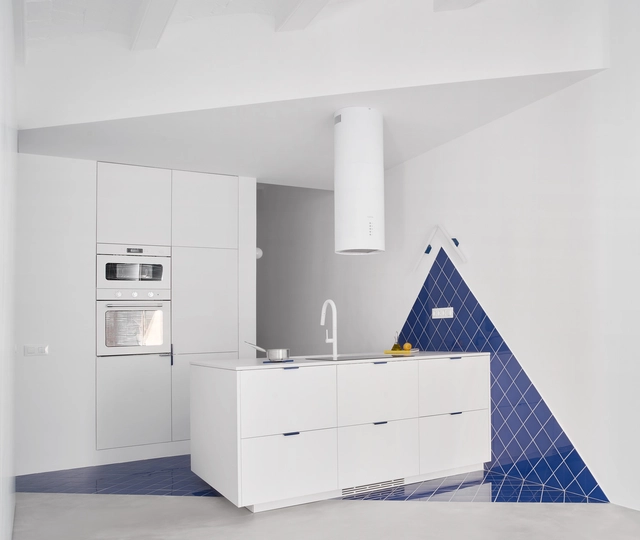
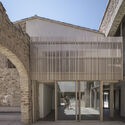
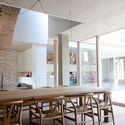
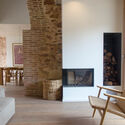
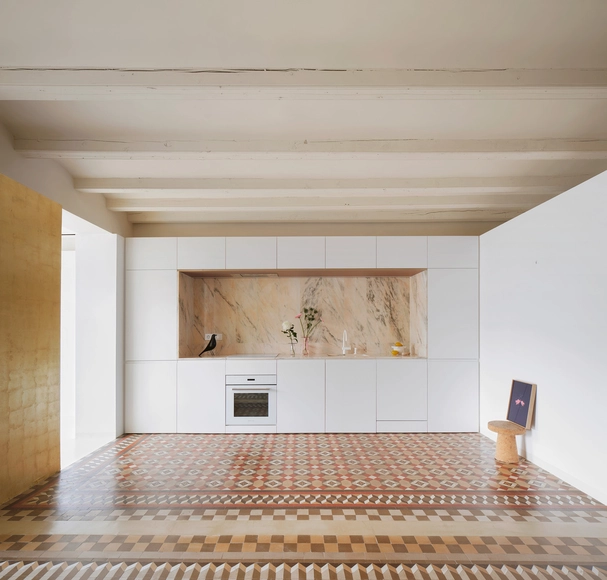
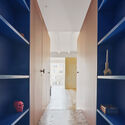
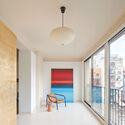
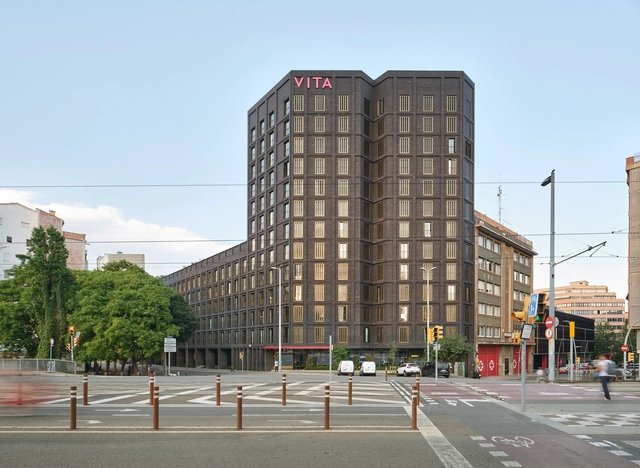
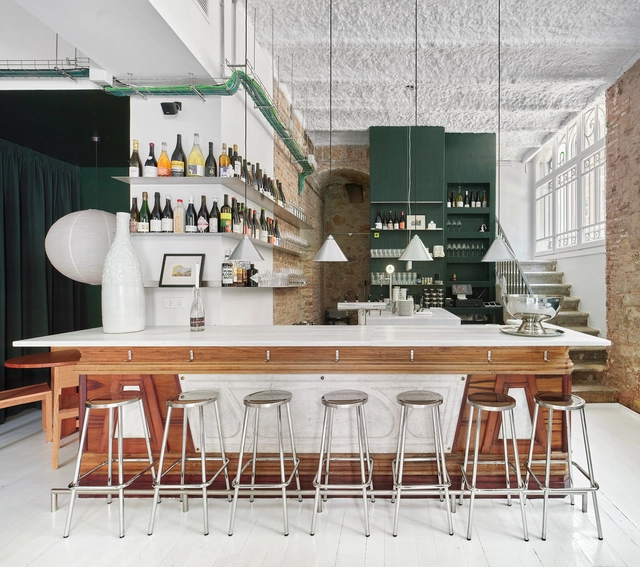
In recent decades, the term "adaptive reuse" has gained tremendous popularity as an eco-friendly construction approach. But what if there was something more poetic about reframing a space and its stories for new users? These architects show that once-deemed disposable facades, walls, and textures can obtain new meaning through bold and clever juxtapositions. These adaptations proudly display their conversions and layers of historical patina under them as a batch of honor and speak to the permanence of buildings and their impermanence in use and interpretation. Through subtle formal moves and daring material choices, they transformed structures that would have been otherwise demolished and reimagined them in new and intriguing ways.
The city of Barcelona, along with its metropolitan area, will become a research laboratory as the main venue for the World Congress of Architecture of the International Union of Architects (UIA), scheduled to take place from June 28th to July 2nd, 2026. Its objective is not only for the Congress to be of maximum relevance and interest to the global community of architects but also for real-impact knowledge and practices to emerge in the everyday lives of people and the future of the planet.