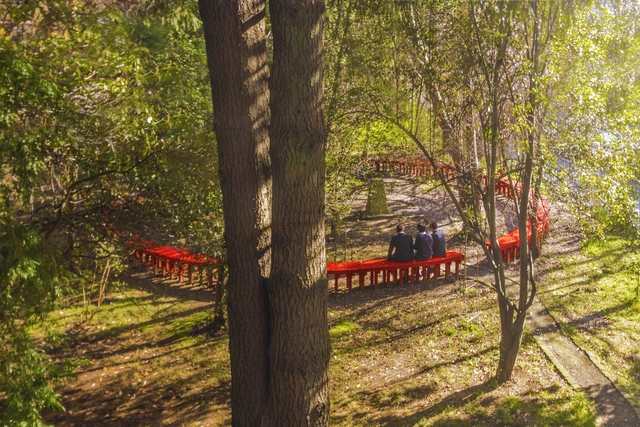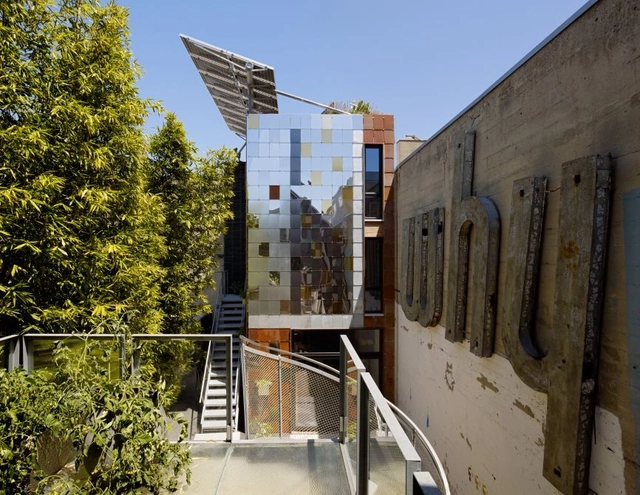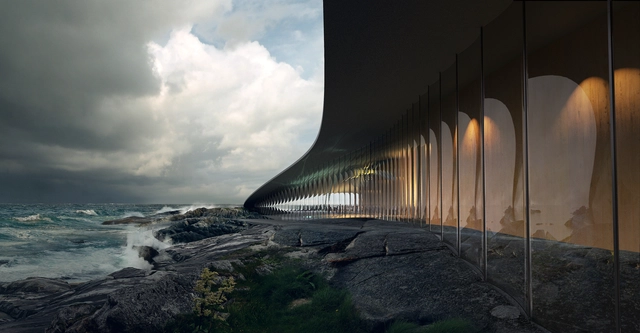
“We use two aspects to express architecture: Qing [emotion], Jing [pattern]. Jing is the architectural pattern that we apply, to certify the living and working style, to consider what our architecture can bring. Another thing is the relationship between architecture and the site, the city and nature. Ancient Chinese dwellings are usually enclosed by walls, creating an introverted space. This is the second aspect Qing, more related to traditional customs, aesthetics, and our attitude towards the environment and nature. The enclosed space originates from our interpretation of Qing. What we have captured about the ancient spirit of aesthetics is a kind of uncertainty, a kind of blurry and ambiguous feeling.” - Chen Yifeng, Shanghai, 2013
“If we look at architecture from a cultural point of view, we see we are in a special moment where we are trying to figure out our identity. I think we are too focused on how to transform old Chinese architecture into contemporary architecture; but in no way can you transform it, you can see it with your own eyes. For instance you cannot transform a Roman building into today’s buildings! Sometimes you have to forget about history to create contemporary and unique architecture.” - Zhu Pei, Beijing, 2013
“If you don’t know or really didn’t study the local culture, do universal design. That’ll keep the quality. If you want to do something that you don’t know, there is a big chance that it’s going to fail and have a bad impact on the city and the people here. Do it in your own way. If you do something good and beautiful back home, you should do exactly the same type and put it here. That’s also a good contribution because you show good architecture quality… Do something universal!” - Liu Xiaodu, Shenzhen, 2013
Founded in 1999, Urbanus is led by its trio of partners Meng Yan, Wang Hui and Liu Xiaodu, all of whom studied first in China and then abroad in the USA before returning to their native country at the very beginning of its construction boom. In this interview Liu Xiaodu discusses the changing realities of Chinese architecture education, the beginnings of their firm and the positive side to the “chaos” of the country's current urban expansion.
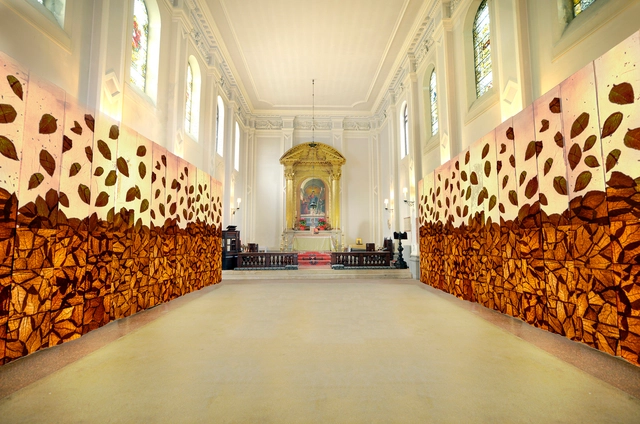
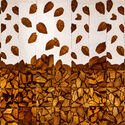
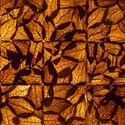
Casting complex shadows and engulfing visitors in a series of maze-like spaces, the Parasite Pavilion was constructed as part of the Synergy & Symbiosis event at the 2014 Venice Biennale, which showcased the best of the UABB Shenzhen and Hong Kong Biennale from 2005 to 2014. Based on the Bug Dome pavilion, a similar experiment from Hong Kong 2009, constructed by Weak! Architects as an icon of "illegal architecture," this new pavilion is the product of an intensive five day workshop, with the cooperation of architects and students from Europe, Australia, and China. Read on after the break to learn more about the Pavilion and Workshop.
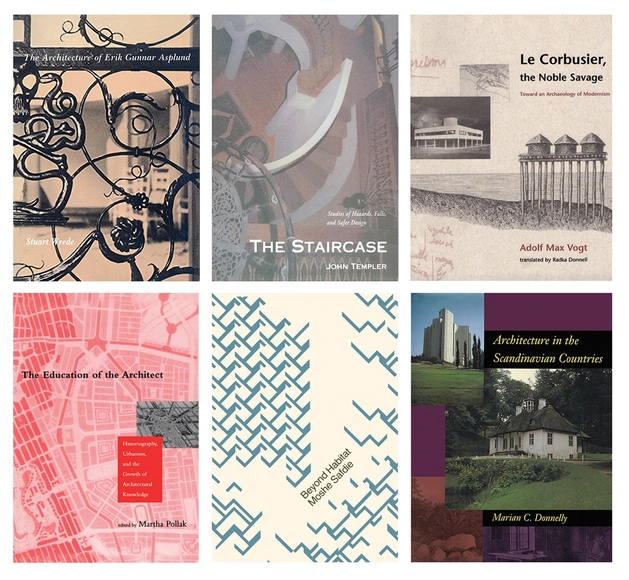
If you don't have access to an architecture library (and even if you do), sifting through shelves can take hours. Buying books can be even more painful — for your wallet, at least. Instead, why not browse this list of 25 books that are all free and easily accessible online? Some are well-known classics of architecture literature, but we hope you find a few surprises as well.
Chinese architecture firm Penda, known for their ecologically sensitive designs, has redesigned the tent in a bold new way for the AIM "Legend Of The Tent" Competition. Their proposal, ”One With The Birds," is a flexible and sustainable structure that integrates sleeping pods into the forest canopy. Inspired by Native American Tipis, which are moveable and reusable, the structure, made from bamboo sticks latched together with rope, leaves no impact on the site nor causes any harm to the bamboo itself.
A mock-up of the project will soon be installed as a temporary hotel. According to the architects, “after the temporary hotel is deconstructed, the materials can be reused as scaffolding on a construction site or reused as another temporary hotel on a different location.”
Learn more about this remarkable structure, after the break.
Axel de Stampa has shared with us his awesome series of architecture gifs, Architecture Animée (Animated Architecture), which turn architecture from SANAA, Herzog and de Meuron, MAD Architects and more into amazing, zany gifs. See all nine after the break!
In Kengo Kuma’s work you may see influences of light, transparency and materiality. But when visiting the Woodbury School of Architecture in San Diego, Kengo Kuma shared a few of his not so apparent influences, from Frank Lloyd Wright and Louis Kahn to jazz music. Make sure to view “Knowing Kuma” to see the architect’s definition of architecture, materials and more.
Have you ever wondered where your information goes when you save it to "The Cloud"? The answer is within giant data centers. According to reports, Facebook and Google's data centers resemble something from Science Fiction, while some could come straight from a Bond flick. In a new short film named Internet Machine, Filmmaker and Visual artist Timo Arnall takes us where few have been granted access, showing the world what "The Cloud" really is - a massive architectural space with extreme energy demands. To experience the power surging and hear the deafening hum of a data center, check out the trailer above.
Le Corbusier donned signature glasses; Frank Gehry designed footwear; early twentieth-century architect Adolf Loos even wrote "Why A Man Should Be Well-Dressed." Now Zaha Hadid is making her way into swimwear. But are the nuances of fashion too much for architects to dip their feet into? Read the full article at the Telegraph.
Bjarke Ingels Group has unveiled their latest - and certainly greenest - "mountainous" housing project (for previous examples, see: Mountain Dwelling and 8 House). Although still in progress, Hualien Residences, a beach resort housing complex in Taiwan, will consist of green "landscape stripes" that resemble mountains themselves. The project, which incorporates walking paths, underground jogging paths, and an observation point, has already been recognized as a finalist in the 2014 MIPIM awards for its use of design to encourage healthy, active lifestyles for the complex's primarily older residents.