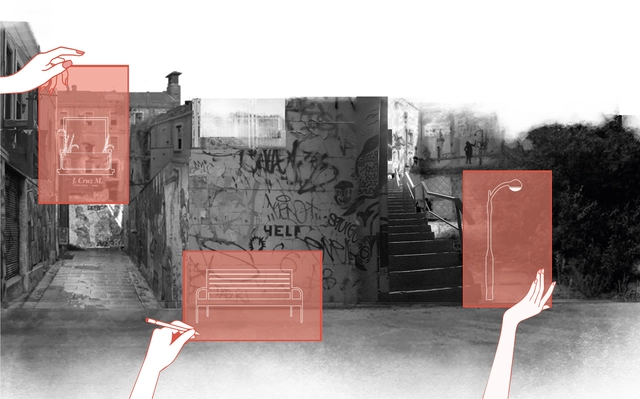
The Royal Institute of British Architects has awarded Politecnico di Milano's architecture student Weronika Zdziarska the 2021 RIBA Norman Foster Travelling Scholarship, for her project ‘Don’t Stay Out Alone: addressing women’s perception of safety and freedom in cities by design’. The jury unanimously gave Zdziarska the award for her exploration of gender in the public spaces of Latin America, which "demonstrated a sophistication in her early research which differentiated her work from that of her worthy fellow applicants".
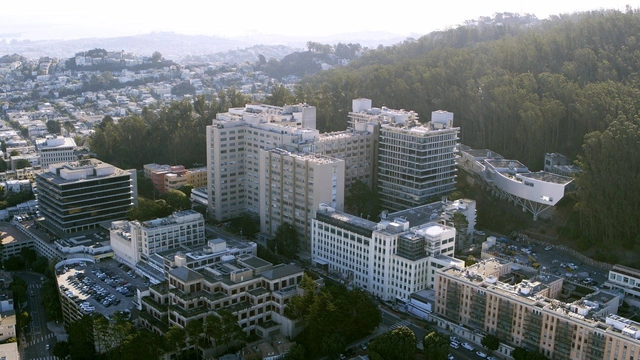
The world-renowned academic medical centre The University of California San Francisco has selected Snohetta and HGA to design the new Parnassus Research and Academic Building (PRAB). As part of a larger plan to renovate and expand the medical campus, the project will replace the 1917 UC Hall, creating a more collaborative research environment while also providing the city of San Francisco with an attractive public space.
Can architecture foster better relationships between people, creating an equalized and respectful use of space? Can tools be designed that strengthen the bonds between humans and objects? BAAG (Buenos Aires Arquitectura Grupal) studio explores the architectural elements that mediate between people and objects, the natural and artificial, public and private, individual and collective, and humans and other living things.
Practice for Architecture and Urbanism (PAU) has shared new details of its proposal to reimagine Niagara Falls in New York. Attracting millions of annual visitors, the region has become a global tourist destination, while the downtown area has yet to experience the same level of interest. Now PAU is leading an urban design and economic development strategy, in partnership with Forsyth Street Advisors and a community advisory group, to imagine a more lively future.
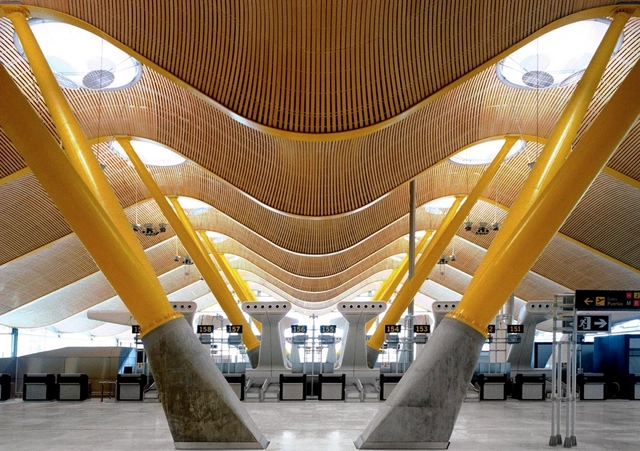
Courtesy of Estudio Lamela, Rogers Stirk Harbour + Partners
Modern airports have become larger and larger in scale. With increasingly bigger aprons, multiple programs, and countless travelers a year, this typology’s prevalence has grown exponentially. Known for a variety of unique spatial experiences, from massive waiting rooms and luxury lounges to compressed jet ways, airport architecture has really only emerged within the last century. Today, architects and designers are starting to creatively dissolve the daunting scale of airports to explore their role in contemporary urban life.
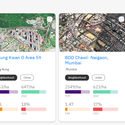
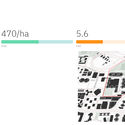
Global design firm Sasaki has announced the launch of Density Atlas, a new online platform for planners, urban designers, developers, and students immersed in the public realm, to have a better understanding about density. The platform explores the limitations of density and defines a more standardized set of metrics for understanding and comparing density across different global contexts, such as in urban centers, college campuses, or community under development.
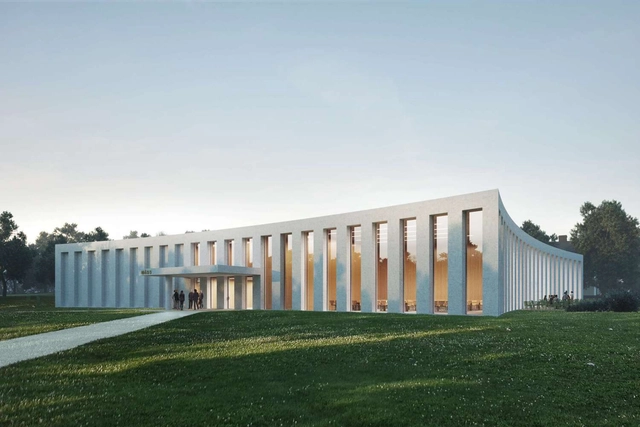
Swedish practice Tham & Videgård Arkitekter has won a competition to design a new cadet mess building for the Karlberg Military Academy in Stockholm. Establishing a dialogue with the historical context and the 17th-century park, the project is conceived as a clean square volume with concave facades that embrace the surroundings. Through its rhythm and proportion, the design echoes the classical architecture of the nearby palace, showcasing a rigorous aesthetic that establishes a timeless image.
How does systemic thinking and generative design contribute to new forms of convivence? Can they become tools to connect tradition and identity in a modern way? Can they help to design customizable architectural strategies that offer locally accessible solutions? Can they contribute to the creation of dignified spatial experiences that can be replicated on a mass scale?
In this week's reprint from Metropolis, author AvinashRajagopal "takes a broad look at American Design, digging into the practice of architecture, the resurgence of craft, quintessential building forms, and decaying infrastructure". Asking questions such as "what values do we hold dear? What harm have we caused, and who benefits from the work we do?" architects and designers across the United States explore the contextual consequences of the global challenges.
Other than the contribution of national participations, the 2021 Venice Architecture Biennale invites architects and researchers to exhibit their work between the Central Pavilion at the Giardini, the Arsenale, and Forte Marghera, seeking to answer the general theme of “How will we live together?”, set by curator Hashim Sarkis. With 113 Participants from 46 countries, and an increased representation from Africa, Latin America, and Asia, these architectural contributions underline worldwide and contextual challenges as well as present multidisciplinary and inventive solutions.
The 17th International ArchitectureExhibition, running from 22 May to 21 November 2021, divides these projects amongst the following titles: Co-Habitats, Stations, Among Diverse Beings, As New Households, As Emerging Communities, Across Borders, and As One Planet, How Will We Play Together? After having explored the recurring qualities observed in the national pavilions, this feature highlights the rest of the interventions through the lens of Laurian Ghinitoiu.
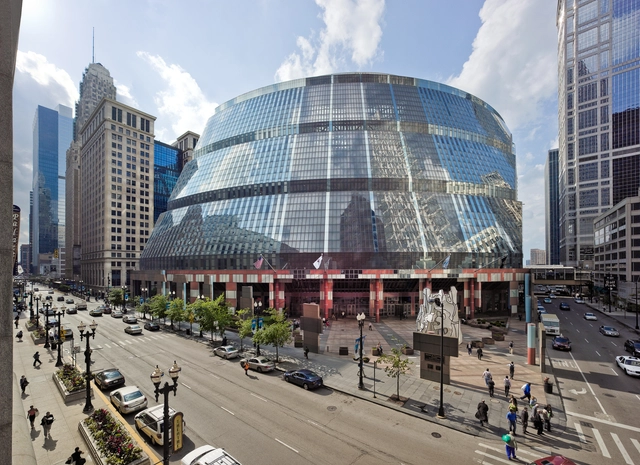
The Chicago Architecture Center (CAC) has announced it will be holding an exhibition of one of Chicago's renowned architects Helmut Jahn, an architect who "melted and fragmented the mid-century modern grid into post-modern designs" in projects like the United Terminal at O'Hare, the James R. Thompson Center in Chicago, and many others around the world. The event will take place on July 23rd until October, and will be the first major limited-run exhibition in the new CAC Galleries since their inauguration in August 2018.
Conceptual Plan of Wuhan Nanhu Art Center. Image Courtesy of Jing Studio
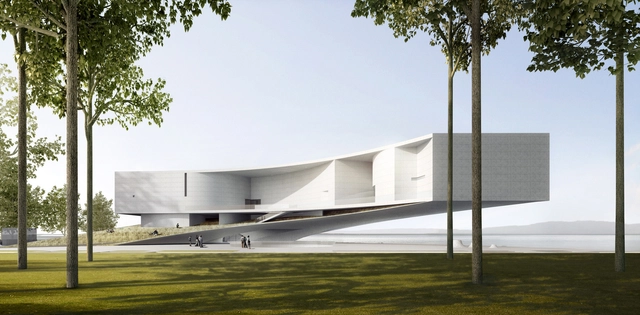
This week’s curated selection of Best Unbuilt Architecture highlights commercial projects submitted by established firms. From art museums to offices, this article explores cultural functions and commercial spaces, and presents projects submitted to us from all over the world.
Featuring a reception center that merges the cultures of China and Italy by aoe architects, and a post-pandemic office building by NBBJ, this roundup explores how established architecture firms have designed buildings that optimize the functions of projects and ensure the comfort of their users. This round up also includes a collection of proposals from KPF Architects, Nordic Office of Architecture, AFF Architekten, along with many other firms, each responding to different spatial needs, facilities, and environments.
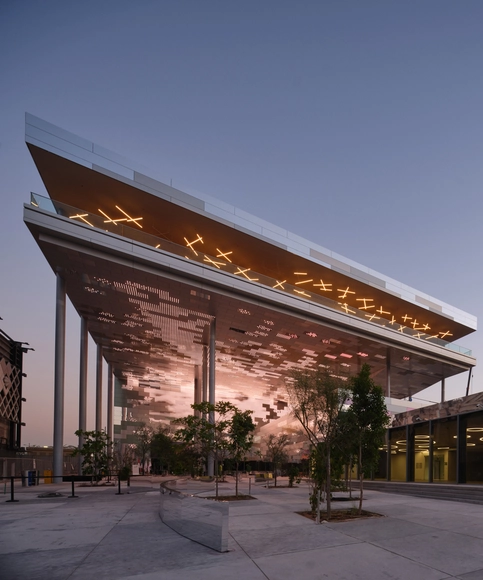
France Pavilion. Image Courtesy of Expo Dubai 2020
With 3 months to go until the opening of Expo 2020 Dubai, on October 1st, the organizing committee has released updated images highlighting ready and completed pavilions. With officially 191 participating nations, the expo is seeking to “explore the power of connections in shaping our world”. Showcasing architecture, culture, and inspiring innovations, the world expo has been, for the past 170 years, the leading platform to introduce great inventions and architectural revolutions, most of which shaped the world we live in today.
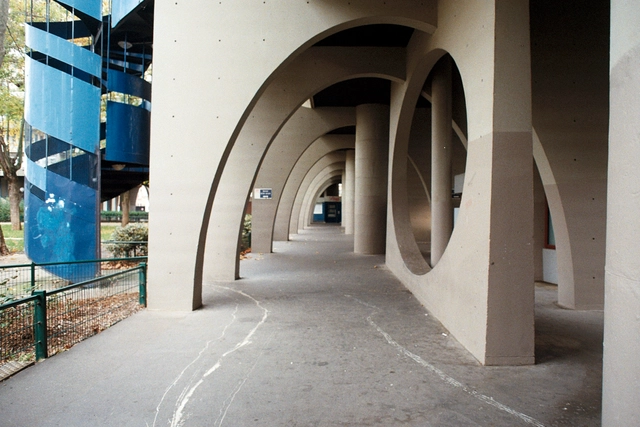
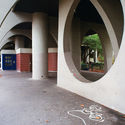
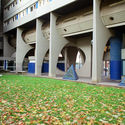
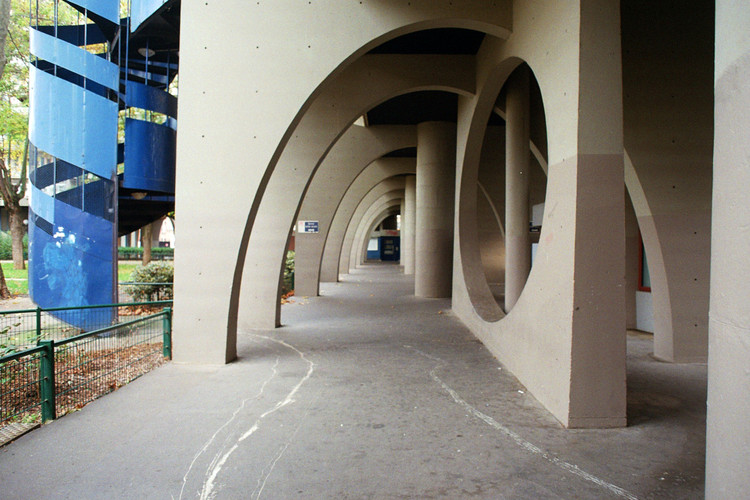
Designed by architect Renée Gailhoustet in 1972, the Cité Spinoza residential complex is part of the master plan created for downtown Ivry-sur-Seine, France. The project is a rendition of the Unité d'Habitation de Marseille by Le Corbusier, a major architectural reference for architects at that time. Architectural photographer Anthony Saroufim took the streets of the Parisian Banlieue and captured the modernist architecture's distinct concrete geometry.
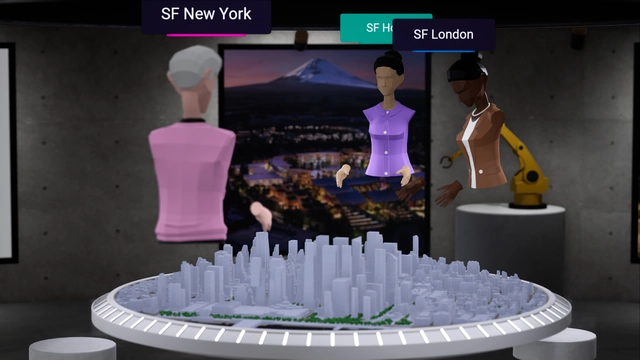
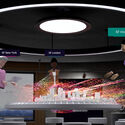
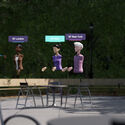
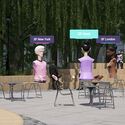
UNStudio and Bjarke Ingels Group have partnered up with Squint/Opera to develop SpaceForm, a virtual, cloud-based platform that facilitates design, review and collaboration processes for architects and developers. The new virtual workspace explicitly developed for the architecture and construction industry aims to fill a gap by creating a viable and sustainable way of collaborating and designing remotely across global teams, thus reducing the need for travel.
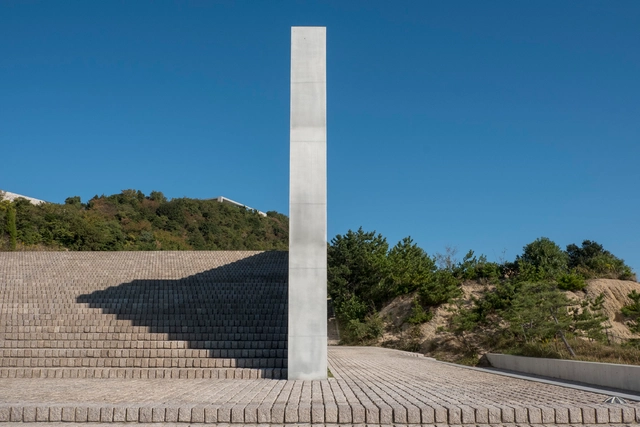
Few places in the world have so many cultural and artistic facilities as the islands of Naoshima, Teshima, and Inujima, in Japan's Seto Inland Sea. Eighteen museums, galleries, and installations make up the Benesse Art Site Naoshima, a project idealized by billionaire businessman Soichiro Fukutake in the 1980s.
At the time, Fukutake invited none other than architect Tadao Ando to design the Benesse House Museum on the island of Naoshima, which went beyond an economic reboot to create a simpler, slower way of life - evidently for those who can afford it - far removed from the Japanese megacities.
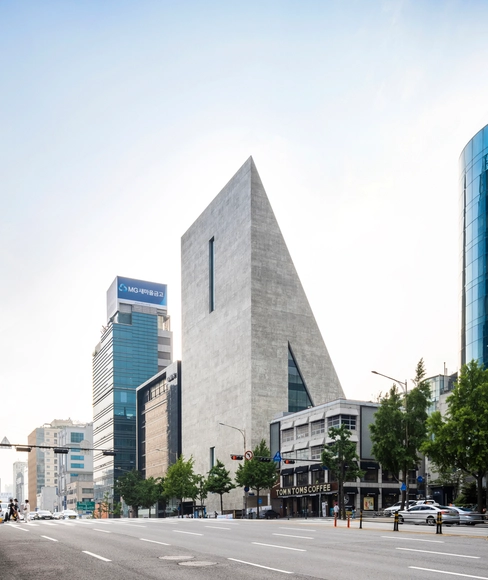
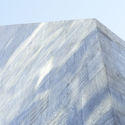
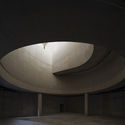
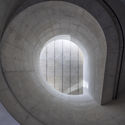
Herzog & de Meuron’s first realized project in Korea is completed and is set to open to the public in September 2021. Situated in the heart of Cheongdam Dong, one of the most commercial areas of Seoul, the ST International HQ and SongEun Art Space will offer non-commercial art spaces, a variety of new exhibition spaces, and offices for ST International both above and below ground, creating an inviting space for the public to engage with contemporary art. The first inaugural exhibition is expected to be on the 28th of September, and will be curated by the Swiss architecture firm in collaboration with SongEun Art and Cultural Foundation.
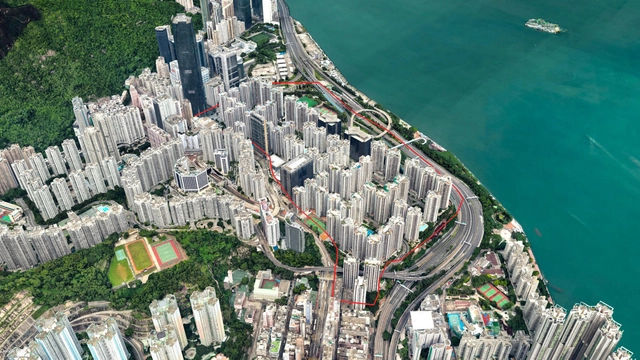
Urban planning is often based on the assumption of ongoing demographic and economic growth, but as some environments face urban shrinkage, a new array of strategies comes into play.The shrinking city phenomenon is a process of urban decline with complex causes ranging from deindustrialization, internal migration, population decline, or depletion of natural resources. Referencing the existing research on the topic, the following showcases approaches to this phenomenon in different urban environments, highlighting the need to develop new urban design frameworks to address the growing challenge.









.jpg?1624390734&format=webp&width=640&height=580)

.jpg?1624875360&format=webp&width=640&height=580)
.jpg?1624875658 "Le Consortium – Land \"Grancey-le-Château, A World at the Edge\" . Image © Laurian Ghinitoiu")
.jpg?1624875488 "ICD Institute for Computational Design and Construction and ITKE Institute of Building Structures and Structural Design \"Material Culture: Rethinking The Physical Substrate For Living Together\". Image © Laurian Ghinitoiu")
.jpg?1624875439 "Philip Beesley and the Living Architecture Systems Group / University of Waterloo School of Architecture \"Grove\". Image © Laurian Ghinitoiu")
.jpg?1624875630 "TVK \"The Earth is an Architecture\". Image © Laurian Ghinitoiu")
.jpg?1624875360)