Adjaye Associates has unveiled the design of The Africa Institute, the first center of its kind dedicated to the advanced study and research of Africa and the African diaspora living in the Arab world. The 31,882-square-meter campus will be built in downtown Sharjah, UAE, and will "introduce an entirely new type of thinking and mission into the global academic arena".
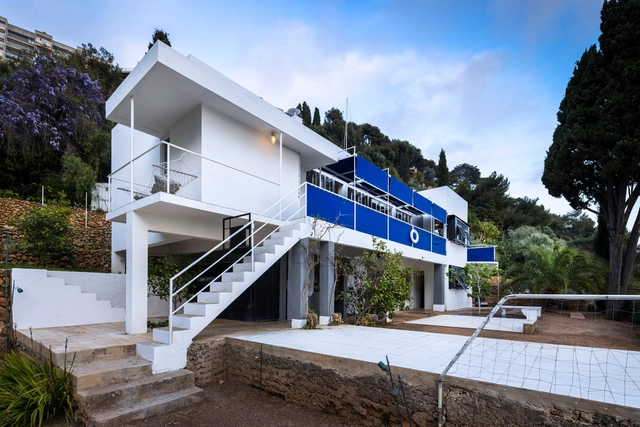
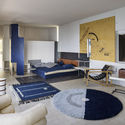
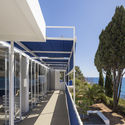
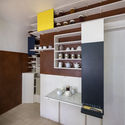
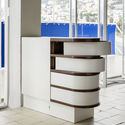
Association Cap Moderne have announced that the restoration of Eileen Gray’s modernist villa E-1027, along with other projects on the Cap Moderne site, such as Le Corbusier’s Cabanon and Unités de Camping, and l’Etoile de Mer restaurant, have been completed and are now open to visitors. The site is listed as a UNESCO World Heritage Site, and is considered as one of the must-see places to discover in the region, welcoming more than 10,000 visitors a year.
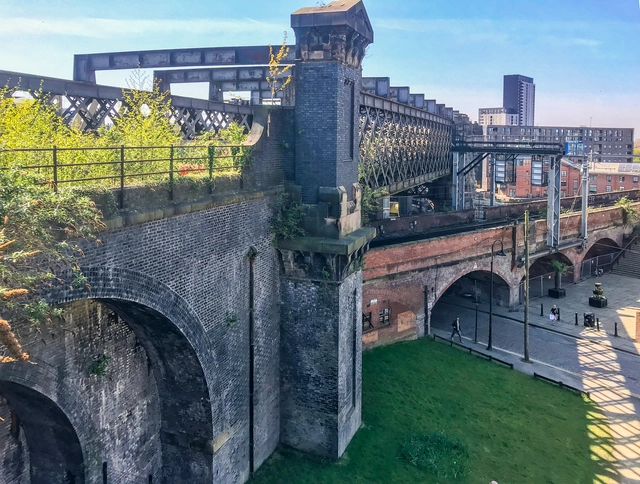
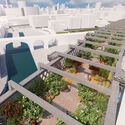
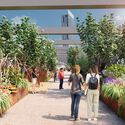
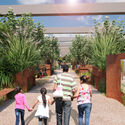
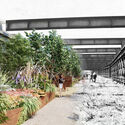
Echoing New York’s High Line, Manchester’s Castlefield Viaduct, a disused railway viaduct dating back to the Victorian, will be transformed into a public park. The design developed by Twelve Architects pays homage to the city’s industrial heritage while bringing new life to the structure and establishing a new vibrant public space within the city centre. The two-stage design process creates a temporary park, enlisting the public’s feedback before implementing the new urban design.
The development of cities has historically been a slow-moving process. In the everchanging urban landscape that faces the pushes and pulls of a variety of social, economic, and financial factors, it’s been hard to pinpoint just one main reason over another why each city has evolved over time into the way that we experience it today. And as designers and planners speculate about what the future of our cities should be, sometimes the reason that our cities look and operate in the way that they do has come down to a few famous battles between individuals with competing schools of thought.
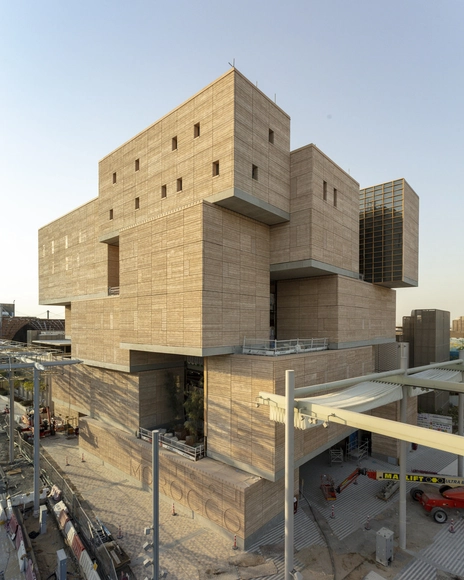
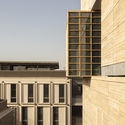
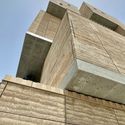
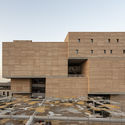
The Moroccan Pavilion at the 2020 Expo in Dubai explores traditional Moroccan architecture and how it can be reimagined in contemporary construction techniques and urban developments. The pavilion is designed by architects OUALALOU+CHOI, and will display a first-of-its-kind structure with a 4000 m² rammed earth facade, pushing the boundaries of the material and exploring its full potential.
In this week's reprint, author Jacob DiCrescenzo explores the Emotional Experience of architecture, after having tackled in a previous article the so-called "feeling architecture", focusing on the psychology and emotion of the built environment. Arguing that "architecture is a deeply emotional experience", DiCrescenzo talks also about the benefits of neuroscience-informed design.
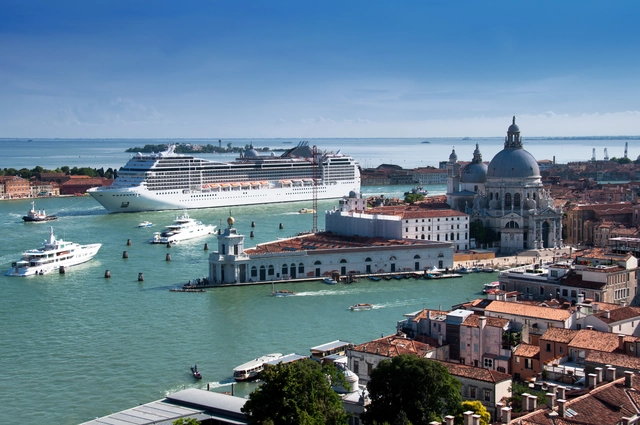
The Italian government has announced the permanent ban of large cruise ships in the Venetian lagoon, after several years of protests, petitions, and threats of being put on UNESCO’s endangered list. The ban will be effective as of August 1st, 2021, and will prohibit ships exceeding 180 meters in length or weighing 25,000 tons from entering the lagoon, hoping to sustain Venice's historic canals, waterways, and public squares.
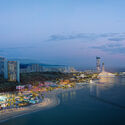
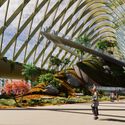
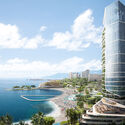
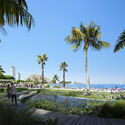
UNStudio has won the competition to redesign Sochi Waterfront with a masterplan that creates the framework for a vibrant urban environment for the local community while shaping a new identity for the notorious leisure resort on the Black Sea coast. Dubbed SoCo, the proposal seeks to create a year-round destination that would provide visitors with new attractions within Russia’s most important holiday destination, building on existing natural and cultural resources. At the same time, the design strategy focuses on shaping a close connection to the landscape and natural environment, building the foundation for inclusive neighbourhoods that would bring together various social groups.
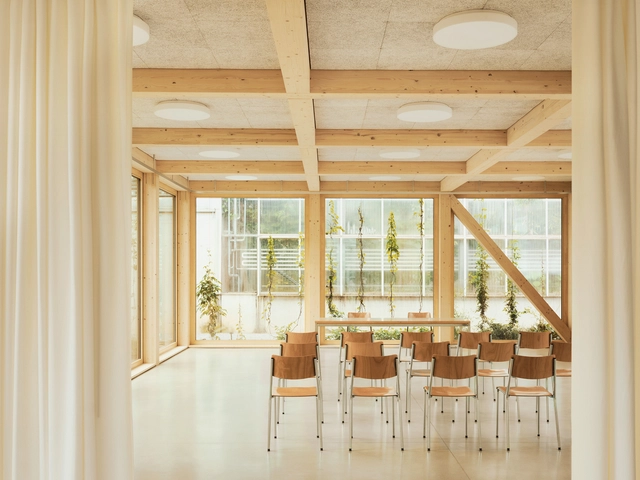
The ceiling is an important element in architecture and interior design, combining functionality with aesthetics through different materials that add layers of texture and color, providing quality and comfort in interior spaces as well as a protective surface for other building systems.
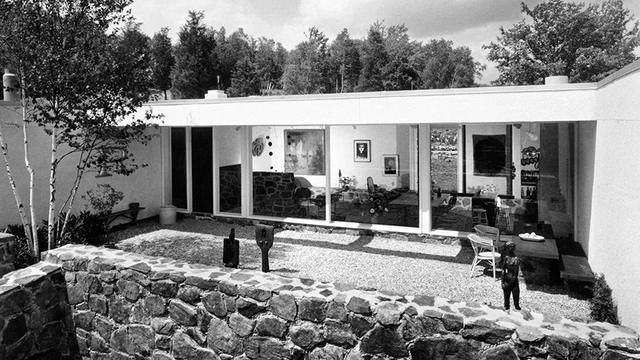
Stillman House II, courtyard with view into living area, 1966. Joseph W. Molitor. . Image Courtesy of Summitridge Pictures & Monacelli Press
Now that we are halfway through the year, what better time to prioritize your reading list? Whether you’re interested in the history of interior design, the relationship between architecture and health, or learning more about the 20th century’s forgotten architects, Metropolis editors have selected a variety of current and forthcoming titles that will be sure to get you through 2021.
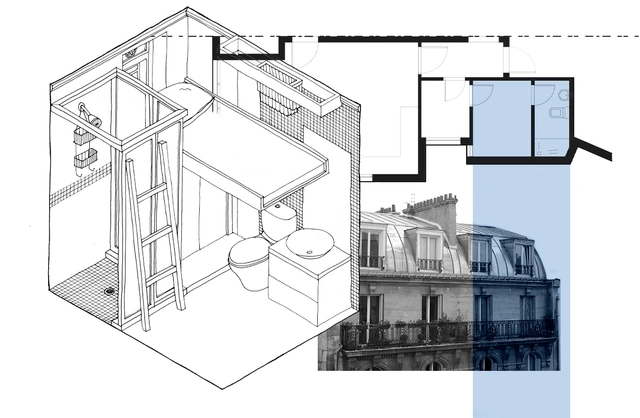
Looking through interior images of houses, we often see grand bedrooms with an influx of natural lighting. We see inviting open-space living rooms, lush terraces, and kitchens with high-end equipment and refined finishes. But what we don't see is that behind these sleek walls are small neglected bedrooms without proper ventilation, natural lighting, or space to move around, dedicated to those who cater to the entire household.
The disparate spatial configuration and "colonial" approach to the living conditions of servants and foreign laborers have existed long before the rise of congested cities and micro-apartments. Household owners, or at least a good sum of them, have always felt that domestic workers needed and deserved less space to reside in, not just in terms of spatial area, but in terms of necessary living conditions for a better, more comfortable life.
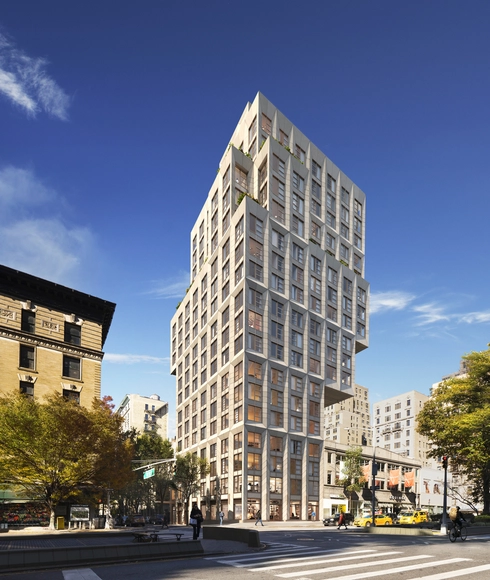
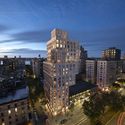
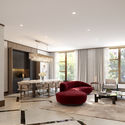
ODA New York have released images of their newest project "Era", Manhattan's largest residential cantilever building. Located in the Upper West Side, the 20-storey condo features a striking 50-foot cantilever structure and the neighborhood's only rooftop pool. The project’s unique cantilever design allows for more expansive views as it ascends, wide common spaces, grand residences, and a rooftop recreational space.
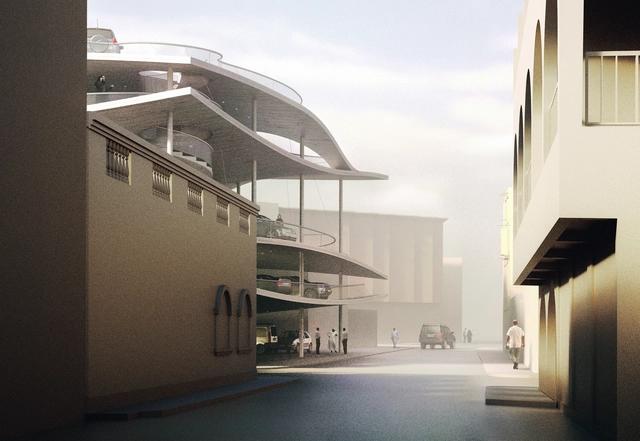
Since 2002, the historic city of Muharraq, the third-largest in Bahrain, has been the protagonist of a comprehensive preservation and development project meant to highlight its pearling history and improve the urban environment. Building on Muharraq’s legacy are several new structures designed by world-renowned architects to create the framework for the city’s revival, among which are four multistorey car parks designed by Christian Kerez and set to be completed this year. The structures envisioned not as car storage but as public spaces feature curved slabs that create a continuous transition from one level to the other while shaping a constantly changing spatial experience.
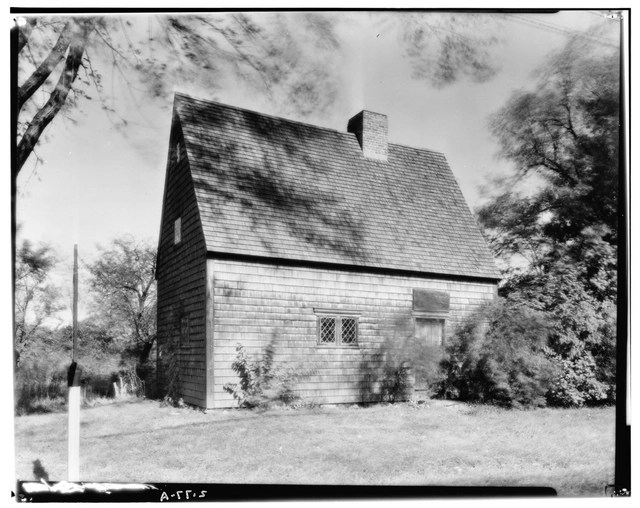
The Peak House, Main Street, Medfield, Norfolk County. Image Courtesy of Library of Congress HABS MASS
There is an architecture of the migrant. It is survivalist, built with what is available, made as quickly as possible, with safety as its core value. Americans romanticize that architecture as “Colonial”: simple timber buildings, with symmetric beginnings, infinite additions, and adaptations. But “Colonial” architecture is not what was built first by the immigrants to a fully foreign land 400 years ago. Like all migrant housing, time made it temporary and forgotten.
MVRDV's Traumhaus Funari project, a residential master plan that redevelops parts of a former US Military barracks, has started construction in Mannheim, Germany. The project aims to combine affordability, individuality, and diversity by allowing residents to make their own ecological and spatial choices regarding their homes. The master plan consists of a catalogue of residential typologies with a variety of materials, sizes, finishes, interior layouts, and connections to the outdoors which future residents can choose from.
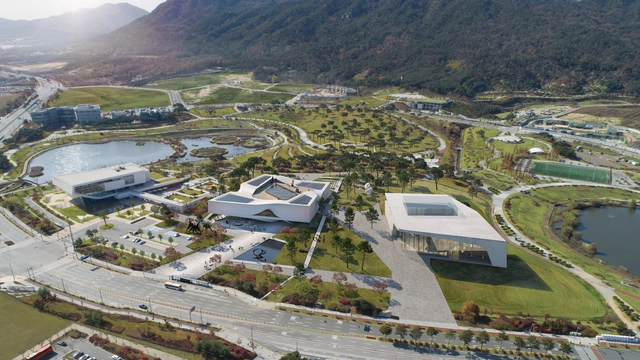
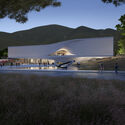
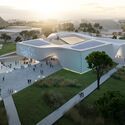
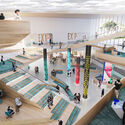
UNStudio and South Korean design firm DA Group have been selected to design the Chungnam Art Museum in Naepo, South Korea. The proposal will provide an immersive cultural experience, with a strong focus on the interaction between art and the public. In addition to creating an assemblage of technology and art, the project will serve as a social anchor for the local community, a space defined by notions of flexibility and “art for all”.
Whether applied as cladding to steel or timber frame structures or to structures built by traditional means, sheet metal offers an array of advantages as a building material, thanks to its low cost, ease of maintenance, and versatility.
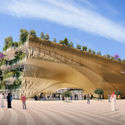
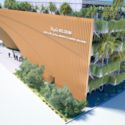
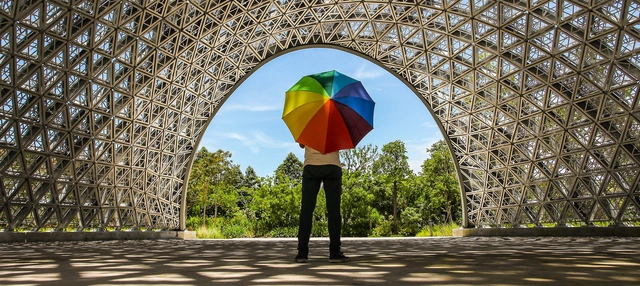
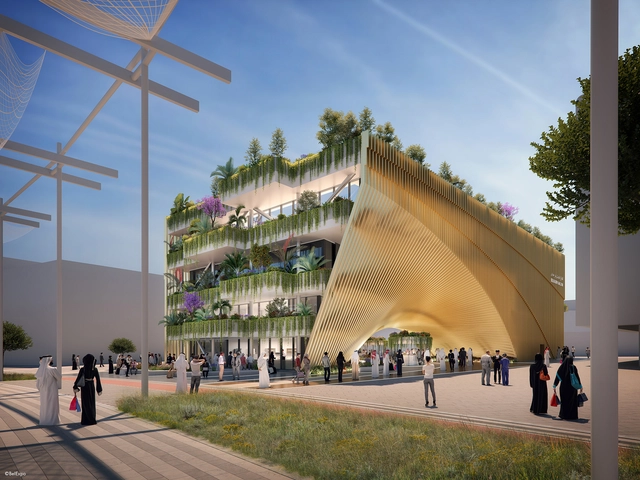
Titled "The Green Arch", the Belgian pavilion at the 2020 Dubai Expo highlights the emergence of connected green cities through its industrial, technological, and scientific knowledge. The pavilion, which is part of the Mobility district of the exhibition, consists of an arched, floral monolith that combines "Latin romanticism in the field of art and Anglo-Saxon technical precision in the industrial branches". The pavilion is designed by Belgian architects ASSAR ARCHITECTS and Vincent Callebaut Architectures, and will be represented by BelExpo, an autonomous department under the Belgian Ministry of Economy.


_Adjaye_Associates_Aerial_Day_View.jpg?1627310592&format=webp&width=640&height=580)
_Adjaye_Associates_Side_Dusk.jpg?1627310661 "© Adjaye Associates")
_Adjaye_Associates_Front.jpg?1627310636 "© Adjaye Associates")
_Adjaye_Associates_Internal_Courtyard.jpg?1627310648 "© Adjaye Associates")
_Adjaye_Associates_East.jpg?1627310610 "© Adjaye Associates")
_Adjaye_Associates_Aerial_Day_View.jpg?1627310592)












.jpg?1626777875 "Drawing by Tings Chak for the How to Make Space exhibition (2016). Image © Tings Chak")






.jpg?1626762371&format=webp&width=640&height=580)
.jpg?1626762472 "© MVRDV")
.jpg?1626762365 "© MVRDV")
.jpg?1626762420 "© MVRDV")
.jpg?1626762410 "© MVRDV")
.jpg?1626762371)



.jpg?1626687665 "Courtesy of BelExpo")