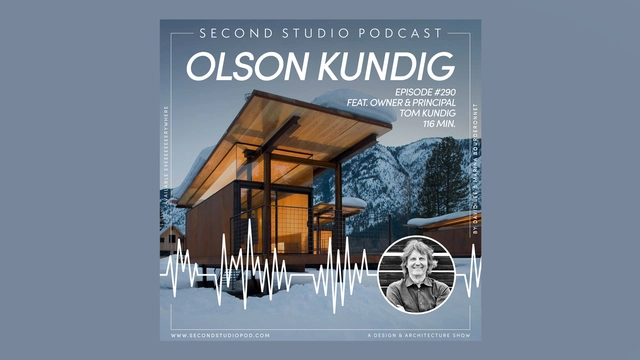
The Second Studio (formerly The Midnight Charette) is an explicit podcast about design, architecture, and the everyday. Hosted by Architects David Lee and Marina Bourderonnet, it features different creative professionals in unscripted conversations that allow for thoughtful takes and personal discussions.
A variety of subjects are covered with honesty and humor: some episodes are interviews, while others are tips for fellow designers, reviews of buildings and other projects, or casual explorations of everyday life and design. The Second Studio is also available on iTunes, Spotify, and YouTube.
This week David and Marina are joined by architect Tom Kundig, owner and design principal of Olson Kundig to discuss his childhood amongst artists and architects; mountain climbing, skiing, and a near-death experience; his philosophy and positive outlook on life; the practice and his partnership with Jim Olson; architectural processes, tools and his experience with materiality; opening a New York Office; and more.
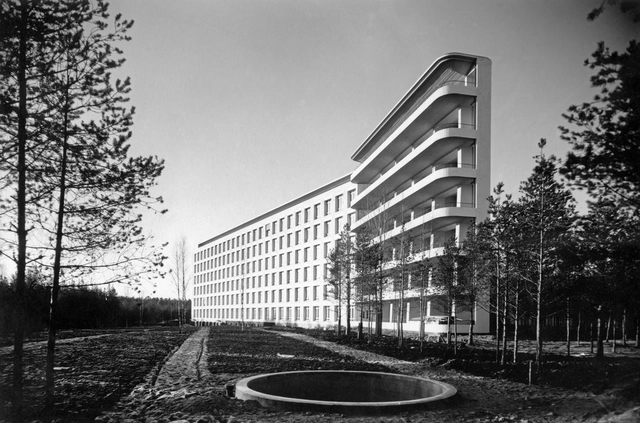
Modernist architecture came about in the early 20th century as a response to large-scale changes in technology, construction, and society; particularly through the use of glass, steel, and reinforced concrete. The style was typically associated with the function of buildings from an analytical viewpoint, rational use of materials, the elimination of ornamentation, and openness to structural innovation.
Paul Tunge is a Norwegian writer, director, and cinematographer of Arthouse Films who has been involved in film production since the early 2000s. Having written, directed, shot, and produced four independent films, alongside 3 documentaries, each of his projects has been featured during major film festivals across all continents, in galleries, and various national cinemas and cinematheques.
Bringing fire indoors is something many people want during winter. In addition to warming the environment, fire creates a unique sensation that goes back to the beginnings of human habitation, leading us to a certain emotional comfort. Before, a chimney and a stock of firewood were needed to guarantee this, nowadays there are ecological fireplaces, which can be built-in or portable: a great choice for those who live in apartments or do not like the smoke generated by the fire.
https://www.archdaily.com/987019/what-are-ecological-fireplaces-and-how-do-they-workArchDaily Team
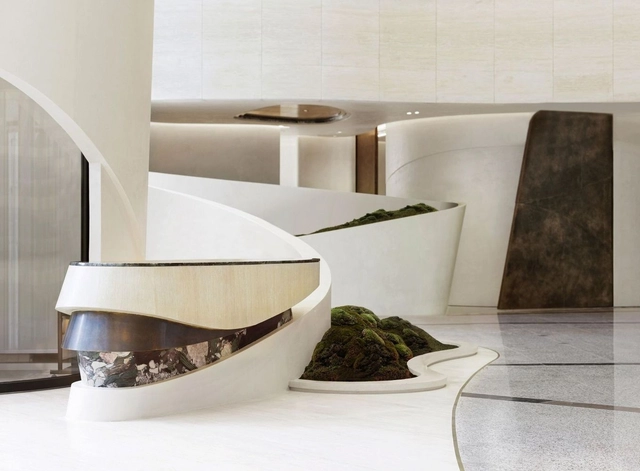
When thinking of marble, we often associate the material with ancient Greek sculptures, Classical architecture, or the Italian Renaissance. Monumental landmarks such as the St. Peter’s Basilica or the Taj Mahal, have positioned marble as an elite and timeless material that stands the test of time. And in today's conversations about the future of construction materials, amid sustainability, feasibility, and affordability, the natural stone remains high-caliber. In this interior focus, we’re taking a look at marble between the past, present, and future.
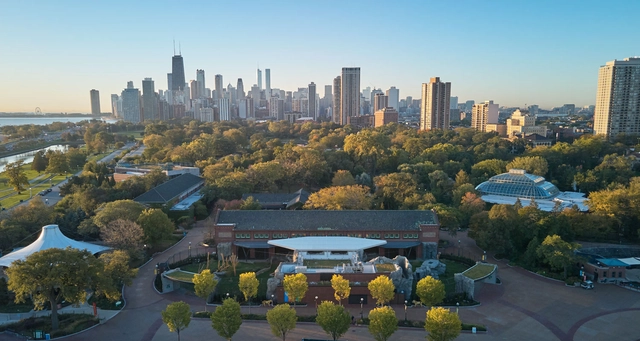
Chicago Mayor Lori Lightfoot and the Department of Assets, Information and Services (AIS) has announced that by 2025, all city-owned buildings and facilities in the city will be fully operated with clean, renewable energy. At the moment, Chicago is one of the largest cities in the United States to reduce the city’s carbon footprint at such a scale, and has already began the process of transitioning its transportation busses and cars to all-electric vehicles by 2035. The agreement demonstrates the city's plans to "drive high-impact climate action, build the clean energy workforce of the future, and equitably distribute meaningful benefits to foster the local clean energy economy for all.”
Over the years, interior design has evolved according to the needs that arise, but above all according to the experiences it seeks to evoke in the user. In the last two years we have witnessed a radical change and a special interest in this subject because the pandemic forced us to pay specific attention to the configuration of the places we inhabit. This brought about much more holistic designs that seek to address the wellbeing of the user, combining colours, sensory experiences, technology and natural elements that promote health.
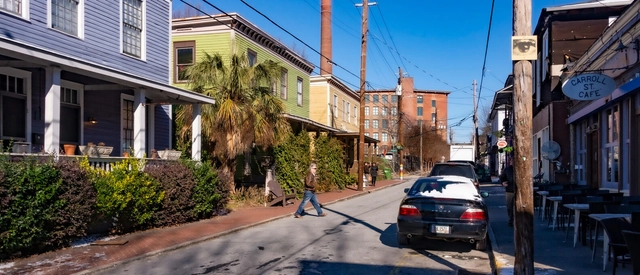
Of the four types of recovery facing American cities and towns—disaster, sprawl, disinvestment, and the recovery of community for those fleeing climate change—the recovery of places from serious disinvestment arguably gets the least amount of press today. But with reasonable effort, it’s the recovery type most likely to bear fruit. This is true for several reasons, beginning with the likelihood that many of the bones of sustainable placemaking are still in place. Newly built places, even if skillfully designed, often face the criticism of “lack of authenticity,” whereas places recovering from disinvestment abound with authentic scars from decades of distress. And places with humble origins were usually built in smaller increments than once-wealthy places, so the tighter rhythms of such places are inherently more interesting than those of grander scale early in recovery.
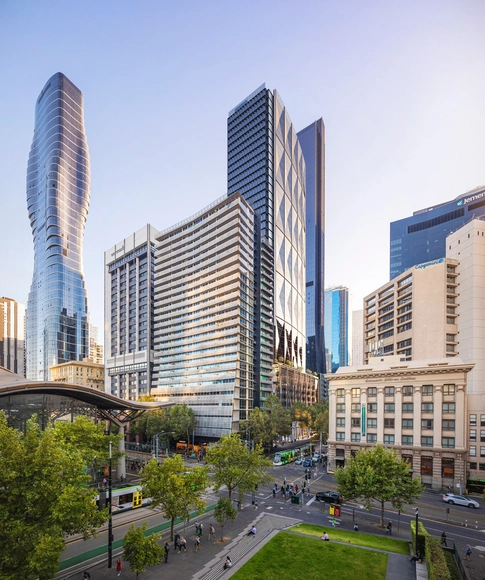
Global real estate developer Hines has announced the launch of 600 Collins, a new premium-grade office tower in the heart of Melbourne’s central business district. The tower will be designed by international architecture practice WilkinsonEyre and Australian architecture and design firm Architectus, with a strong focus on wellness, workplace, and optimized tenant experience, while integrating best practices in all facets of environmental, social, and corporate governance.
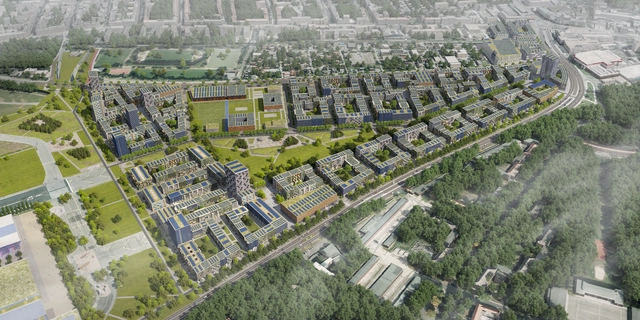
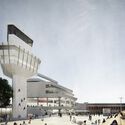
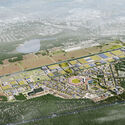
The former Berlin-Tegel Airport is set to be redeveloped. The master plan includes the Schumacher Quartier, a new residential district with 200 hectares of landscaped area, and a research and industrial park for urban technologies, Berlin TXL – the Urban Tech Republic. Besides creating a space for industry, business, and science, the innovation park aims to research and test urban technologies. The park will focus on major themes in the development of cities: the efficient use of energy, sustainable construction, eco-friendly mobility, recycling, networked control of systems, clean water, and the application of new materials.
Videos
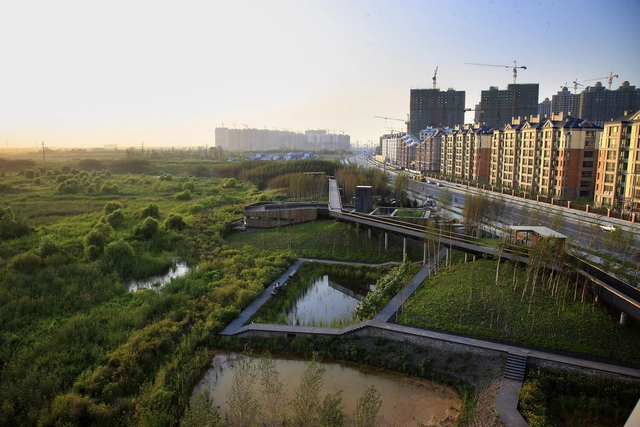
Qunli Stormwater Wetland Park / Turenscape. Image Cortesia de Turenscape
Eucalyptus forests in Australia are known to burn periodically. It is the trees' way of ensuring propagation, as its fruits – known as gumnuts – have an insulating layer breaks down with the heat of the fire. Once they open, the burnt soil is covered with seeds, initiating a process of forest renewal. Glenn Murcutt, an Australian architect, has created a body of work rooted in the country's landscape. His innovative houses embrace the possibility of frequent fires, including elements that allow for fire control with the least possible loss. In short, the houses are built with very non-flammable materials, always have huge water reservoirs, and a “flood system” that allows the building and its immediate surroundings to be spared in the case of a forest fire.
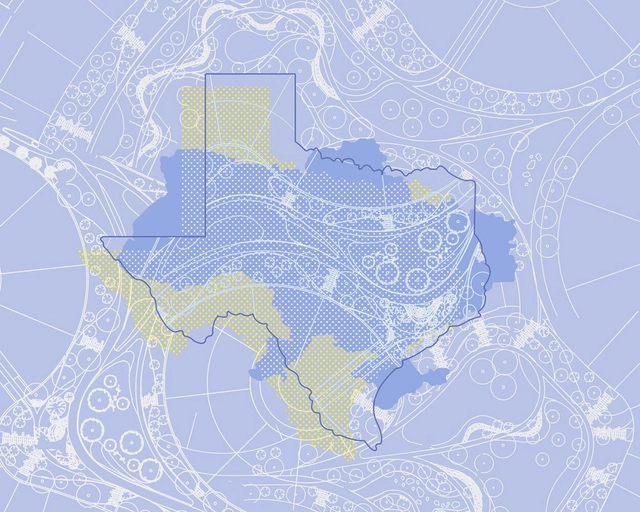
A graphic created by SWA Group overlays Texas (home to multiple SWA offices), Ukraine, and the work of new Ukrainian team members for a shared project in Egypt.. Image Courtesy of SWA Group
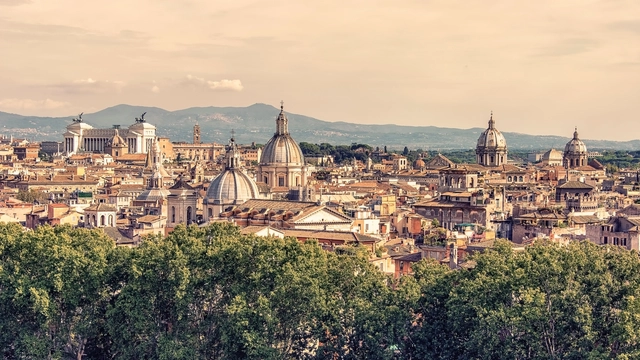
In line with the United Nations agenda of climate neutrality by 2050, the Rome City Council has announced the establishment of a Laboratory titled “Laboratorio Roma050 – il Futuro della Metropoli Mondo", a project proposed and led by Italian architect Stefano Boeri, which aims to draw up an ecological vision for Rome in 2050. The urban regeneration project consists of 12 young architects and urban planners under the age of 35, along with 4 renowned architects as mentors, who collectively have specific experience in terms of studies and research regarding the Italian capital.
“Sick Architecture” opened on May 5th at CIVA in Brussels. Co-curated by Beatriz Colomina, the exhibition investigates the intrinsic relation between architecture and sickness. The architectural discourse always weaves itself through theories of body and brain, constructing the architect as a kind of doctor and the client as the patient. Architecture has been portrayed as a form of prevention and cure for thousands of years. Yet architecture is also often the cause of illness, from the institution of hospitals to toxic building materials and sick building syndrome. The outbreak of the COVID-19 pandemic further highlighted this topic.
UN-Habitat has just released its annual World Cities Report during the eleventh session of the World Urban Forum, which took place in Katowice, Poland from June 27 until June 30, 2022. Titled “Envisaging the Future of Cities”, the 2022 release highlights insights on the future of the urban realm, based on “existing trends, challenges, and opportunities, as well as disruptive conditions, including the valuable lessons from the COVID-19 pandemic”. In fact, it seeks to present cities with ways to be prepared for future challenges and address current issues.
As the global population living in urban areas is set to rise from 56 percent in 2021 to 68 percent in 2050, mainly in Africa and the Middle East, transforming our cities in order to achieve a better future should be a global interest. Urgently needing “innovative solutions for urban areas to respond to this triple C crisis of COVID, climate and conflict” as stated by UN Under-Secretary-General and Executive Director of UN-Habitat Maimunah Mohd Sharif, the 2022 World Cities Report calls for greater commitment by national, regional and local governments, and encourages the further adoption of innovative technologies and urban living concepts.
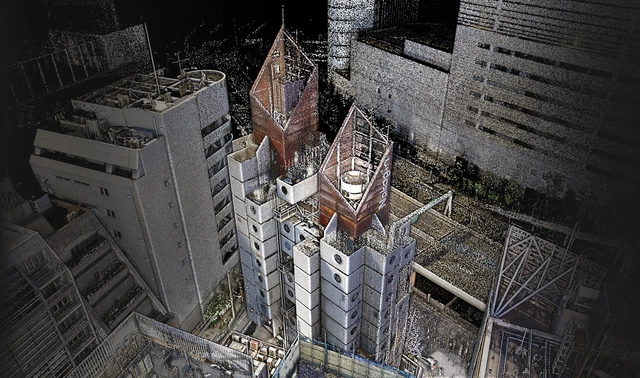
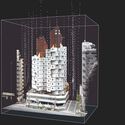
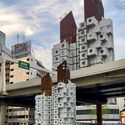
Japanese digital consultancy Gluon plans to preserve the Nakagin Capsule Tower Building in Tokyo, one of the most representative examples of Japanese Metabolism by Kisho Kurokawa. The “3D Digital Archive Project” is using a combination of measurement techniques to record the iconic building in three dimensions and recreate it in the metaverse. The tower is currently being demolished due to the structure's precarious state and incompatibility with current seismic standards, as well as the general state of decay and lack of maintenance.
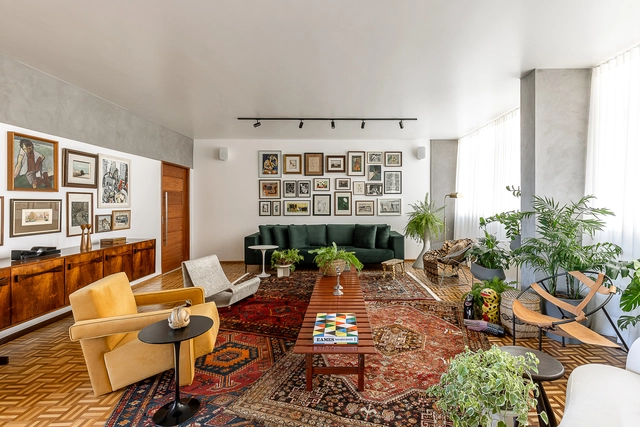
Rugs are not items that usually go unnoticed in residential environments. In addition to warming the environment and making them more cozy, when used correctly, rugs connect the furniture and give unity to the decor. Here are some tips on how to properly size and choose this item in your home.
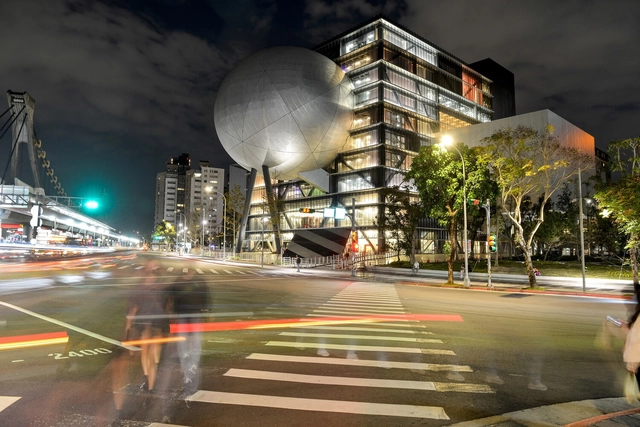
Taipei Performing Arts Center designed by OMA has opened to the public. The project jointly led by Rem Koolhaas and David Gianotten is located at Taipei’s Shilin Night Market. The contemporary performance theatre generated debates among architects when it was first announced in 2009 due to its unusual shape. Morphed by a series of programmatic operations, the form intersects three types of theater in order to accommodate a variety of performances. Now this place for cultural creatives is open, allowing the public to explore new possibilities in performing arts and experience different aspects of the theater.
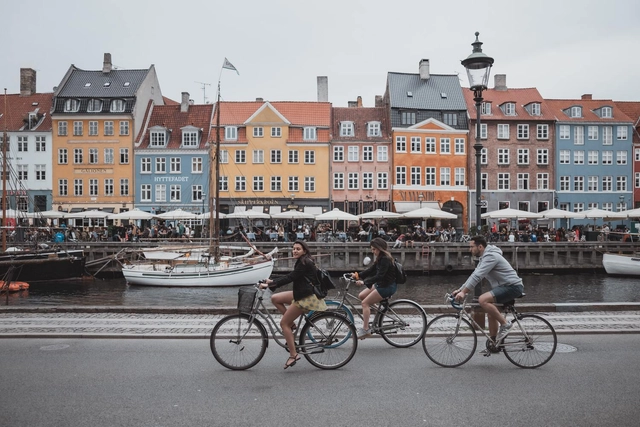
According to the World Happiness Report, Denmark has continually topped the survey of happiest countries for years. Copenhagen, the capital of Denmark, is known for its brightly colored waterfront buildings and radical contemporary architecture, both reflecting the joyful ethos of the city. The maritime metropolis is an urban designer’s favorite case study with its carbon-neutral infrastructure, pedestrian and bike-friendliness, and thriving public realm.Danish designers have cracked the code to build happier cities, leaving plenty of models to learn from.








.jpg?1658430879&format=webp&width=640&height=580)