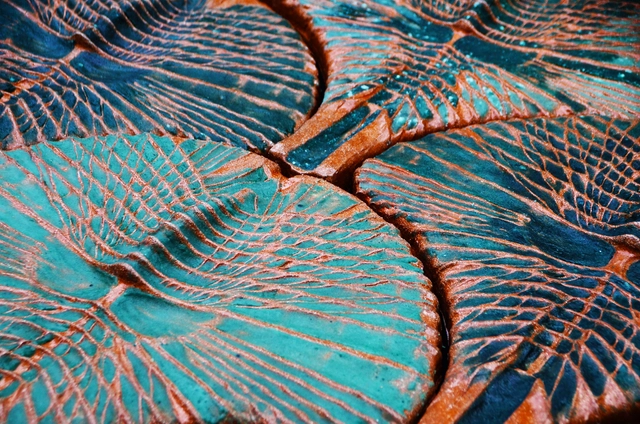
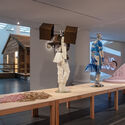
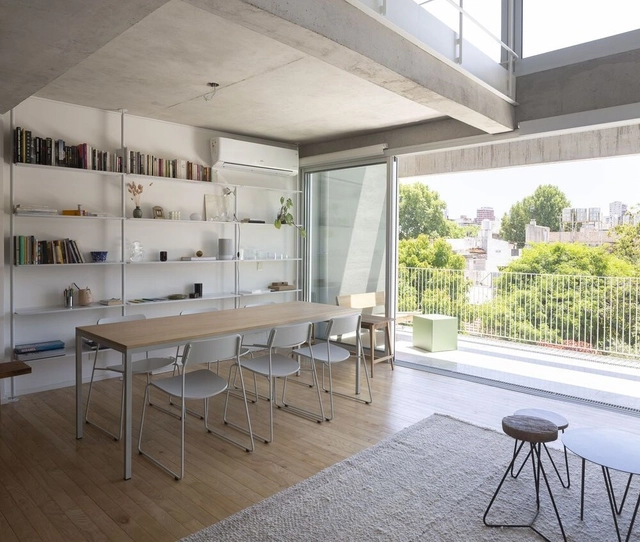
Indians have traditionally lived close to the earth, their cultures shaped by symbiotic relationships with ecosystems. Indian arts and crafts strongly rely on nature for its form, philosophy, and existence. Native landscapes aroused the artistic sensibilities of resident communities, evolving craft practices that met utilitarian and ritualistic needs. The intersectionality of ecology and culture is evident through ancestral forms of craft.
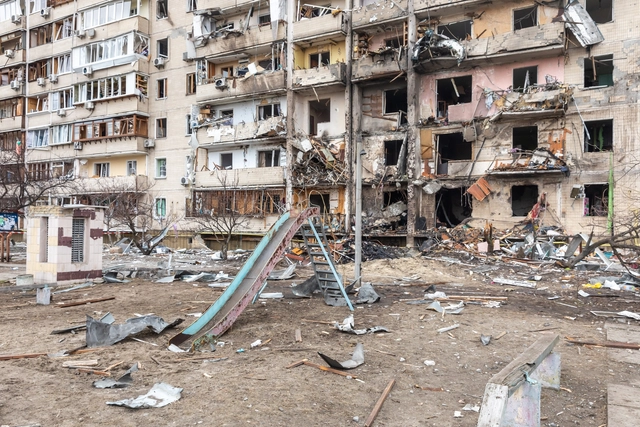
This week marks six months since Russia launched its war and invaded cities in Ukraine, causing detrimental destruction on a local and global scale. Since the beginning of the war, millions of Ukrainians have been internally displaced, losing their homes, businesses, and families. UNESCO has verified damage to 139 sites, including 62 religious sites, 12 museums, 26 historic buildings, 17 buildings dedicated to cultural activities, 15 museums, and seven libraries across Kyiv, Chernihiv, Kharkiv, Zaporizhzhya, Zhytomyr, Donetsk, Lugansk, and Sumy.
To help mitigate the devastating repercussions of the war on Ukrainians and the country's heritage, several humanitarian, preservation, and economic initiatives have been put in place by NGO's and governments from across the world.
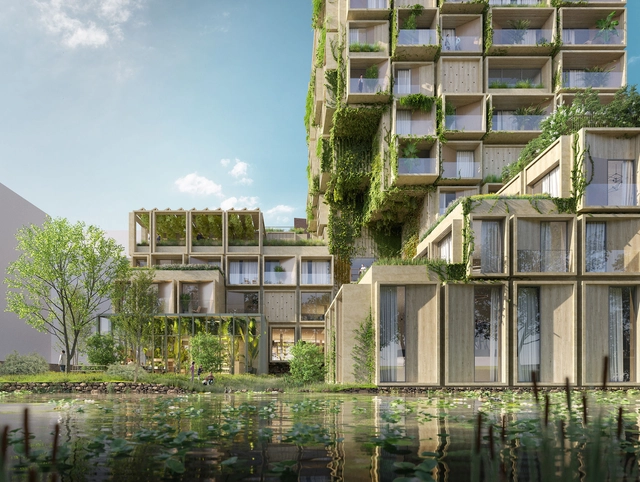
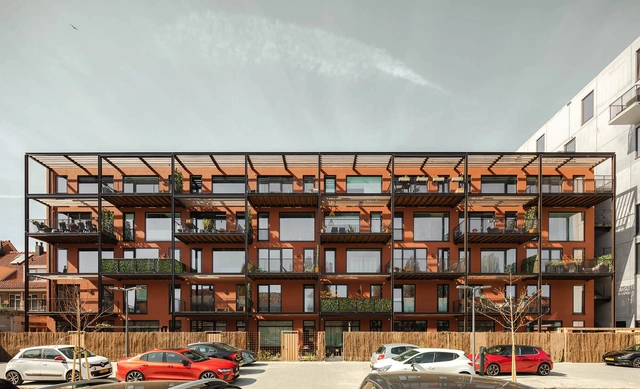
The new apartment complex designed by Venhoeven CS and DS Landschapsarchitecten is characterized by the intention to stimulate biodiversity. Located on a four-acre plot in the Sluisbuurt on the Zeeburgereiland in Amsterdam, the complex will include 82 homes, a parking garage, and spaces for shops and businesses. The nature-inclusive project pays special attention to the design of green roofs, terraces, and facades to create micro-environments for local flora and fauna and to optimize energy consumption.
Discussions of architectural form demonstrate how disability is negatively imprinted into the field of architecture. In architectural theory and the history of architecture, “form” typically refers to the physical essence and shape of a work of architecture. In the modern idea of form, it is a quality that arises from the activity of design and in ways that can be transmitted into the perceptions of a beholder of architecture. Form provides a link between an architect’s physical creations and the aesthetic reception of these works. It occupies a central place within a general understanding of architecture: the idea of the architect as “form-giver,” among many other turns of phrase, conveys the sense of some fundamental activity and aesthetic role of form within architecture, what architects create, and how people perceive works of architecture.
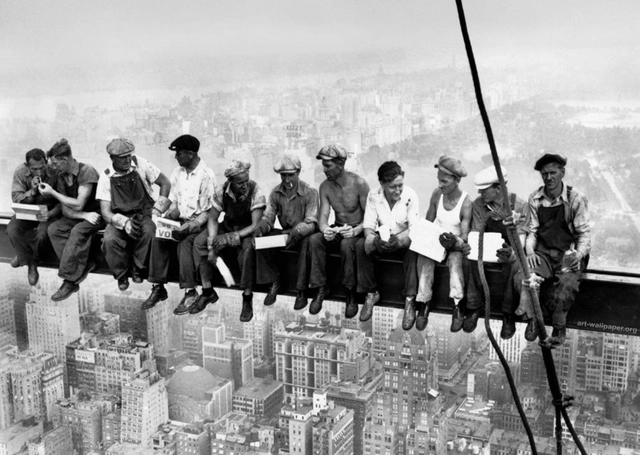
On August 19th, the world photography day is celebrated, a fundamental tool for the imagery record of our society. If, on the one hand, photography is the protagonist in dialogues that involve architecture and the city, portraying historical moments and enhancing buildings, on the other hand, it guides us through the context and backstage of the moment, eternalizing the process.
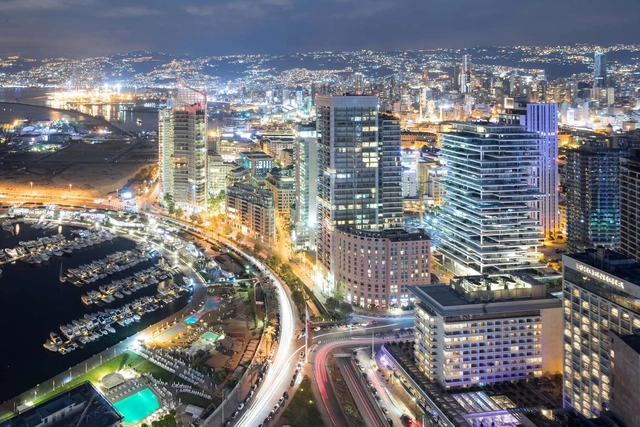
Situated on the coast of the Mediterranean Sea, Beirut is one of the oldest cities in the world that has been shaped throughout its 5,000 year history by Phoenicians, Romans, Greeks, and the Ottomans. The Lebanese capital has been for decades a cosmopolitan city and a focal cultural and geographical link between Europe and the Middle East.
Often labeled as a resilient city, Beirut has been subject to numerous devastating events throughout its history, from a brutal 15-year civil war to one of the biggest non-nuclear blasts in history. Nowadays, the city boasts a skyline full of contrasts, where contemporary buildings rise alongside Ottoman, Roman, and Byzantine ruins. Its architecture, along with its renowned cuisine, distinguished night life, archaeological sites, and hospitable people have reclaimed it as a sought-after touristic destination.
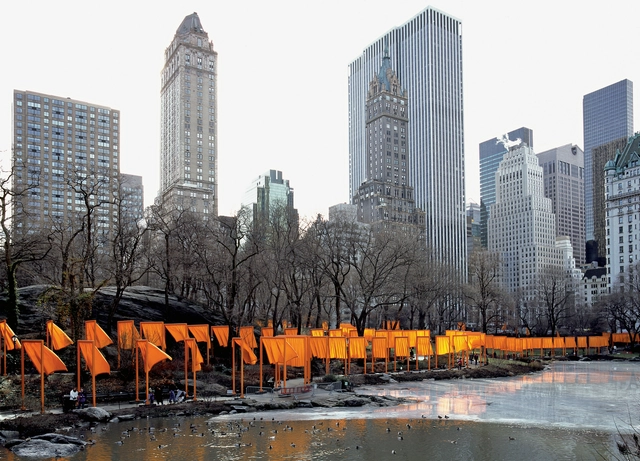
Hexton Gallery has announced the opening of “Christo and Jeanne-Claude: Ephemeral Nature,” a curated exhibition that showcases never-seen-before works from Christo and Jeanne-Claude's private collection. The exhibition will feature an extensive selection of original drawings, collages, and wrapped objects from the couple's private collection, many of which have never been shown to the public until now. The gallery, in collaboration with the Aspen Institute and the Christo and Jeanne-Claude Foundation have also launched a year-long program focused on the artists’ pioneering impact on environmental art, celebrating the 50th anniversary of their 1972 Valley Curtain project in Rifle, Colorado.
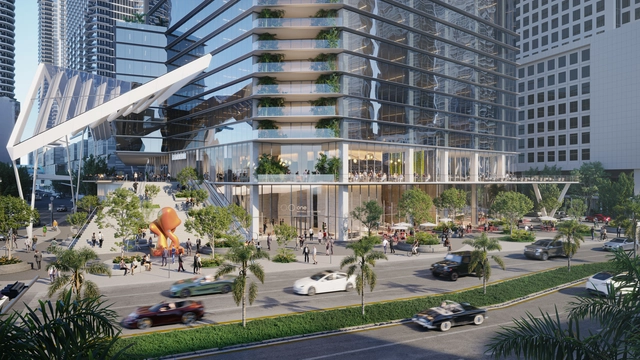
One Brickell City Centre by Arquitectonica. Image Courtesy of Swire Properties Inc and Related Companies
Arcquitectonica unveiled the design of One Brickell City Centre, an approximately 1,000-foot (approximately 300 meters) office tower planned to become the tallest commercial tower in Florida. Located in Miami’s financial district on Brickell Avenue, the office building represents the second phase of Brickell City Centre, a 4.9-million-square-foot (450,000 square meters) mixed‐use development that opened in 2016. One Brickell City Centre is developed by Swire Properties Inc. and Related Companies. Construction it set to begin in 2023.
Hard times bring people together. In recent years we have seen how collective work can be a driving force to help those affected by natural or man-made disasters. After a disaster or displacement, a safe physical environment is often essential. Therefore, the need for coordination becomes a key factor in assisting people in times of need.
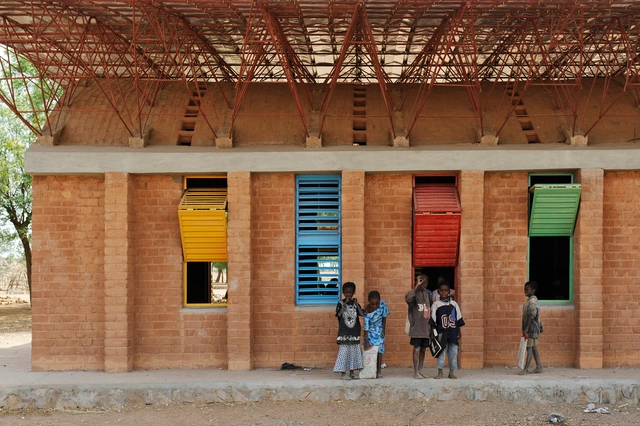
Architects, as "Shelter Specialists", play an important role in creating safe and adequate environments, whether it is individual housing, public buildings, schools, or emergency tent camps. But as architect Diébédo Francis Kéré says, "When you have nothing and you want to convince your community to believe in an idea, it may happen that everybody starts working with you, but you need to keep fighting to convince them."
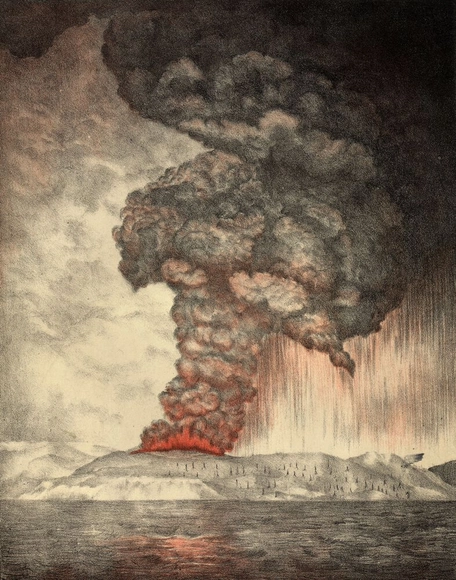
On August 27th, 1883, the volcano of Krakatoa in the Indonesian islands erupted. Ashes and rocks flew miles high. Barometers wobbled three and a half times as they recorded the atmospheric pressure wave circumnavigating the globe. The noise was heard across the Indian Ocean and Australia. And for years, small ash particles floated in the atmosphere, diffusing the sun’s light and scattering colors around the world.
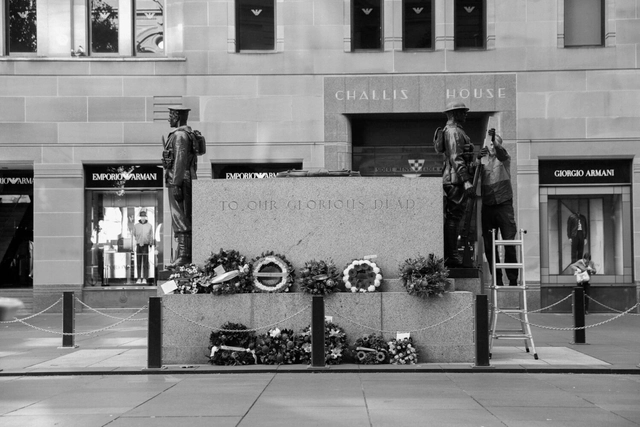
In October 2011, inspired by the Arab Spring revolutions, thousands of people in Australia and in many other cities in the world started to occupy public spaces. In Sydney, where I live, this occupation took place in Martin Place, appropriately enough right outside the Reserve Bank of Australia. This widely publicized protest was an attempt to promote a pro-democracy, civil liberty, social justice message, and to protest against corporate greed and economic inequality.
All of which begged a central question: Was it an occupation of our public space, or was it a reclamation of our public space from governmental and corporate dominance?
Over the years, ArchDaily has brought us the most innovative architecture projects through the eyes of creative specialized photographers. Their captures bring us closer to the works, reflect the vision of the architects and, above all, transmit and generate the most varied emotions.
From conversations with these talented photographers, we can understand, at least a little, what they feel when facing an architectural project with a camera in hand.
Andrés Jaque has been appointed as the new dean of the Columbia University Graduate School of Architecture, Planning and Preservation (GSAPP). Having taught at Columbia since 2013 and directed the School’s Master of Science program in Advanced Architectural Design since 2018, Jaque will assume his position on September 1, 2022.
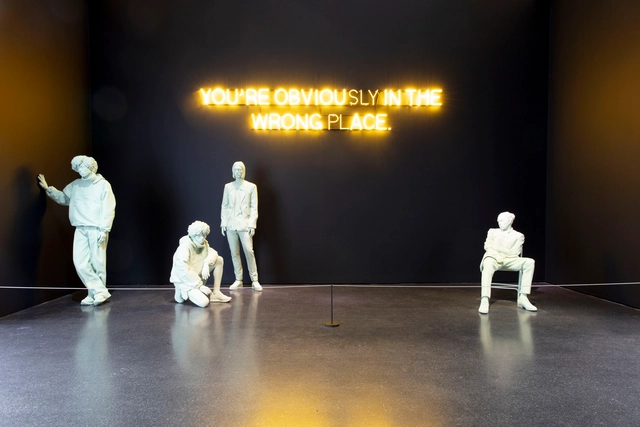
In honor of Virgil Abloh's prolific legacy in the fields of architecture and design, the BrooklynMuseum has put together "Figures of Speech", an exhibition that offers visitors an unprecedented look into the artist’s work of over nearly two decades. Running from July 1st, 2022 until January 29th, 2023, the artist's prototypes are presented alongside finished works of art, products, and fashion designs, along with his myriad inspiration, from centuries-old paintings to contemporary signage at construction sites.
Adam Neumann, the co-founder of co-working company WeWork, is launching Flow, a new venture that hopes to transform the residential rental real estate market. While the details are still unclear, the company seems to be focused on creating a branded product with a focus on community features, as reported by The New York Times. The company received financial support, approximately $350 million, from Andreessen Horowitz, a prominent Silicon Valley venture capital firm and one of the early investors in Facebook and Airbnb. Flow is expected to launch in 2023.
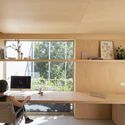
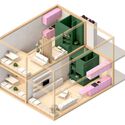
“In recent years, we have been confined to our homes more and more,” says health mentor and entrepreneur, Enitor Joiner. “This has made us more aware of the (dis)comforts of our immediate living environment. For example, sitting still for long periods while working at home leads to physical complaints such as RSI. A poor living environment can also cause stress and and mental challenges. Loneliness is a growing problem in society, and a general lack of knowledge of healthy living patterns has led to an increase in disease. With this in mind, Marc Koehler Architects and I got to work by asking ourselves: how can we create a pleasant living environment that automatically contributes to a healthy lifestyle?”
https://www.archdaily.com/987445/is-comfort-killing-usMarc Koehler Architects and Enitor Joiner
LaBoqueria is an architecture studio in Barcelona that has the experience of multiple local and international collaborations. This global, multidisciplinary and participative perspective allows them to have a renewed and different vision of architecture.
Focusing on social, economic and environmental aspects, they seek to approach their projects in a comprehensive way, bringing together the different people involved in the process. Among their works are the housing building La Balma carried out together with the architects' cooperative Lacol; the Reformation of premises together with Marta Peinado Alós; and the Ca's Bouer House together with Jordi Queralt.
ArchDaily, interested in collaborative and participatory processes through the theme Democratization of Design, conducted an interview with LaBoqueria to learn about their main inspirations, challenges and visions.
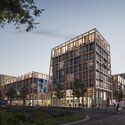
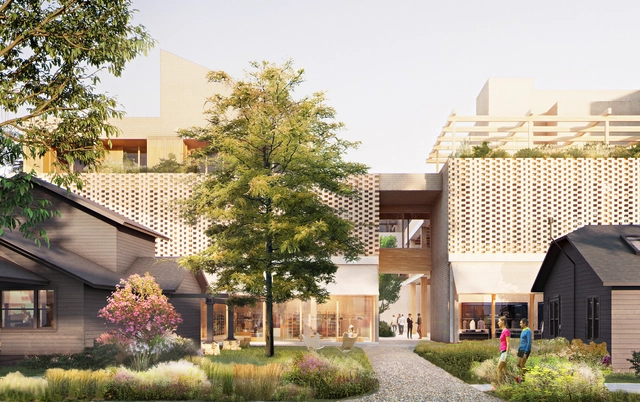
Herzog & de Meuron have unveiled their latest mixed-use development in one of Austin, Texas' most desirable districts. Dubbed ‘Sixth & Blanco’, the continuous horizontal wooden structure is nestled between vernacular store fronts, restaurants, stores, galleries, tree-lined streets, and walkable routes near the Clarksville neighborhood. The challenge of the project was to propose an architecture that takes key ingredients from its surroundings and distributes them throughout a dense yet permeable program.