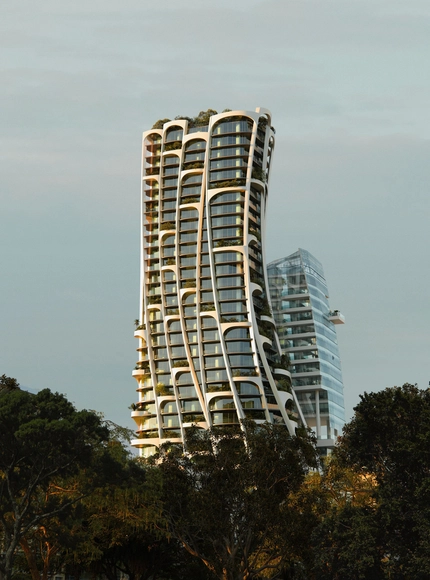
The architecture firm MAD Architects, based in Beijing, China, has presented the design of its first project in South America, the mixed-use "Qondesa" tower in Quito, Ecuador, which will soon become the tallest building in the city.


The architecture firm MAD Architects, based in Beijing, China, has presented the design of its first project in South America, the mixed-use "Qondesa" tower in Quito, Ecuador, which will soon become the tallest building in the city.
Following findings from a study published in the Nature Ecology & Evolution journal this April, it has become public knowledge that the phenomenon dubbed the Great Pacific Garbage Patch (an area of 620,000 square miles between California and Hawaii) is serving as host to an entire coastal ecosystem. Marine wildlife is using the massive area compiled of human plastic waste as a floating habitat, and scientists are shocked at the number of species that have managed to establish life in this otherwise hostile environment.
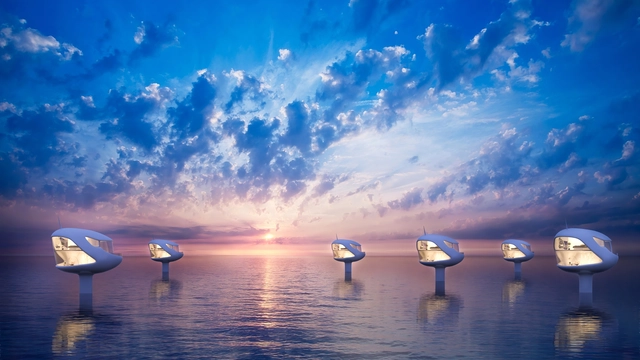
The news once again brings into sharp focus not only pressing issues of climate change and ocean pollution but also the question of environmentally-induced migration, even at a microbial level. Architecture is moving into more and more experimental realms when it comes to considering locations for the communities of our future – and rising sea levels have promoted water to the top of the list. But these deliberations are not as recent as one might think: floating cities have been around for centuries and individual homes on water are common in areas of Benin, Peru or Iraq, among others.
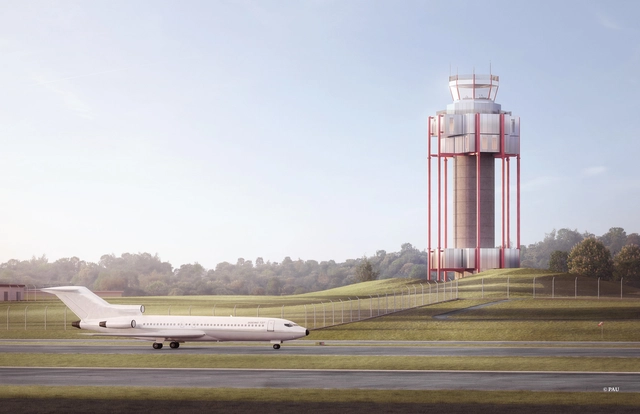
The Federal Aviation Administration has chosen the New York-based Practice for Architecture and Urbanism (PAU) studio to design the country's newest air traffic control towers. I.M. Pei's iconic mid-century towers will be replaced by PAU's adaptable and highly sustainable prototype, which offers a unique architectural solution that combines form and function for the twenty-first century. The new towers are vital to U.S. Transportation Secretary Pete Buttigieg's goal to reach net-zero greenhouse gas emissions from the U.S. aviation sector by 2050. They have been updated to reflect aviation technology, safety development, and changing environmental and climatic conditions.
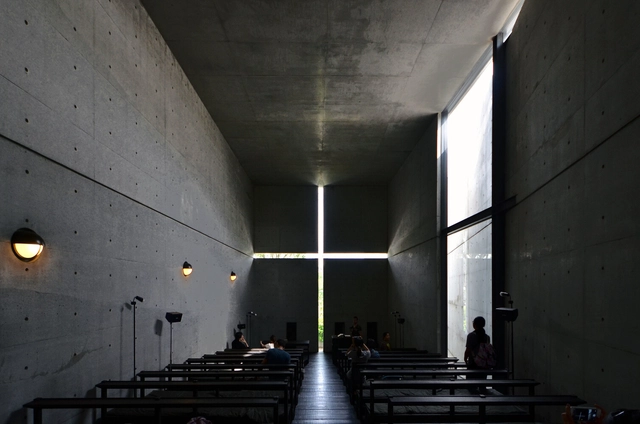
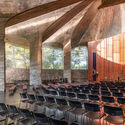
The use of light in religious constructions as an element of association with the divine has been present throughout the history of humanity. Historically, a series of temples from various religions have used this technique as an attempt to visually and perceptibly approach humans to a sacred and intangible dimension. Light is often given a spiritual connotation and significant symbolic force, capable of modifying people's relationships, perceptions, and experiences with their surroundings. Thus, it is an element that has been, and still is, used by architecture to create scenarios and effects in many religious spaces, especially churches.
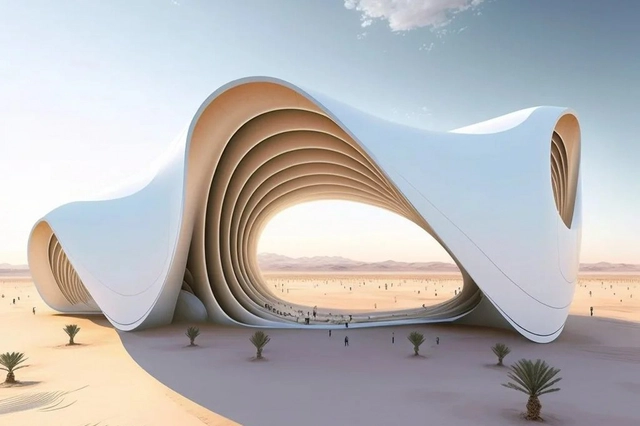
“Can you help me design my residential tower? It's 30 stories and located in Brooklyn, New York.” ChatGPT’s response may be surprising. Given that the bot has no architectural experience, and is certainly not a licensed architect, it was quick to rattle off a list of considerations for my building. Zoning codes, floor plan functionality, building codes, materiality, structural design, amenity spaces, and sustainable measures were just a few of the topics ChatGPT shared information about.
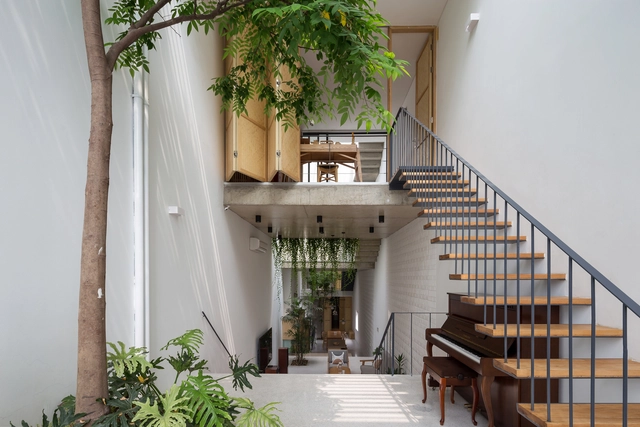
Rising living costs are relevant hurdles to young people, seeking a place to live, while much older generations might find it more difficult to settle into comfortable post-retirement settings. These general issues have been pushing forth a recurring solution, namely a return to multigenerational family living.
While communal living concepts and developments had been adopted in recent years, familial involvement is proving to be a financially, legally, and emotionally viable alternative.
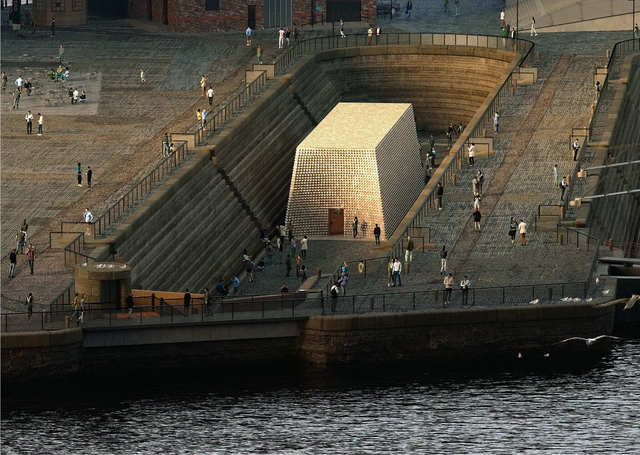
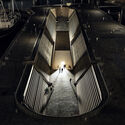
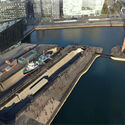
National Museums Liverpool (NML) has revealed a revised version of the redevelopment of the city’s waterfront, led by architect Asif Khan and artist Theaster Gates. The plans include the redesign of the public spaces at Canning Dock, a historical area central to the Liverpool docks. As part of the Waterfront Transformation Project, the interventions aim to create accessible public spaces to better serve the community and to create a link between the surrounding museums. The preliminary proposal is now open for public consultation.
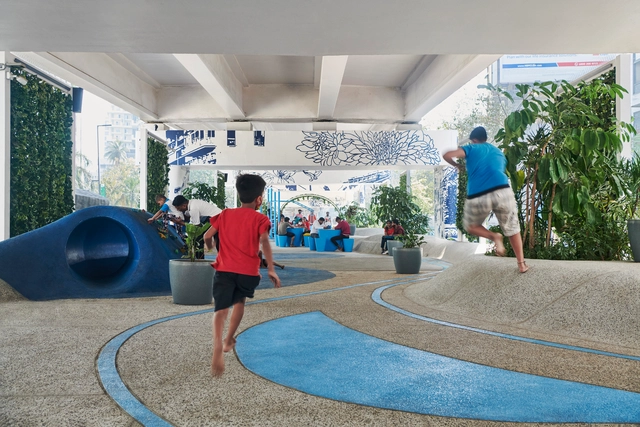
Playful cities promote play, leisure, and creativity in their public spaces and architecture. It offers opportunities for gatherings that help develop communities socially and culturally, improving the quality of life and providing essential elements for healthier and more balanced habits. They directly influence citizens' cognitive and emotional development by stimulating creativity and imagination through spaces designed for fun.
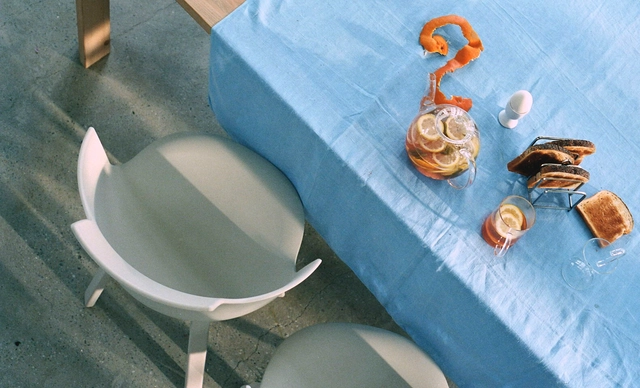
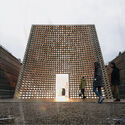
Milan Design Week is an annual festival that returned to Milan this April, with as a main event, The Salone del Mobile, which runs from April 18 to 23, 2023, at the Fiera Milano exhibition venue. Over 370,000 people attended the furniture fair this year, while thousands of design studios presented furniture, lighting, appliances, kitchen, bathroom, outdoor and workstation products. To highlight furniture and object design and the broader context of Milanese architecture and culture, many architectural offices collaborated with various businesses to make architect-designed items and construct architectural installations.
Reputable architects participated in the week-long event as they do every year, using products, furniture, and installations to share their expertise, address some of the most pressing issues facing the field, and demonstrate how their work can benefit the environment and society. Many firmly established architecture studios, from Foster + Partners, Mario Cucinella, and Hassell, designed various products. Furthermore, architects such as The New Raw, Snøhetta, and Studio Etienne Bastormagi have designed products focusing on efficient and sustainable systems that can inform future decision-making.
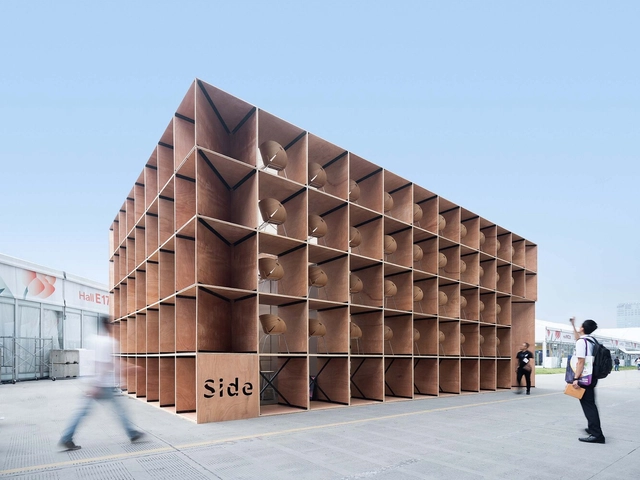
Temporary pavilions and installations, such as those used in events, exhibitions, or festivals, present themselves as a great challenge when addressing the circular economy in architecture due to their ephemeral condition. It seems contradictory to address resource management and try to extract the maximum value from the materials and minimize waste and pollution while designing a structure that is meant to be used for a limited period of time. However, there are several strategies to rethink the way we are designing these structures in order to promote circularity.
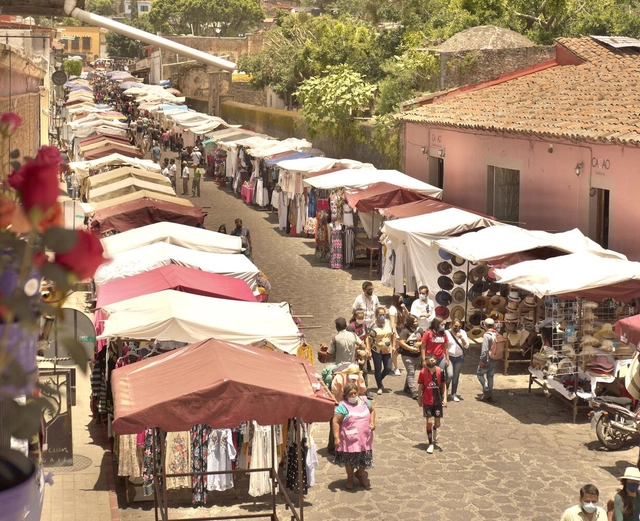
Commerce is a human activity practiced by societies since the beginning of evolution. Exchanges were made between products negotiated by entire communities at first. They began to be based on a common currency and practiced individually over time, from family to family. In one way or another, this activity is a characteristic of civilization and even influences our territorial organization. Historically practiced in outdoor spaces, commercial activity defined many spatial configurations.
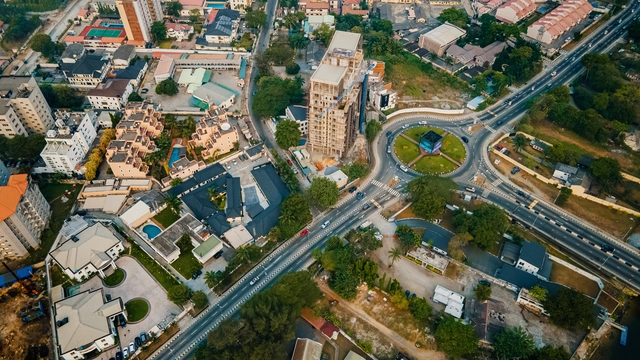
African cities are expected to experience a significant increase in population over the next 30 years. According to United Nations projections, these cities will welcome an additional 900 million inhabitants by 2050. This demographic shift will create both opportunities and challenges that will reshape the nature and structure of these cities. These challenges include the need for economic growth, increased demand for housing and infrastructure, and the development of supplementary transportation systems. So far, most African cities have responded to this rapid population growth with sprawling horizontal development patterns that expand the fringes of the city, increase social fragmentation, and ultimately lead to greater car dependency.
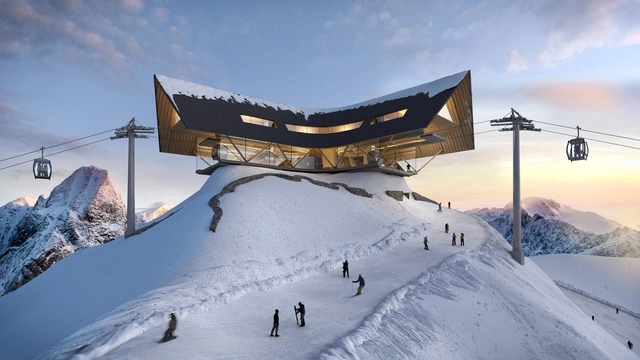
Peter Pichler Architecture has been invited to participate in a private competition for the design of a set of Ski Facilities in Ponte di Legno, Italy. The project includes the addition of three new cableway lines for the ski resort, each marked by an architectural intervention designed to provide shelter and dining options. The buildings also include exhibition spaces dedicated to the preservation of the cultural, natural, and historical heritage of the site.
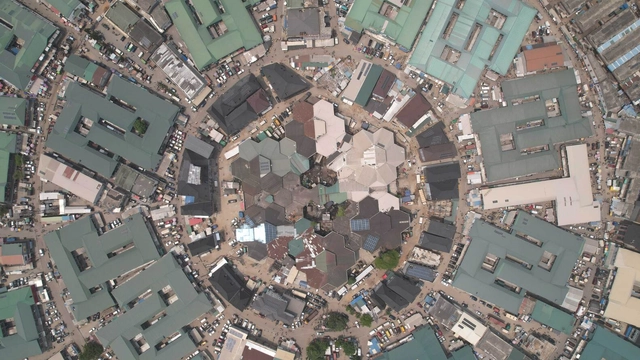
The National Pavilion of Serbia, curated by Iva Njunjić and Tihomir Dičić, has just announced its exhibition at the 2023 Venice Biennale, which explores architecture's futures, presents, and pasts through the lens of an international Trade Fair in Lagos, Nigeria, in 1977. The trade fair was a product of non-aligned cooperation between Yugoslavia and Nigeria.
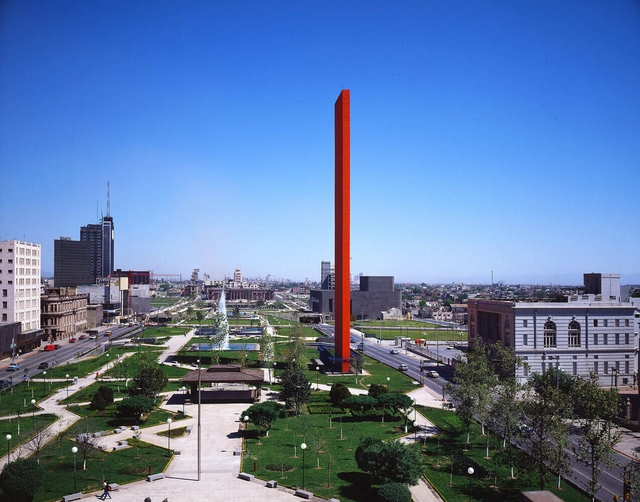
March 9 marks the birthday of one of the most important Mexican architects worldwide. A pioneer of the Modern Movement in Mexico whose work has transcended geographical limits to be studied by different generations of architects who have rewritten his teaching to make it their own. Every year, this date represents the perfect excuse to rethink Barragan's legacy to architecture not only in Mexico but also in the world, and different projects have been carried out with this intention, awakening the interest of new generations. However, until a few years ago, the record of the architect's work was not very accessible since more than 50% of the projects he built remained anonymous due to the lack of a proper archive of his work.
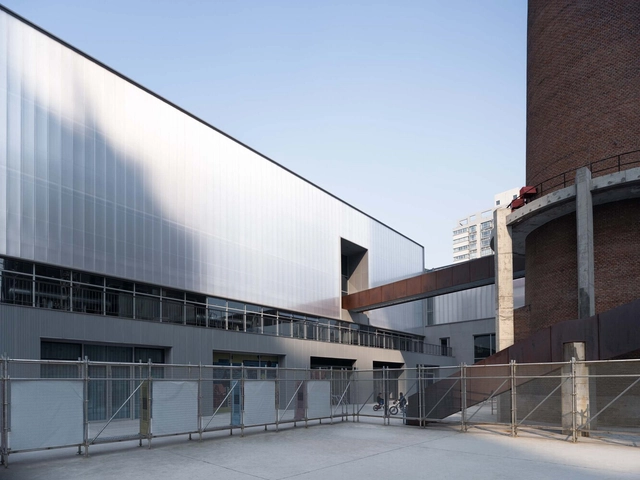
These days, the architecture industry cannot disregard how significant the challenge of sustainability has become. One strategy for achieving sustainable development is a circular economy, based on a sustainable life cycle. This strategy minimizes resource usage and extends the useful life of buildings from a design perspective. Moreover, another challenge is how to increase the usability of the building itself, in addition to how we've incorporated building disassembly into the cycle. This requires that designers take the future into account when making design decisions, integrating the requirements of the present with the potential outcomes of what has not yet happened.
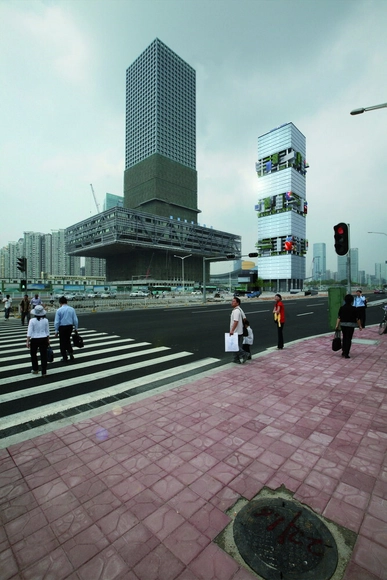
This article was originally published on Common Edge.
There’s no shortage of slippery slopes in the architectural lexicon: “architectural” and “architectonic” hover near the top of the list. Problems invariably arise when the modifier supplants the modified. This happens more than you’d think, especially of late. A wholly separate issue arises when owing partly to a linguistic slight of tongue, architecture is understood as something distinct from the building, eschewing physical inhabitation.

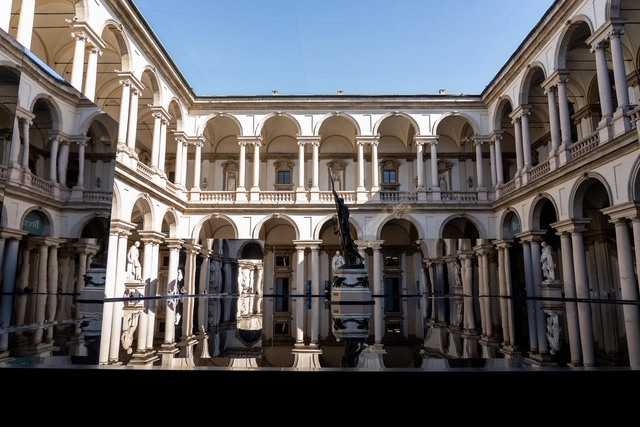
Milan Design Week represents one of the biggest annual design events in the world, bringing together Salone del Mobile.Milan, the largest furniture and design trade fair worldwide, and Furiosalone, along with many other exhibitions, product launches, conferences, and design-related events. This year’s edition, held between April 17th, 2023 and April 21st, 2023, brought together architects, designers, manufacturers and enthusiasts, both Italian and international. Many architectural offices contributed by collaborating with various brands to develop architect-designed products and to create architectural installations to highlight not only furniture and object design but also the larger context of Milanese architecture and culture.
Featuring designs from internationally recognized architecture offices such as OMA, MAD Architects, Stefano Boeri Interiors and CRA-Carlo Ratti Associati, the following selection showcases temporary interventions in both historical and contemporary contexts. The designs present several recurring themes, such as the interest and fascination with the properties of water, be it contained within man-made structures or in its natural state. Many of the participating companies chose to showcase not only their products but also the historical architecture of Milan, by using buildings such as Pinacoteca di Brera, Casa Maveri, or the deconsecrated church of San Vittore e 40 Martiri as a backdrop for their installations.