Climate issues have been the main topic of discussions about the future of cities, but they are certainly not new. The warning about human irreversibility on the planet has been part of scientific discourse since the 1980s. Faced with increasingly frequent environmental urgencies, Donna Haraway, in her book Staying with the Trouble: Making Kin in the Chthulucene, suggests a change in attitude on the part of humans to ensure not only partial environmental recovery but the species' survival.
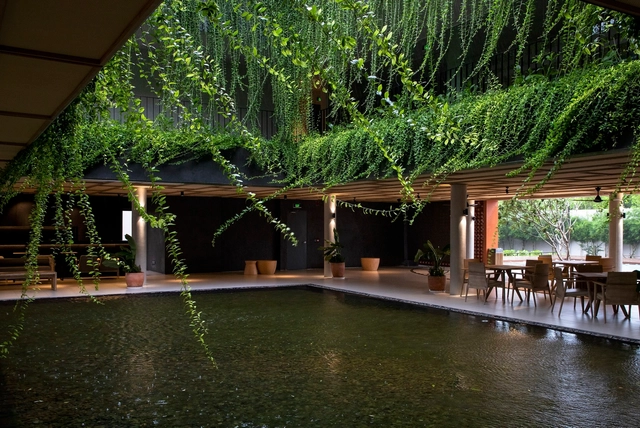
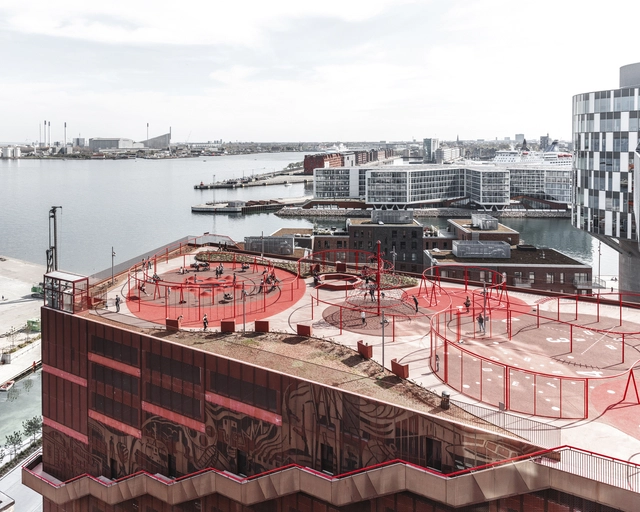
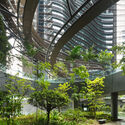
In increasingly denser urban environments, there is a new-found interest in underused spaces as opportunities for further development. Representing up to 25% of cities' land area, rooftops are among the most exciting spatial resources. From sustainable infrastructure and urban farming to social spaces and cultural venues, the article looks into the potential of creating a multi-layered city through the activation of urban rooftops.
As its full title somewhat implies, Nicholas Dagen Bloom’s new book, The Great American Transit Disaster: A Century of Austerity, Auto-Centric Planning, and White Flight (University of Chicago Press), tells the whole grisly story of how, in less than a century, the U.S. changed from a rail-connected nation of cities and towns to a sprawling network of increasingly congested roads. A historian and a professor of urban policy and planning at Hunter College, Bloom rejects the sort of conspiracy-driven narratives around transit’s demise and comes to an uneasy conclusion: America essentially chose the car for a variety of reasons, only one of which was automobile company collusion. I talked with Bloom about why transit in the U.S. collapsed, why it turned out differently in European cities, and the hopes for a transit renaissance.
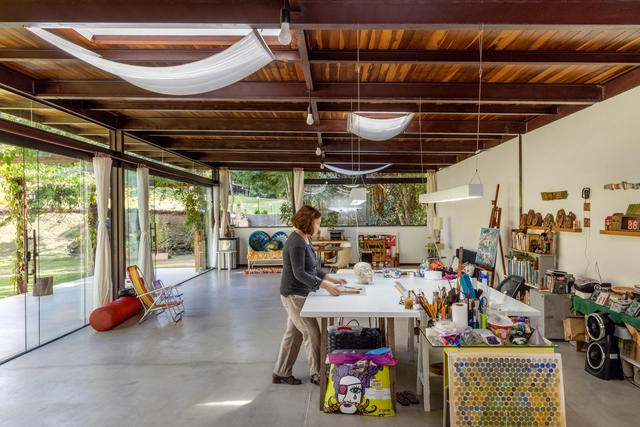
Change is hard, especially when it’s being forced upon you. But change can often be a good thing, too. Forcing growth and refreshing vitality. Those first few months after a child flies the nest are the hardest to bear when having to get to grips with the new normal of a quiet, lonely household.
Just as many soon-to-be-parents hit a sudden period of ‘nesting’ before the stork’s arrival, those on the other end of the child-rearing timeline experience an opposing feeling of grief when their home with a child reverts back to one without. Feelings of emptiness, loneliness, and a lack of purpose are joined by anxiety for them and their new life, and the loss of parental identity.
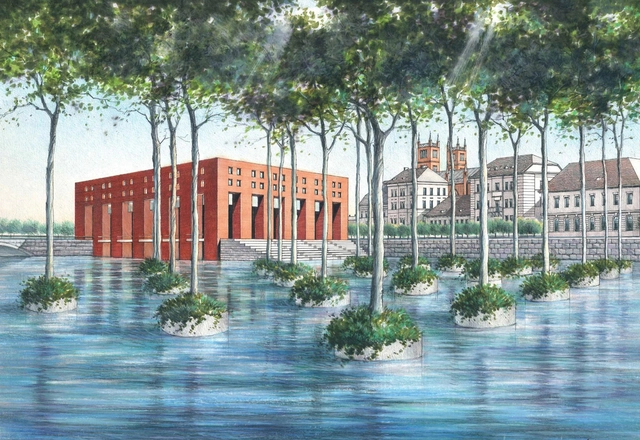
Perspectiva exterior por Nicolás Belcic. Image Cortesía de Bruno Stagno
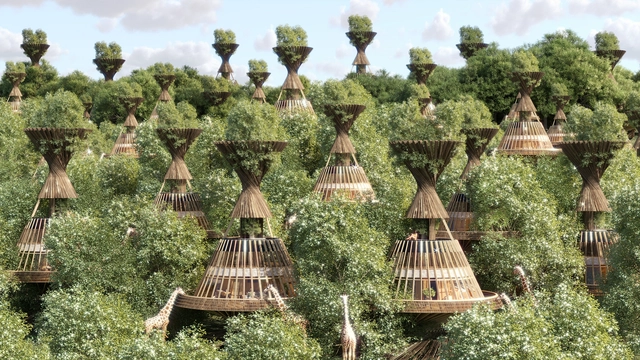
From Costa Rica, architect Bruno Stagno not only reflects on how responses to the environment can be the main basis for inspiration and identity in architecture but also proposes going a little further, with contemporary tropical architecture for an entire latitude.
What happens when these limits are extended? What happens when these motivations escape outside of the tropical context? Bruno Stagno presents here the project "A Mangrove for Berlin", his participation in the 1995 competition for the Reconstruction of the Berlin Academy of Architecture, "Berliner Bauakademie", an emblematic work of the architect Friedrich Schinkel.
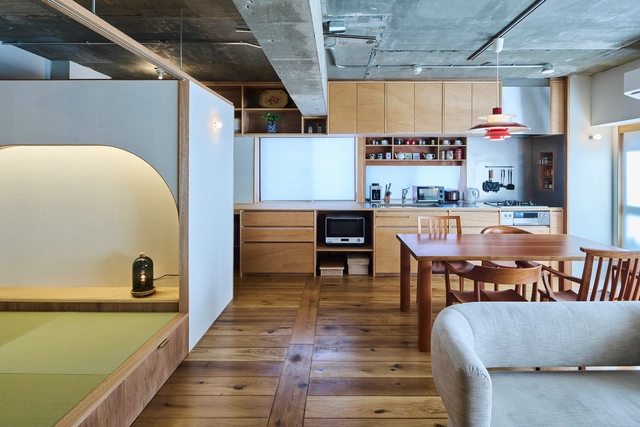
room206 Apartment / Daiki Awaya. Image Courtesy of Daiki Awaya
Kitchens encapsulate the essence of culture, acting as dynamic museums that preserve age-old recipes, processes, and traditions. Influenced by ethnic practices and culinary customs, kitchen architecture varies greatly across continents. In this context, kitchens transcend their domestic role and become insightful manifestations of cultural, societal, and regional factors. They not only serve as functional spaces for cooking and meal preparation but also stand as reflections of the rich tapestry of culture and lifestyles embraced by the individuals who inhabit them.
The Royal Commission for AlUla has appointed Lina Ghotmeh and Asif Khan as the lead architects for two upcoming museums to be added to the cultural oasis of AlUla, a destination in North-West Saudi Arabia displaying 7,000 years of continuous human history. Ghotmeh is set to design the contemporary art museum to house works by artists from the Red Sea, the Arabian Sea, and the Eastern Mediterranean in dialogue with their contemporaries from across the world. Asif Khan will design the Museum of the Incense Road, the first museum dedicated to the millennia-old network of major land and trading routes. The architects have been selected following an international competition.
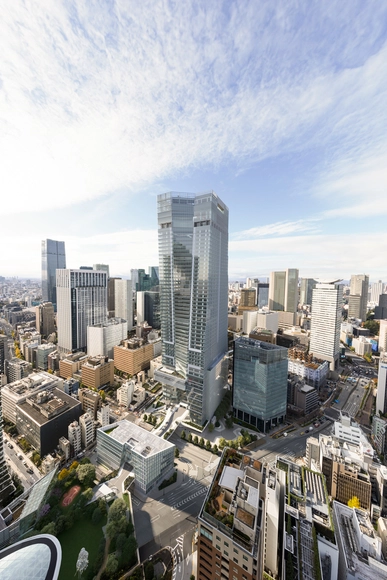
Toranomon Hills Station Tower. Image Courtesy of OMA and The Boundary
OMA’S inaugural tower in Tokyo and Japan, designed by Shohei Shigematsu and OMA New York, the Toranomon Hills Station Tower, will open this fall, 2023. The inauguration of the Toranomon Hills Station Tower will mark a significant milestone in Mori Building's Toranomon Hills development, an emerging global business center, and urban hub. A multi-layered transportation node integrated into the tower will establish a new gateway linking Central Tokyo with the rest of the world.
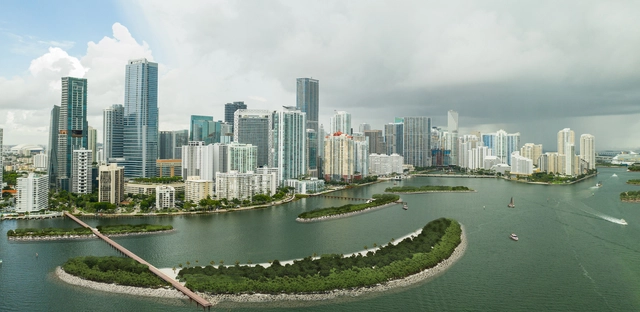
Response to the U.S. Army Corps of Engineers’ Back Bay Coastal Storm Risk Management Study / Curtis + Rogers Design Studio. Image Courtesy of Miami Downtown Development Authority
This Earth Day, U.S. Vice President Kamala Harris highlighted the many benefits of nature-based solutions and recognized the important role of landscape architects in this work. At the University of Miami, she also announced $562 million in funding for coastal resilience projects, supporting 149 projects in 30 states, through the Climate-Ready Coasts Initiative of the National Oceanic and Atmospheric Administration (NOAA). Vice President Harris’ remarks build on the Biden-Harris administration’s support for planning and designing with ecological systems in an equitable way.
The Pritzker Architecture Prize presents The Role of Practice, the 2023 Laureate Lecture and Panel Discussion, today, Tuesday, May 23rd at 3:40 PM EEST, in partnership with the National Technical University of Athens, and with the participation of the Aristotle University of Thessaloniki, University of Patras and the Technical University of Crete.
The Pritzker Architecture Prize 2023 Laureate David Chipperfield will deliver the lecture, reflecting on architectural practice's role, responsibilities, and opportunities. Moreover, the 2023 winner will explore "how market forces have dominated architecture and become increasingly detached from its place, just as the challenges of the climate crisis, loss of biodiversity, and social inequality have heightened the urgency for a more proactive position". Alejandro Aravena, Jury Chair, and 2016 Laureate will introduce the lecture, which will be followed by a conversation between David Chipperfield, Francis Kéré, 2022 Laureate, and Anne Lacaton and Jean-Philippe Vassal, 2021 Laureates, as they each "reveal the successes and failures of their respective journeys which effected their architectural philosophies and works, and led them to the shared stage of the present".
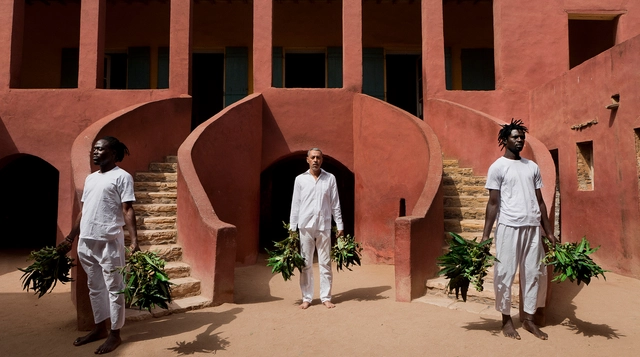
Ayrson Heráclito, "O Sacudimento da Casa da Torre e o Sacudimento da Maison des Esclaves em Gorée", 2015, video installation. courtesy of the artist
Questioning the canonical history of architecture and shedding light on long-invisible spatial practices, Gabriela de Matos and Paulo Tavares propose the exhibition “Terra” [Earth], at the Brazilian pavilion at the Venice Architecture Biennale 2023. "It's our way of shaking things up," say the curators, who turn their attention to ancestral ways of dealing with the land, aiming for more fair and complete possibilities for the present and future.
Addressing "earth" in all its meanings, the curators overlay issues related to soil and territory with the planetary problems. They propose an approach to reparations and decoloniality - emerging in Brazil - with broad topics such as decarbonization and the environment, decisive in the contemporary global debate. The Brazilian Pavilion titled Terra [Earth], won the Golden Lion for Best National Participation at the 2023 Venice Architecture Biennale, on Saturday 20th of May, selected by a jury comprising Italian architect and curator Ippolito Pestellini Laparelli as president, Nora Akawi, Thelma Golden, Tau Tavengwa, and Izabela Wieczorek.
https://www.archdaily.com/1001311/earth-as-ancestral-and-future-technology-an-interview-with-gabriela-de-matos-and-paulo-tavares-curators-of-the-brazil-pavilion-and-winners-of-the-golden-lion-at-the-2023-venice-biennaleRomullo Baratto e Victor Delaqua
Architecture involves mobilizing several aspects of the environment where the building is located: the socio-cultural, political and economic context, aesthetics, legislation, and functionality. Functionality includes use efficiency, occupancy, and comfort. Laurent Troost's work has shown the articulation between these various factors, with particular attention to comfort, especially thermal comfort. His projects prioritize natural ventilation over artificial air conditioning, which has become almost mandatory in current city models.
Environmental issues urgency and increasing temperatures on the planet are nothing new. There are many factors contributing to environmental degradation. However, two can be viewed as representative of critical points in the current world system: plastic and waste disposal, better known as garbage.
The environmental crisis cannot be attributed solely to these two examples. They are used here as examples to mobilize issues involving multiple agents, materials, and diverse methods. These issues lead to devastating consequences, increasingly irreversible.
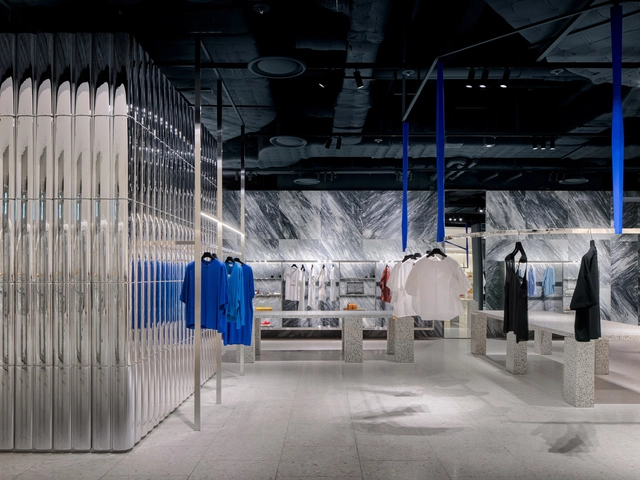
Within the realm of commercial architecture, the design of spatiality can adopt multiple approaches, conceiving proposals that achieve a balance between aesthetics and functionality. Taking into consideration that various cultural variables, social tensions, and economic interests are involved, the construction of these spaces directly involves the interaction between users, brands, and their products, participating in the experience on-site from colors and materials to lighting, climate control, sounds, aromas, and more.
The history of architects designing resorts is intertwined with the development of the hospitality industry and the concept of leisure travel. The origins can be traced back to ancient times when the Romans built luxurious villas and bathhouses as retreats for the wealthy. However, the modern notion of resorts emerged during the 19th century with industrialization and the growing middle class seeking recreational experiences.
At a very high standard of luxury, resort hotels provide an immersive and rejuvenating vacation experience. These resorts are frequently rooted in beautiful landscapes in remote locations, often containing full-service accommodations, offering escapism and complete disconnection. Architects have continued to shape the resort landscape in recent decades with their designs. Sustainability and integration with natural surroundings have gained importance as architects strive to create environmentally conscious and immersive resort experiences.
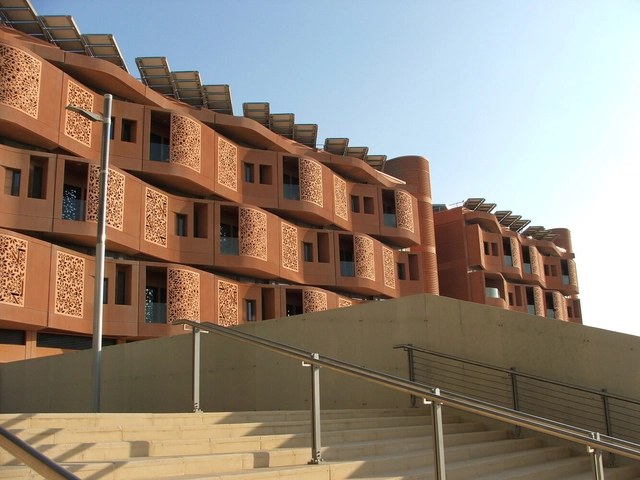
As world governments grapple with environmental crises, the construction industry rushes to reevaluate sustainable design and develop new ways of measuring its efficiency. Consequently, green building certification systems (GBCS) started gaining traction in the 20th century to evaluate and promote sustainable construction practices. The Global South faces distinctive challenges in building sustainable cities. Its developing nations demand an exclusive approach to designing an appropriate, economical, and inspiring architecture for their promising futures.
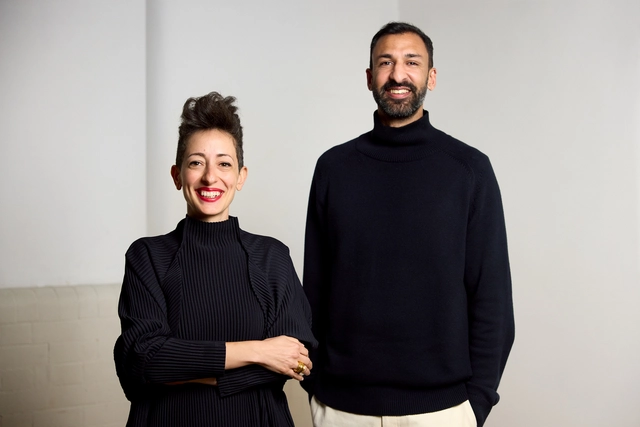
The Second Studio (formerly The Midnight Charette) is an explicit podcast about design, architecture, and the everyday. Hosted by Architects David Lee and Marina Bourderonnet, it features different creative professionals in unscripted conversations that allow for thoughtful takes and personal discussions.
A variety of subjects are covered with honesty and humor: some episodes are interviews, while others are tips for fellow designers, reviews of buildings and other projects, or casual explorations of everyday life and design. The Second Studio is also available on iTunes, Spotify, and YouTube.
This week David and Marina, Partners at FAME Architecture & Design discuss the livability of designer homes. The two cover designing for function and aesthetics, material resilience, lifestyle changes, space efficiency, designing based on reference images, and the benefits of adapting to design-forward living environments.
https://www.archdaily.com/1001273/the-second-studio-podcast-the-livability-of-designer-homesThe Second Studio Podcast