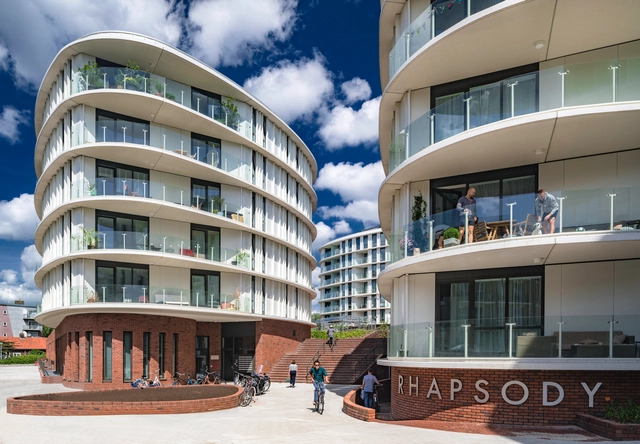
_courtesy_Tangram.jpg?1604614573 "Courtesy of Tangram Architekten")


-
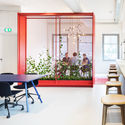
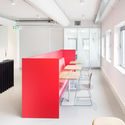
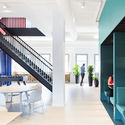
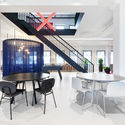
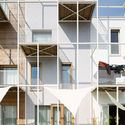
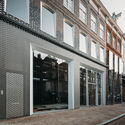
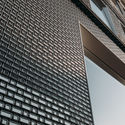
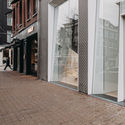
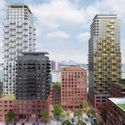
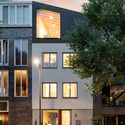
Architects: TANGRAM architecture and urban landscape
- Area: 30000 m²
- Year: 2019
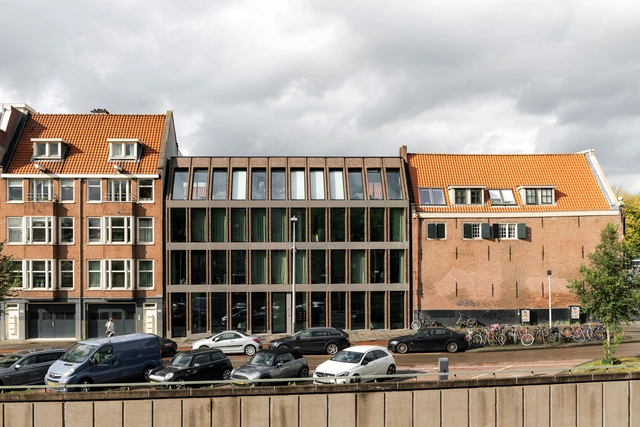


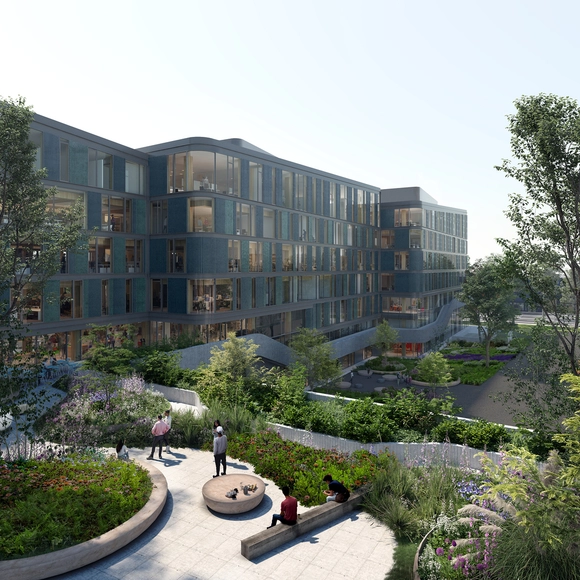
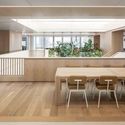
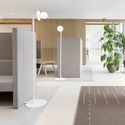
Team V Architectuur, an architecture office based in Amsterdam, is designing the new Dutch timber hybrid head office for DPG Media at the Amstel Business Park in the Netherlands. In collaboration with DELVA Landscape Architecture/ Urbanism for the landscape and outdoor space, the project will generate a 46.000 square meter of healthy and sustainable working environment.

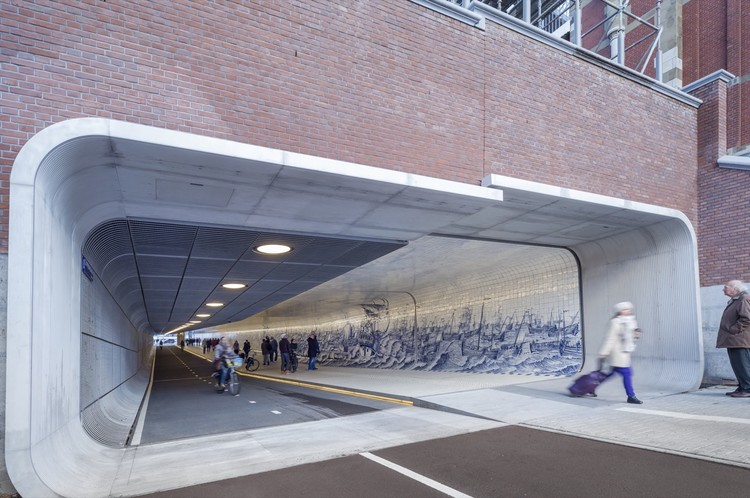
KAAN Architecten has been investigating methods to ensure that cities continue to flourish. Working closely and experimenting primarily with the city of Amsterdam, the firm’s projects have been focusing on developing a healthy design and finding alternative possibilities to high-density architecture.


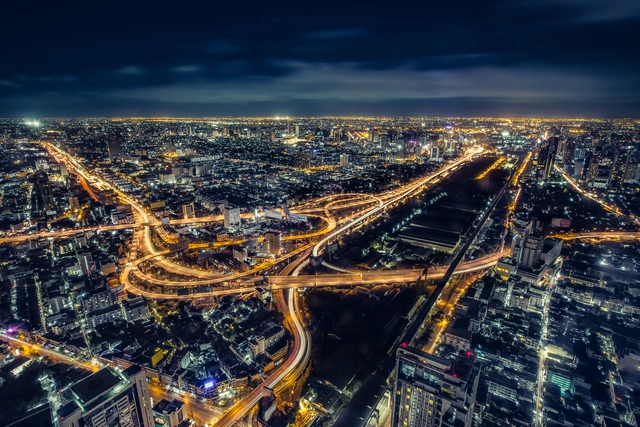
Our cities, vulnerable by nature and design, have generated the biggest challenge that humankind has to face. With the vast majority of the population expected to settle in urban agglomerations, rapid urbanization is going to raise the issue of adaptability with future social, environmental, technological and economic transformations.
In fact, the main problematic of the decade questions how our cities will cope with fast-changing factors. It also looks into the main aspects to consider in order to ensure long-term growth. In this article, we highlight major points that help future-proof our cities and create a livable, inclusive and competitive fabric that adapts to any unexpected future transformation.
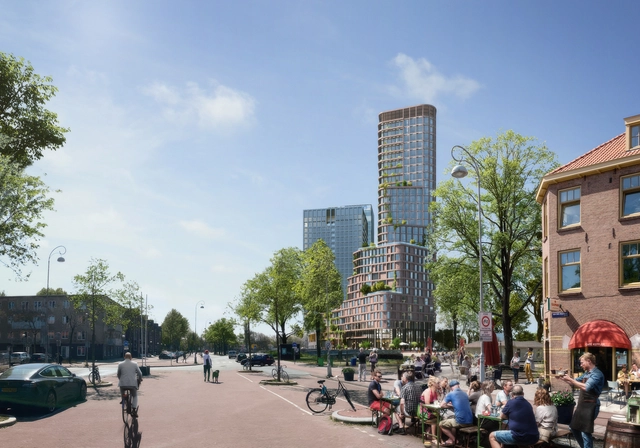
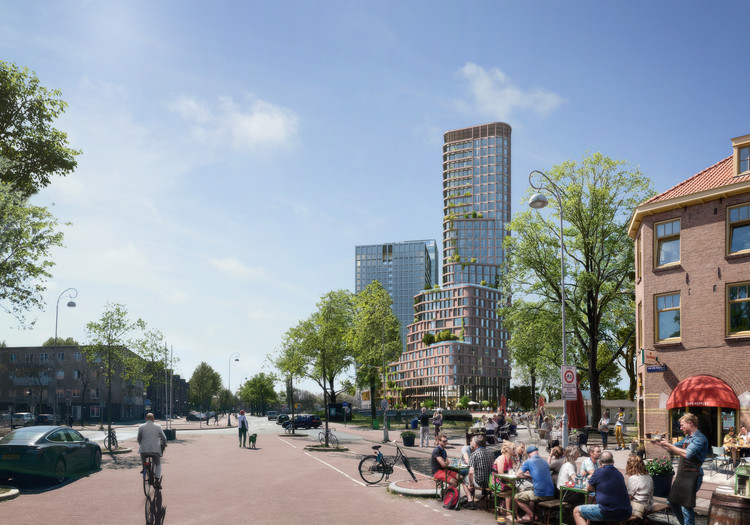
Dutch design practice Mecanoo has won the competition to design a new tower in Amsterdam. Dubbed Brink Tower, the project will rise 28 floors and accommodate nearly 400 new residents. The proposal is made to address a housing shortage for a range of tenants, including students and researchers. The new tower aims to become a green, sustainable and vibrant vertical neighborhood in the city.
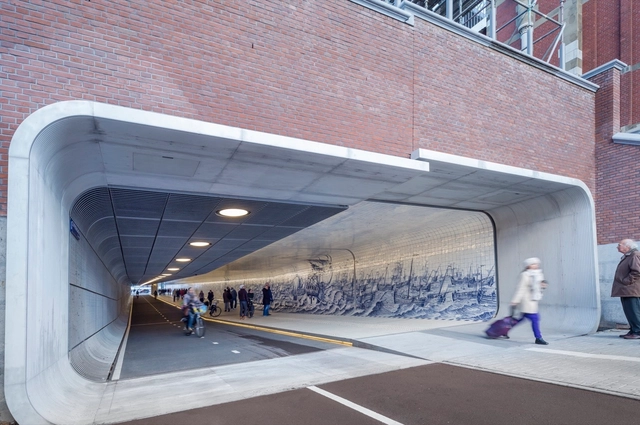
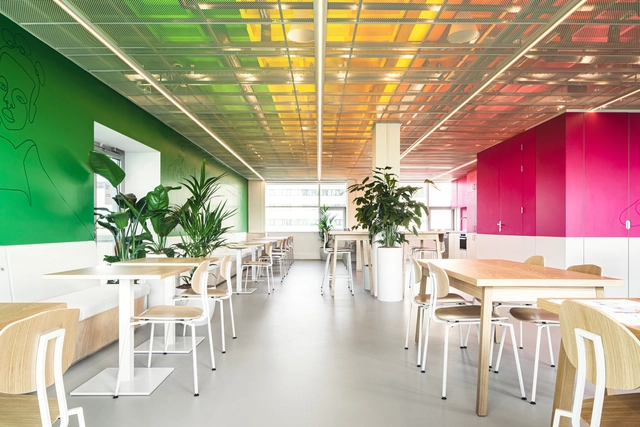

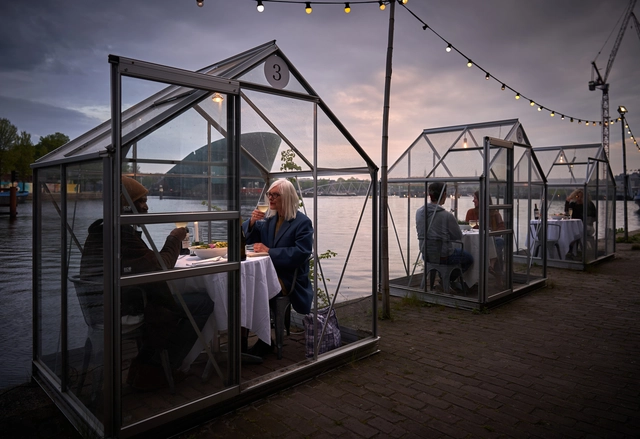
Renovated recently, Mediamatic ETEN, the restaurant of the Art Center Mediamatic in Amsterdam, has created a new safe dining experience entitled Serres Séparées, taking into account required social distancing measures. Putting in place private and intimate “quarantine” greenhouses, or chambres séparées, people can reconnect and dine outside in a safe environment.






.jpg?1598395100 "© Ewout Huibers")

.jpg?1598395100)