


-
Architects: PLNLstudio
- Area: 60 m²
- Year: 2025
-
Manufacturers: Forbo Flooring Systems, Efapel, Winckelmans



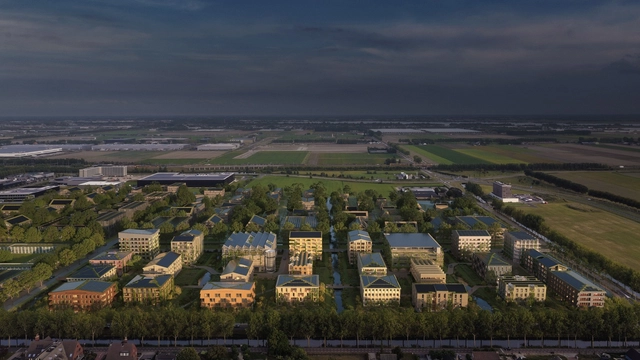
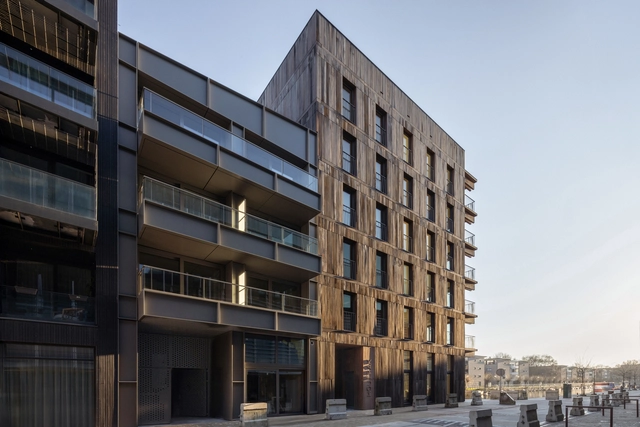
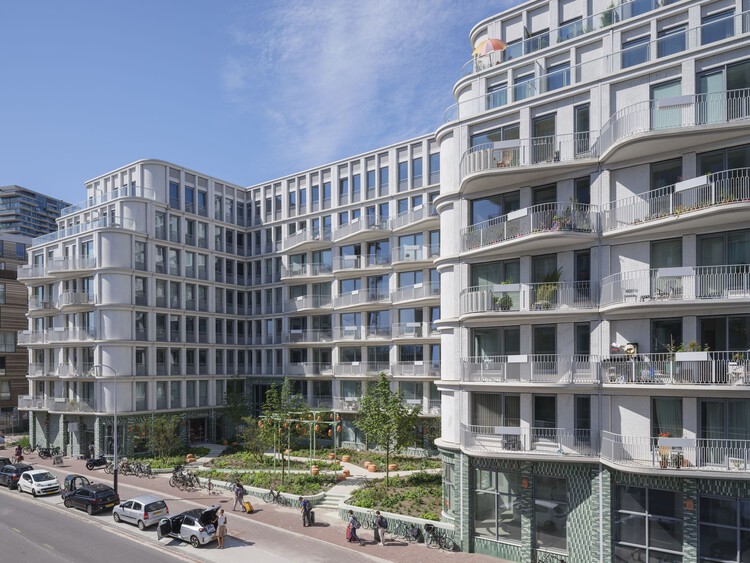
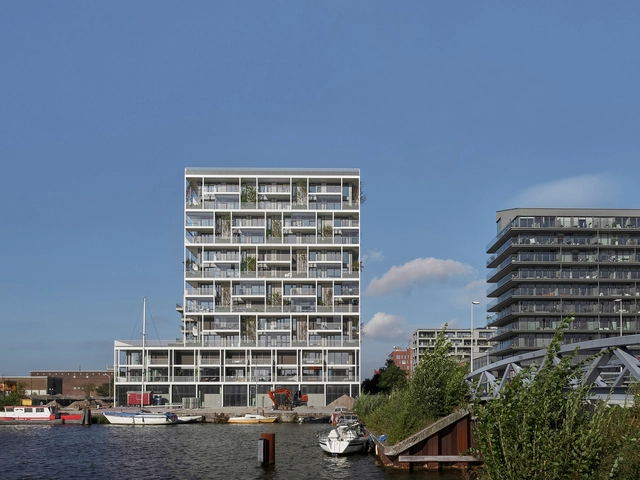
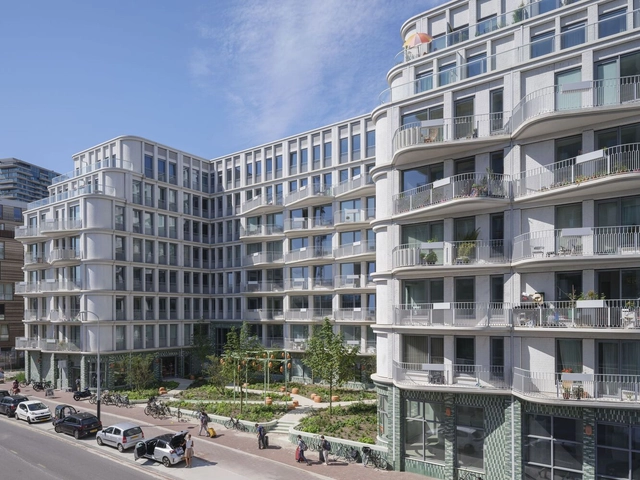
Timpaan, Blauwhoed and White Arkitekter, together with SeARCH, Space&Matter, Atlas Architects and DS Land Landschapsarchitecten, have been selected for the proposed development of The Erven, a timber-based neighbourhood planned for Hoofddorp in the Amsterdam metropolitan region. The winning proposal forms part of a major phase of the Lincolnpark area and outlines approximately 519 homes designed around four courtyards, or erven, inspired by the traditional Dutch farmstead.



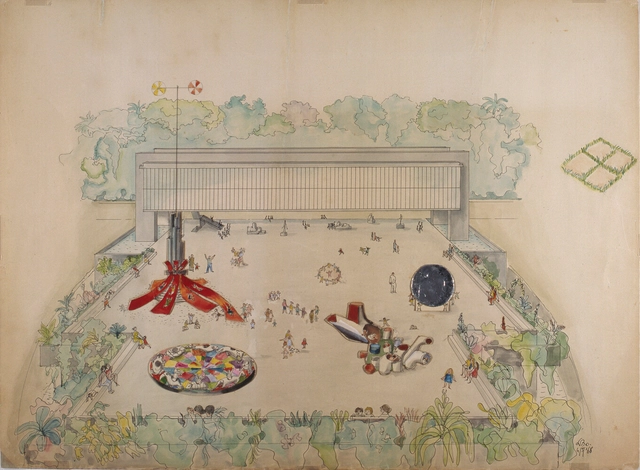
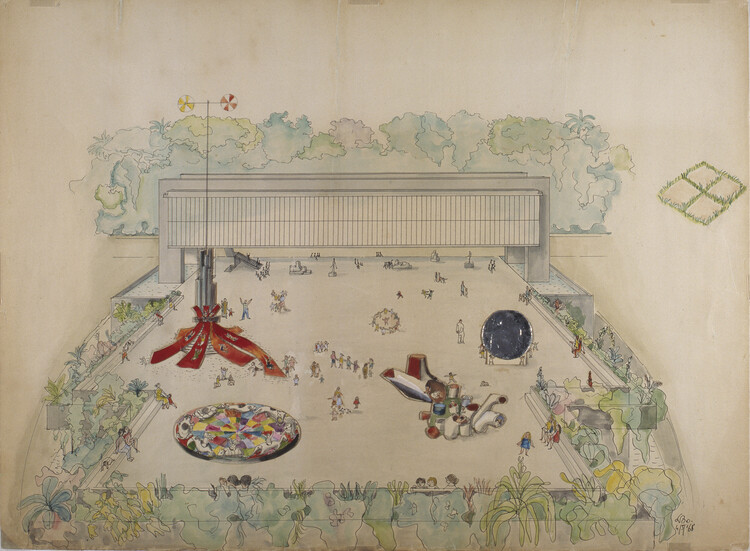
Aldo van Eyck and Lina Bo Bardi were two subversive figures. Their visions of collectivity and playfulness—though applied to very different kinds of structures—shared a common ground: an idea of architecture that goes beyond design. For both, architecture was a living space, animated by appropriation, movement, and exchange. From Dutch playgrounds to thw São Paulo Museum of Art, their ideals intertwined, reinforcing the notion of an architecture where anyone could become a child again.
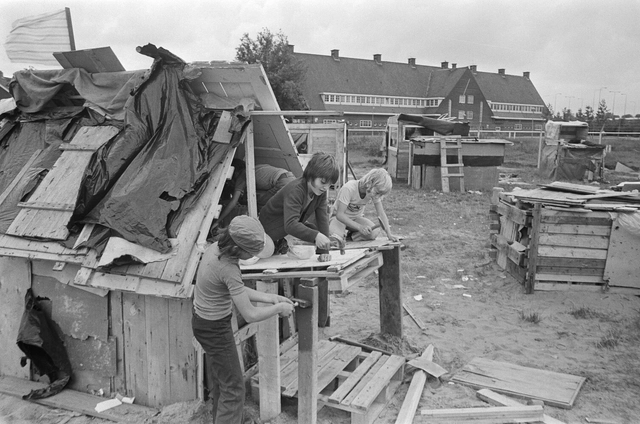
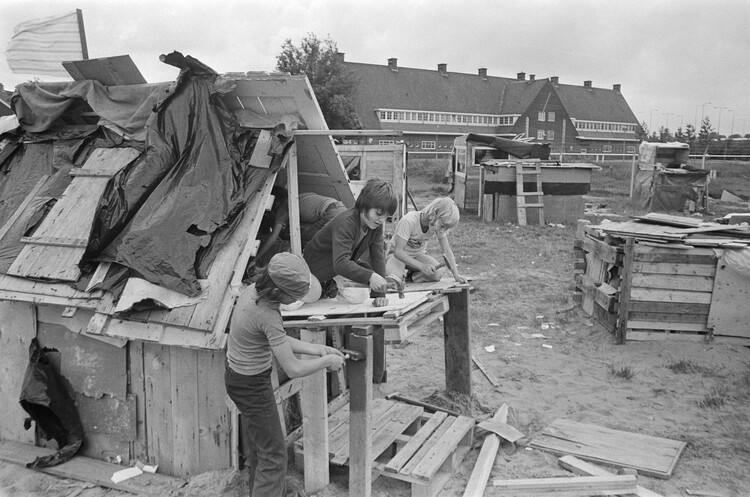
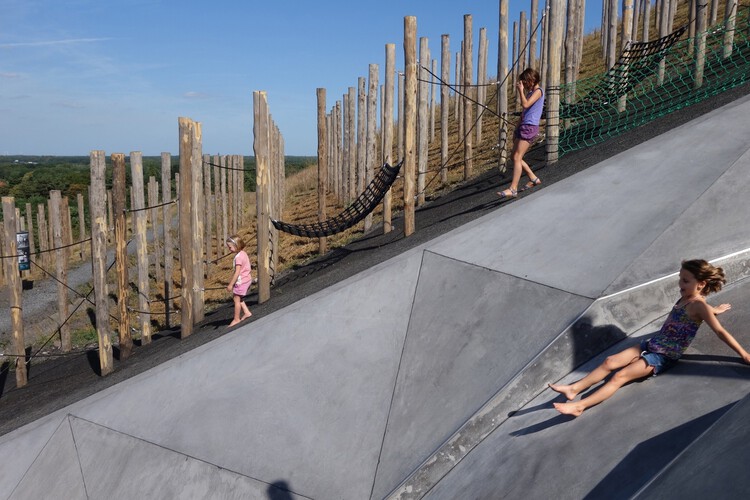
What if the best kind of play isn't the safest? For decades, cities have built playgrounds to be clean, colorful, and easy to supervise. Yet these spaces—designed more for adult peace of mind than for children's curiosity—often strip away what makes play truly transformative: risk, unpredictability, and self-direction. Rising safety standards, shrinking public space, and the commercialization of play equipment have only further narrowed the possibilities for children's independent exploration. From a junkyard in 1940s Copenhagen to the concrete landscapes of postwar Amsterdam, a handful of architects, planners, and activists have challenged the idea that play must be neat and controlled. Their unconventional playgrounds—made of loose parts, raw materials, and abstract forms—gave children the freedom to build, demolish, explore, and get dirty.
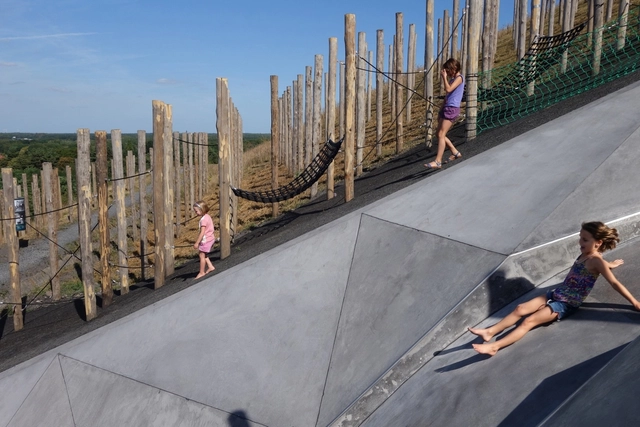
Playgrounds are spatial instruments through which society projects its expectations on childhood, testing the boundaries between control and autonomy, exposure and protection. They regulate how children relate to space, to others, and their bodies — encoding, often invisibly, social norms, fears, and aspirations. In this sense, playgrounds are not peripheral spaces of leisure; they are political constructs shaped by specific ideologies about what childhood is and how it should unfold. Since 1989, the right to play has been formally recognised in the United Nations Convention on the Rights of the Child, affirming that play is a fundamental part of human development. To design a playground is not only to draw lines on a plan or to install equipment in a park; it is to define the conditions under which play is permitted, imagined, or constrained.
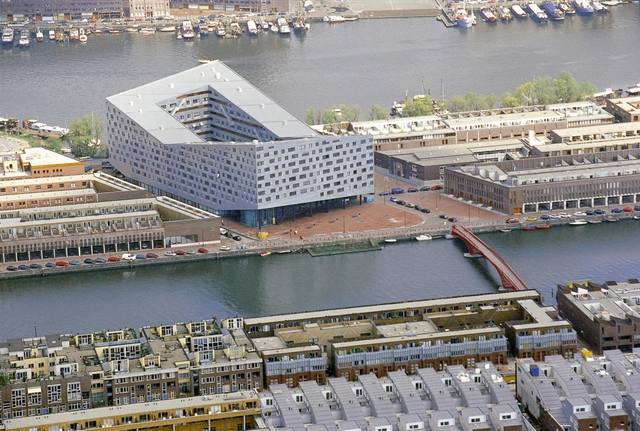
In 2020, in the midst of the first wave of lockdowns due to the pandemic, the municipality of Amsterdam announced its strategy for recovering from this crisis by embracing the concept of the “Doughnut Economy.” The model is developed by British economist Kate Raworth and popularized through her book, “Doughnut Economics: Seven Ways to Think Like a 21st-Century Economist”, released in 2017. Here, she argues that the true purpose of economics does not have to equal growth. Instead, the aim is to find a sweet spot, a way to balance the need to provide everyone with what they need to live a good life, a “social foundation” while limiting our impact on the environment, “the environmental ceiling.” With the help of Raworth, Amsterdam has downscaled this approach to the size of a city. The model is now used to inform city-wide strategies and developments in support of this overarching idea: providing a good quality of life for all without putting additional pressure on the planet. Other cities are following this example.