1. ArchDaily
  2. Adaptive Reuse

Adaptive Reuse: The Latest Architecture and News

The Role of Architects Is Shifting: From Solitary Visionaries to Collective Activists

 | In Collaboration

For a long time, architecture was understood as an essentially individual activity, dependent on the figure of a creative genius and centered on the ability to solve problems through drawing. Over time, this image began to fade. The protagonism once concentrated in a few names reached its peak during the era of the starchitects and gradually became distributed among offices, collectives, and multidisciplinary teams. Today, architects are expanding their boundaries into other fields such as gastronomy, music, design, and the corporate world, applying spatial thinking to address challenges of various kinds. As social, environmental, and political crises deepen, the role of the architect continues to evolve from a solitary author to a mediator, activist, and collective agent of transformation. This shift reflects an ethical awakening and a recognition that design, regulation, and care are inseparable dimensions of contemporary practice.

Foster + Partners Unveils Redevelopment Master Plan for Historic Site in Thessaloniki, Greece

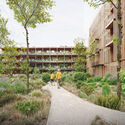
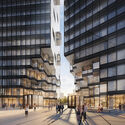
Foster + Partners has developed a master plan for the redevelopment of the former FIX brewery in Thessaloniki, Greece. The proposal, commissioned by Dimand, outlines a mixed-use district that integrates public space, housing, hospitality, and cultural programs. Positioned along the western seafront and within walking distance of the city center, the site serves as a key point of connection between emerging neighborhoods and the waterfront. The project builds on the industrial history of the brewery complex while introducing new spatial configurations intended to support broader urban regeneration efforts across Thessaloniki.

Foster + Partners Unveils Redevelopment Master Plan for Historic Site in Thessaloniki, Greece - Image 1 of 4Foster + Partners Unveils Redevelopment Master Plan for Historic Site in Thessaloniki, Greece - Image 2 of 4Foster + Partners Unveils Redevelopment Master Plan for Historic Site in Thessaloniki, Greece - Image 3 of 4Foster + Partners Unveils Redevelopment Master Plan for Historic Site in Thessaloniki, Greece - Image 4 of 4Foster + Partners Unveils Redevelopment Master Plan for Historic Site in Thessaloniki, Greece - More Images+ 3

Where Every Centimeter Counts: How Tiny Bathrooms Inform Spatial Design

 | In Collaboration

Are living spaces getting smaller? As cities densify and the global population continues its steady migration toward urban centers—projected to reach around 70% by 2050—domestic space is becoming increasingly compressed. Rising land prices, high construction costs, and a surge in single-person households push developers toward smaller units and tighter floor plans. At the same time, cultural shifts toward resource efficiency and minimal living support this move. Shrinking living spaces require fewer materials, consume less energy, and encourage people to live closer to their means.

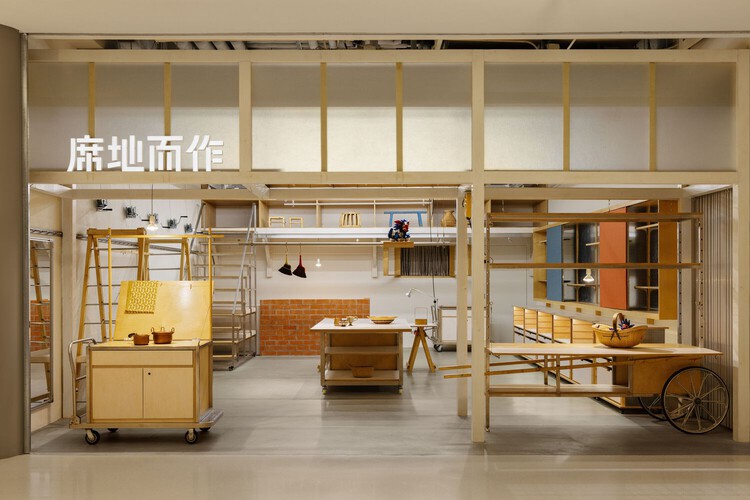
Design Ethos of Subtraction and Addition: 10 Adaptive Reuse Projects for Commercial and Social Spaces in Asia

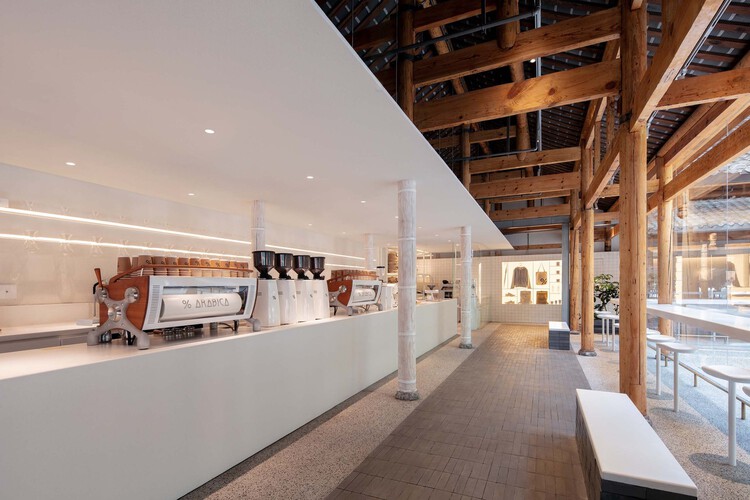
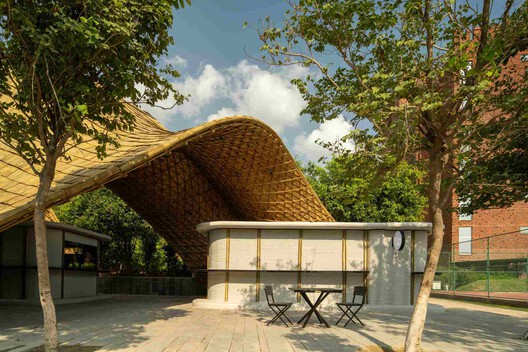
While adaptive reuse has been increasingly acknowledged as a vital architectural strategy worldwide, its discourse and implementation in Asia are still expanding—driven by growing ecological awareness and a shifting understanding of architectural knowledge. Rather than accelerating a developmentalist model centered on demolition and new construction, architects today are confronted with a different approach to the built environment: treating the existing structure as a resource—an archive of materials, spatial organizations, and informal histories.

Adaptive reuse is often associated with the preservation of historic buildings and culturally significant heritage. Yet the vast field of seemingly 'less-valued' structures—abandoned houses, standard yet old dwellings, non-conforming office buildings, and overlooked urban voids—has become ground for experimentation. These sites challenge architects and designers to reconsider prevailing standards of efficiency and market-driven development, and to imagine spatial and ecological practices that avoid the continual loss of embodied material and cultural knowledge inherent in constant rebuilding.

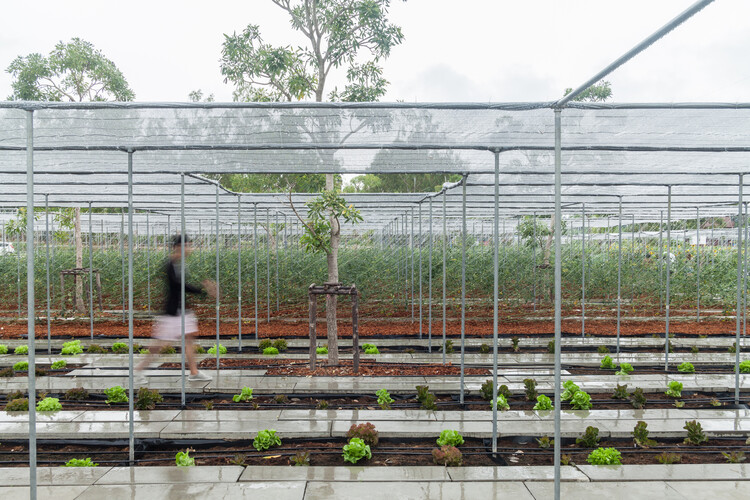
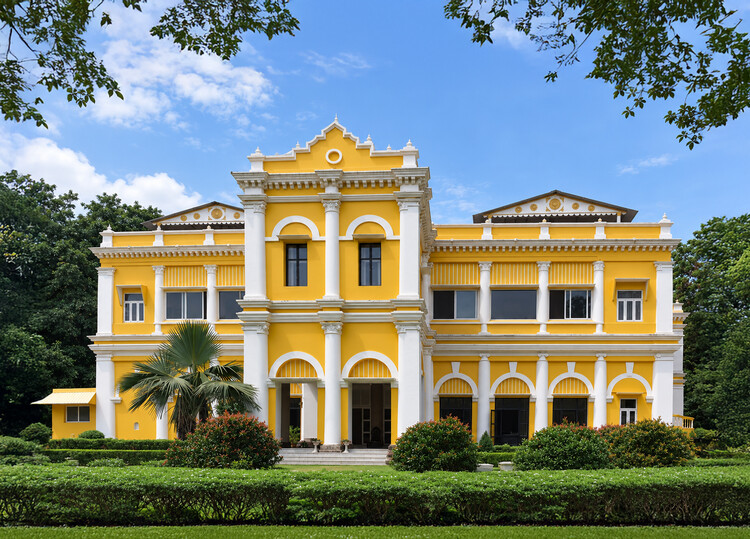
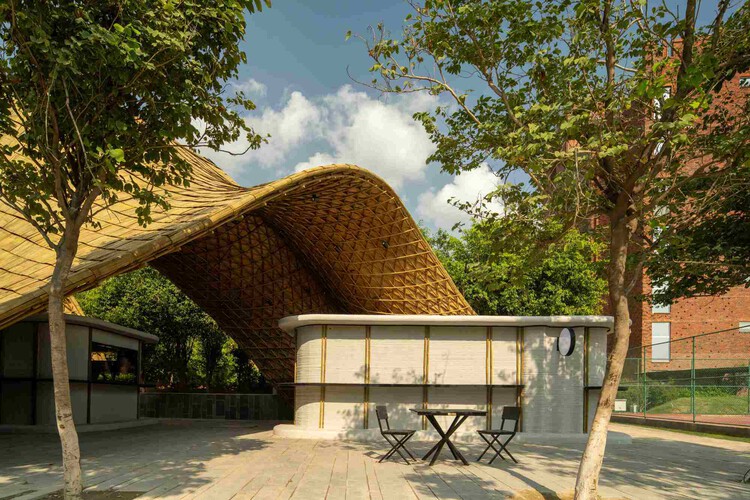
Design Ethos of Subtraction and Addition: 10 Adaptive Reuse Projects for Commercial and Social Spaces in Asia - SustainabilityDesign Ethos of Subtraction and Addition: 10 Adaptive Reuse Projects for Commercial and Social Spaces in Asia - SustainabilityDesign Ethos of Subtraction and Addition: 10 Adaptive Reuse Projects for Commercial and Social Spaces in Asia - SustainabilityDesign Ethos of Subtraction and Addition: 10 Adaptive Reuse Projects for Commercial and Social Spaces in Asia - SustainabilityDesign Ethos of Subtraction and Addition: 10 Adaptive Reuse Projects for Commercial and Social Spaces in Asia - More Images+ 29

Coldefy Completes the First Timber-Framed School in Northern France

Coldefy, in collaboration with Relief Architecture, has completed the Robert Badinter Secondary School, the first timber-framed school in northern France. Designed to accommodate 650 students, the project is situated on a former railyard adjacent to the city's train station and within walking distance of the town center. The new school forms part of a wider urban renewal strategy aiming to consolidate transportation links and introduce new civic amenities to the area.

Coldefy Completes the First Timber-Framed School in Northern France - 1 的图像 4Coldefy Completes the First Timber-Framed School in Northern France - 2 的图像 4Coldefy Completes the First Timber-Framed School in Northern France - 3 的图像 4Coldefy Completes the First Timber-Framed School in Northern France - 4 的图像 4Coldefy Completes the First Timber-Framed School in Northern France - More Images+ 10