

In this second edition of the ArchDaily Professionals Video Interviews, ArchDaily's Managing Editor, Christele Harrouk, met with Mat Cash, Group Leader of Heatherwick Studio, Signe Nielsen, MNLA's Founding Principal, and David Farnsworth, Arup Principal, to discuss their collaborative work on one of New York City's latest green areas, Little Island Park at Pier 55.
AD Interviews: The Latest Architecture and News
Heatherwick Studio, MNLA and Arup on their Collaborative Design for New York's Little Island Park
https://www.archdaily.com/973517/heatherwick-studio-mnla-and-arup-on-their-collaborative-design-for-new-yorks-little-island-parkPaula Pintos
Is Sustainability the New Luxury? In Conversation with Andrea Boschetti on Karl Lagerfeld Villas in Marbella
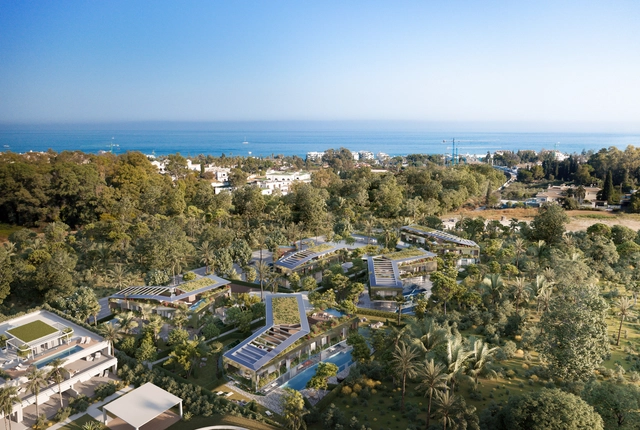
During the past couple of years, luxury and fashion brands began venturing into architecture. Some built museums, foundations, and cultural organizations while others shaped residential structures that translated their identity into space. Following this same concept, KARL LAGERFELD, along with Spanish Developer Sierra Blanca Estates and the Design and Branding Firm The One Atelier, have developed the fashion house’s first “luxury architectural project”, the Karl Lagerfeld Villas in Marbella, Spain. Designed by The One Atelier, of which Andrea Boschetti is Head of Design, the project has low carbon impact, aligned with the brand’s commitment to the Fashion Pact - a global sustainability initiative that seeks to transform the fashion industry through objectives in climate, biodiversity, and ocean protection.
Asking what is “luxury architecture” and questioning why fashion brands are expanding into architecture, ArchDaily met with Andrea Boschetti to further understand the architect and urban planner’s take on the subject.


https://www.archdaily.com/972822/is-sustainability-the-new-luxury-in-conversation-with-andrea-boschetti-on-kl-villas-in-marbellaChristele Harrouk
Lighting Design in Architecture: A Conversation with Hervé Descottes and Steven Holl
ArchDaily Professionals is an initiative that focuses on all of the collaborators involved in architecture and construction, who participated and are credited in the projects we have carefully curated and published. This project aims to recognize and highlight the best collaborators responsible for delivering the best architecture, by delivering valuable knowledge related to the different disciplines within our community. Today, we are launching a series of video interviews between architects and collaborating professionals, to learn more about their work and to understand the importance of these relationships to deliver high-quality architectural projects.
For this first interview, ArchDaily’s Managing Editor, Christele Harrouk, met with lighting design firm L’Observatoire International’s founder, Hervé Descottes, and American architect Steven Holl. In this moderated talk, we had the chance to speak to Hervé and Steven about their collaboration in three cultural projects in the United States: the Institute for Contemporary Art at VCU, the Winter Visual Arts Building, and Nancy and Rich Kinder Museum. In this conversation, we learned more about what lighting in architecture means to them, how space and light should be conceived and why a close collaboration between architects and lighting designers is crucial to architecture projects.


https://www.archdaily.com/972027/lighting-design-in-architecture-a-conversation-with-herve-descottes-and-steven-hollPaula Pintos
"We Still Have Not Built that City of the Future Where I Once Lived": In Conversation with Nishan Kazazian
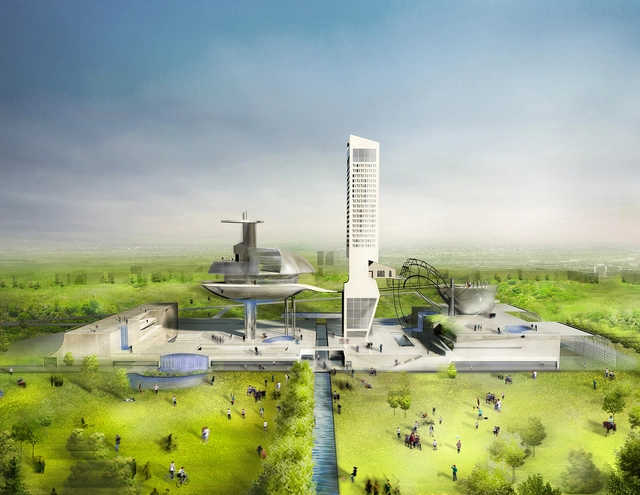
What follows this short introduction is my unusually personal interview with a Lebanese-American architect and artist Nishan Kazazian. His work is inspired by numerous sources that come from many directions such as Kintsugi, the Japanese art of putting broken pottery pieces back together, primary color geometric abstractions evocative of Russian Constructivism, as well as paintings by Piet Mondrian and Paul Klee. Yet, a stronger inspiration comes from his memories of home and family history. Layering and superimposition of cultures and languages were constantly present in his life since childhood and remain guiding forces to Kazazian, who is both a licensed architect and a professional artist.


https://www.archdaily.com/970826/we-still-have-not-built-that-city-of-the-future-where-i-once-lived-in-conversation-with-nishan-kazazianVladimir Belogolovsky
"I Would Rather Be Known as an Architect of Elegant Restraint": Interview with Belmont (Monty) Freeman
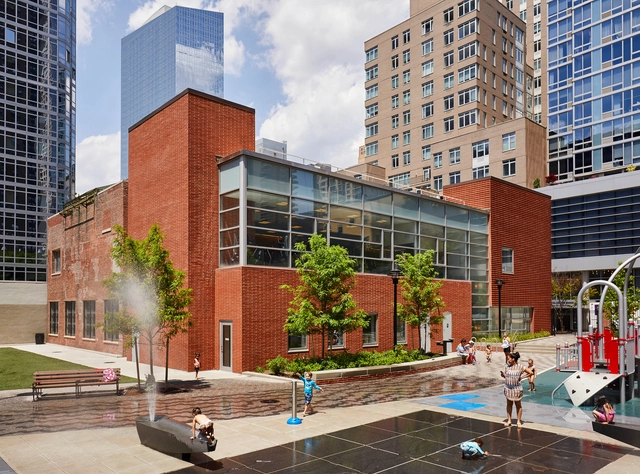
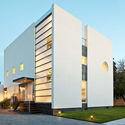
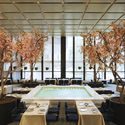
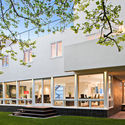
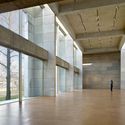
Belmont (Monty) Freeman (b. 1951) founded his New York-based, currently eight-person practice, Belmont Freeman Architects in 1986. Its active projects are half institutional and half residential, with a special focus on adaptive reuse, predominantly in New York and nearby states. Among the firm’s most exemplary projects are the LGBT Carriage House on the University of Pennsylvania campus, a series of restorations at the Four Seasons restaurant in the Seagram Building, renovations at the Yale Club in Manhattan, and the renovation of the Ezra and Cecile Zilkha Gallery at Wesleyan University in Connecticut, designed by Kevin Roche. Current projects include an expansive but minimalist residential compound on Martha’s Vineyard, branch library renovations in New York City, and redevelopment of a former meatpacking building into a new Innovation Hub for Columbia University’s Business School.

https://www.archdaily.com/969531/i-would-rather-be-known-as-an-architect-of-elegant-restraint-interview-with-belmont-monty-freemanVladimir Belogolovsky
Los Angeles, Wildfires and Adaptive Design: Greg Kochanowski on Creating New Futures
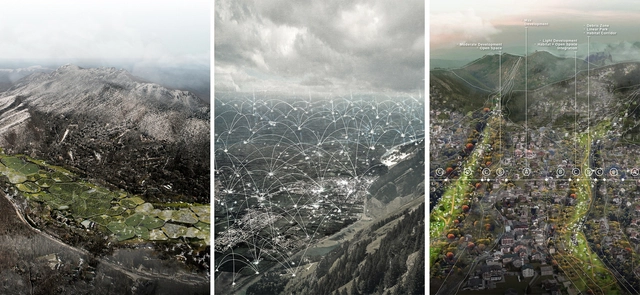
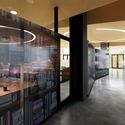
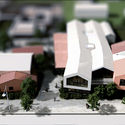
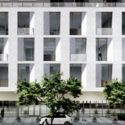
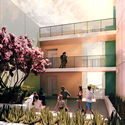
Great design is rooted in responsive and adaptive approaches. For architect and landscape architect Greg Kochanowski, equitable design solutions should address critical issues, such as climate and housing. As Partner and Design Principal at GGA, Greg is an active researcher focusing on resilient environments that create synergies between natural systems, culture, infrastructure, and development.

https://www.archdaily.com/968538/los-angeles-wildfires-and-adaptive-design-greg-kochanowski-on-creating-new-futuresEric Baldwin
On Salone del Mobile 2021, the Democratization of Design and Environmental Qualities: In Conversation with Stefano Boeri
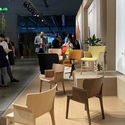
Salone is the most important furniture event in the world, strongly connected to the city and the design culture. This year we are seeing a new expanded format to mark the 60th anniversary of Salone del Mobile, titled "SuperSalone", a prequel to the 2022 edition, with a very accentuated focus on the materiality and the sustainable aspect.
Managing to put together the physical and the digital, in order to make the event more accessible for the world, Salone ran during the first week of September, at the Rho Fiera. During these design days, ArchDaily had the chance to speak with the curator, Stefano Boeri, discussing this very special edition, the relationship between the city of Milano and Salone, the democratization of design as well as the environmental quality in his projects around the world.



https://www.archdaily.com/968524/on-salone-del-mobile-2021-the-democratization-of-design-and-environmental-qualities-in-conversation-with-stefano-boeriChristele Harrouk
"I Want My Places to Come Alive": In conversation with Brian Mac
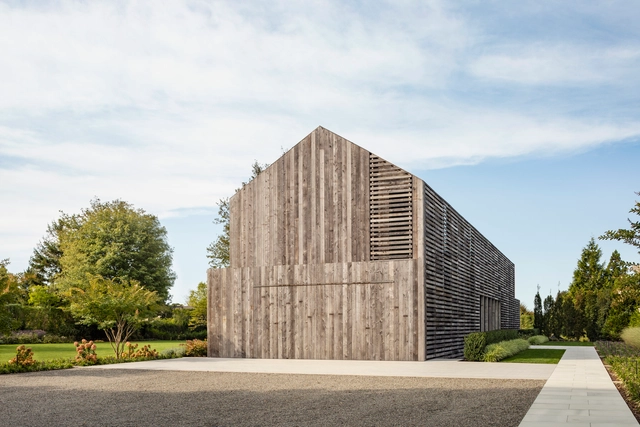
American architect Brian Mac grew up near Detroit. He graduated from the Architecture School at the University of Detroit in 1988 and for the next five years worked for a preservationist firm, Quinn Evans Architects in Ann Arbor. There he learned to love historic architectural detailing, and, while working at the firm, in 1992, became a licensed architect. Then followed a short period of disillusion with the profession and moving to Ohio to work in a residential treatment center for adolescent felony offenders.

https://www.archdaily.com/968420/i-want-my-places-to-come-alive-in-conversation-with-brian-macVladimir Belogolovsky
Digital Tools, Innovation and Sustainability: In Conversation with Henning Larsen
Henning Larsen has been creating projects that address cross-cultural design, tackle diverse climatic zones, and try to achieve ambitious sustainability objectives. All of this wouldn’t be possible without the use of technology and specially crafted digital and generative design tools that allow architects to treat any element as a parameter in design.
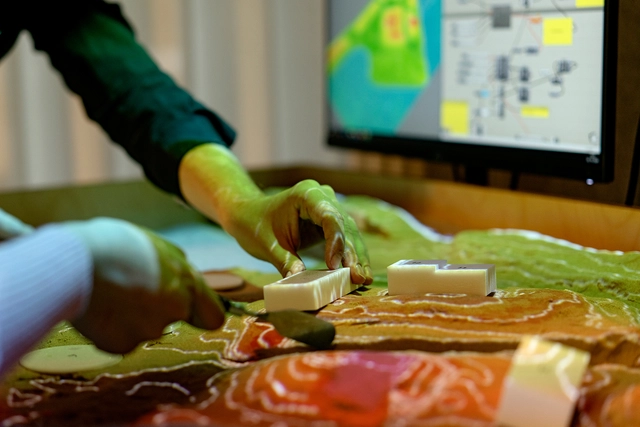
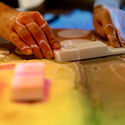
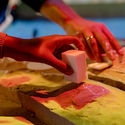
In a special interview with ArchDaily, Jakob Strømann-Andersen, Partner and Director of Henning Larsen’s Innovation and Sustainability Department talks about digital tools and their incorporation in the design process. Focusing specifically in this conversation on Sandworm, a new modeling program that uses sandboxes, Anderson explains how they have achieved to scan and directly transfer manipulated landscapes into a 3D model.

https://www.archdaily.com/966948/digital-tools-innovation-and-sustainability-in-conversation-with-henning-larsenChristele Harrouk
“With Distance in Time, We Are Able to See in a Different Light”: In Conversation with Dorte Mandrup
Questioning the new now, especially with the new challenges of Covid-19, around the world, cities are advocating for structural change and collective action. Berlin questions, an annual, multi-day conference and a platform for transdisciplinary dialogue, in its 2021 edition “Metropolis: The New Now”, tackled the immediate present, creating a place for debate. Dedicated to local solutions to global challenges, the event took on a hybrid format, at various locations in Berlin and online, resembling the world we live in.
ArchDaily had the chance to meet up with the winner of the Iconic Awards 2021 in the Architects of the Year category Dorte Mandrup, architect, founder, and creative director of Dorte Mandrup Arkitekter at Berlin Questions, to discuss the firm’s latest project in the German capital, the Exile Museum and to reflect on her career and visions.
https://www.archdaily.com/967659/with-distance-in-time-we-are-able-to-see-in-a-different-light-in-conversation-with-dorte-mandrupChristele Harrouk
"Cultural Identity is Central to Architecture": In Conversation with Lesley Lokko
Questioning the new now, especially with the new challenges of Covid-19, around the world, cities are advocating for structural change and collective action. Berlin questions, an annual, multi-day conference and a platform for transdisciplinary dialogue, in its 2021 edition “Metropolis: The New Now”, tackled the immediate present, creating a place for debate. Dedicated to local solutions to global challenges, the event took on a hybrid format, at various locations in Berlin and online, resembling the world we live in.
ArchDaily had the chance to meet up with Lesley Lokko, architect, academic, and novelist at Berlin Questions, to discuss her talk “Africa as the lab for the future”, her visions for the future of architecture education and the future of big cities on a social, cultural and urban level.
https://www.archdaily.com/967392/cultural-identity-is-central-to-architecture-in-conversation-with-lesley-lokkoChristele Harrouk
"I Am Always Inside the Architecture that I Design": In Conversation with Toyo Ito
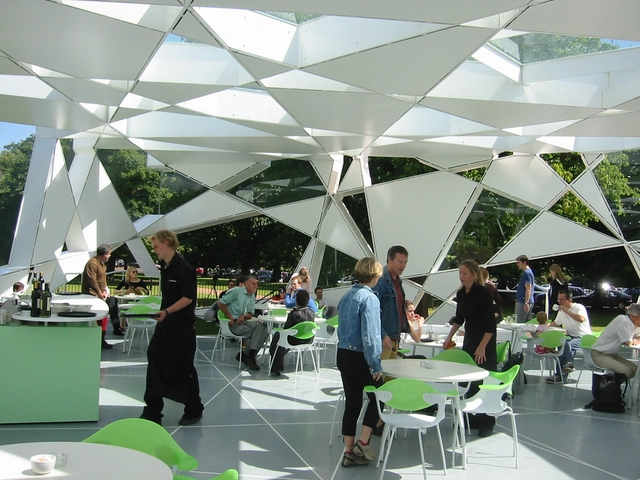
Examining the work of Tokyo architect Toyo Ito (b. 1941) – particularly his now seminal Sendai Mediatheque (1995-2001), Serpentine Gallery (London, 2002, with Cecil Balmond), TOD's Omotesando Building (Tokyo, 2004), Tama Art University Library (Tokyo, 2007), and National Taichung Theater (2009-16) – will immediately become apparent these buildings’ structural innovations and spatial, non-hierarchical organizations. Although these structures all seem to be quite diverse, there is one unifying theme – the architect’s consistent commitment to erasing fixed boundaries between inside and outside and relaxing spatial divisions between various programs within. There is continuity in how these buildings are explored. They are conceived as systems rather than objects and they never really end; one could imagine their formations and patterns to continue to evolve and expand pretty much endlessly.
Nacasa___Partners.jpg?1629103408 "Tod's Omotesando Building_interior. Image © Nacasa & Partners")


Kai_Nakamura.jpg?1629103497 "'Minna no Mori' Gifu Media Cosmos. Image © Kai Nakamura")

https://www.archdaily.com/966848/i-am-always-inside-the-architecture-that-i-design-in-conversation-with-toyo-itoVladimir Belogolovsky
9 On-Site Interviews with 2021 Venice Biennale Curators
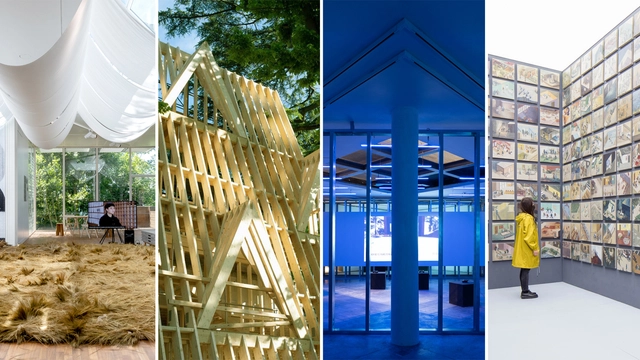
After being postponed for one year, the 17th Venice Architecture Biennale opened its doors to the public on May 22nd, 2021, revealing a wide range of answers to Hashim Sarkis’ question of "How will we live together". With over 112 participants from 46 countries, the contributions are organized into five themes: Among Diverse Beings, As New Households, As Emerging Communities, Across Borders, and As One Planet. Due to travel restrictions, many curators were unable to be physically present at the inauguration of the event, resorting to digital platforms for interviews and presentations. ArchDaily had the chance to physically attend the exhibition and meet with some of the curators to further explore their pavilions. The following are 9 interviews from ArchDaily’s Youtube playlists that feature these exclusive interviews.
https://www.archdaily.com/966505/9-on-site-interviews-with-2021-venice-biennale-curatorsDima Stouhi
2021 Venice Biennale Curators Share What they Believe is the Future of the Built Environment in One Word
The 17th Venice Architecture Biennale is currently unfolding, revealing a wide range of answers to Hashim Sarkis’ question of "How will we live together". With over 60 national pavilions, installations by international architects, and several collateral events, this year's edition restates the Biennale's role as a platform for inquiry, exploration, and innovation in architecture. ArchDaily asked the curators of Luxembourg, Chile, United Arab Emirates, Argentina, Mexico, the KOYAÜWE Installation, and Hashim Sarkis, who were all physically present in Venice at the time of the interviews, what they believe is the future of our built environment in one word.
https://www.archdaily.com/966203/2021-venice-biennale-curators-share-what-they-believe-is-the-future-of-the-built-environment-in-one-wordDima Stouhi
"Giving Form to the Future by Looking at Both Past and Present": BIG on its Latest Publication Formgiving
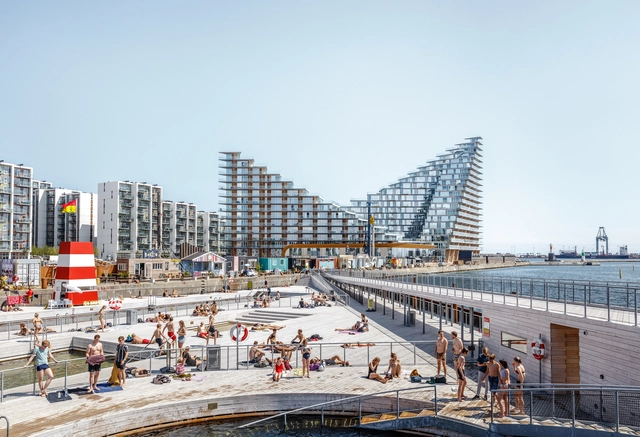
"The future is already here, it's not just very evenly distributed". Starting off with this William Gibson quote, BIG’s latest publication Formgiving looks at the past and present in order to determine the future. Talking of predictions that aren’t so far down the road, but rather than could occur in 5, 10, or 50 years, the book seeks to “give form to the future”, or to what has not taken shape yet.
ArchDaily had to chance to interview Kai-Uwe Bergmann, Partner at BIG-Bjarke Ingels Group, and discuss not only the firm’s latest manuscript but the trilogy of publications: Yes is More, an “Archicomic on Architectural Evolution”, Hot to Cold an “Odyssey of Architectural Adaptation”, and Formgiving, an “Architectural Future History”.



https://www.archdaily.com/965782/giving-form-to-the-future-by-looking-at-both-past-and-present-big-on-its-latest-publication-formgivingChristele Harrouk
"Practice Operations is a New Way of Thinking": Monograph's Robert Yuen on Design and Technology
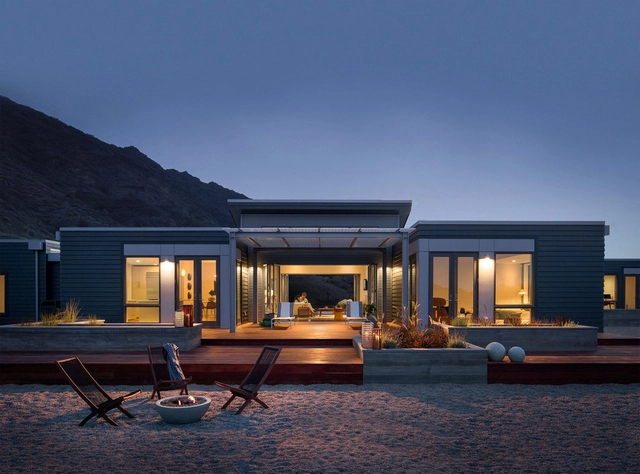
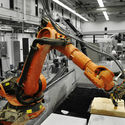
Technology has begun to radically transform operations in the AEC industries. For Robert Yuen, CEO and Co-Founder of Monograph, he's developed a cloud-based project management application that's tailored to address these changes. Trained as an architect and establishing himself as an entrepreneur, Robert utilizes his background to reimagine what the futures holds for managing design and construction.


https://www.archdaily.com/965727/practice-operations-is-a-new-way-of-thinking-monographs-robert-yuen-on-design-and-technologyEric Baldwin
"Renew, Reuse, Adapt": CHYBIK + KRISTOF on Bringing Daring Architecture to Life
.jpg?1626893187&format=webp&width=640&height=580)
Great design builds upon the past with an eye to the future. For Ondrej Chybik and Michal Kristof, Co-Founders of CHYBIK + KRISTOF, architecture can best respect history by reinterpreting it. The Czech design practice is currently based in Prague, Brno and Bratislava, and was founded in 2010 by Ondřej and Michal. Operating with over 50 international team members, the practice aims to bridge the gaps between private and public space while transcending both generational and societal spheres.
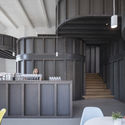
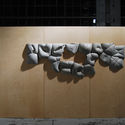
.jpg?1626893190 "Stage is Set, Lukas Pelech. Image Courtesy of CHYBIK + KRISTOF")
.jpg?1626893187)
https://www.archdaily.com/965493/renew-reuse-adapt-chybik-plus-kristof-on-bringing-daring-architecture-to-lifeEric Baldwin
30 Technology-Driven Projects Point to Our Future: In Conversation with Francisco Gonzalez-Pulido
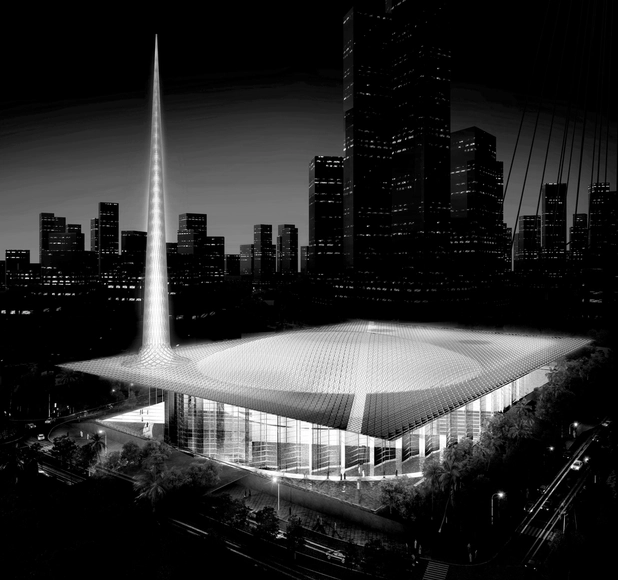
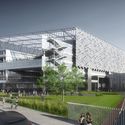
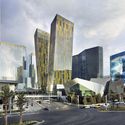
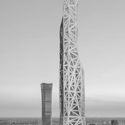
Vladimir Belogolovsky talks with Mexican-American architect Francisco Gonzalez-Pulido on his exhibition 30 Projects/30 Years/30 Stories now on view at the Museo Metropolitano in Monterrey, Mexico.30 Projects/30 Years/30 Stories, a large retrospective on the work of Mexican-American architect Francisco Gonzalez Pulido, was opened on June 18 at the Museo Metropolitano in Monterrey, Mexico. The exhibition will remain on view until September 21.

https://www.archdaily.com/964666/30-technology-driven-projects-point-to-our-future-in-conversation-with-francisco-gonzalez-pulidoVladimir Belogolovsky