

-
Architects: E PLUS/SZA DESIGN
- Area: 59560 m²
- Year: 2024
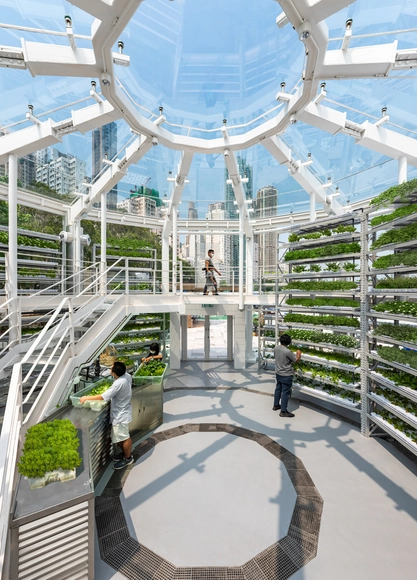
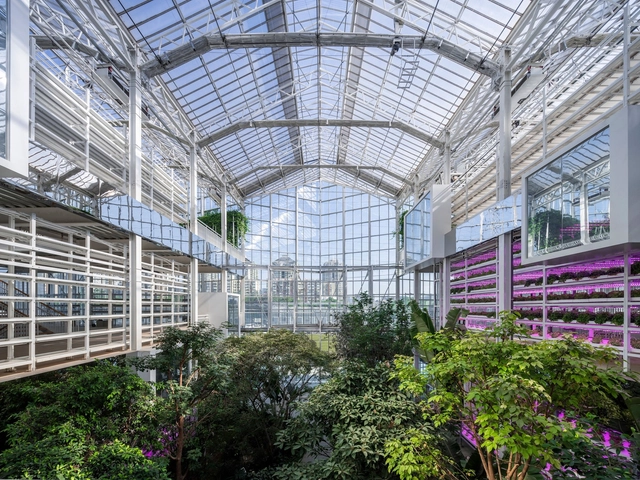
Crisis, crisis, crisis... and guess what? More crises. Every time we hear that word, it all feels more daunting. But here's the thing: with every challenge comes an opportunity. From the affordable housing shortage to the economic downturn and the climate emergency, there's always a new challenge, opening the door to new possibilities. But the truth is, none of these are isolated events; they're all interconnected in some way, forming different facets of the same story. Perhaps one of the least mentioned, particularly when it comes to the built environment, is the global food crisis, which is growing (almost) silently, waiting to take center stage. It poses various challenges for future food production, especially in cities.
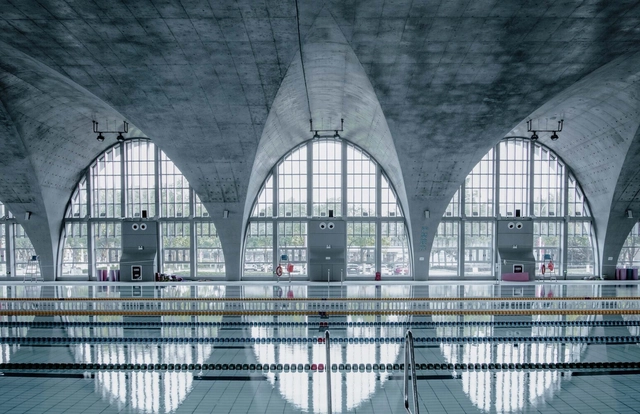
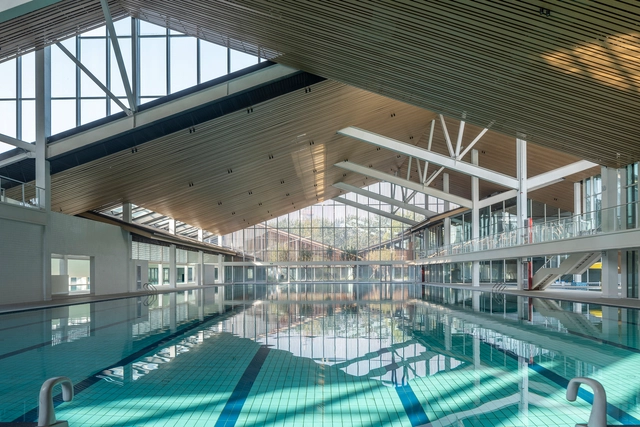
Sports infrastructure has become an important aspect of contemporary life, addressing the growing need for physical activity and leisure spaces to offset the stresses of urban living. In this context, architecture, particularly in the realm of sports facilities, plays a pivotal role in shaping these environments. Sports architecture, in particular, has evolved into a highly specialized discipline that not only addresses the functional and technical aspects—such as structural integrity, safety standards, and the specific requirements of different sports—but also emphasizes the importance of thoughtful design. A well-designed sports facility not only enhances the user experience but also integrates seamlessly into its urban or natural surroundings, contributing to the overall aesthetic and social value of the space. By blending functionality with innovation and creativity, sports architecture has the potential to positively impact both individual well-being and community cohesion.
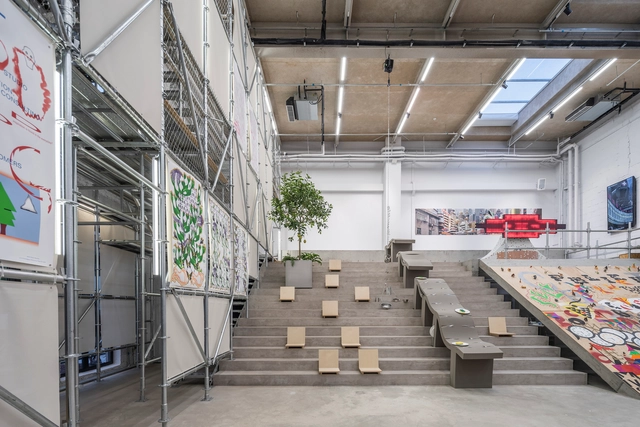
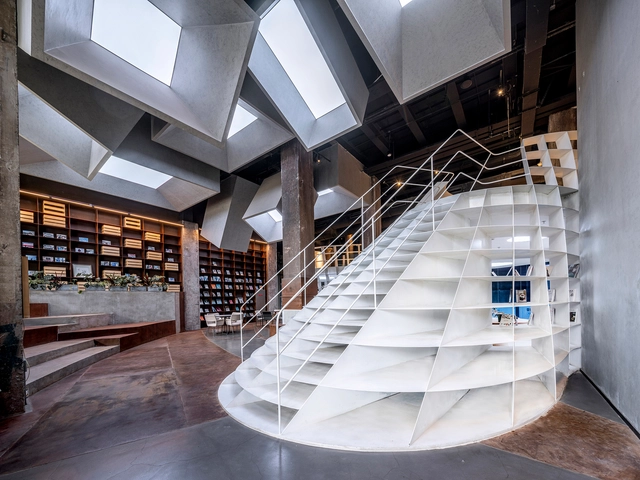
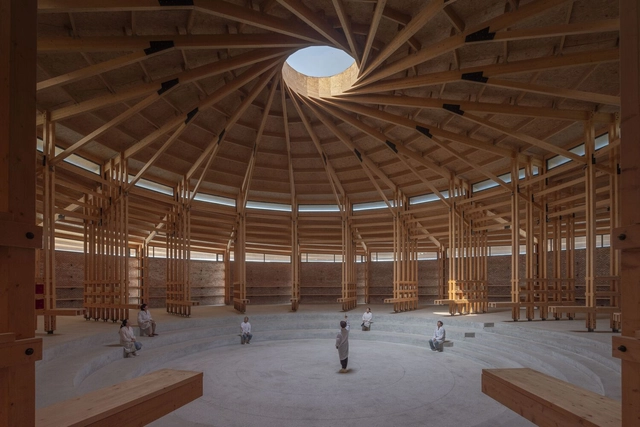
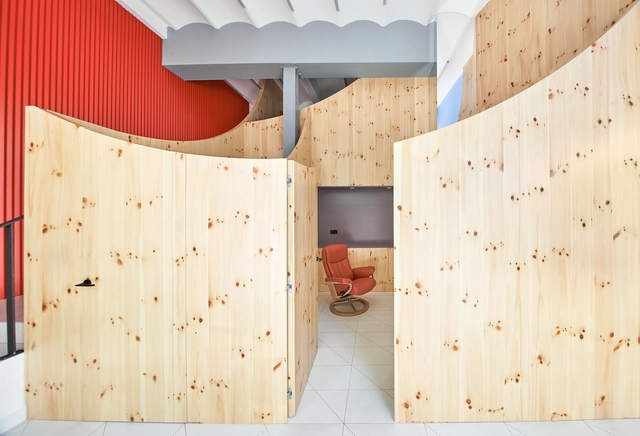
Throughout the annals of architectural history, timber has been a fundamental element in the evolution of building design and construction. From the ancient timber-framed structures of Japan to the medieval European cathedrals, timber's structural prowess and aesthetic appeal have left an indelible mark on human civilization. It wasn't until the Industrial Revolution's advent that a significant shift towards alternative building materials such as steel and concrete occurred, relegating the material to a secondary role in construction. As contemporary architects grapple with the consequences of climate change, however, timber has staged a remarkable comeback, offering an eco-friendly and structurally robust alternative. Internationally renowned firms are centering their designs around timber's potential, embracing its rich history while simultaneously harnessing advanced technologies to create awe-inspiring, sustainable structures that represent a harmonious blend of historical wisdom and modern innovation.
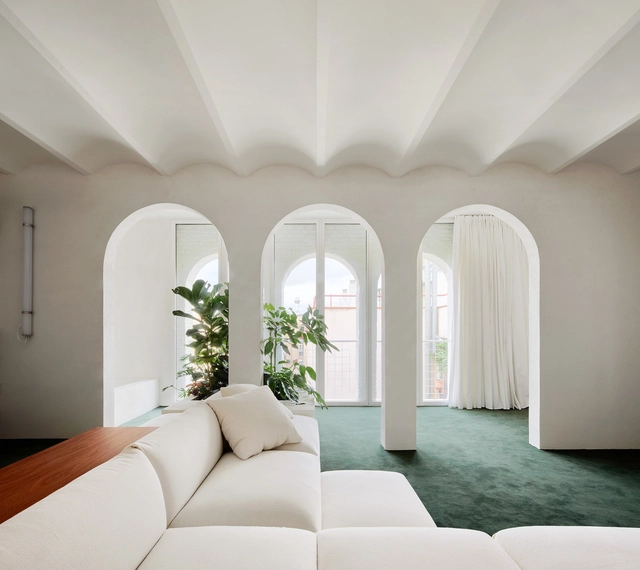
Although the use of arches in architecture dates back to the 2nd millennium B.C., it was the Romans who solidified them as both an engineering element and a symbol of military victories, which we now see excessively as memorial arches. Shortly after, different civilizations and cultures adopted the arch for their own purposes, bridging together structural necessity and aesthetics. In this article, we look at how arches evolved from significant structural elements to captivating decorative details.