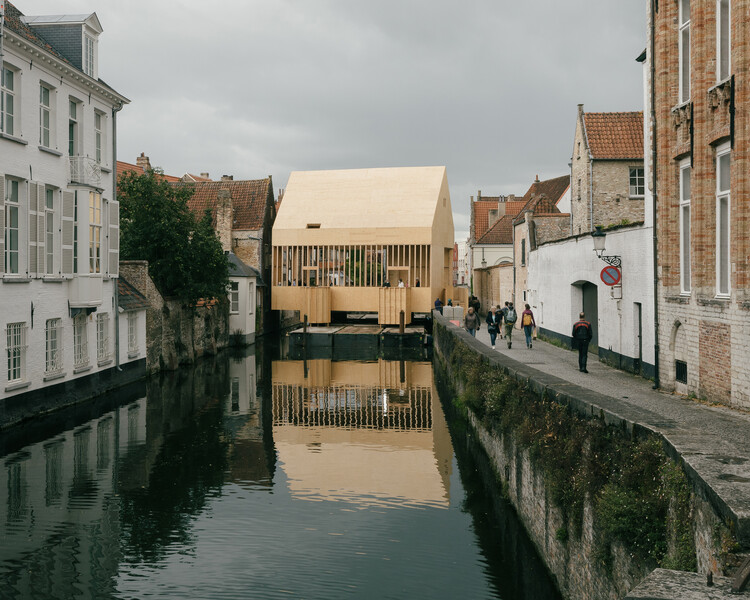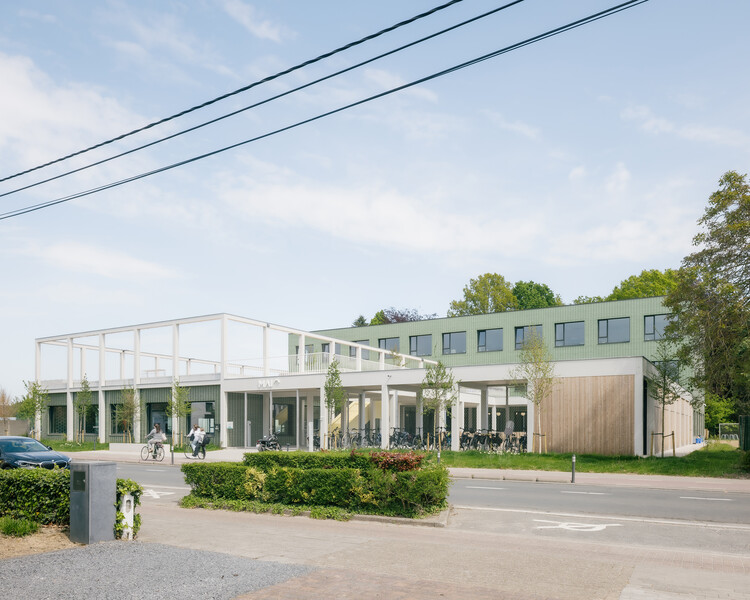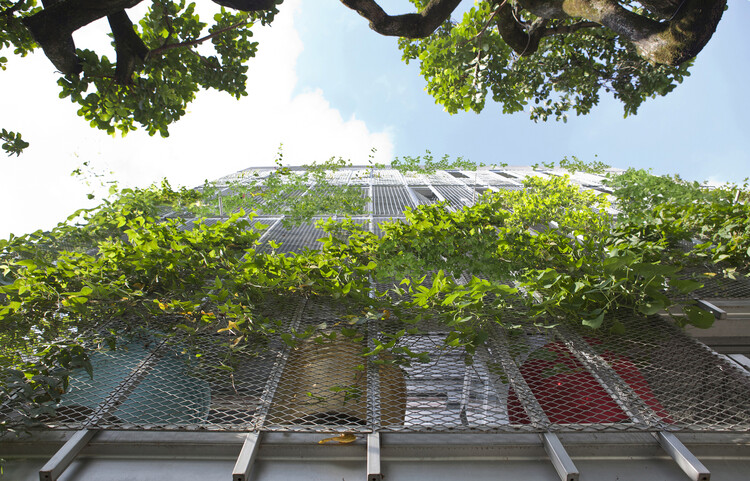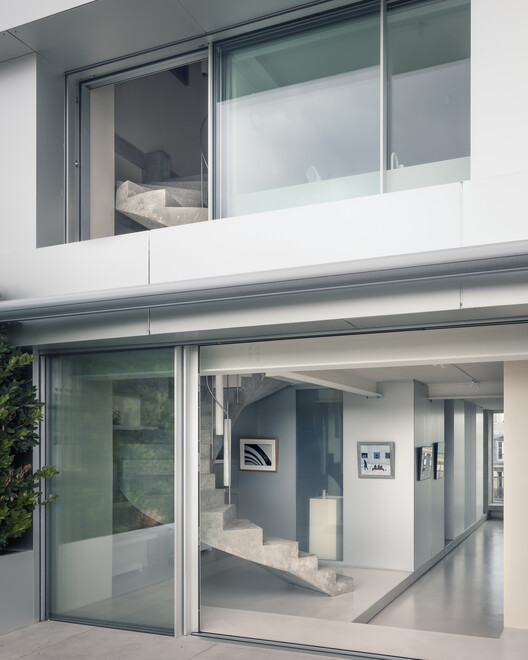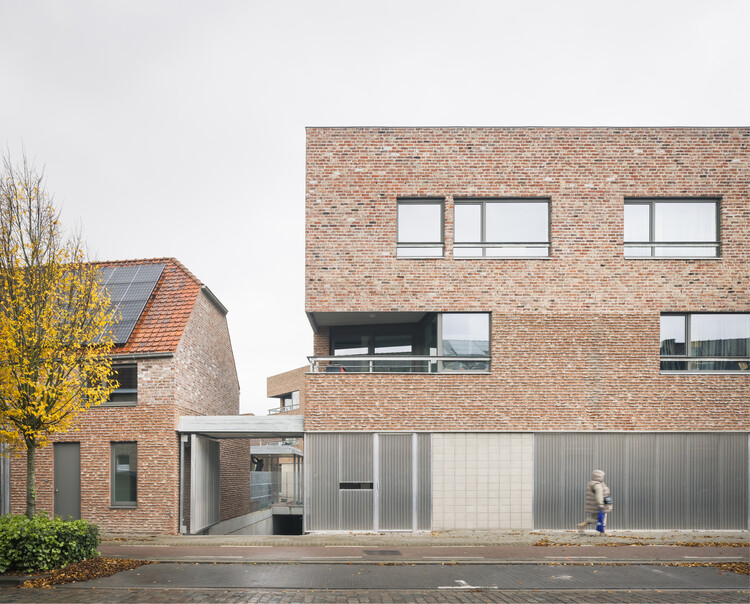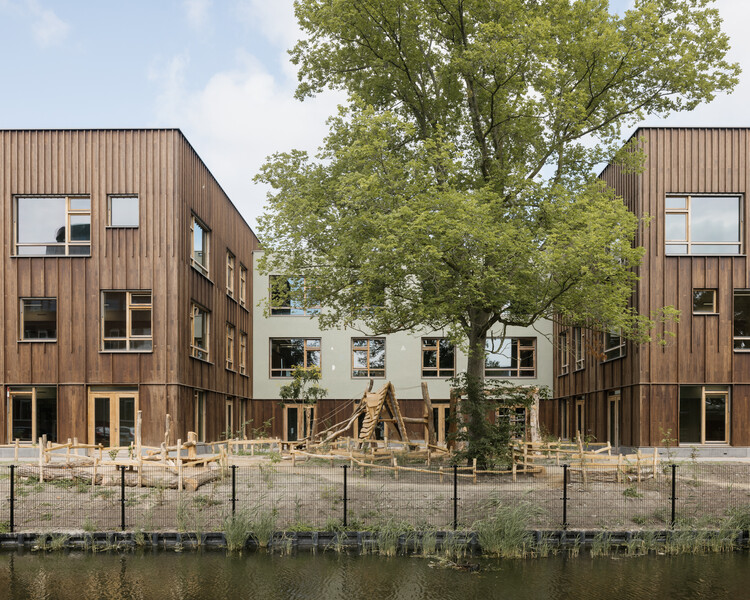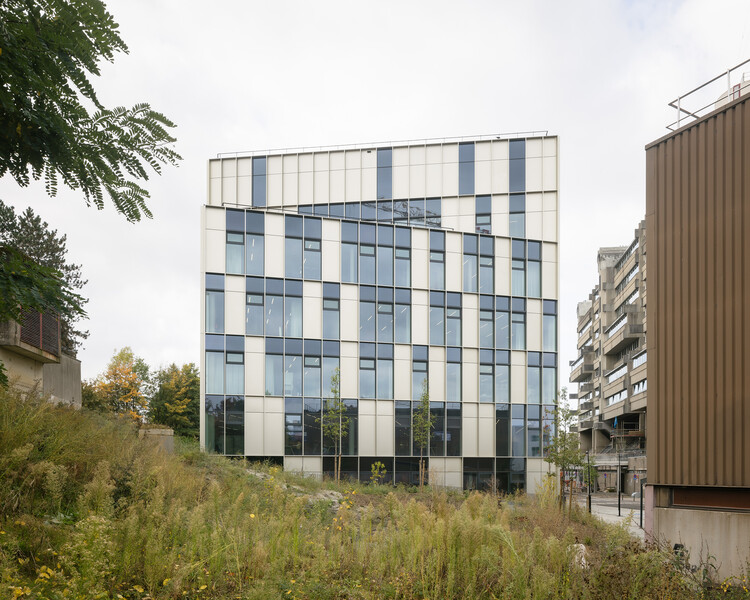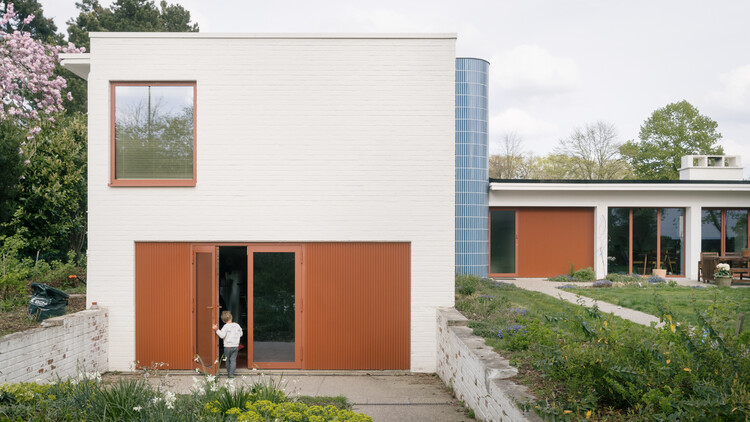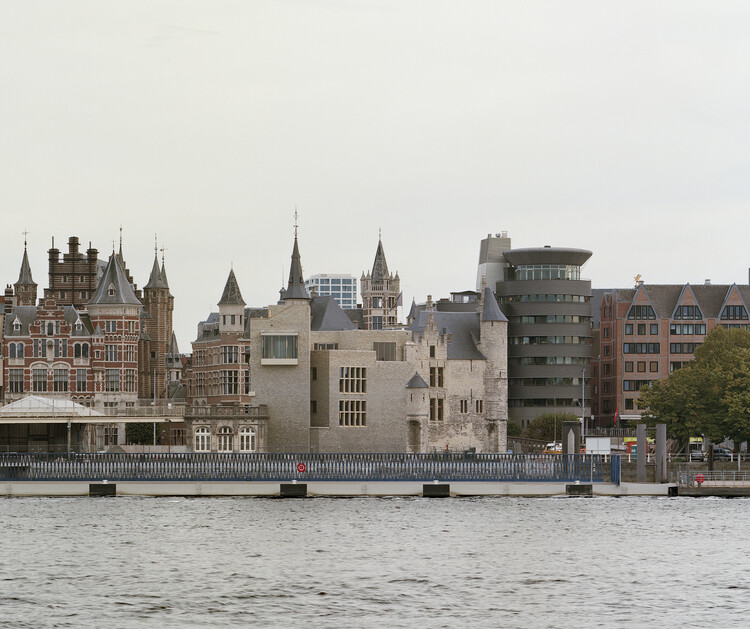
Stijn Bollaert

BROWSE ALL FROM THIS PHOTOGRAPHER HERE

When Façades Become Habitats: Architecture Making Room for Other Species

When we think of façades, we rarely think of them as habitats. We see them as the elements that separate interior from exterior, regulate temperature, reduce noise, and protect buildings from external conditions. They give architecture its visual language, but they are also expected to keep the outside world at a distance. In doing so, façades have often been understood as barriers: surfaces that define where human comfort begins and where the environment is meant to remain outside.

But the outside of a building is never empty. For centuries, architecture has unintentionally created opportunities for other forms of life. Birds nested beneath roof tiles, insects occupied cracks in masonry walls, and mosses or plants took root along ledges, gutters, and rough stone surfaces. These conditions were rarely designed with other species in mind, but they created small opportunities for life to inhabit them.

When Façades Become Habitats: Architecture Making Room for Other Species - More Images+ 21

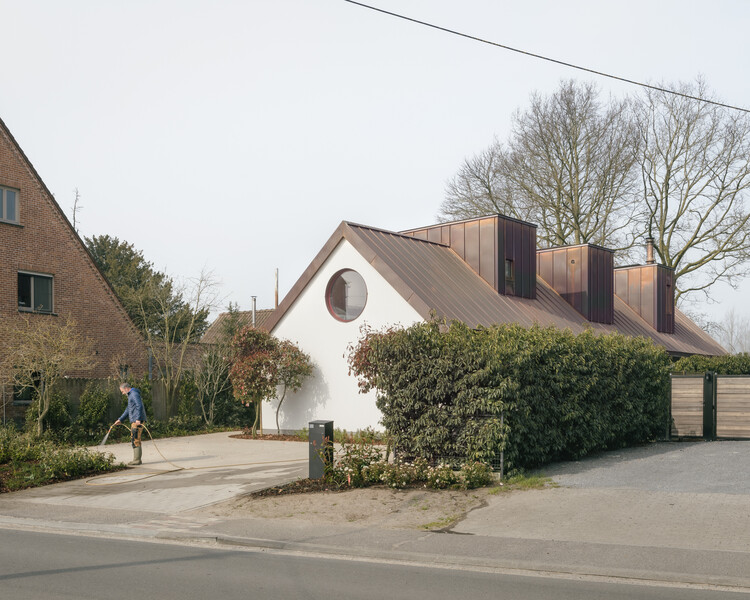
Apartment A / heros

Apartment A / heros - More Images+ 20

  • Architects: heros
  • Area Area of this architecture project Area:  160
  • Year Completion year of this architecture project Year:  2023
  • Manufacturers Brands with products used in this architecture project
    Manufacturers:  Sky-Frame

Art Center / FELT architecture & design + Oskar architecten

Art Center / FELT architecture & design + Oskar architecten - More Images+ 16

Urban Infill Project for Social Housing / MAKER architecten

Urban Infill Project for Social Housing / MAKER architecten - More Images+ 17

Kortrijk, Belgium

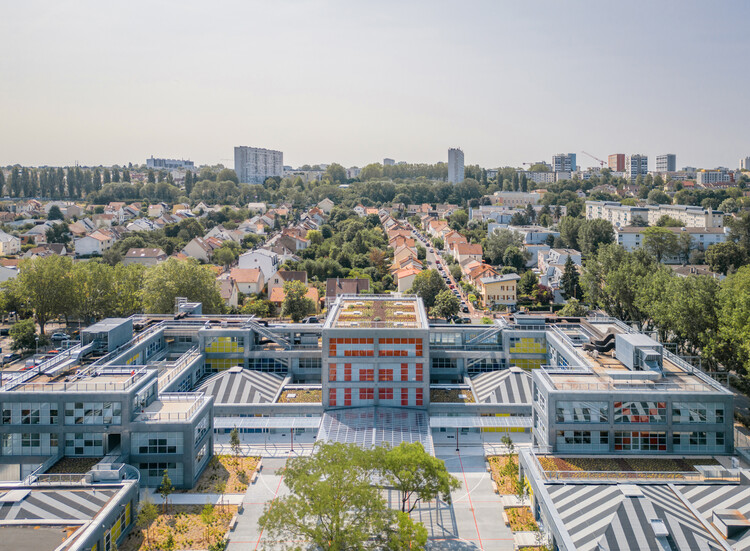
De Zevensprong - Integrated Child and Expertise Center / KRFT Architecture

De Zevensprong - Integrated Child and Expertise Center / KRFT Architecture - More Images+ 22

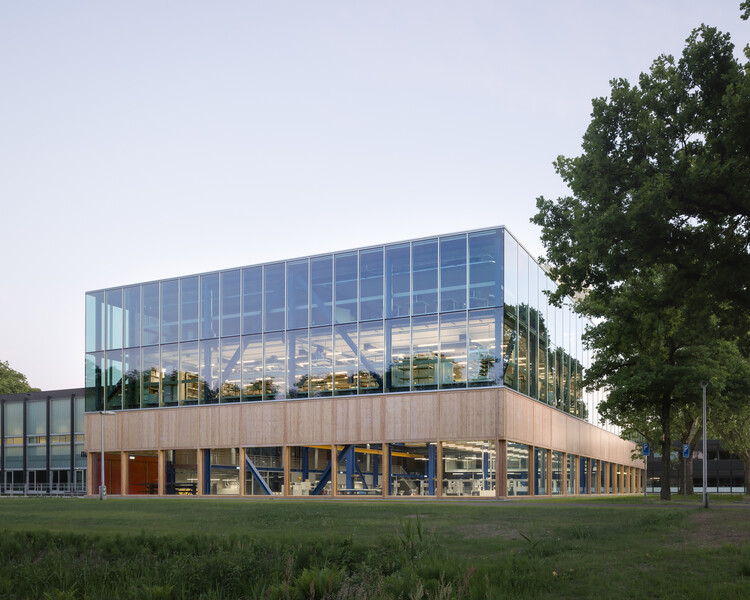
Learning and Innovation Center / evr-Architecten + A229

Learning and Innovation Center / evr-Architecten + A229 - More Images+ 23

  • Architects: A229, evr-Architecten
  • Area Area of this architecture project Area:  9910
  • Year Completion year of this architecture project Year:  2024

Student Experience Minervahaven / VURB Architects

Student Experience Minervahaven / VURB Architects - More Images+ 31

Daniël a Mid-Century Bungalow / FELT architecture & design

Daniël a Mid-Century Bungalow / FELT architecture & design - More Images+ 9

Heifort a Single-Story Home / FELT architecture & design

Heifort a Single-Story Home / FELT architecture & design - More Images+ 8

Ghent, Belgium

EUmies Awards 2026 Unveil 410 Nominated Works and the Jury Led by Smiljan Radić

The EUmies Awards are organized annually by the Fundació Mies van der Rohe and the European Commission, with the support of the European Union's Creative Europe Programme. Based on the principle that "architecture is not merely a technical or aesthetic matter, but a cultural, environmental, and democratic issue," this 19th cycle of the Prize brings together 410 works from 40 countries and 143 regions across Europe. Beyond recognizing contemporary architecture projects, the Awards also aim to reflect European values such as cultural diversity, sustainability, democracy, and solidarity. This year, most nominated works (23%) are residential projects, including both collective and single-family housing, followed by cultural (13%) and educational (12%) programs. The selection shows a balance between transformations of existing buildings (44%) and new construction (56%), while 12% of the nominees are transnational works and 33% of the studios are 10 years old or younger, underscoring the growing visibility of emerging practices.

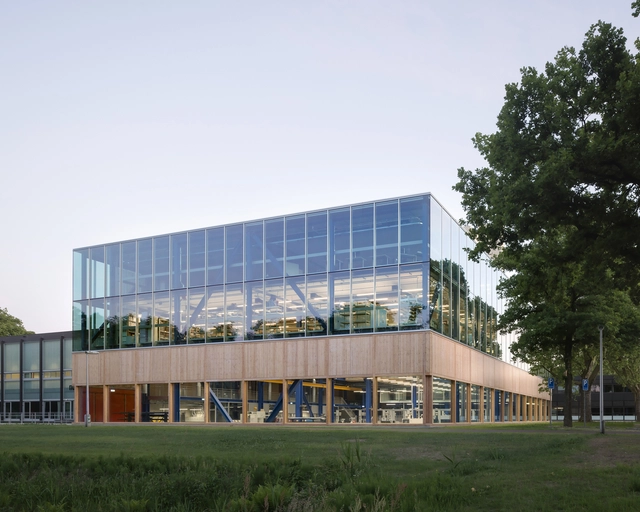
EUmies Awards 2026 Unveil 410 Nominated Works and the Jury Led by Smiljan Radić - More Images+ 17

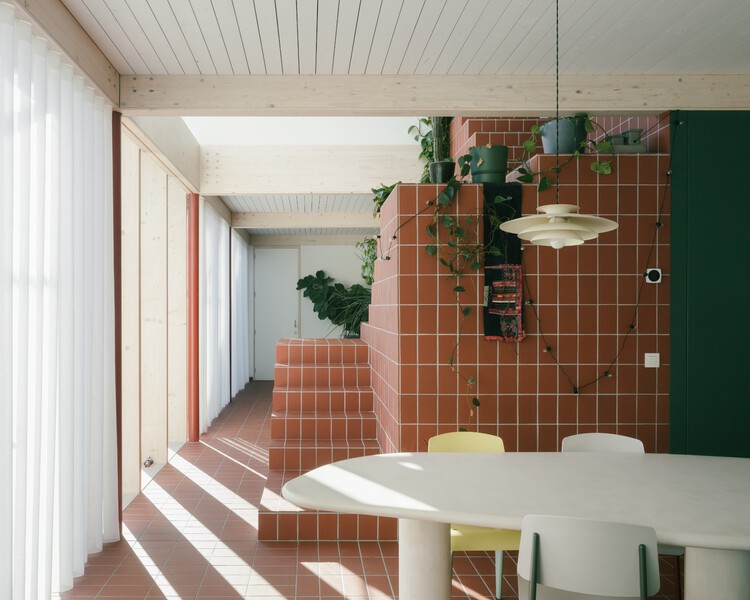
Household Practice / FELT architecture & design

Household Practice / FELT architecture & design - More Images+ 20

  • Area Area of this architecture project Area:  345
  • Year Completion year of this architecture project Year:  2022
  • Manufacturers Brands with products used in this architecture project
    Manufacturers:  AGROB BUCHTAL, Wienerberger, Eternit, Fermacell, Firmax, +2

CUBE Workshop Building / Civic Architects

CUBE Workshop Building / Civic Architects - More Images+ 17

  • Architects: Civic Architects
  • Area Area of this architecture project Area:  4734
  • Year Completion year of this architecture project Year:  2025
  • Manufacturers Brands with products used in this architecture project
    Manufacturers:  Alverre, Buiting Staalbouw, Qbiq, Woodteq

Leiden University Lecture Hall / Civic Architects

Leiden University Lecture Hall / Civic Architects - More Images+ 14

  • Architects: Civic Architects
  • Area Area of this architecture project Area:  6049
  • Year Completion year of this architecture project Year:  2025

Why Sit by the Dock of the Bay? Designing Thresholds to the Water

Subscriber Access | 

Boat docks and harbors are liminal spaces where the shore marks the meeting of land and water, and serve as a space for the convergence of culture, industry, and community. For those who work at sea, from commercial fishers to marine freight operators, the dock is a threshold between labor and rest, between oceanic uncertainty and terrestrial stability. For others, the dock serves as a gateway to recreation, sport, and adventure, accommodating everything from rowing clubs to family sailing trips. And for many who never board a vessel, the dock offers a powerful connection to the marine environment where one can pause, observe, and engage with the rhythmic tides.

Why Sit by the Dock of the Bay? Designing Thresholds to the Water - More Images+ 48

Nautical Residential Beacon / Civic Architects

Nautical Residential Beacon / Civic Architects - More Images+ 11

  • Architects: Civic Architects
  • Area Area of this architecture project Area:  1915
  • Year Completion year of this architecture project Year:  2024
  • Manufacturers Brands with products used in this architecture project
    Manufacturers:  HSB

Bridging the Gap: 15 Atypical Living Solutions in Urban Remnants

Subscriber Access | 

Behind facades lie vibrant lives, where the exterior melds with the interior, transforming neglected urban spaces into captivating residences. In cities around the world, architects, engineers and designers face the challenge of integrating new buildings into existing urban landscapes with limited space. Many architects are now embracing this concept, expanding their designs beyond conventional boundaries and transforming small city lots into layered and interconnected living spaces.

Bridging the Gap: 15 Atypical Living Solutions in Urban Remnants - Image 1 of 4Bridging the Gap: 15 Atypical Living Solutions in Urban Remnants - Image 2 of 4Bridging the Gap: 15 Atypical Living Solutions in Urban Remnants - Image 3 of 4Bridging the Gap: 15 Atypical Living Solutions in Urban Remnants - Image 4 of 4Bridging the Gap: 15 Atypical Living Solutions in Urban Remnants - More Images+ 41

From Tradition to Innovation: How Modern Technologies are Transforming the Potential of Wood

Wood, one of the oldest building materials, has been continuously reinvented throughout history. As contemporary architecture becomes more and more concerned with sustainability and environmental responsibility, the popularity of the material has also increased. As trees absorb carbon dioxide during their growth, their wood stores that carbon, keeping it out of the atmosphere. The materials derived from wood are thus associated with less greenhouse gas emissions on the condition of trees being harvested from sustainably managed forests. But in order to capture the full potential of this material, a plethora of techniques and modifications have evolved with the purpose of adapting and customizing wood's characteristics to the demands of modern design and construction. From thermal modification to engineered wood or versatile particle boards, these methods not only enhance wood's suitability for the rigors of contemporary architecture but also expand the usability of this sustainable material to an unprecedented scale.
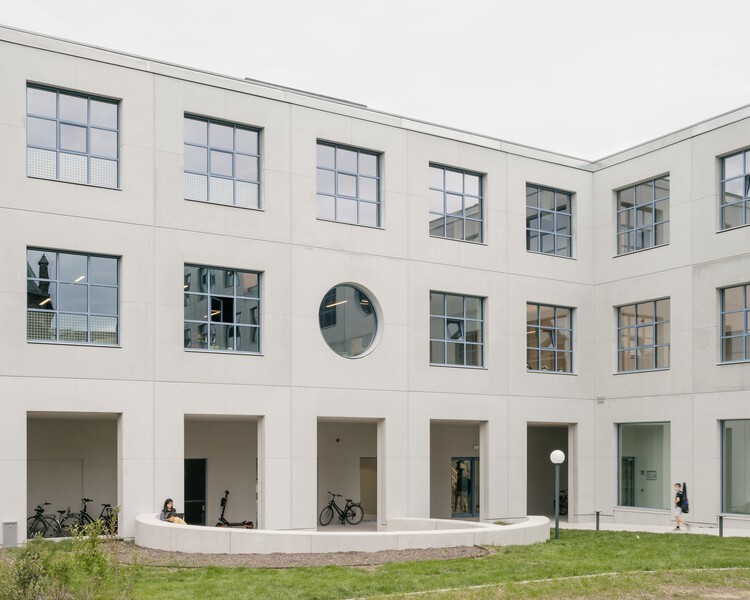
From Tradition to Innovation: How Modern Technologies are Transforming the Potential of Wood - More Images+ 5

DT House / AE-architecten

DT House / AE-architecten - More Images+ 11

  • Architects: AE-architecten
  • Area Area of this architecture project Area:  130
  • Year Completion year of this architecture project Year:  2024