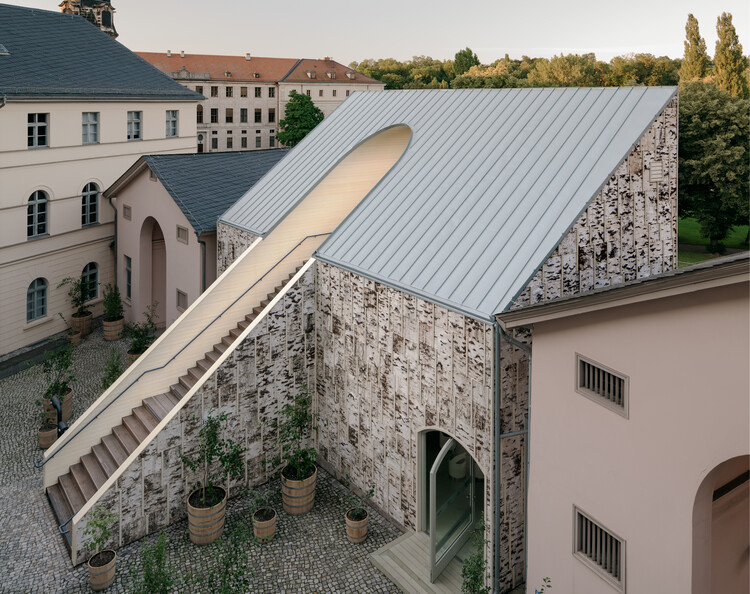
-
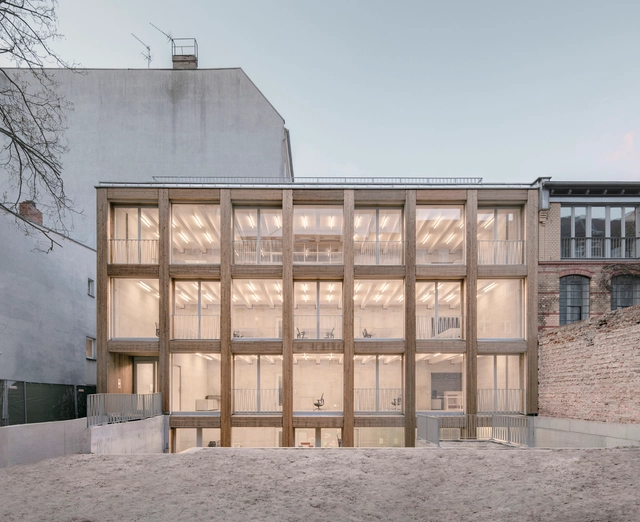
Architects: JWA Berlin + Hinrichs Wilkening Architekten
- Area: 3500 m²
- Year: 2019
-
Professionals: Hinrichs Wilkening Architekten, fd-ingenieure, Innius GTD, Hentschke Bau GmbH
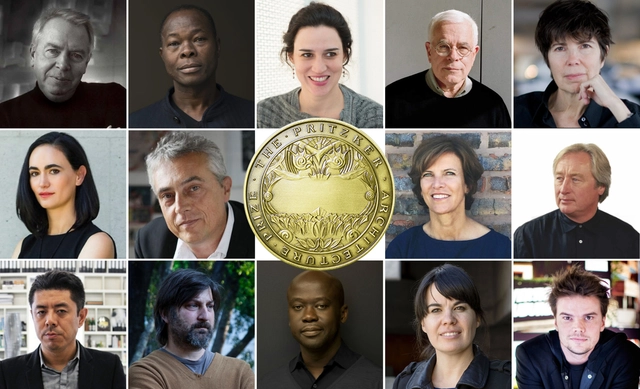
As part of our yearly tradition, we have asked our readers who should win the 2022 Pritzker Prize, the most important award in the field of architecture.

Michael Sorkin used to regard criticism as "a service profession", highlighting the field's ability to shape public opinion and the direction of architecture at large. Intellectually expansive architecture criticism not only evaluates the merits and shortcomings of a project but reveals how buildings are situated in relation to history and theory and how they contribute to current economic, social and environmental dilemmas. The following explores the field of architecture criticism, highlighting some of its key figures while reflecting on how this role has changed with the emergence of digital media.


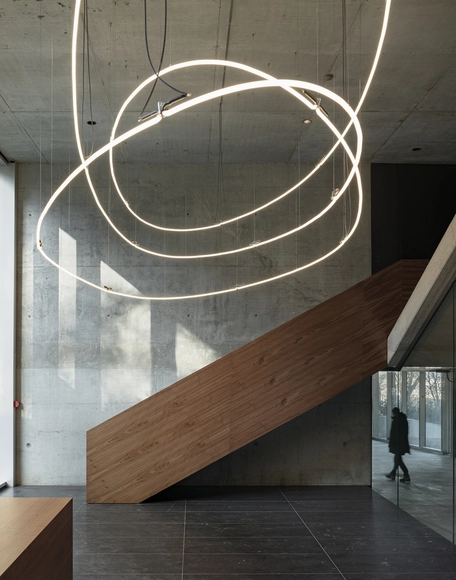
Light serves an essential purpose in architecture: to help us see. Whether it be through natural or artificial methods, rooms must be illuminated accordingly so occupants can safely inhabit them and fulfill their daily functions. When the right system is selected, light can also contribute to energy efficiency and sustainability within the building as a whole. However, apart from its evident functional and environmental value, lighting design can vastly impact the visual comfort and aesthetic tone of interiors by drawing attention to textures, enhancing colors and defining volumes. Therefore, of the many pieces involved in interior design, lighting is certainly one that can enhance or destroy a space and even affect users’ well-being, which is why it should be considered a crucial design element by itself.
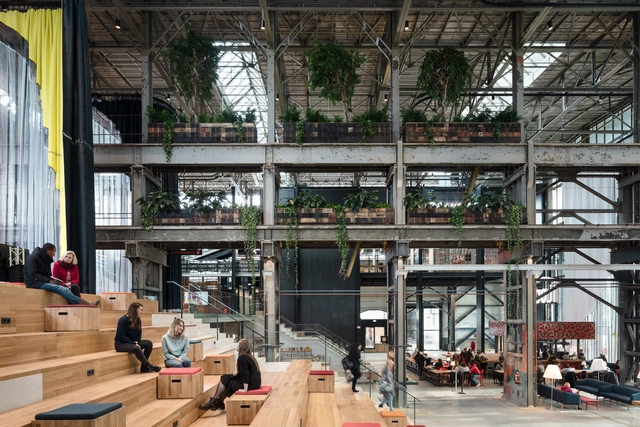
Stating that “design and sustainability are indissociable”, the 2022 European Union Prize for Contemporary Architecture – Mies van der Rohe Award, centered its nominations on social inclusion, sustainability and circularity, and aesthetic research. So far, 40 shortlisted projects are moving to the next level. The biennial contest that gives tribute to works completed within the previous two years in general, will announce the 5 finalist works in February 2022, and the winner in April 2022.
Focused on 3 main titles, "the European city: a model for the sustainable smart city", "defining common European culture while reflecting the diversity of expression" and "an architecture that has social impact and transmits a cultural message", we have grouped the selected projects, nominated by a jury formed by Tatiana Bilbao, Francesca Ferguson, Mia Hägg, Triin Ojari, Georg Pendl, Spiros Pengas and Marcel Smets to give a better understanding of the selection criteria and the architectural situation in Europe.
The European Commission and the Mies van der Rohe Foundation have announced the 40 shortlisted works that will compete for the 2022 European Union Prize for Contemporary Architecture – Mies van der Rohe Award. The shortlist featured projects built across 18 different European countries, with Spain, Austria, and France topping the list with 5 entries each. The winners will be announced in April 2022 and the Award ceremony will take place in May 2022.

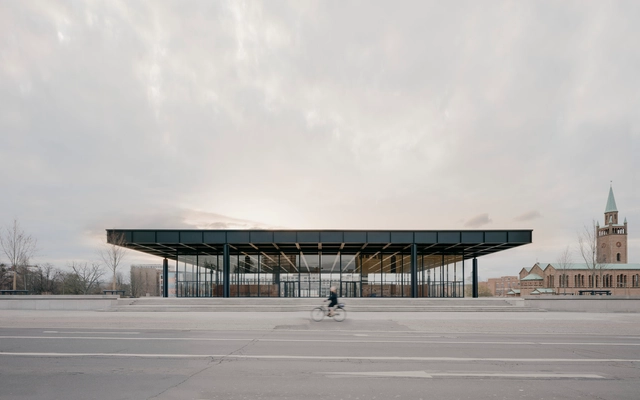
Last year, a series of new museums, expansions and several museum renovations have opened their doors to the public, adding a new dimension to the cultural landscape around the world. From the long-awaited re-opening of the Neue Nationalgalerie in Berlin, to Ryue Nishizawa's Jining Art Museum merging with the landscape, and MVRDV's reflective Art Depot, discover the architecture of the latest venues of art and culture.
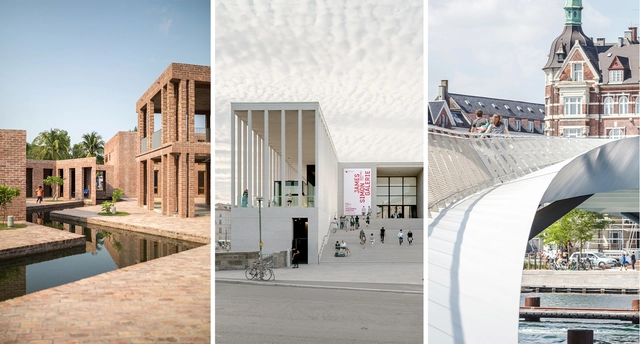
The Royal Institute of British Architects (RIBA) has announced its shortlist for the 2021 International Prize, a prestigious biennial award that celebrates the world’s best new projects that “champion buildings that change the world and positively impact the community around them". The jury has selected three projects from a list of 16 projects in 11 countries, and will announce the winner on Thursday 2nd December.


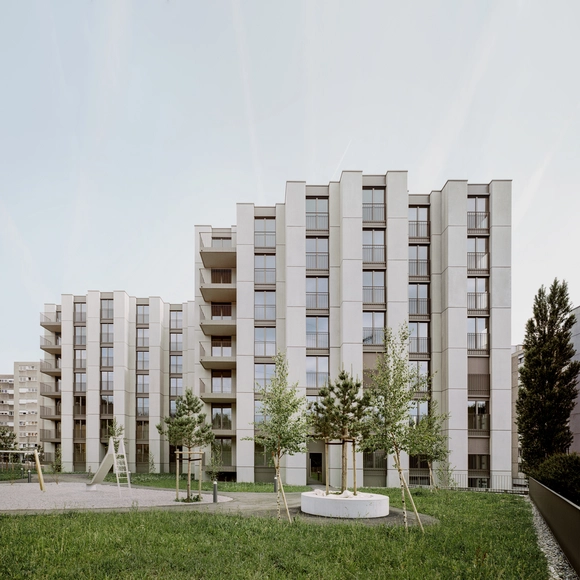
The Royal Institute of British Architects has announced the 54 winners of the 2021 RIBA National Awards, highlighting the UK's best new architecture. Ranging from single homes and housing schemes to educational facilities, cultural buildings, sports venues and medical centres, this year's projects illustrate a growing preoccupation with restoration and adaptive reuse, as well as a significant investment in education and culture. Inaugurated in 1966, the awards provide insight into UK's architectural environment and the economic trends shaping the AEC industry.
The Neue Nationalgalerie, designed by Mies van der Rohe, reopened to the public after an extensive renovation project carried out by the practice of David Chipperfield. In this video created by Mies van der Rohe House, Chipperfield shares his thoughts on the design language of Mies van der Rohe while also discussing the qualities of Neue Nationalgalerie and the future role of architectural monuments. The interview is part of the film and exhibition project Mies Goes Future, which invites artists, architects, and historians to explore the work of the renowned Modernist architect as a source of inspiration for contemporary practice.
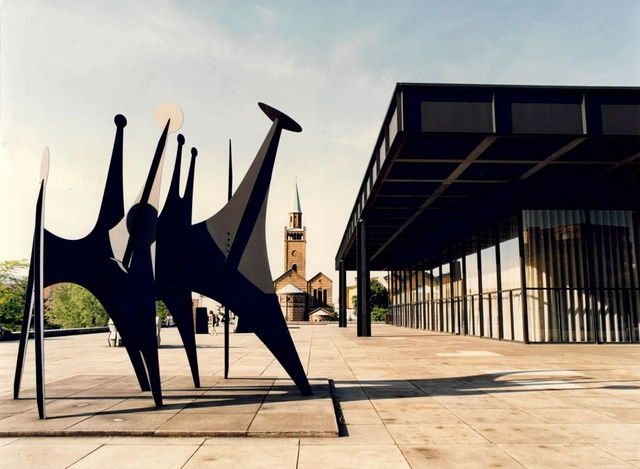
After being closed for six and a half years for a renovation by David Chipperfield Architects, the Berlin museum reopened Sunday, August 22.

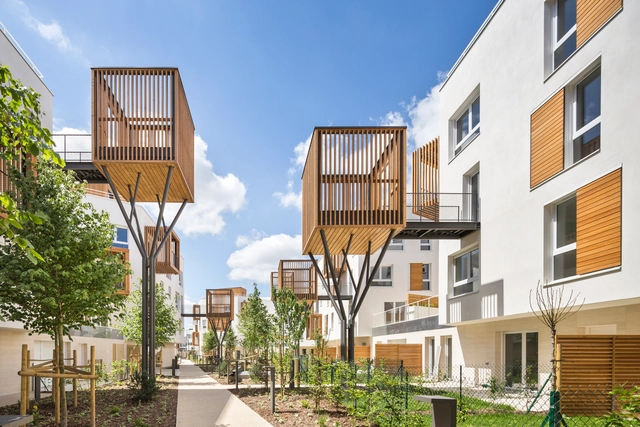
“We need a new spatial contract." This is the call of Hashim Sarkis, curator of the Venice Biennale 2021, as an invitation for architects to imagine new spaces in which we can live together. Between a move towards urban flight and global housing crises, the growth of more low-rise, dense developments may provide an answer in the countryside. Turning away from single family homes in rural areas and suburbs, modern housing projects are exploring new models of shared living in nature.


.jpg?1641932763&format=webp&width=230&height=230&crop=true)


.jpg?1637053142&format=webp&width=230&height=230&crop=true)
.jpg?1637053340&format=webp&width=230&height=230&crop=true)
.jpg?1637053381&format=webp&width=230&height=230&crop=true)