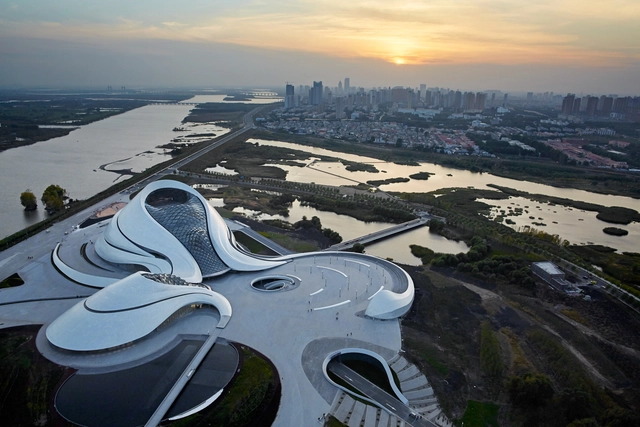
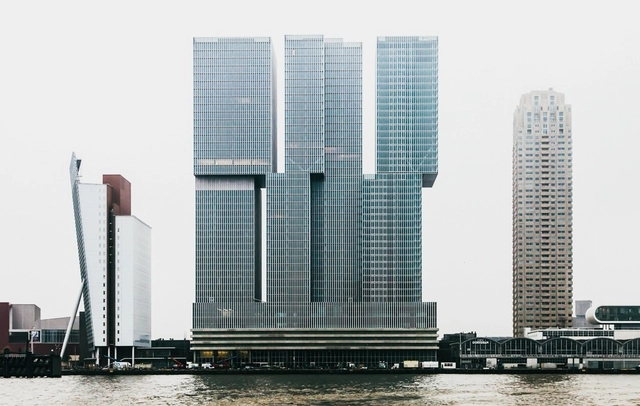
ArchDaily turns 11! To commemorate the occasion, we want to share with you the 11 projects most visited by our readers during this incredible journey. From the indisputable and timeless classics from of designers like Le Corbusier and Ludwig Mies van der Rohe, to the pioneering works of architects such as Zaha Hadid and OMA, passing through the delicate work of Gabinete de Arquitectura, these 11 examples teach us valuable lessons about architecture, most importantly: how to design for specific requirements without losing the creativity and beauty of architectural design.
On behalf of ArchDaily, we want to thank you for sharing with us the best architecture in the world, helping us to inspire professionals from all over the world to build better cities.
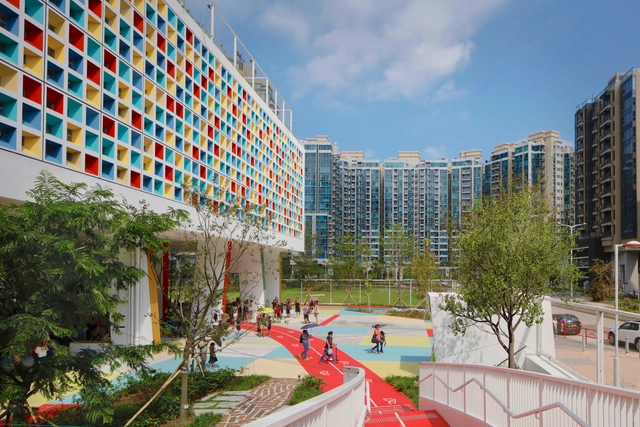
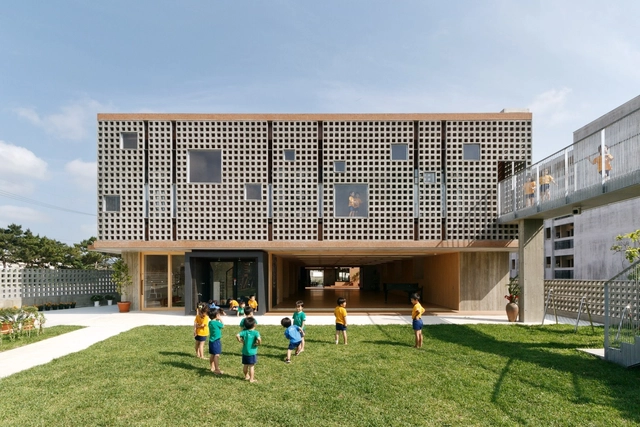
Within the architecture field, the relationship between design and education has gained prominence, especially when it comes to children’s education. The relationship between architecture, philosophy, and sociology is well known. Frequently, when designing, issues introduced by these fields work as tools to reflect upon the relationship between the space and the user. When we consider children’s education, we must go beyond ergonomics and think of architecture as an educational tool.
In this video from the Louisiana Museum, Anne Lacaton from the award-winning practice Lacaton & Vassal describes the importance of building upon existing conditions to create new architecture. She shares the firm's approach to architecture, which is to "never withdraw, always add" and their focus on generosity of space, care of the users, and utilization of existing natural resources to create a more affordable architecture.
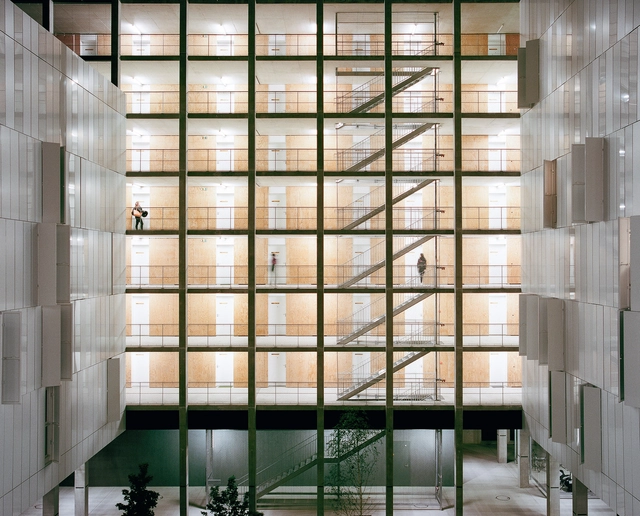
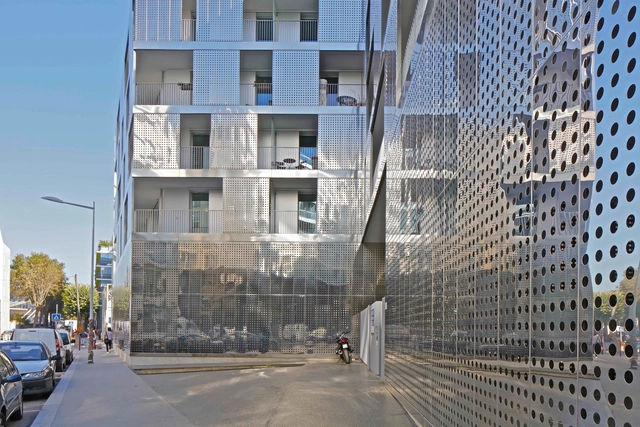
Lacaton & Vassal have gained worldwide acclaim for their transformative social housing work. They were awarded the Grand Prix national de l'architecture in 2008, the Heinrich Tessenow Medal in 2016, and the Global Award for Sustainable Architecture in 2018, to name a few. Their projects such as the 23 Semi-collective Housing Units in Trignac, France, and Ourcq Jaures Student & Social Housing display a dedication to social responsibility in architecture. In Anne Lacaton's interview, she describes how they mine the richness of existing architecture and the surroundings to create beautiful and affordable designs. Interpreting history as "an addition of layers," she articulates their stance against the idea of tabula rasa and the importance of utilizing the found beauty of existing environments: "We don't see [the existing conditions] as a constraint, we see it as a chance."
As identity-based politics continues to grow in influence, we may do well to examine the effect it has on the way we think about and design our cities. In a recent interview with the Washington Post, Rem Koolhaas discusses these changes - and how they mark an evolution from the generic city concept he introduced in S,M,L, XL.
https://www.archdaily.com/898006/rem-koolhaas-on-identity-and-conformity-in-the-digital-cityKatherine Allen
Architecture schools and the students they house have a particularly unique and interesting building-user relationship. Architecture students value the buildings of their school not only for providing the valuable work space necessary for constructing studio projects but also as an example and model of a building in use. As the buildings are the places where students first learn how to read and understand architecture, design schools become full-scale teaching tools that help new designers grasp structure, details, how materials perform and interact, and so many of the other core concepts of architecture. While the scrutiny of students and faculty can be exhaustive, architects have embraced the challenge of creating engaging works of architecture that both suit the specific needs of a school and take on the pedagogical challenge of educating students by example.
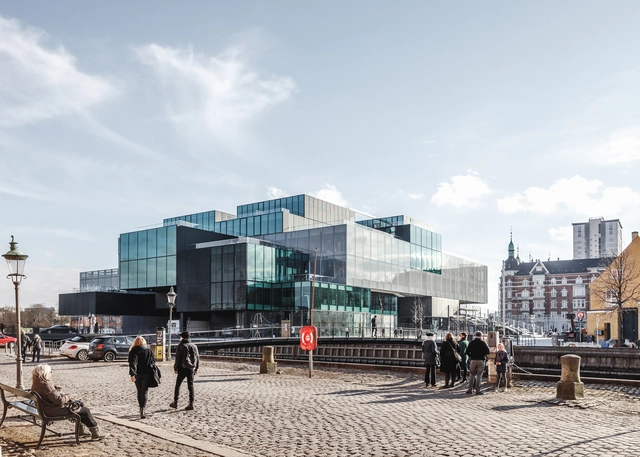
On Saturday, at the opening of her latest building, Ellen van Loon sat on the terrace of BLOX in Copenhagen exuding the satisfaction and fulfillment that comes with finishing a major public building. A day of opening activities concluded, van Loon spoke with ArchDaily about the 27,000-square-meter mixed-use building. Built for client Realdania, it’s the Danish Architecture Center’s new home on the edge of the harbor, located on an incredibly challenging site that is bifurcated by a busy street.
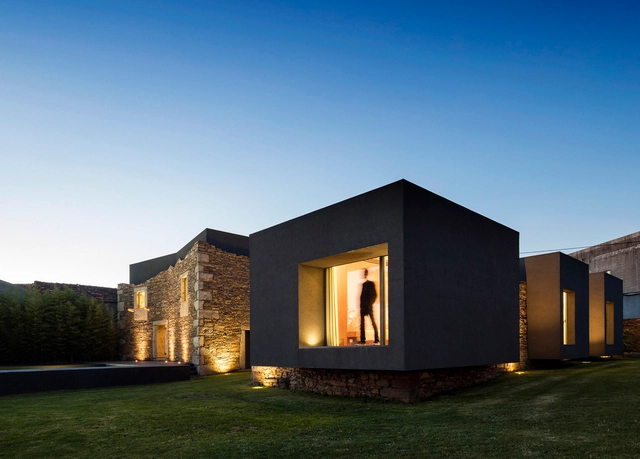
With Halloween just around the corner, this week we have prepared a special edition of Photos of the Week featuring nighttime images. Undoubtedly, this effect is among the most spectacular and difficult to achieve in architecture photography. Working in the absence of light is not a simple task for photographers, but by playing with the artificial lights in buildings (and, usually, some dramatic HDR effects) it is possible to achieve adequate exposure for incredible results. Below is a selection of 15 images from prominent photographers such as Ketsiree Wongwan, Laurian Ghinitoiu and Philippe Ruault.
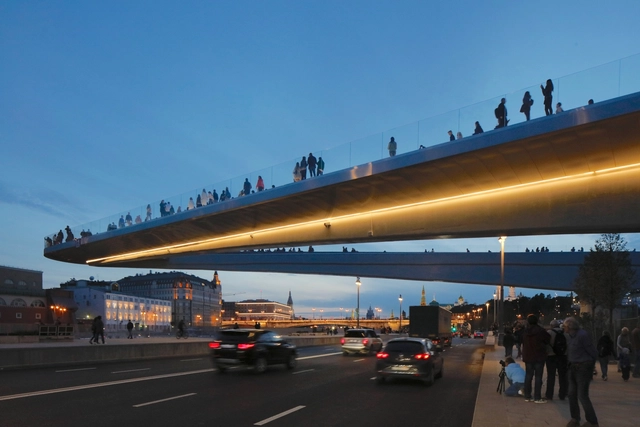
As part of the series of new urban developments sprawling up in Moscow, Zaryadye Park is the latest to open this month in a bid to improve the city’s green space. Commissioned by Moscow Chief Architect, Sergey Kuznetsov, an international consortium led by Diller Scofidio + Renfro in collaboration with Hargreaves Associates and Citymakers has designed this new public space that encourages integration and celebrates the amplitude of regions across Russia by artificially emulating each of their climates: the steppe, the forest, the wetlands and the tundra.
You’re a chipper young first-year student, still soft and tender in the early stages of your induction into the cult of architecture. Apart from fiddling with drafting triangles and furiously scribbling down the newfound jargon that is going to forever change how you communicate, you often find yourself planted in a seat, eyes transfixed to a projector screen as your professor-slash-cult-leader flashes images of the architecture world's masterpieces, patron saints, and divine structures.
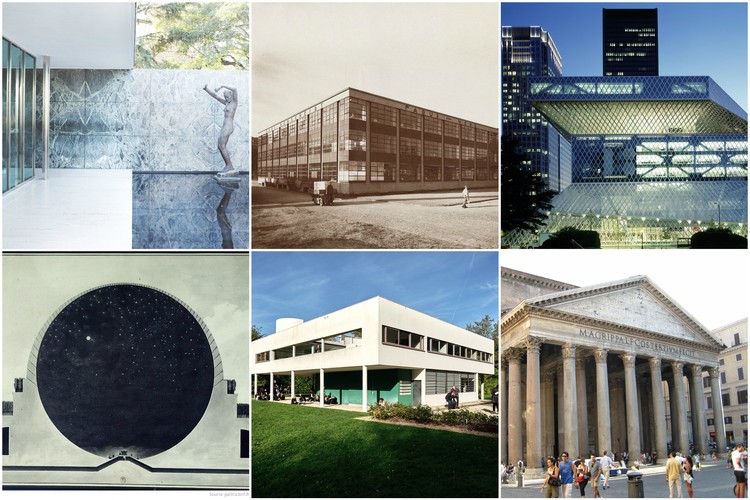
Soon, you develop a Pavlovian response: you instinctively recognize these buildings, can name them at once and recite a number of soundbites about their design that have lodged themselves in your brain. Your professor looks on in approval. Since we here at ArchDaily have also partaken in this rite of passage, here are 15 buildings that we all recognize from the rituals of architecture school.
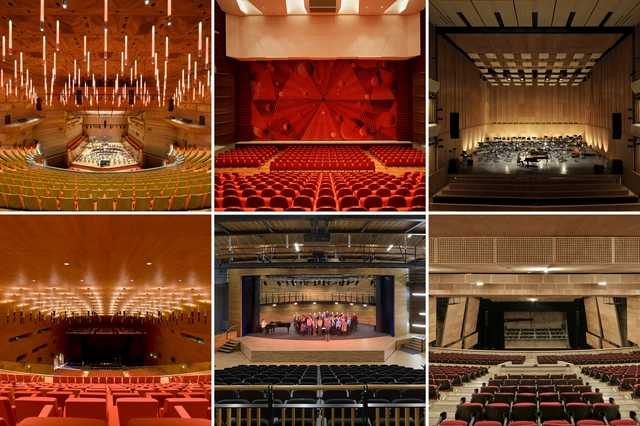
Seeing the space of an auditorium in section is a key tool in allowing us to approach a design's of acoustics, accessibility, and lighting. These components are what make the design of an auditorium a complex task, requiring detailed and specific studies.
There are a number of ways to design an auditorium that offers multiple responses to these challenges. For this reason, we have selected a number of sections from different auditoriums that can help you understand how other architects have solved the challenge.
Check out the 30 auditorium sections below, they are sure to inspire you!