


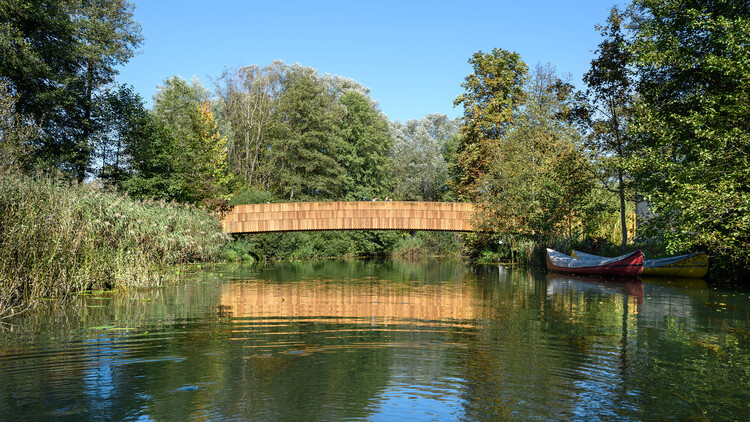
-
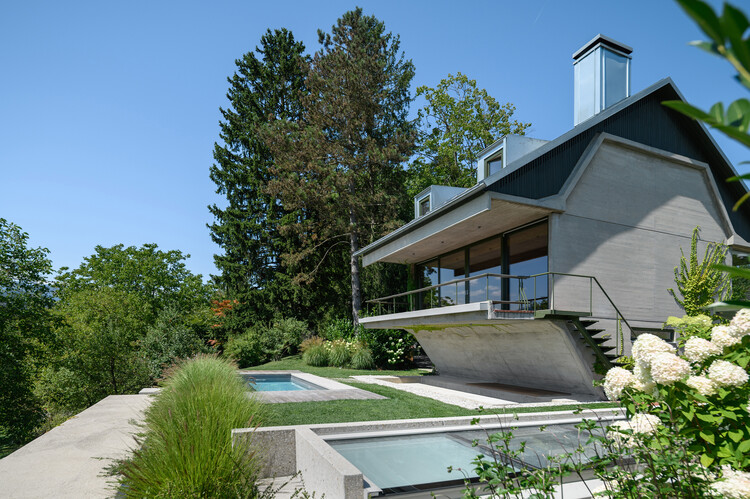
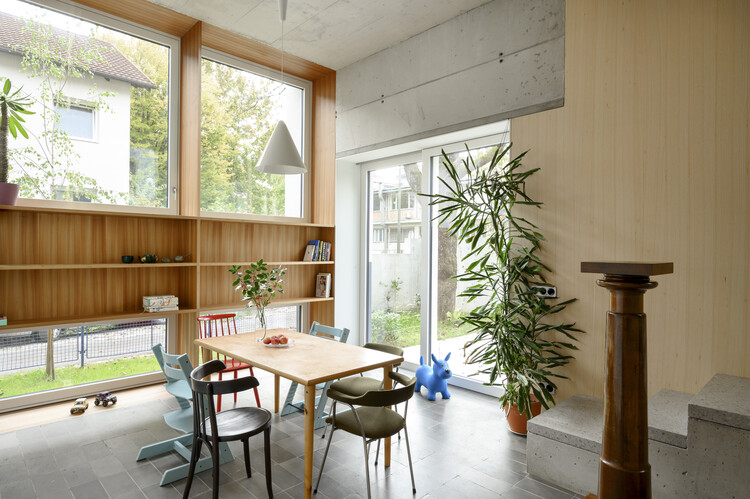
Architects: dans arhitekti
- Area: 165 m²
- Year: 2024


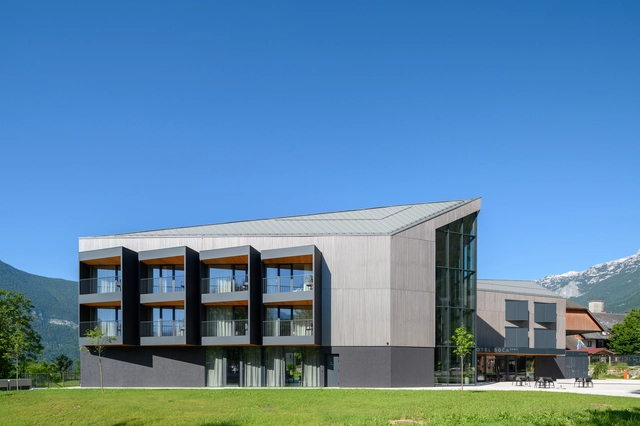
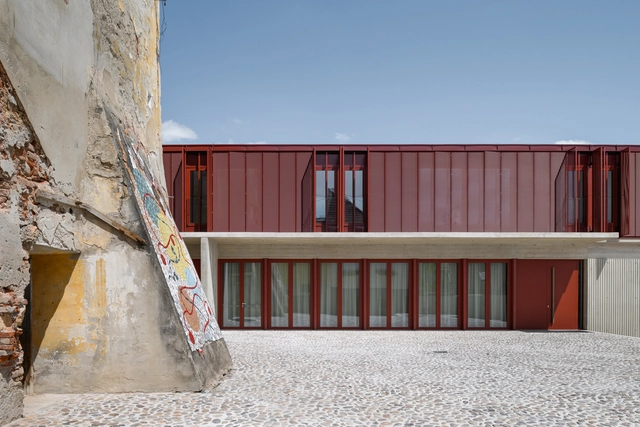
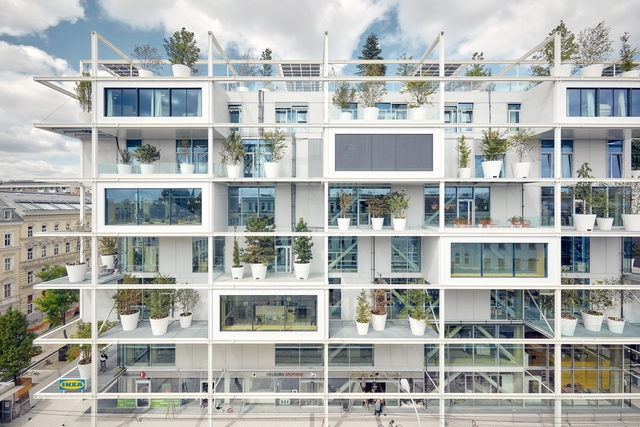
The European Commission and the Fundació Mies van der Rohe have announced the 2024 European Union Prize for Contemporary Architecture / Mies van der Rohe Awards (EUmies Awards) nominees. A total of 362 works of architecture realized over 38 different European countries have been selected, marking the first stage of the EUmies Awards’ 18th cycle. In the next stage, the jury will choose 40 outstanding projects, followed by visits to the finalists and interviews with the architects, their teams, and the project clients.
The 2024 EUmies Awards aims to recognize the best-built works in Europe completed between April 2021 and May 2023. The selection of projects reflects the current changes within the European context, with increasing attention given to environmental, social, and economic awareness expressed through architecture, landscape architecture, urban planning, and design. This year’s jury is chaired by Frédéric Druot (Paris/Bordeaux), who will be accompanied by Martin Braathen (Oslo), Pippo Ciorra (Rome), Tinatin Gurgenidze (Tbilisi/Berlin), Adriana Krnáčová (Prague), Sala Makumbundu (Luxembourg), and Hrvoje Njiric (Zagreb).
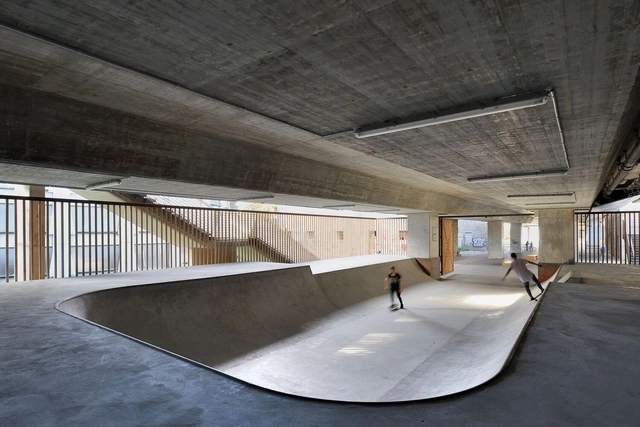
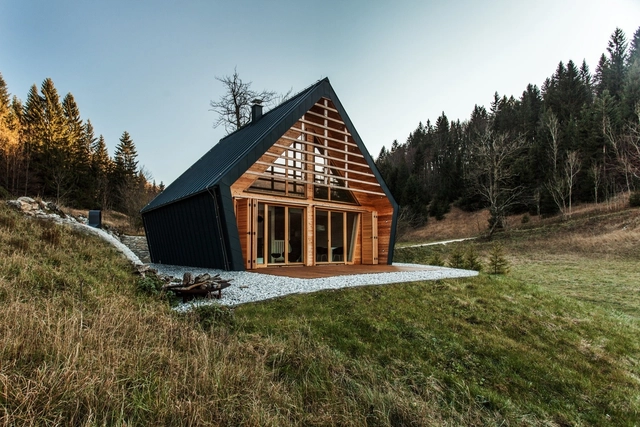
Slovenia has continuously redefined design across rural life. With an architecture that’s intimately tied to the country’s geography, Slovenia emerged as a crossroads of European cultural and trade routes. This produced hybrid building styles and typologies defined by history and exchange. Expanding upon modernist roots and the work of architects like Max Fabiani, Ivan Vurnik, and Jože Plečnik, contemporary building projects are designed through ideas on multiplicity and coupled programming.
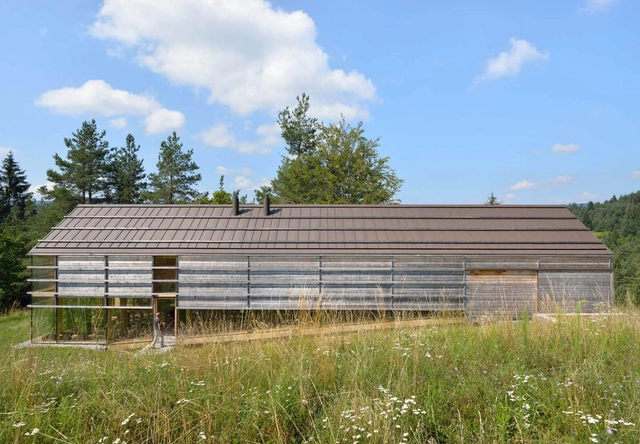

During the first half of the 2nd century AD, one of the most important buildings in the history of Western architecture was erected in Rome: the Pantheon. Its main and most impressive feature is its coffered concrete dome, which ends in a perfectly round central opening. This oculus kicked off a series of later projects that noted the value of circular openings, which were replicated as glazed skylights and as compositional elements on facades. This eventually evolved, for example, into the detailed and colorful rose windows of the Gothic basilicas. In all its configurations, the oculus (meaning "eye" in Latin) holds symbolism that goes beyond that of a traditional window: its luminous projection gracefully marks the passage of time, solemnly highlighting an architectural space.
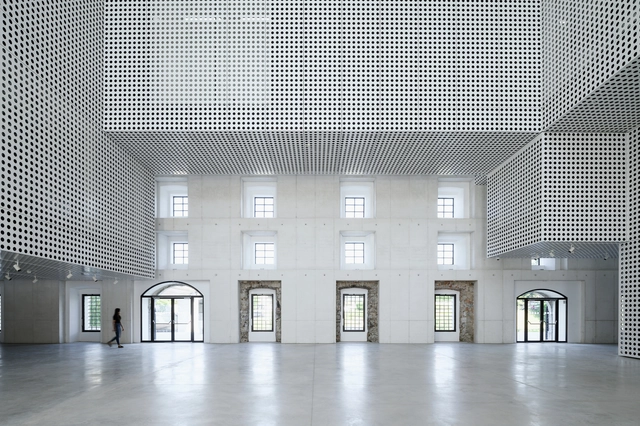
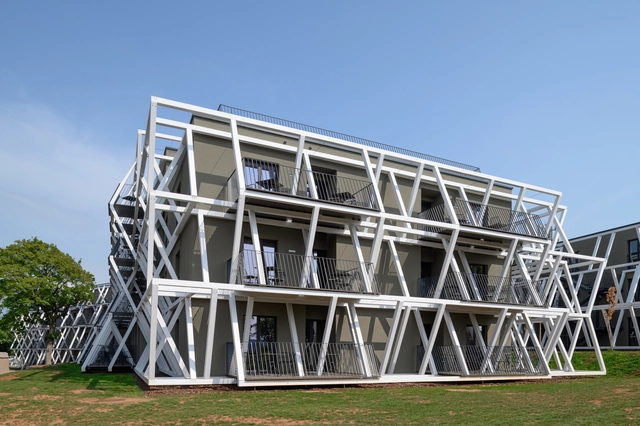
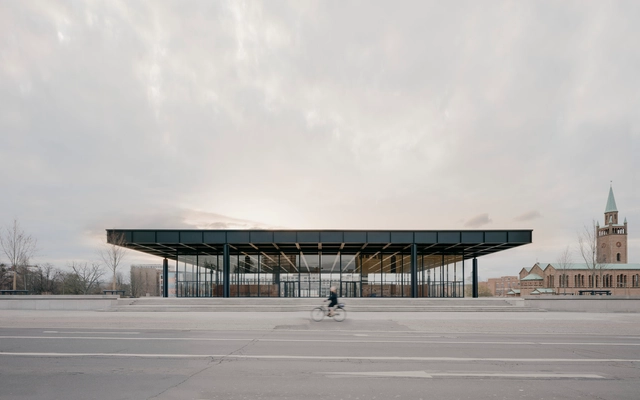
The European Commission and the Mies van der Rohe Foundation have announced the 40 shortlisted works that will compete for the 2022 European Union Prize for Contemporary Architecture – Mies van der Rohe Award. The shortlist featured projects built across 18 different European countries, with Spain, Austria, and France topping the list with 5 entries each. The winners will be announced in April 2022 and the Award ceremony will take place in May 2022.










.jpg?1613752231&format=webp&width=230&height=230&crop=true)
.jpg?1613752245&format=webp&width=230&height=230&crop=true)

