

-
Architects: UNA Arquitetos


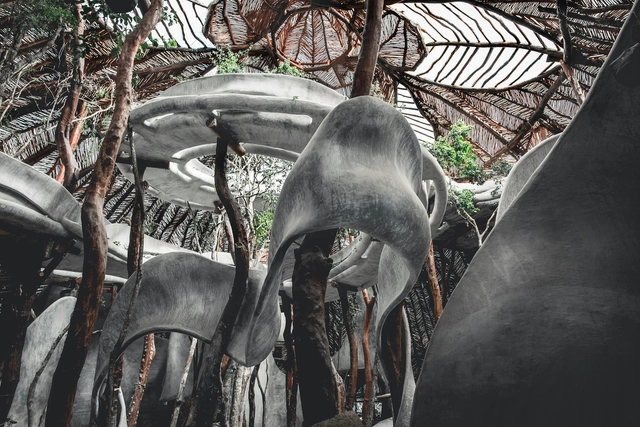
Concrete, a material commonly used in the construction industry, is made of a binder combined with aggregates (or gravels), water, and certain additives. Its origins reach back as far as Ancient Egypt, when the construction of large structures created the need for a new kind of material: one which was liquid, featured properties of natural stones, could be molded, and communicated a sense of nobility and grandeur.

The World's Greatest Places of 2019 list by Time magazine celebrates 100 destinations in the world to visit, stay, eat and drink. Selected by the global team of editors of the publication, the places have been evaluated based on quality, originality, innovation, sustainability and social impact.
We have shortened this list and selected the architectural projects that have previously appeared on ArchDaily. Read on for more details.
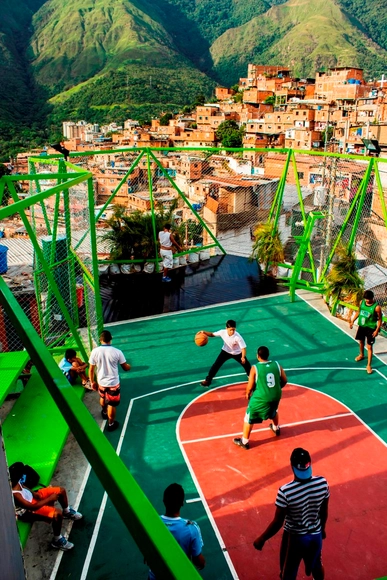
The series of articles developed by Nikos A. Salingaros, David Brain, Andrés M. Duany, Michael W. Mehaffy and Ernesto Philibert-Petit researches the peculiarities of social housing in Latin America.
This time, the proposal focuses on how human health and well-being depend on the geometry of the environment. Check the previously published pieces and the new article, below.
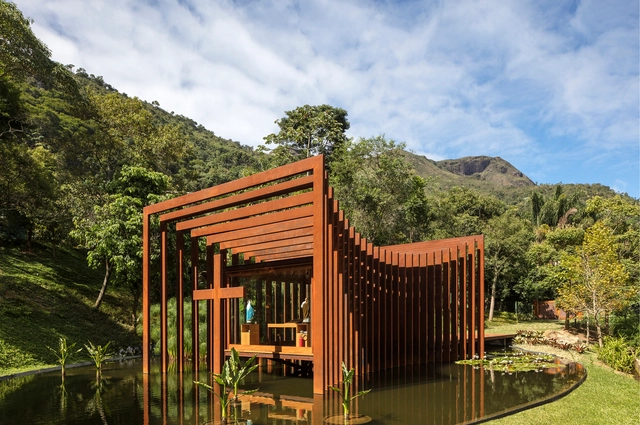
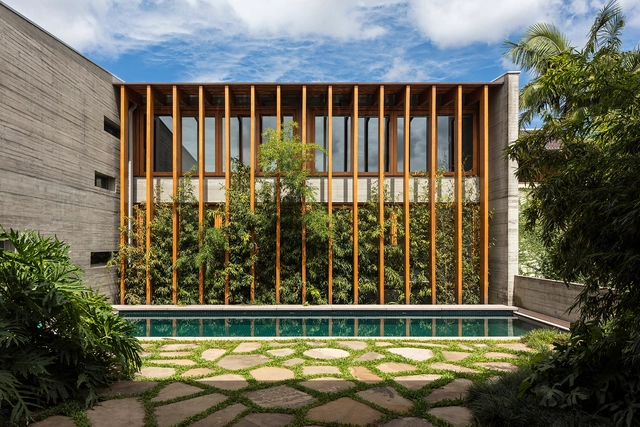
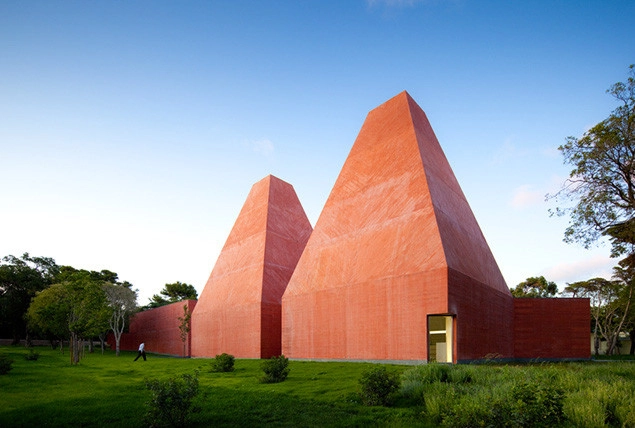
Eduardo Souto de Moura (born 25 July 1952), the Portuguese architect that won the 2011 Pritzker Prize, is known for designs that are formally simple yet serious and at times, dramatic, created through his thoughtful use of colors and materials. His architecture is both versatile and consistent, contextual yet universal, and rarely affected by current trends or styles.
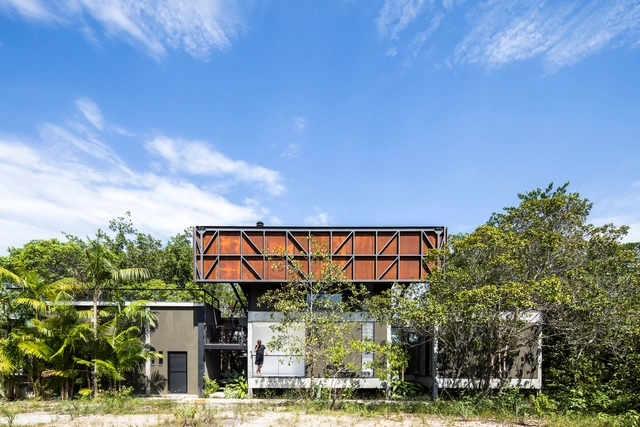
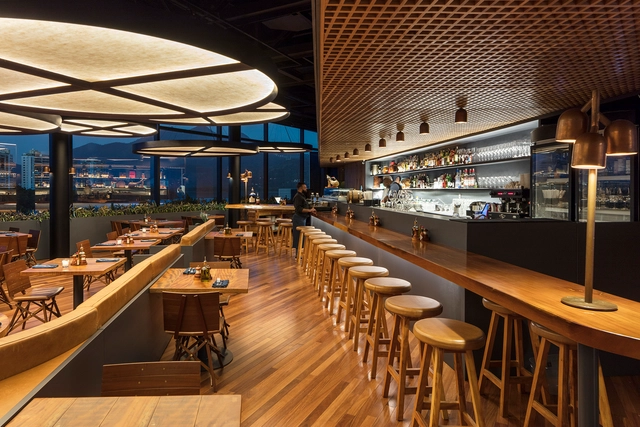
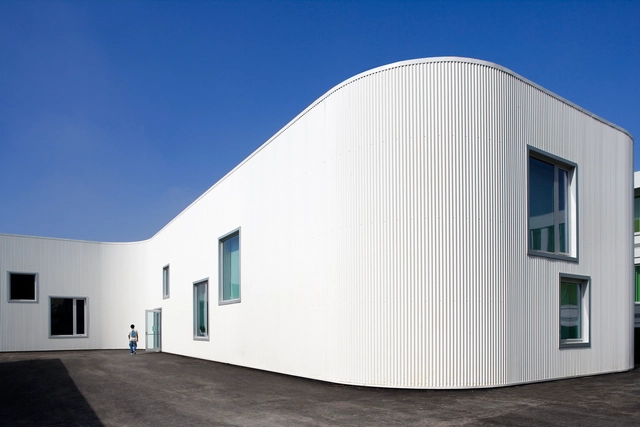


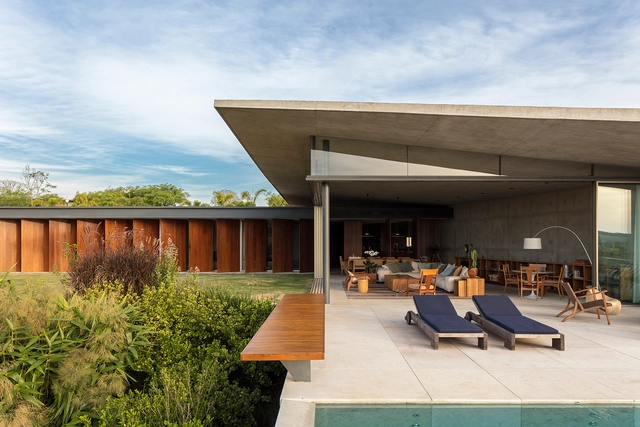

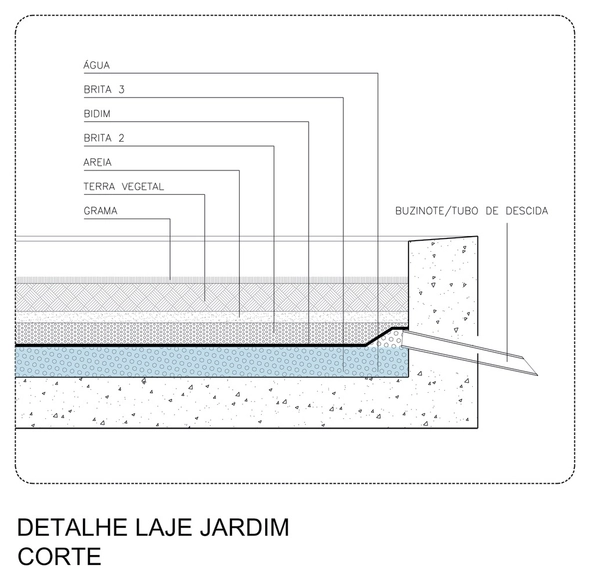
During the modern period, the buildings that used the traditional sloping roofs with tiles, draining the waters as quickly as possible, have begun to give way to the well-known 'waterproof flat roofs.' In spite of delivering a clean aesthetic to the project, allowing the use of the last slab as a space for living and contemplation, this solution can become a headache for its occupants if its execution and design are not careful. It is no accident that there have been infiltrations in famous modern buildings, such as the Vile Savoye or the Farnsworth House, designed by great masters of architecture. Currently, the civil construction industry has developed more sophisticated products and techniques that drastically reduce the chances of subsequent infiltration. However, we could say that waterproof flat slabs continue to be fragile points in buildings. The architects from Brasil Arquitetura have improved an inventive and very simple solution to avoid infiltrations in flat slabs, much used in the 70's by architects like Paulo Mendes da Rocha and Ruy Ohtake, filling them with vegetation.