-
Architects: TTAD Arquitetura
- Area: 522 m²
- Year: 2026


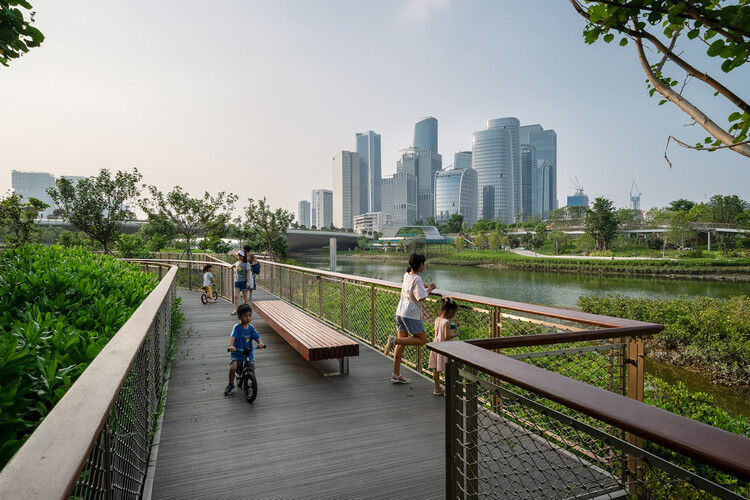
Nature-based solutions are a primary strategy for contemporary climate adaptation and urban ecological resilience, embraced by cities regardless of their geography or climate zone. Green roofs, urban forests, bioswales, expanding tree canopy, protected wetlands, and permeable landscapes are featured prominently in municipal adaptation plans. These interventions are deployed across neighborhoods, distributed through street networks, and measured by hectares restored, trees planted, stormwater retained, or temperatures reduced. This shift expands the role of ecology within cities, establishing environmental elements as infrastructure systems and providing planners with a grounded framework for integrating natural systems into urban development.

By Adalberto Vilela and Sylvia Ficher
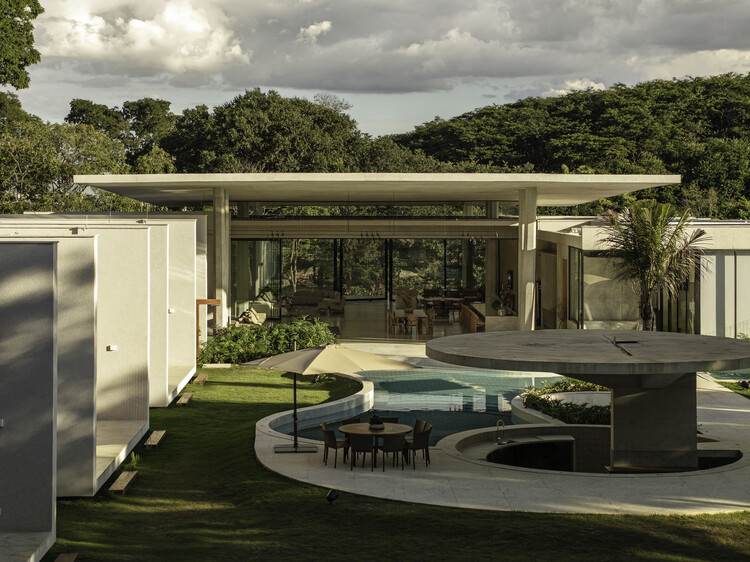
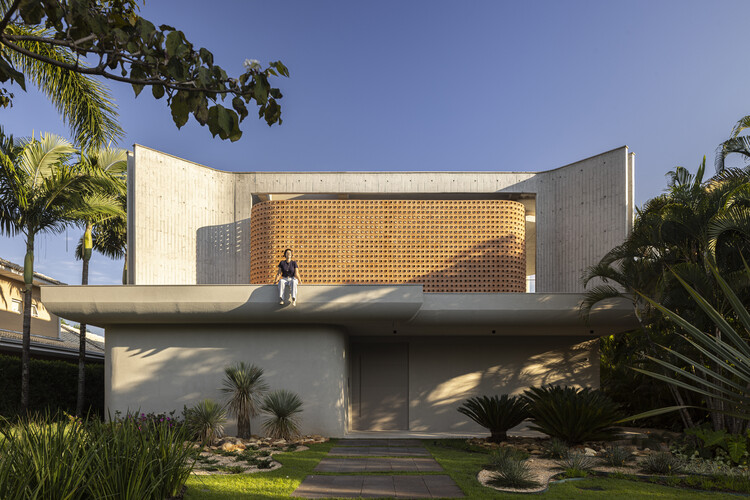
Even when driving through an exclusively residential neighborhood of the city, one can spot the *Casa dos Arcos* (House of Arches) in the distance. This is how the Nivaldo Borges residence is known, placidly sprawling across the gentle topography of an immense site, unmistakable for its reddish hue. The temptation to approach is strong; paradoxically, the absence of fences or gates is intimidating. With no way to announce our arrival, we ignore the uncomfortable feeling of trespassing and head forward.


Over the past two weeks, the ArchDaily Brasil community has nominated more than 14,000 projects, resulting in 15 finalists representing some of the most iconic architectural works published over the last year. Now in its 10th edition, the Obra do Ano Award recognizes the best of architecture in Portuguese-speaking countries, chosen by the readers themselves. The finalists offer a snapshot of the current state of architecture, spanning residential, urban, cultural, and other programs.
Representing Brazil and Portugal, the 15 projects reflect the needs of their specific contexts through creative solutions proposed by local architects. From interior renovations to large-scale urban interventions, and from single-family homes to community projects, the selection is diverse, yet united by a common thread: recognition from the public, who seek to see their own aspirations represented.
Three Brazilian projects have been chosen as the winners of the 2026 Obra do Ano Award by ArchDaily Brasil's readers. After three weeks of public voting, more than 700 projects were narrowed down to 15 finalists, concluding the process with three grand winners that represent the very best of Lusophone architecture.
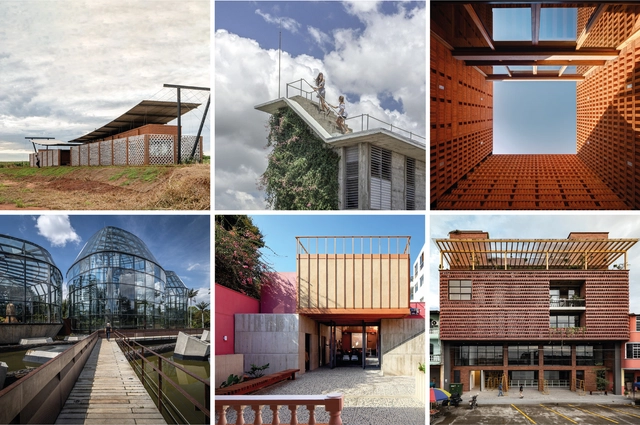
This November, REDBAAL will mark its first decade of activity, a milestone celebrated alongside four editions of the Oscar Niemeyer Award for Latin American Architecture (ON Award). Over these years, more than 350 projects have been submitted, all of which share the distinction of having been previously recognized at the most prestigious architectural biennials across Latin America.
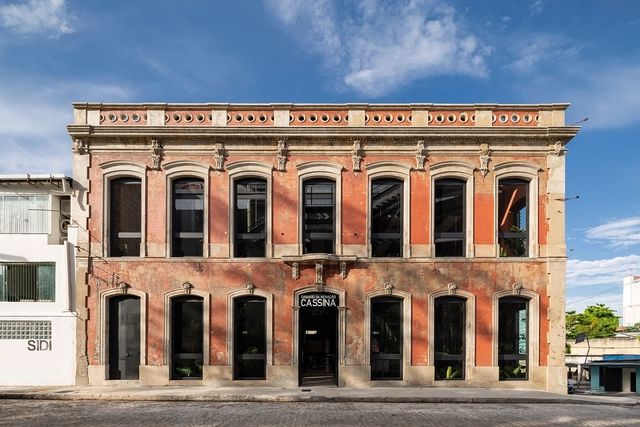
In November 2022, the Network of Latin American Architecture Biennials REDBAAL will mark its first ten fruitful years, celebrating this milestone by launching the Fourth Edition of the Oscar Niemeyer Award for Latin American Architecture, the prestigious ON-04 Prize. This August, the jury's decision was announced, revealing the top three winners and recognizing the work of architects from Brazil and Mexico.
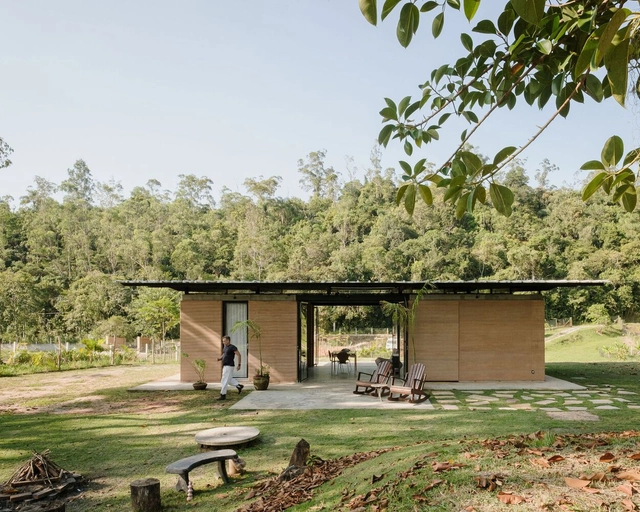
As another year comes to a close, the ArchDaily team gathers the highlights of architecture in a series of retrospectives reflecting on the content featured over the past twelve months. As part of this effort, our curation team turns its attention to one of the most popular categories among our readers, residential architecture, selecting the projects that represent the best of a vast global architectural production, as seen through the eyes of our audience.

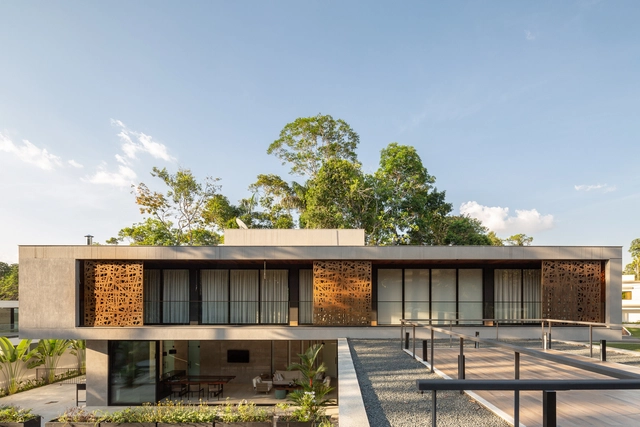
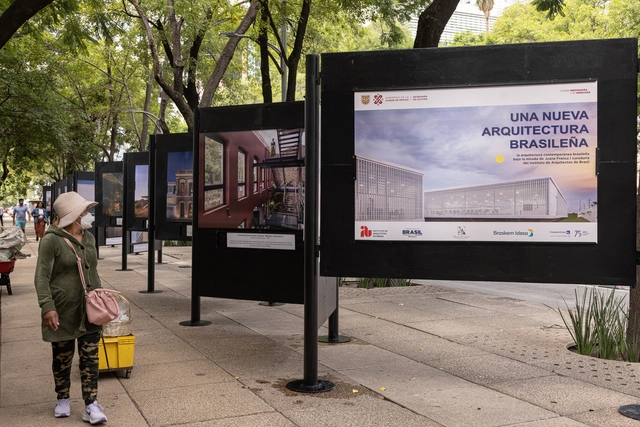
In early September, the Brazilian Embassy in Mexico launched the exhibition Una nueva arquitectura brasileña, curated by the Institute of Architects of Brazil (IAB) and featuring photography by Joana França. The exhibition is held entirely in a public space on Avenida Paseo de la Reforma, one of Mexico City's most prominent thoroughfares. Approximately one million people are expected to pass by the site during the exhibition run.
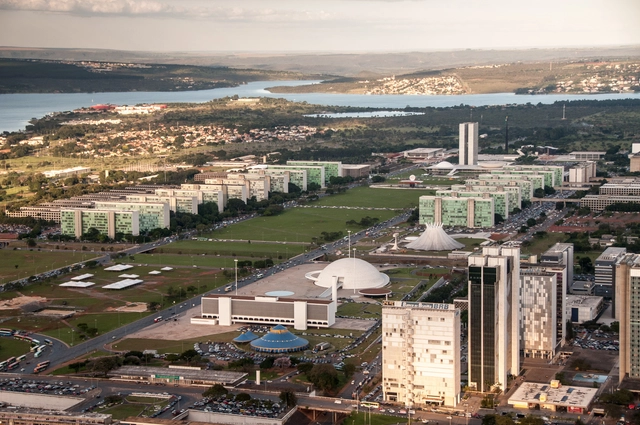
The city of Brasília, inaugurated in April 1960, is perhaps one of the greatest milestones of how architecture, urbanism, and national politics intertwine. The result of Juscelino Kubitschek's government program, which promised "50 years of progress in 5," the city stands as a testament to modernism, revealing political strategies of the era such as heavy investment in the automotive industry and the widespread use of reinforced concrete. While Brasília is a milestone in global architecture, its very existence stems from political and economic strategies implemented by the government in the late 1950s. With the 2022 elections fast approaching, it is crucial for us, as a professional field, to understand how our profession is impacted by the presidency and what we can demand from the executive branch.