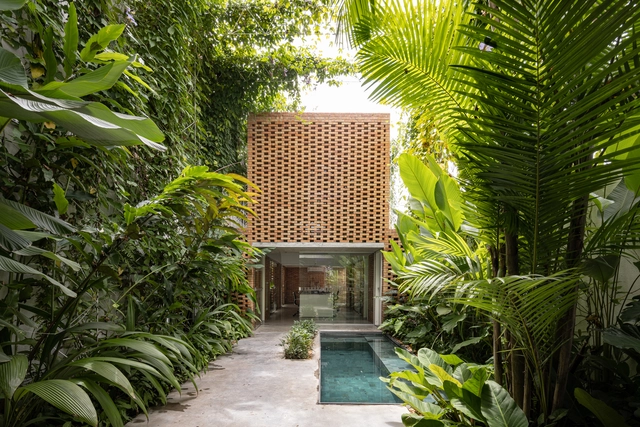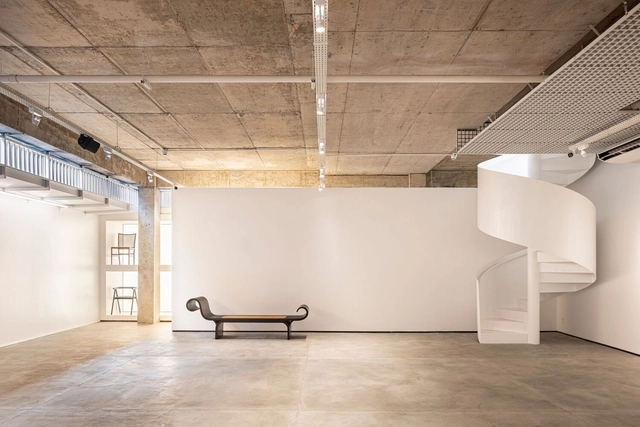


-
Architects: Orla Arquitetura
- Area: 500 m²
- Year: 2021
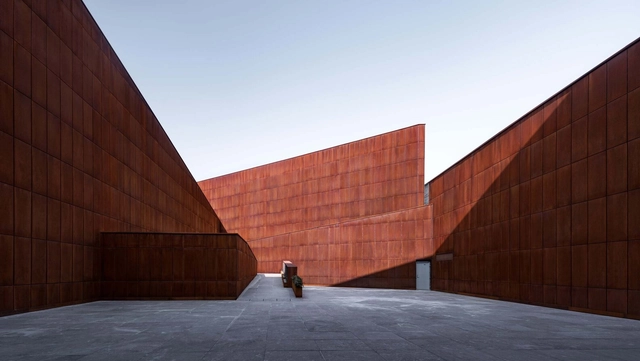
Over the years, ArchDaily has brought us the most innovative architecture projects through the eyes of creative specialized photographers. Their captures bring us closer to the works, reflect the vision of the architects and, above all, transmit and generate the most varied emotions.
From conversations with these talented photographers, we can understand, at least a little, what they feel when facing an architectural project with a camera in hand.
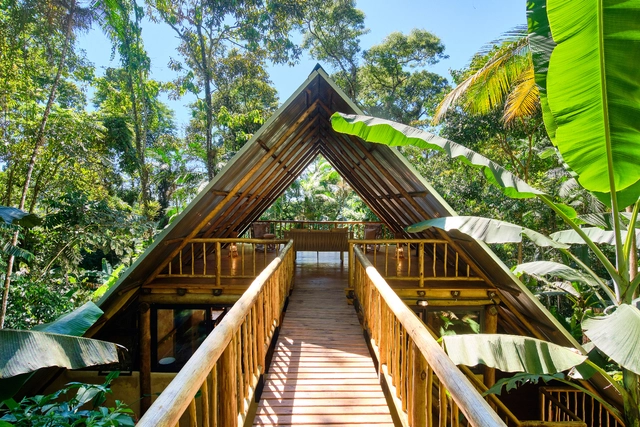
In addition to their primary function, roofs are one of the most fundamental elements in the aesthetics of a building, taking different shapes, being composed of different structures and sealed by different materials. But, in addition to aesthetics, roofs need to meet the climatic conditions of where they are located, considering the periodic changes related to rain, sun and winds.
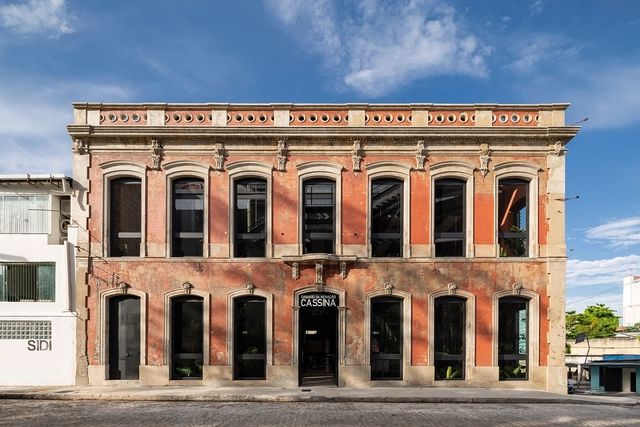
In November 2022, the Network of Latin American Architecture Biennials REDBAAL will mark its first ten fruitful years, celebrating this milestone by launching the Fourth Edition of the Oscar Niemeyer Award for Latin American Architecture, the prestigious ON-04 Prize. This August, the jury's decision was announced, revealing the top three winners and recognizing the work of architects from Brazil and Mexico.
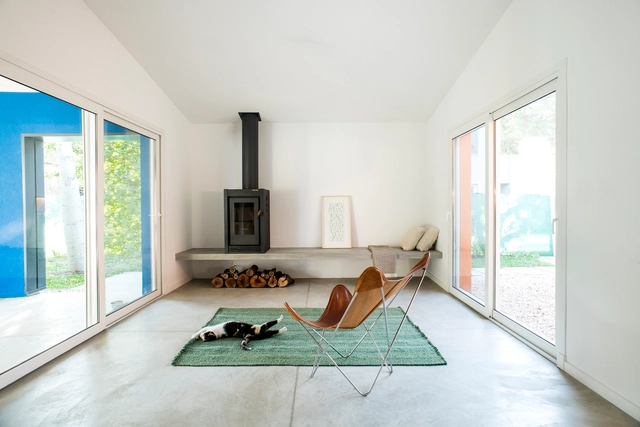
Originating as protection against low temperatures around 3,500 years ago, carpets and rugs have, over time, evolved into a true art form, reaching a high level of specialization by the 16th century. Rugs, carpets, and tapestries of various shapes, colors, textures, and patterns are integrated into different areas of the home to meet users' needs and enhance spatial comfort, sometimes extending far beyond their original purpose.
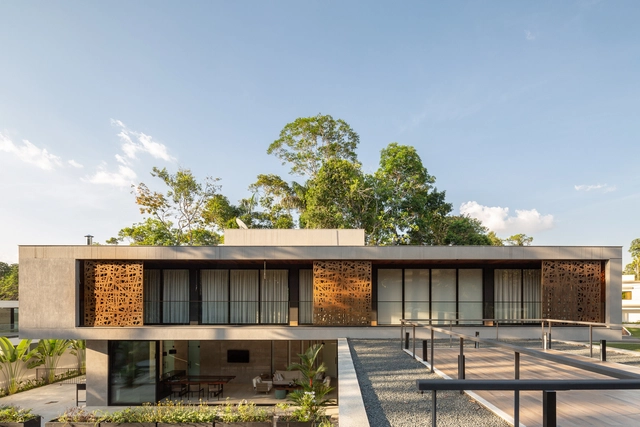
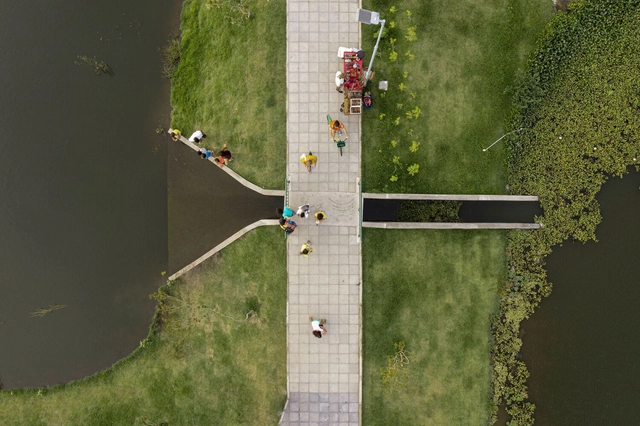
Is there a future for our cities if we do not adopt a sustainable way of life? For some time, urban sustainability has been approached more from the perspective of climate change than from a holistic vision that integrates society and how we live as a community.
What new ways of living are we experiencing amidst today's social, economic, and ecological shifts? We must bring to the table the various reference cases emerging around the world to understand the latest trends in how we inhabit our cities.
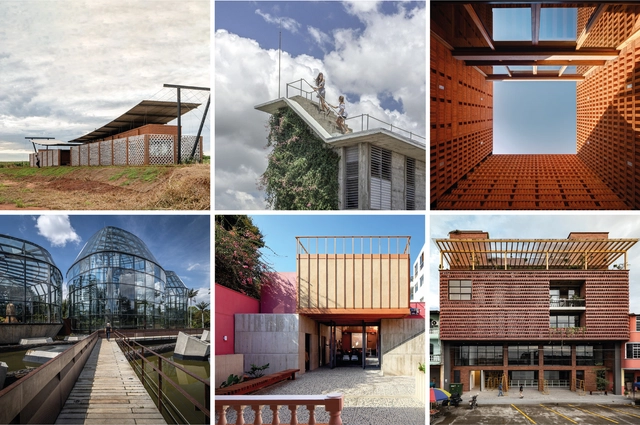
This November, REDBAAL will mark its first decade of activity, a milestone celebrated alongside four editions of the Oscar Niemeyer Award for Latin American Architecture (ON Award). Over these years, more than 350 projects have been submitted, all of which share the distinction of having been previously recognized at the most prestigious architectural biennials across Latin America.

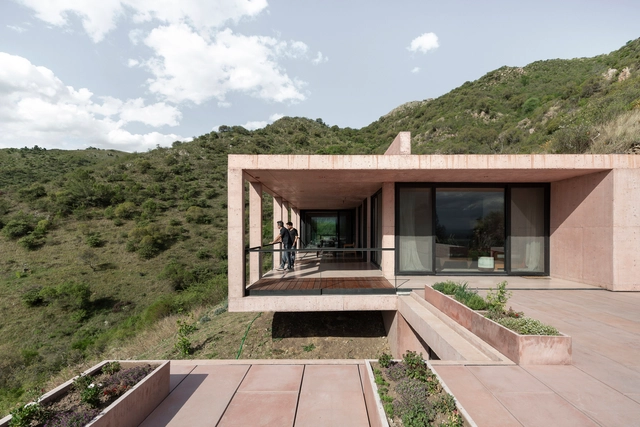
How relevant is the use of color in architecture? Throughout history, we find various scenarios where color takes centre stage in its integration with the architectural work. Nowadays this is no exception. This is because colour is a medium that can be used to provoke deep and immediate emotions and reactions in the person observing. Because of this, colour plays an important role in the architectural reading, as it has the power to clarify the components that make it up or, on the contrary, to change the perception of the work or space.
The following list shows various Latin American housing projects that have had a particular approach to color in their composition. In them, we see the conception of color as the integrator of the work, or as a means of enhancing a particular element, be it interior or exterior.
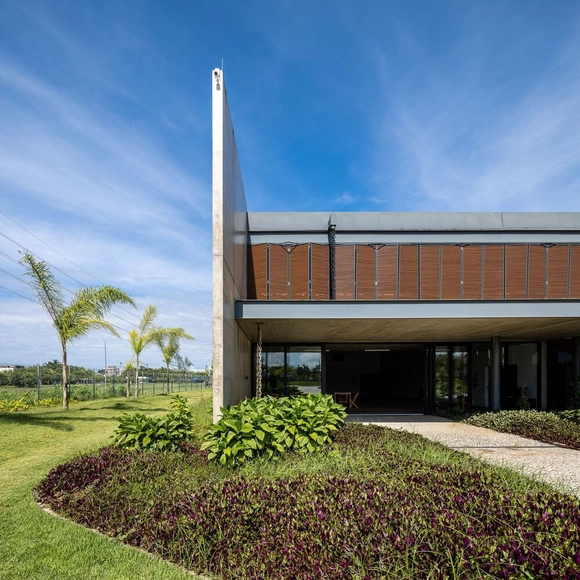
Headquartered in Belo Horizonte, Minas Gerais, the architectural firm Arquitetos Associados presents a dynamic and varied way of dealing with each project. Based on a specific and specific work organization for each case, which allows for a varied team including external collaborators, the firm's way of working reflects on its unique projects.
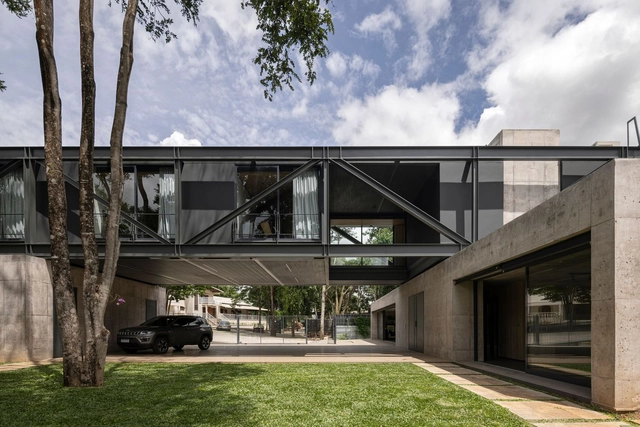
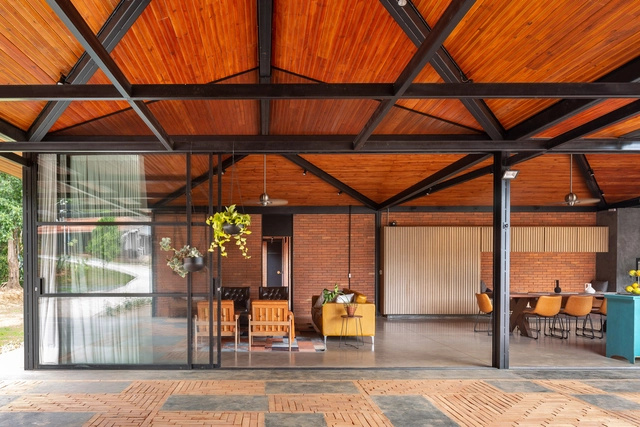
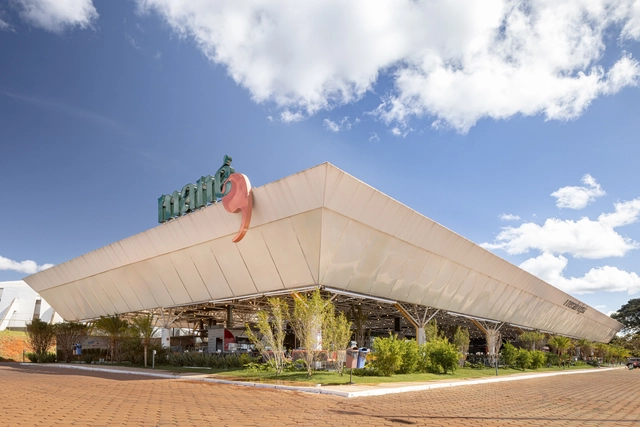
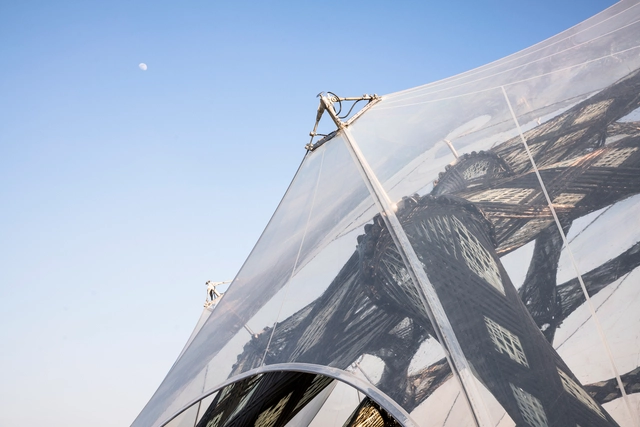
Let us return to the first architecture class on structures and the classification of structural efforts. In most structures, whether natural or man-made, compression forces are the primary actors. These are efforts undertaken with equal and opposing loads, applied in the interior of the structure, which tend towards the shortening of the piece in one direction - or compressing it, as the name indicates. It is not difficult to find examples of this: for example, a stone wall or a wooden log can resist the weight of a covering through internal compression efforts that are inherent to each material. Tension efforts, on the other hand, tend to lengthen components in the direction of the applied force of action. Steel, for example, is a material with good tensile strength. It is used in reinforced concrete precisely in the parts where the piece is in traction. But it is also possible for a structure to only have tensile parts, as is the case of membrane, tensioned, or tension structures, which consist of surfaces pulled by the action of cables or ropes in which the masts absorb compression efforts.