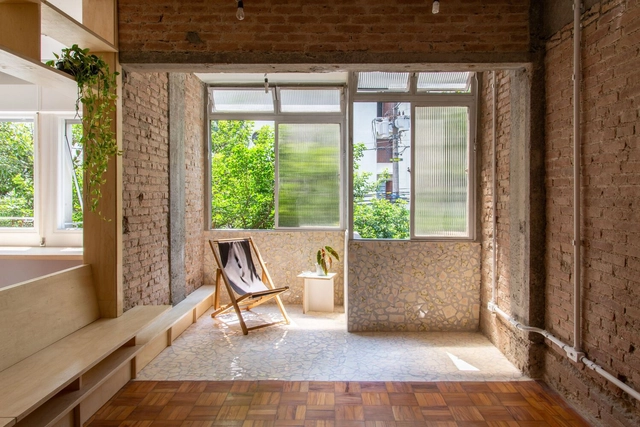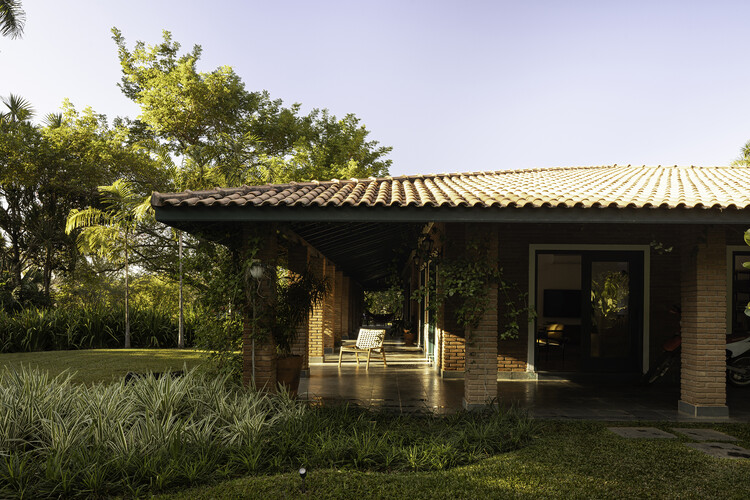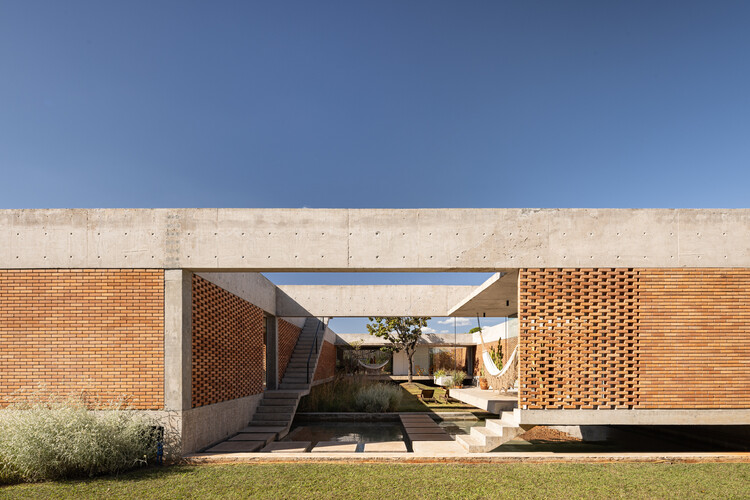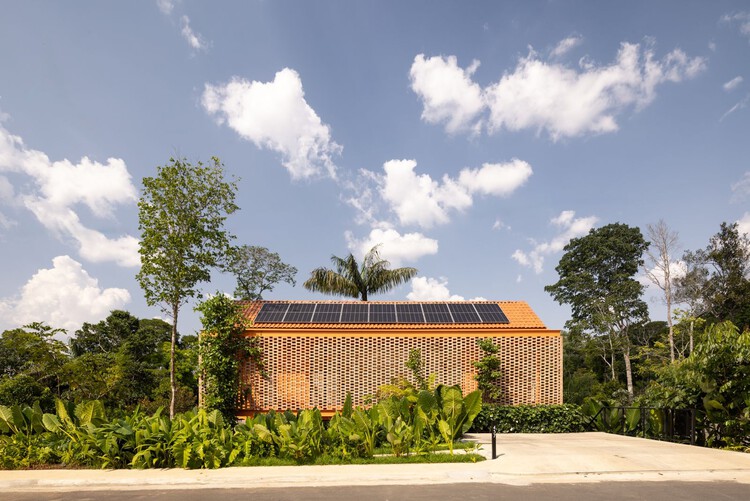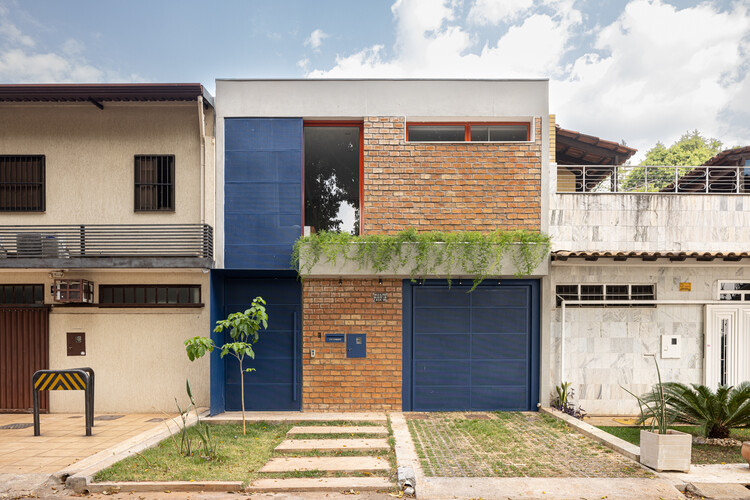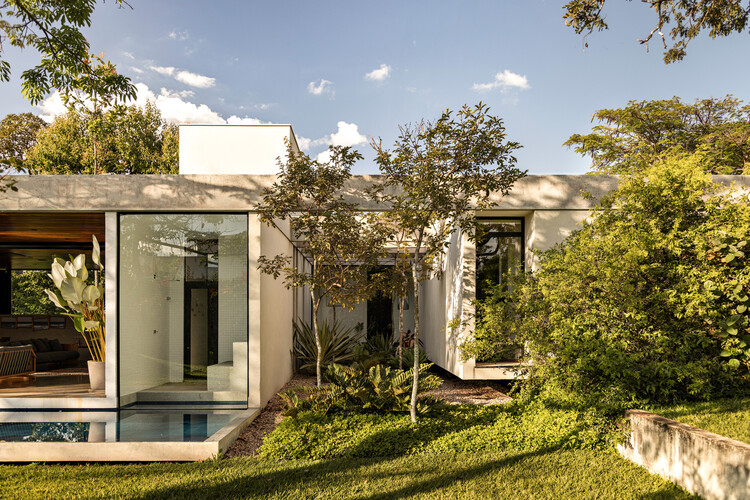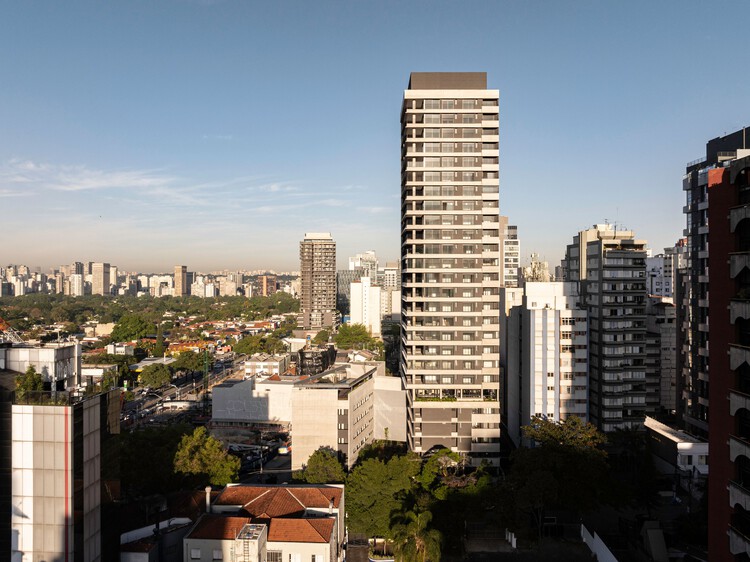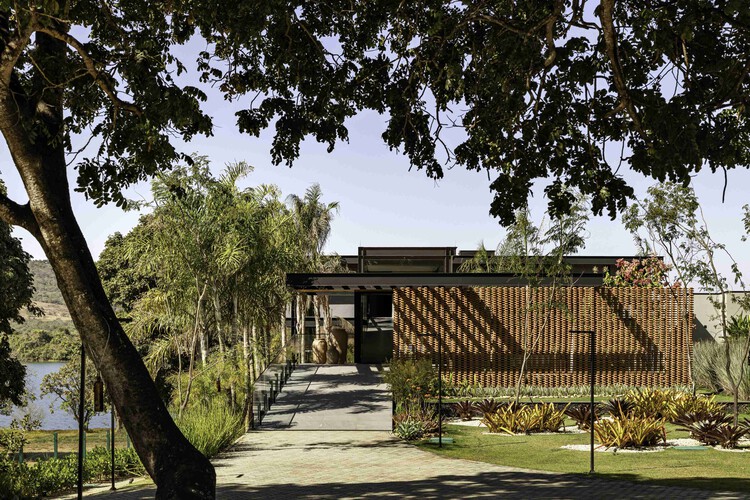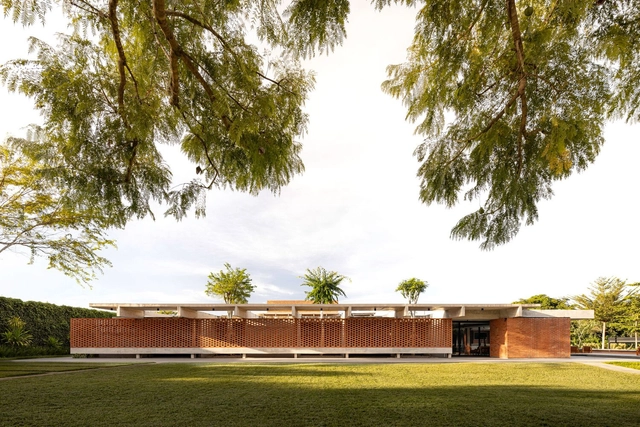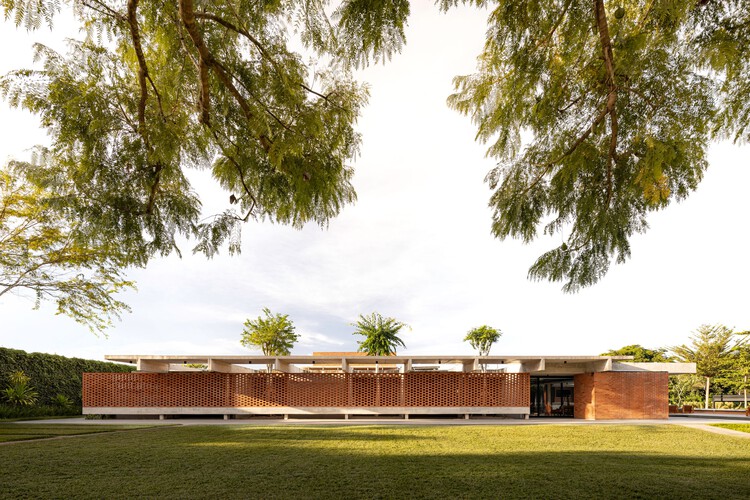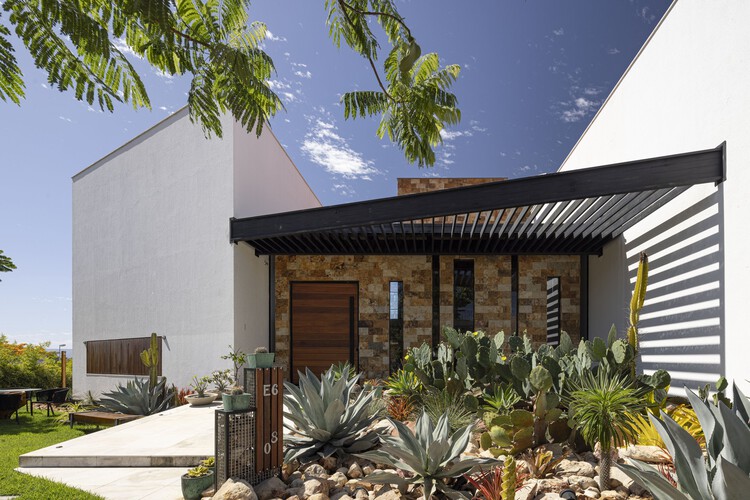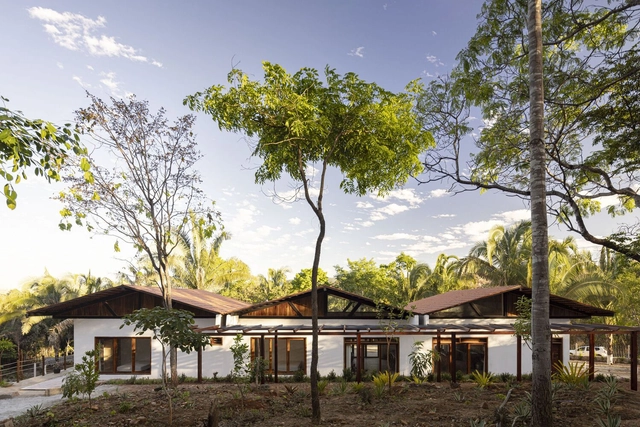
There is no material more diverse and timeless than brick - which can be seen as a staple in both ancient and modern architecture. In many cases, stripping away the drywall of a historical building can reveal beautiful brick walls, which bring a great deal of texture, warmth, and character into a living space. Whether left raw or painted, the look lends itself to a range of styles from rustic to industrial.
Few places in the world have an overlap of complexities as intense as Brasília. Even so, its architecture symbolizes the Republic and democracy of Brazil, and any act of attack on these symbols carries meanings and consequences for Brazilian memory and cultural heritage. The terrorist acts of January 2023 destroyed part of the heritage and raised questions beyond objects and architecture, touching on education, culture, and national political capital.
If you haven't gotten a chance to visit Brasília, Joana França's photographic projects offer a comprehensive interpretation of the capital of South America's most populous country. França has dedicated a significant part of her career as an architecture photographer to the pursuit of amassing an impressive archive of images of the city planned by Lúcio Costa and Oscar Niemeyer.
We recently published an exceptional selection França's aerial photographs of Brasília divided by scale - residential, monumental, gregarious and bucolic. These overhead views solidify what, in theory, is already evident: the city lacks human scale, or the human scale of Brasília is just vast and (perhaps) not very human at all.
"What characterizes and gives meaning to Brasilia is a game of three scales... the residential or everyday scale... the so-called monumental scale, in which man acquires a collective dimension; the urbanistic expression of a new concept of nobility... Finally the gregarious scale, in which dimensions and space are deliberately reduced and concentrated in order to create a climate conducive to grouping... We can also add another fourth scale, the bucolic scale of open areas intended for lakeside retreats or weekends in the countryside." - Lucio Costa in an interview with Jornal do Brasil, November 8, 1961.
Photographer Joana França shared with us an impressive series of aerial photographs of the national capital of Brazil, Brasilia. The photoset is divided into four sub-series each presenting a scale: residential, monumental, gregarious and bucolic.
BUGA Pavilhão de Fibra / ICD/ITKE Universidade de Stuttgart. Image Cortesia de ICD/ITKE University of Stuttgart
Let us return to the first architecture class on structures and the classification of structural efforts. In most structures, whether natural or man-made, compression forces are the primary actors. These are efforts undertaken with equal and opposing loads, applied in the interior of the structure, which tend towards the shortening of the piece in one direction - or compressing it, as the name indicates. It is not difficult to find examples of this: for example, a stone wall or a wooden log can resist the weight of a covering through internal compression efforts that are inherent to each material. Tension efforts, on the other hand, tend to lengthen components in the direction of the applied force of action. Steel, for example, is a material with good tensile strength. It is used in reinforced concrete precisely in the parts where the piece is in traction. But it is also possible for a structure to only have tensile parts, as is the case of membrane, tensioned, or tension structures, which consist of surfaces pulled by the action of cables or ropes in which the masts absorb compression efforts.
Martin Benavidez founded Ben-Avid in 2018, an architectural practice he runs from Córdoba, Argentina, where he develops national and international architectural projects of various scales and complexities.
His projects are commercial spaces, galleries and exhibition pavilions, urban and metropolitan transport infrastructure, among others. They are collaborative and tell stories. It is architecture that has a narrative. His Pavilion for Expo 2020 Dubai together with MMBB Arquitetos and JPG.ARQ is one of his most recent projects. Its protagonists are the waters of Brazil: its rivers and mangroves, a natural heritage that underlies the whole discourse on the sustainability of the planet.
Selected by ArchDaily as one of the Best New Practices of 2021, we conducted the following interview with Martin to tell us more in detail about all his inspirations, motivations, work processes and upcoming projects.