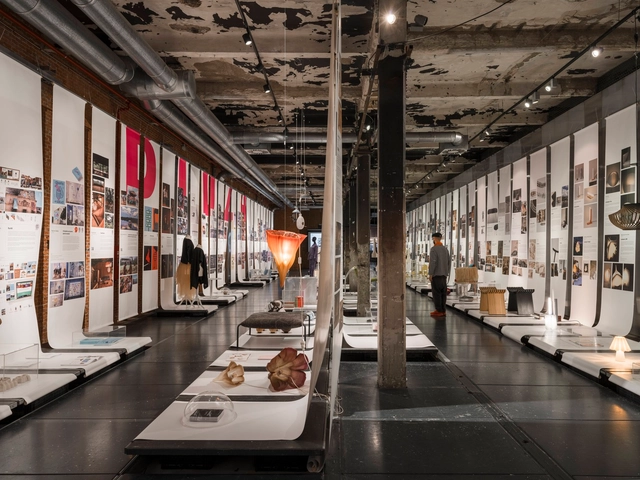
Imagen Subliminal (Miguel de Guzmán + Rocío Romero)
BROWSE ALL FROM THIS PHOTOGRAPHER HERE
↓


Bars, Cafés, and Shops in Madrid: The Role of Design in Creating Urban Tourism Highlights
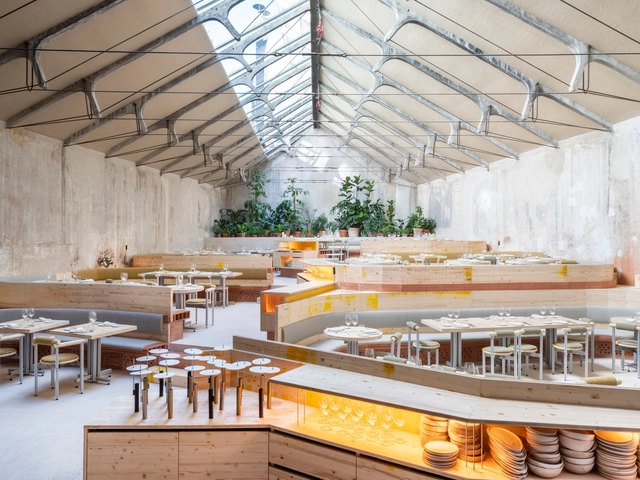
The post-pandemic world has undergone transformations in various aspects, including urban tourism and new modes of travel. With the rise of remote and freelance work, many people now have the freedom to move between cities without needing to establish a permanent residence. This has turned bars, restaurants, and cafés into more than just spaces for consumption: they are now temporary offices and, in many cases, settings for a variety of activities.
On the other hand, shops and retail spaces have evolved to offer more than just the sale of products or services. They have become part of a holistic consumer experience, fostering an emotional connection with users.


https://www.archdaily.com/1024936/bars-cafes-and-shops-in-madrid-the-role-of-design-in-creating-urban-tourism-highlightsPaula Pintos
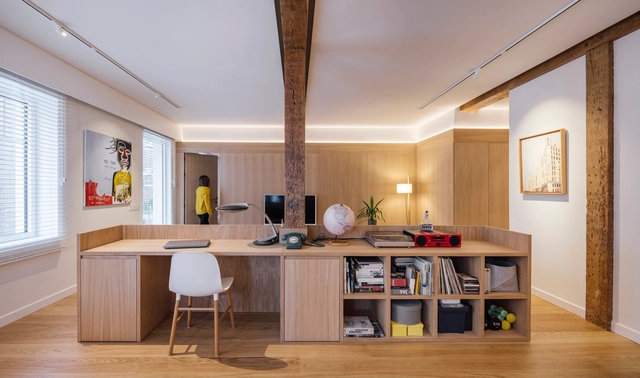


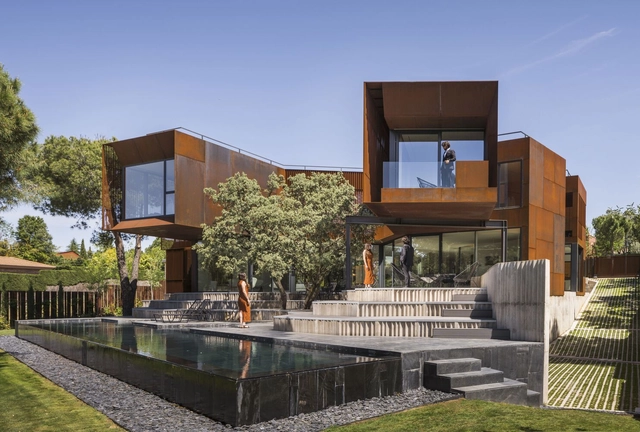
The House that Splits / Voluar Arquitectura


-
Architects: Voluar Arquitectura
- Area: 600 m²
- Year: 2023
-
Manufacturers: Porcelanosa Grupo, Simon, Cortizo
https://www.archdaily.com/1021676/the-house-that-splits-voluar-arquitecturaAndreas Luco
Transforming Small Spaces: Renovations of 6 Apartments Under 60 m² in Madrid
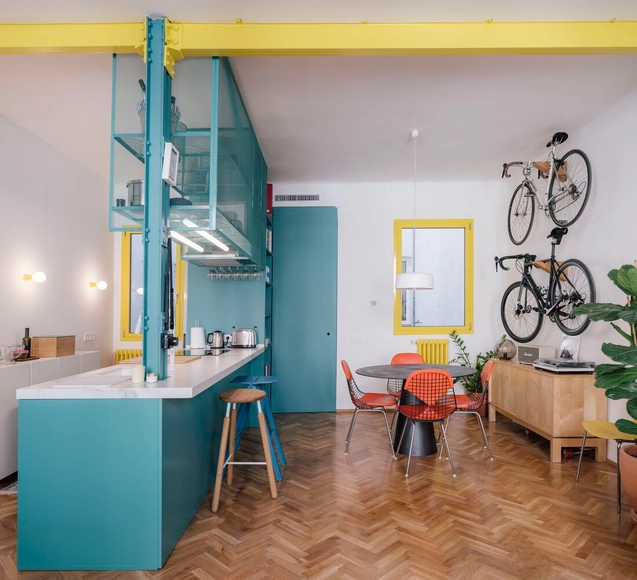
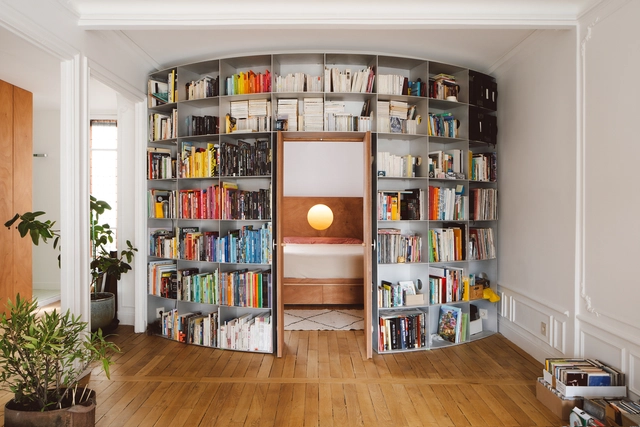
The domestic space reflects individuals' activities, behaviors, and actions, where various dynamics and processes coexist as part of daily life. Although each home has its distribution logic according to the time of its design, the needs of its inhabitants, the technologies of the era, and other factors, residential interior renovations often express an interest in recovering old structures and façades, recycling unused furniture, restoring high-quality elements present in coverings and flooring, or directly integrating new features to achieve greater spatial fluidity, lighting, and optimization of surfaces.


https://www.archdaily.com/1020146/transforming-small-spaces-renovations-of-6-apartments-under-60-m2-in-madridAgustina Iñiguez
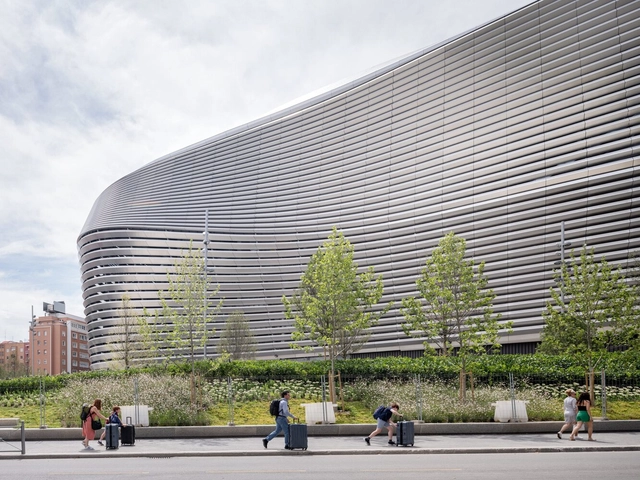
Santiago Bernabéu Stadium Conversion / gmp Architects + L35 + Ribas&Ribas Architects


-
Architects: L35, Ribas&Ribas Architects, gmp Architects
- Year: 2024
https://www.archdaily.com/1019163/santiago-bernabeu-stadium-conversion-gmp-architectsHadir Al Koshta
Lofts in Spain: 10 Apartments Making the Most of Vertical Space
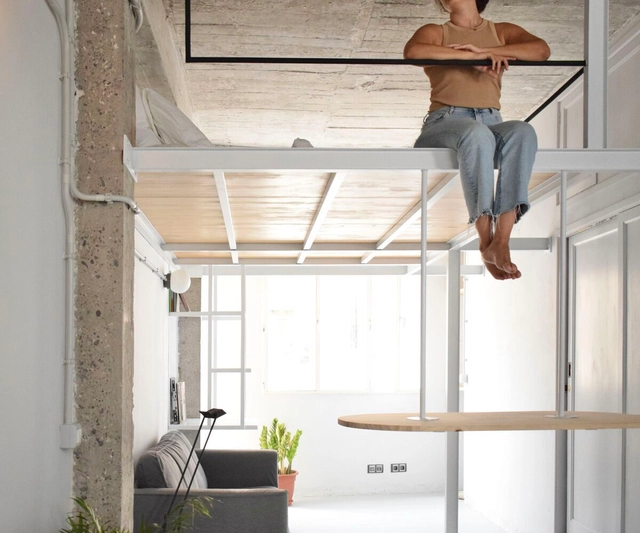
Faced with the various ways of inhabiting that characterize contemporary societies and their adaptability to future uses in architecture, lofts represent an opportunity to design spaces ranging from storage areas to living, study, leisure, or even resting spaces, both for their residents and potential visitors. Depending on their scales, sizes, and proportions, these elevated spaces allow for the optimization of interior environments in apartments that, in some cases, lack sufficient square footage to perform these types of functions at ground level and have a certain height to accommodate them.


https://www.archdaily.com/1015797/lofts-in-spain-10-apartments-making-the-most-of-vertical-spaceAgustina Iñiguez
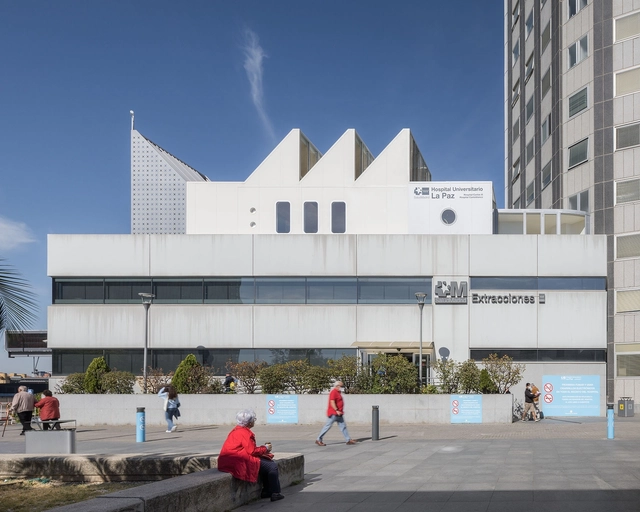
Aceleradora La Paz Hospital / Murado & Elvira Architects


-
Architects: Murado & Elvira Architects
- Area: 138 m²
- Year: 2023
-
Manufacturers: Garnica Plywood, Arkoslight, Gerflor, Hager
https://www.archdaily.com/1012864/aceleradora-la-paz-hospital-murado-and-elvira-architectsAndreas Luco
Enriching Minimalism Through Pixel-Type Ceramics and Oversized Marbles
| Sponsored Content
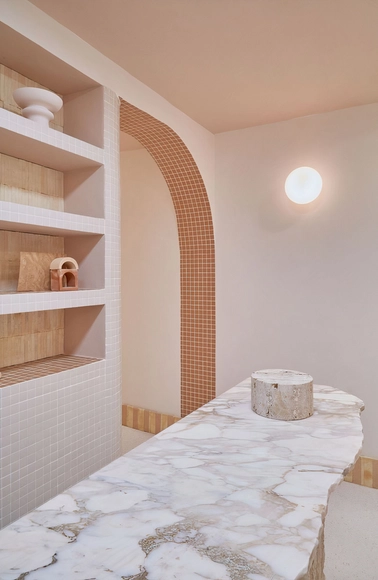
Aiming to balance the calm and uniformity of minimalism with the tactile appeal of raw, textured materials, ceramics emerge as a versatile medium to bridge the gap between sterile spaces and those that might become overwhelming. Whether incorporating large formats or small mosaics, or embracing organic or geometric aesthetics, the diverse range of ceramic options enables the infusion of character into spaces while maintaining a sense of order and cohesion. But it is not a simple task. In the pursuit of this harmonious blend, we explore specific types of ceramic cladding that have been effectively applied in architectural projects, enriching the visual language of minimalism while grading its complexity with precision.
https://www.archdaily.com/1010998/enriching-minimalism-through-pixel-type-ceramics-and-oversized-marblesJosé Tomás Franco
Journey to Energy Efficiency: 10 Spanish Homes Applying Bioclimatic Strategies and Designs
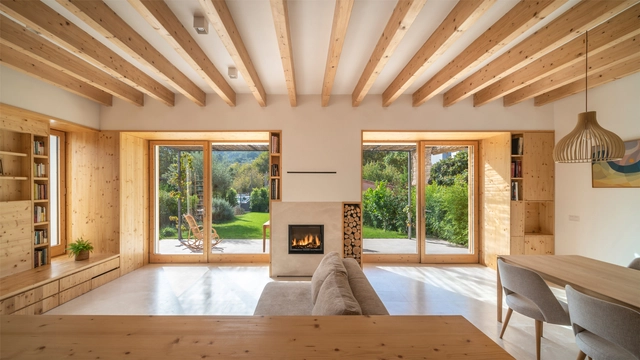
How is it possible to reduce the energy consumption of our homes? What design, material, and/or technological strategies can be developed to achieve interior comfort while also addressing the climate crisis? While achieving energy efficiency depends, among other factors, on the state of the homes, there are various strategies related to the implementation of renewable energies, air conditioning technologies, and more that can be applied, taking into account government policies, laws, regulations, and standards specific to each region.
https://www.archdaily.com/1009940/journey-to-energy-efficiency-10-spanish-homes-applying-bioclimatic-strategies-and-designsAgustina Iñiguez
How to Renovate Interior Spaces on a Budget
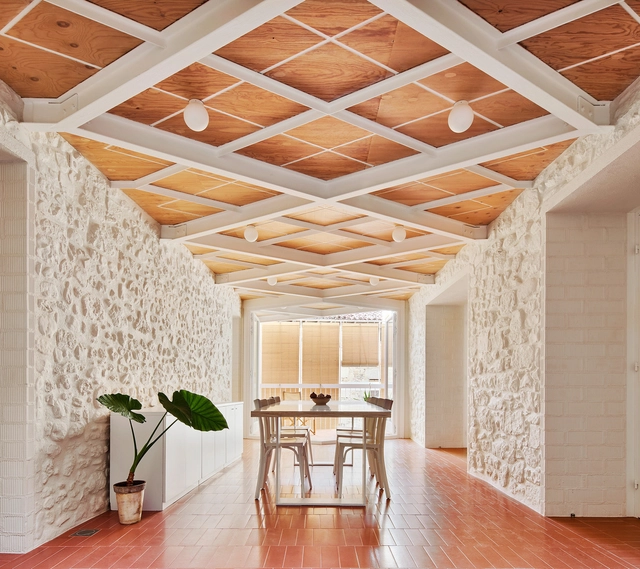
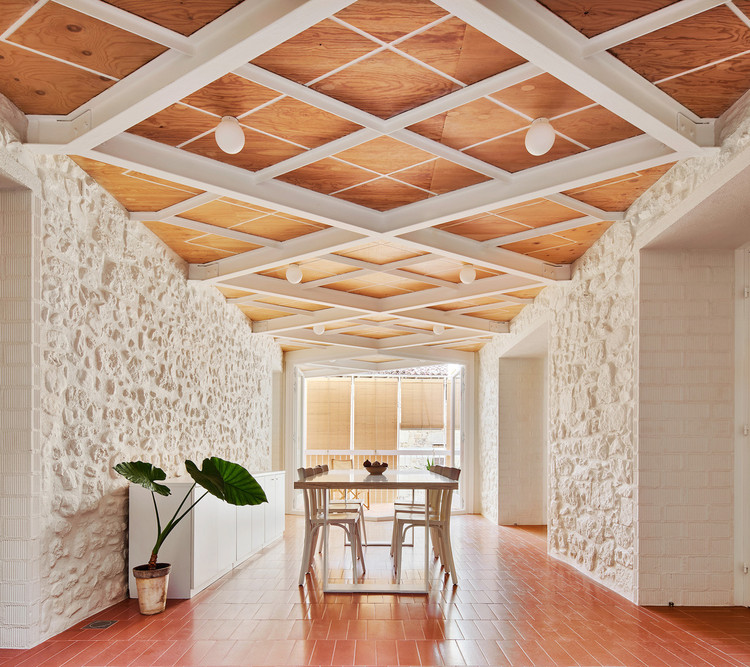
Perhaps one of the most common phrases you'll hear when talking about interior renovations is "whatever you initially planned on spending, double it, and double the time with it". Renovations, regardless of their scale, can be very time consuming and costly, especially when unexpected changes pop up last minute. However, we are often met with situations where the interior layout is no longer efficient or we feel that the interior design is a little outdated and its time for a change.
Giving your space an upgrade does not necessarily mean spending all your savings, and spending less does not necessarily mean low quality work. From doing the construction work yourself, to giving furniture pieces completely new functions, here are different ways you can renovate residential and commercial interior spaces without breaking the bank.


https://www.archdaily.com/970823/how-to-renovate-interior-spaces-on-a-budgetDima Stouhi
How to Use Vertical Farming for Sustainable Living
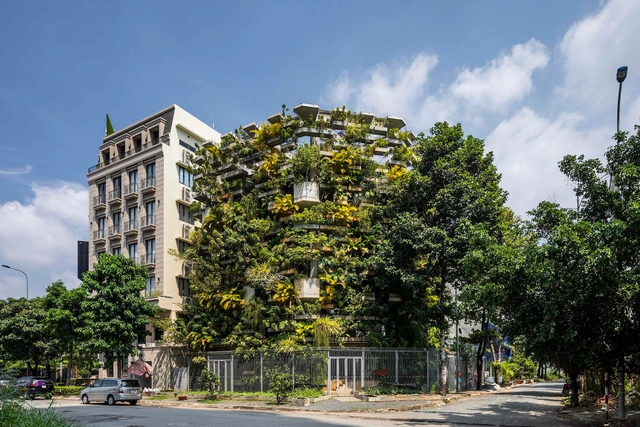
Increasing in both size and number, cities worldwide are experiencing accelerated growth. With green land regularly lost to either urbanization or its effects – such as rising sea levels or natural disasters – and expanding populations meaning more mouths to feed, the farming and agricultural industries are in crisis. Viewed by many as the solution, vertical farming is the practice of stacking layers of crops atop each other, using humanity’s latest design and engineering tech to grow more with less space.
More traditional horizontal farmland, however, does more for the environment than simply growing our food. The open-air green spaces often serve as natural habitats, air filtration, and temperature control for the surrounding area. By stepping up the concept of vertical farming into the world of architecture, we can bring all the goodness of the farm, straight to our doorstep.

https://www.archdaily.com/1007303/how-to-use-vertical-farming-for-sustainable-livingJames Wormald
Open House Madrid 2023: Discover the buildings and architecture studios you can visit
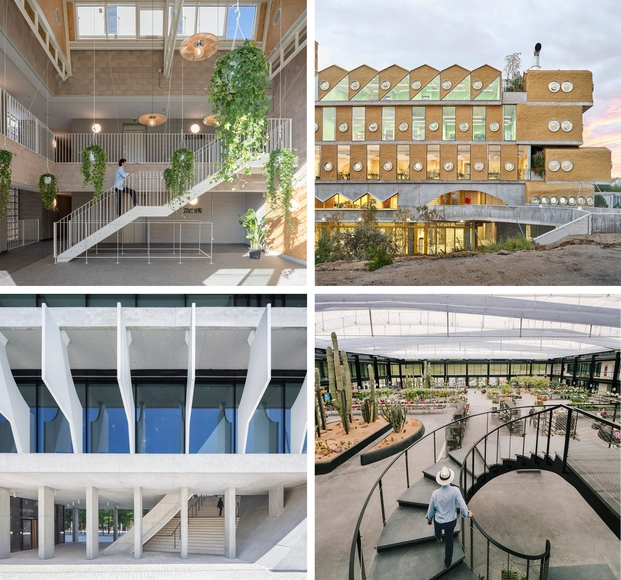
The international architecture and city festival Open House will take place in Madrid from September 21 to 24, 2023, inviting residents to visit and explore some of the capital's most iconic buildings. Extending beyond Madrid to open several spaces in San Lorenzo de El Escorial, this ninth edition will open the doors of over 120 buildings and studios, while also offering 13 outdoor routes and itineraries to discover Madrid's architecture.
https://www.archdaily.com/1136021/open-house-madrid-2023-discover-the-buildings-and-architecture-studios-you-can-visitAgustina Iñiguez
Circles in Interior Design: 27 Projects that Embrace Roundness
Circles, as a fundamental geometric shape, possess a captivating and harmonious quality that has been seamlessly integrated into architecture and design across various eras and styles. From subtle accents to bold focal points, the use of circles in interior design transcends mere ornamentation, often symbolizing continuity, connection, and a soothing visual rhythm. With their endless and unbroken curves, they offer a sense of unity, movement, and balance that can transform spaces into inviting and aesthetically pleasing environments – an effect especially useful for interior design. In this article, we take a look at 27 projects from our ArchDaily database that illustrate circular forms in interiors across the globe.


https://www.archdaily.com/1006133/circles-in-interior-design-27-projects-that-embrace-roundnessClaire Brodka
How Interiors Can Benefit From Indirect Lighting
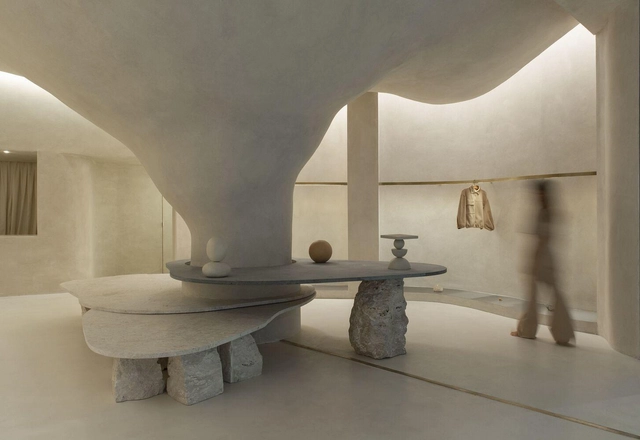
The importance of lighting in interior design cannot be overstated: done right, it not only accentuates a space's architectural features but also makes inhabitants feel at ease. As Carmelo Zappulla of Lighting Studio External Reference explains in an interview with Architonic, light is a crucial tool to add an emotional element and 'animate a space.'
There are a plethora of artificial lighting options to choose from. Which works best is usually determined by the nature of the interior they're in and the desired spatial effect. One of the most common is indirect lighting. This technique uses fixtures to aim light onto surfaces that act as reflectors, softening the emitted rays to prevent pillar-like, bulky beams in favor of a more evenly distributed glow.
https://www.archdaily.com/999709/how-interiors-can-benefit-from-indirect-lightingClaire Brodka
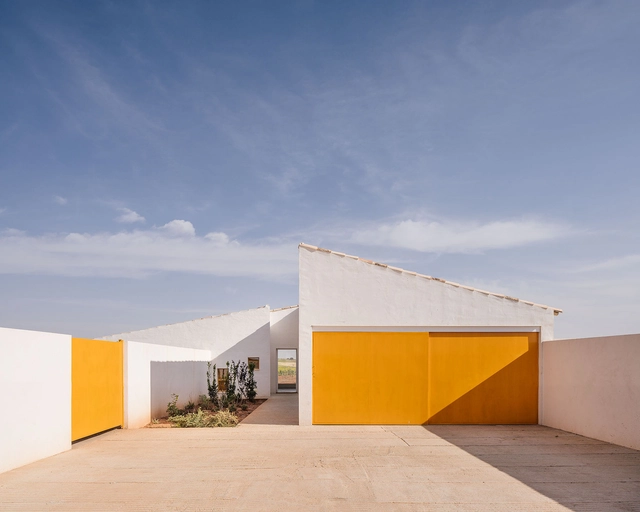
Countryside House Zafra de Záncara / Canobardin


https://www.archdaily.com/999712/casa-de-campo-en-zafra-de-zancara-cuenca-canobardinAndreas Luco
Integrated Kitchens in Spanish Homes: 50 Houses that Add Spaciousness and Flexibility
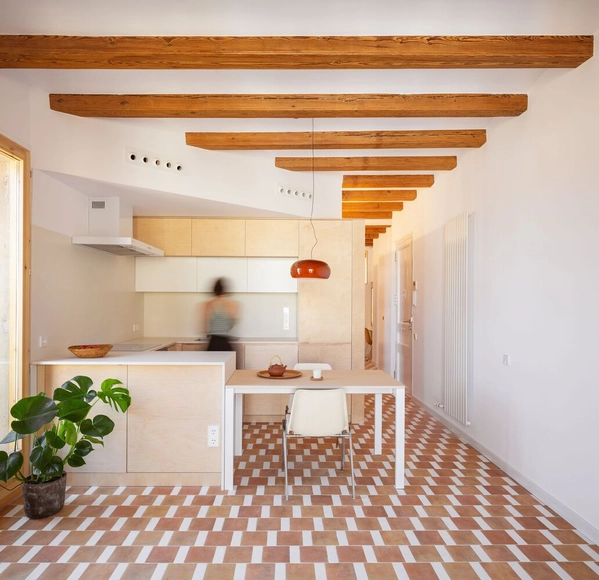
In Spain, the implementation of integrated kitchens in homes has become increasingly common in contemporary architecture. Although there are various configurations and designs that are applied according to the customs and cultures of societies, as we saw in Argentina or Uruguay, the essence of conceiving the kitchen space as a hub of activities and a gathering space among its inhabitants and visitors is a common factor. This has led architects to try to find innovative ways, technologies, or materials that achieve an aesthetic and harmony capable of providing functionality, spaciousness, and flexibility to homes.
https://www.archdaily.com/999477/integrated-kitchens-in-spanish-homes-50-houses-that-add-spaciousness-and-flexibilityAgustina Iñiguez
Pastel Colors in Architecture and Their Lasting, Calming Appeal
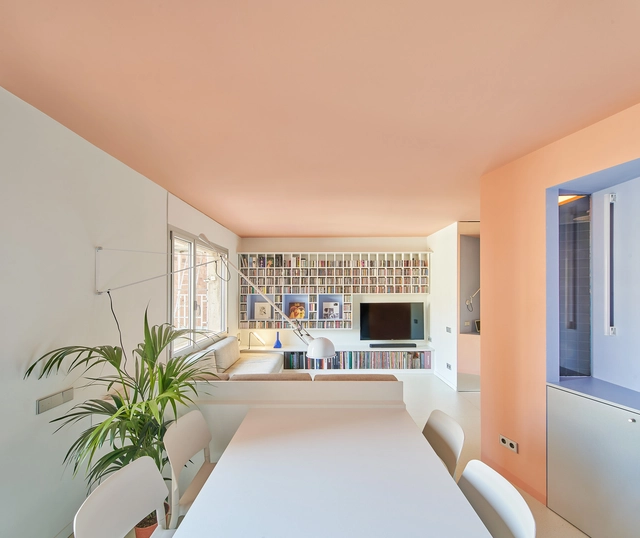
With a high proportion of white mixed with a small amount of colorful pigments, pastel colors provide a range of pale, subdued tones. Related to soothing and calming environments, these colors have a timeless quality and can be seen throughout different architectural styles, such as rococo, art déco or the mid-century modern years. Applied in exteriors, interiors, or both, pastel tones make rooms feel more light, airy and spacious.
From subtle accents to taking the spotlight in a project’s overall strategy, pastel colors are a versatile alternative that can be used in multiple ways and varying degrees. Following Ricardo Bofill’s color proposals, Paulo Mendes da Rocha’s interiors and Michael Graves’ buildings, contemporary architecture plays with soft colors for aesthetic and functional purposes, as well as providing a sensory experience. Analyzing different examples of their application in architecture and design, we showcase how four prevailing colors –mint green, pale pink, lemon yellow and light blue– are currently taking the stage.


https://www.archdaily.com/999215/pastel-colors-in-architecture-and-their-lasting-calming-appealCamila Prieto