
Dạ Homestay / 3fconcept


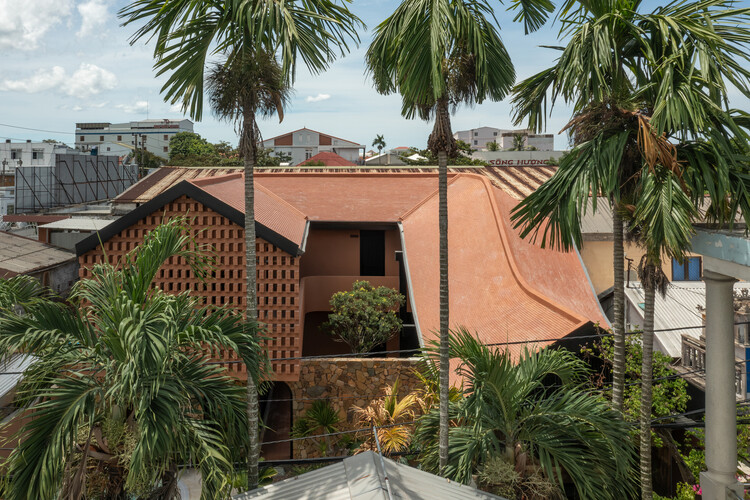
https://www.archdaily.com/1184236/da-homestay-3fconceptPratik Mour
Loli House / t + m design office
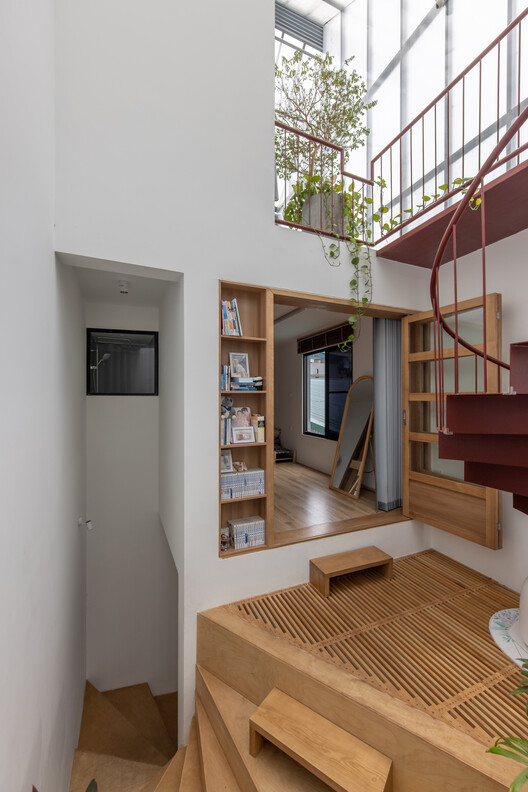


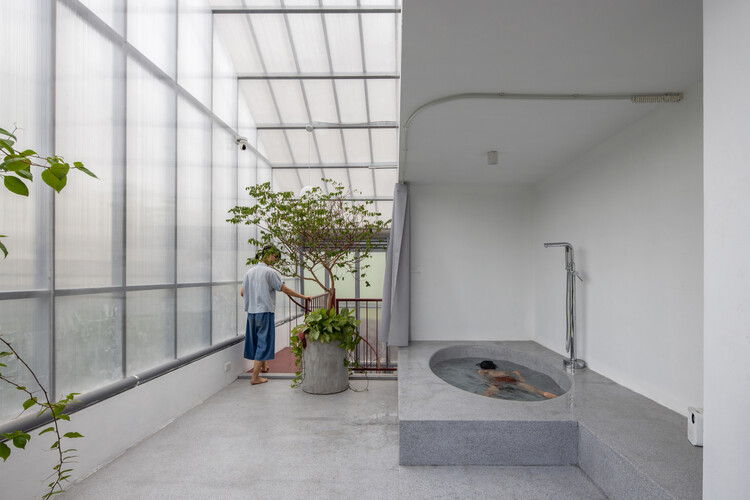
https://www.archdaily.com/1040800/loli-house-t-plus-m-design-officeMiwa Negoro
Beyond Circulation: Stair Solutions for Small-Footprint Living in Asia

In many high-density cities across Asia, the staircase is often treated as a necessary evil. Whether in apartment buildings, private homes, or retail interiors, it is frequently hidden, tucked away, or pushed to the margins—an element to be minimized so more area can be given to "usable" space. Yet as density intensifies and square footage becomes increasingly scarce, architects and designers are forced to rethink this vertical puzzle.
The question shifts from how to conceal the staircase to how to make it work harder: can it become a productive addition to the interior—an architectural device that does more than connect levels, performing dual (or multiple) duties rather than simply consuming floor area?


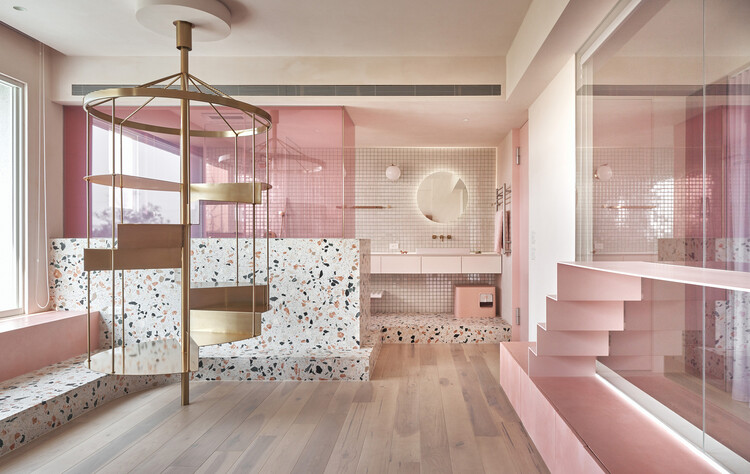
https://www.archdaily.com/1039958/beyond-circulation-stair-solutions-for-small-footprint-living-in-asiaJonathan Yeung
Everyday Heritage: 10 Vietnamese Coffee Shops Reviving Small-Scale Traditional Buildings

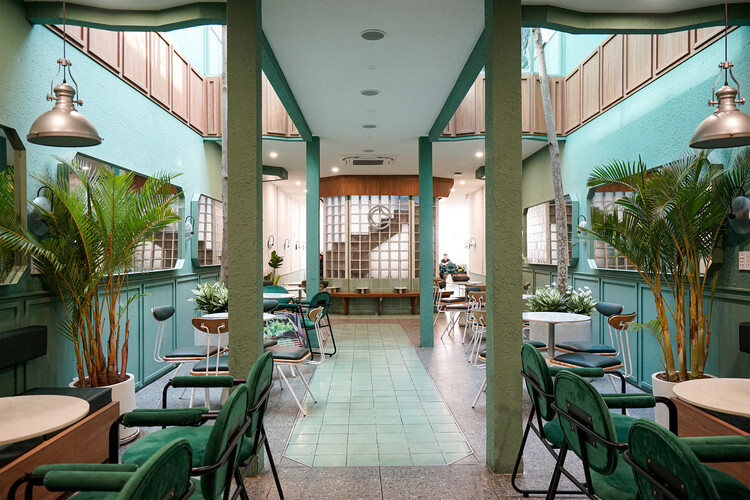
To fully know a city's architectural heritage, one must look beyond its designated sites and iconic buildings. For many, understanding a city's urban fabric and what makes it tick also means discovering the smaller-scale, locally appreciated, conserved buildings and popular gathering spaces. This is especially true when considering bustling Vietnamese cities, with their peculiar architectural characteristics, which can only be appreciated when learning about their many inspirations and historic layers, combining traditional Vietnamese motifs, modernism, local materiality, and climatic design solutions, but mostly by learning about the site constraints that are addressed through the implementation of the narrow tube houses and low-rise buildings.
These key styles and architectural movements are often maintained and even highlighted, as architects give a second life to many rundown or abandoned buildings, transforming them into popular coffee joints. They are reviving smaller heritage sites by pushing for their restoration and regular use by the community, encouraging visitors to acknowledge the historic relevance of the space, as they covet it.


https://www.archdaily.com/1038856/everyday-heritage-10-vietnamese-coffee-shops-reviving-small-scale-traditional-buildingsHana Abdel
Green Interiors Trends From Around The World
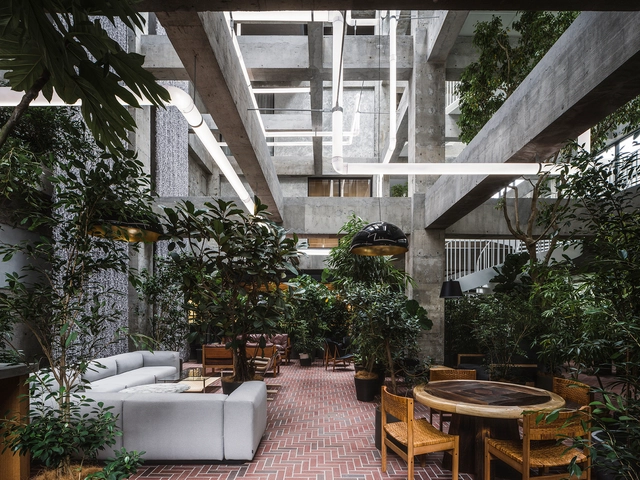
There is not enough that can be said about the benefits of incorporating plants in interiors or Plantscaping. Integrating vegetation indoors serves many purposes, whether practical, aesthetic, or psychological. Although there are basic requirements for incorporating greenery into Homes, well-thought-out plant selections and placements are characteristically different across the world. By going over recent interior works, a few recurrent plantscaping design patterns arose, each reflective of distinctive climates, building styles, and traditional building techniques.
While the type of the chosen plants varies depending on favorable conditions for growth and local availability, the main distinctions are related to the direct environment and display method in which the vegetation is set, as well as its intended purpose. While plants are there to offer mental wellness to some, they are essential for cooling to others, or could even be meant for small-scale farming.


https://www.archdaily.com/957773/green-interiors-trends-from-around-the-worldHana Abdel
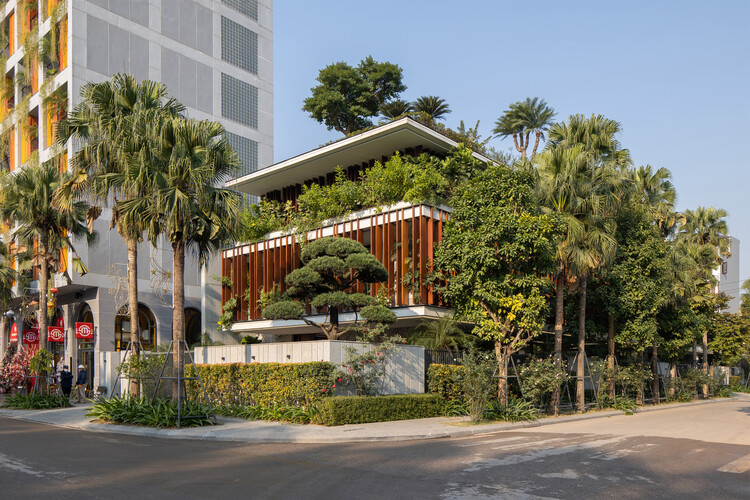
Tropical House 2 / ARO studio


-
Architects: ARO studio
- Area: 1000 ft²
- Year: 2025
-
Manufacturers: Rolandoor Glass
https://www.archdaily.com/1037089/tropical-house-2-aro-studioMiwa Negoro


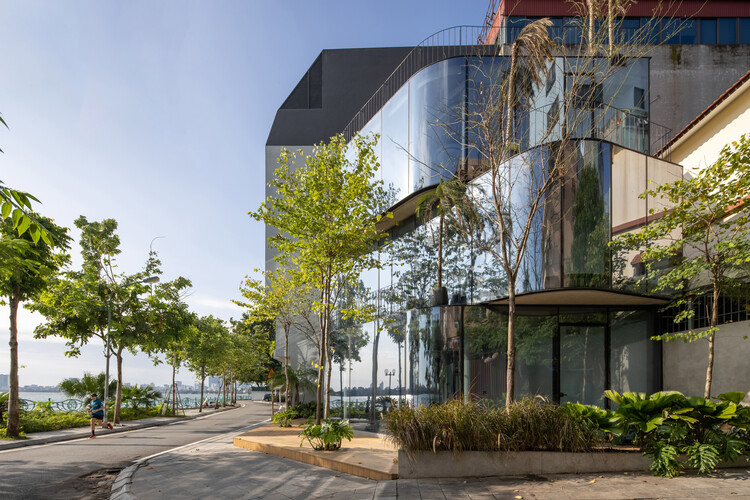
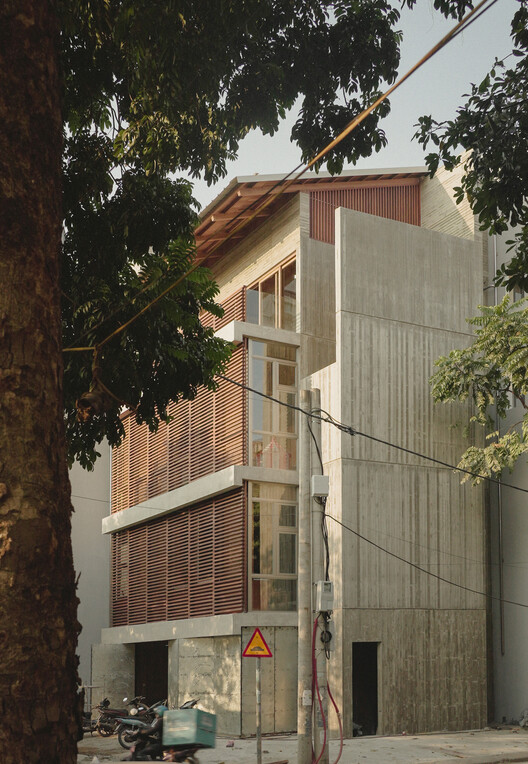
Vertical Tube House - Kam and Ly House / HGAA + Jieun Jun + naïve practice + Taewon Park


-
Architects: HGAA, Jieun Jun, Taewon Park, naïve practice
- Area: 320 m²
- Year: 2025
-
Manufacturers: Artsteel, GiaLong
https://www.archdaily.com/1035166/vertical-tube-house-kam-and-ly-house-naive-practice-plus-taewon-park-plus-hgaa-plus-jien-junHadir Al Koshta
Bridging the Gap: 15 Atypical Living Solutions in Urban Remnants
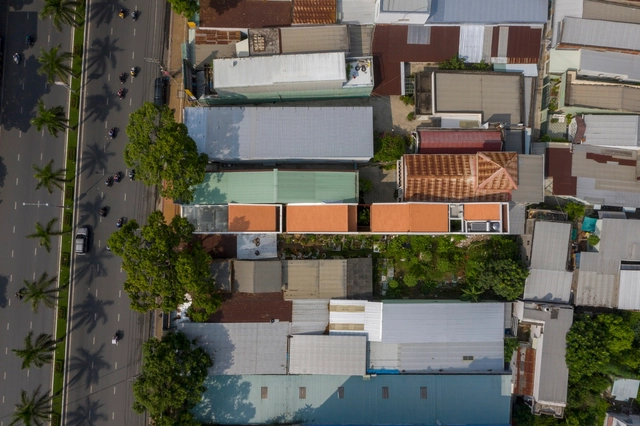
Behind facades lie vibrant lives, where the exterior melds with the interior, transforming neglected urban spaces into captivating residences. In cities around the world, architects, engineers and designers face the challenge of integrating new buildings into existing urban landscapes with limited space. Many architects are now embracing this concept, expanding their designs beyond conventional boundaries and transforming small city lots into layered and interconnected living spaces.


https://www.archdaily.com/1007392/bridging-the-gap-15-atypical-living-solutions-in-urban-remnantsHadir Al Koshta
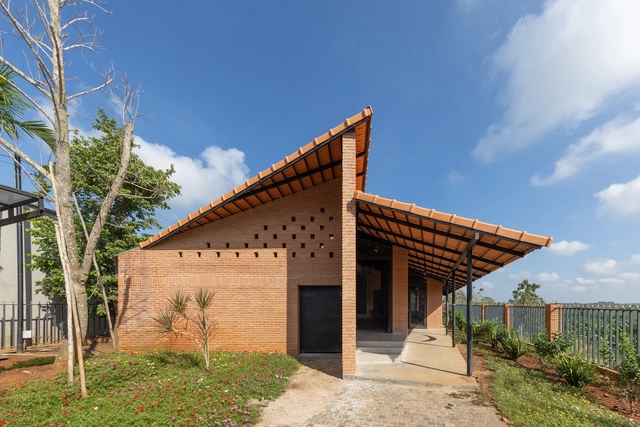
Nha Xuan Tay Residence / G+ Architects


https://www.archdaily.com/1031603/nha-xuan-tay-residence-g-plus-architectsValeria Silva
More than a Classroom: The Multifunctionality of Educational Spaces in Global South Communities
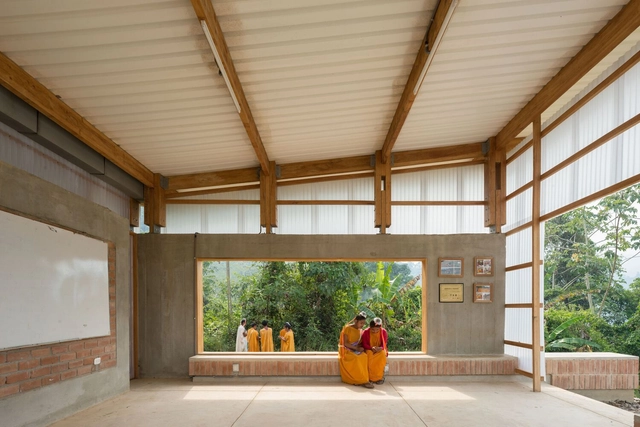
Educational infrastructure is key to any community. The better the quality of these spaces, the better the learning experience for those who use them. However, these facilities often serve a much broader purpose than just education. In Global South communities, in countries like Peru or Vietnam, where a significant portion of the population lives in rural areas far from urban centers, there are few educational spaces and a lack of places where the entire community—not just the students—can come together.


https://www.archdaily.com/1019866/more-than-a-classroom-the-multifunctionality-of-educational-spaces-in-global-south-communitiesPaula Pintos
CieL Dining / Eigh-T Architects
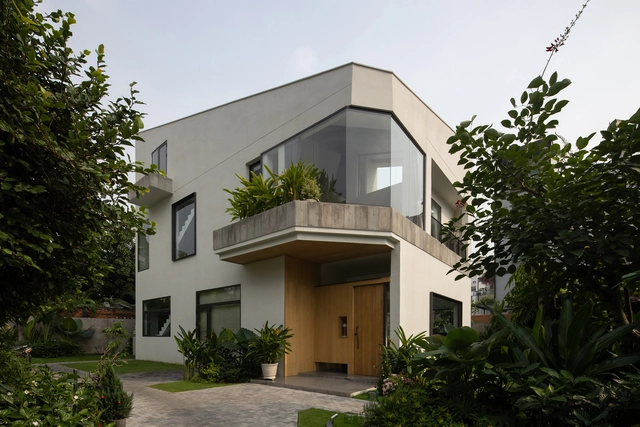


https://www.archdaily.com/1024985/ciel-dining-eigh-t-architectsMiwa Negoro
Vuong Dinh Temple / Cote Architects
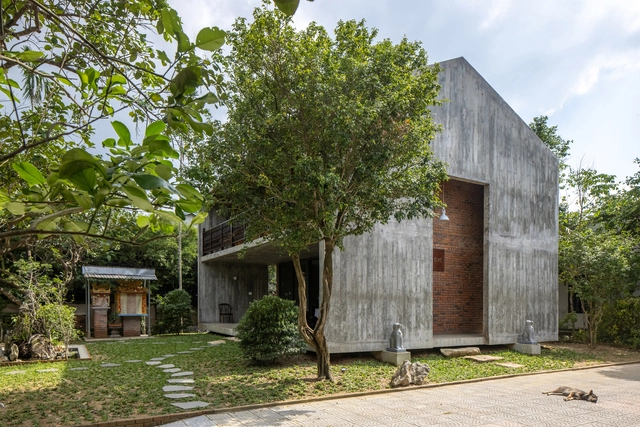


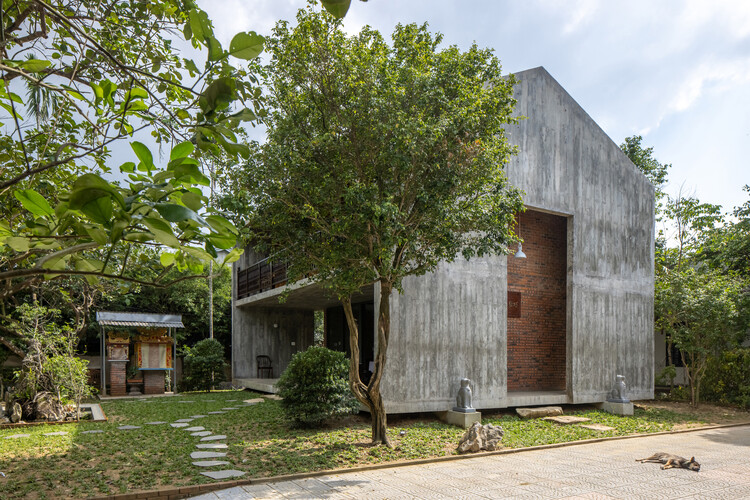
-
Architects: Cote Architects
- Area: 200 m²
- Year: 2024
-
Manufacturers: INAX
-
Professionals: COTE Arch, W-FACTORY, Dien Quang Hue
https://www.archdaily.com/1023745/vuong-dinh-temple-cote-architectsMiwa Negoro
KHO REN house / M+TRO.studio


-
Architects: M+TRO studio
- Area: 260 m²
- Year: 2024
-
Manufacturers: Toto, Eurotile, Xingfa Aluminium
-
Professionals: COTE ArchCote construction, W-FACTORY
https://www.archdaily.com/1023521/kho-ren-house-m-plus-trtudioMiwa Negoro
Vibrancy and Utility: Embracing Color in Urban Apartment Kitchens
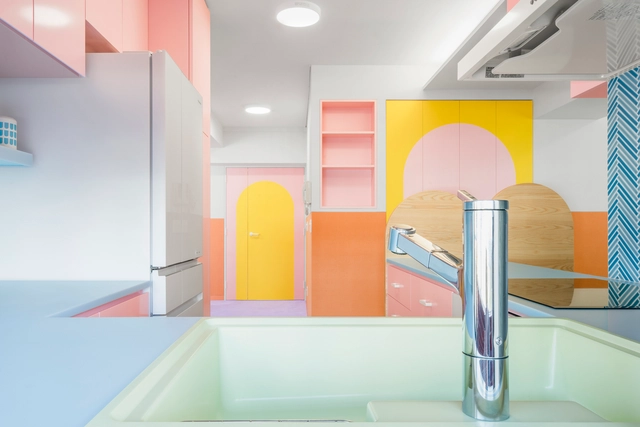
Urban apartments are frequently praised for their clever use of space, but what of their approach to color? Thoughtfully incorporating color is more than an aesthetic decision; it has the potential to shape emotional responses, influence mood, and create spatial illusions. Research in color psychology shows that colors affect our social, cultural, and psychological reactions, making them powerful design tools. Variations of blue, for instance, have been shown to slow melatonin production, keeping people more awake and alert, while shades of green relieve strain on our nervous systems, helping us feel calmer and more grounded. Color in architectural spaces can even alter our perception, creating illusions of depth, movement, and texture that influence how we experience space. Warmer hues like oranges and reds tend to make a room feel more intimate and cozy, while cool whites and blues lend a sense of openness, making spaces appear taller and more expansive.


https://www.archdaily.com/1023107/vibrancy-and-utility-embracing-color-in-urban-apartment-kitchensOlivia Poston
Rhythm of the Wood Restaurant / MAS Architects
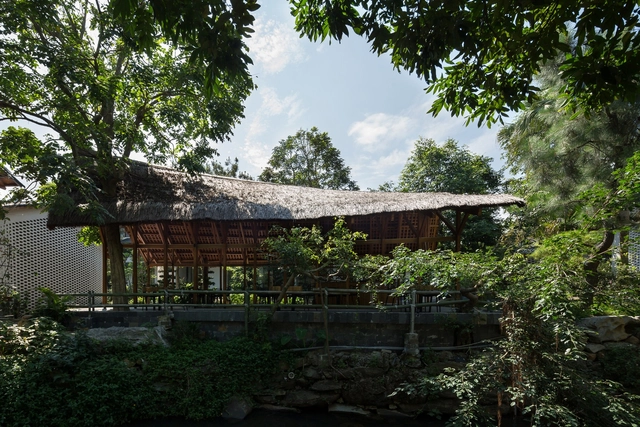


-
Architects: MAS Architects
- Area: 500 m²
- Year: 2022
-
Professionals: Mas Architects
https://www.archdaily.com/1022981/rhythm-of-the-wood-restaurant-mas-architectsHana Abdel
PVT House / Cote Architects
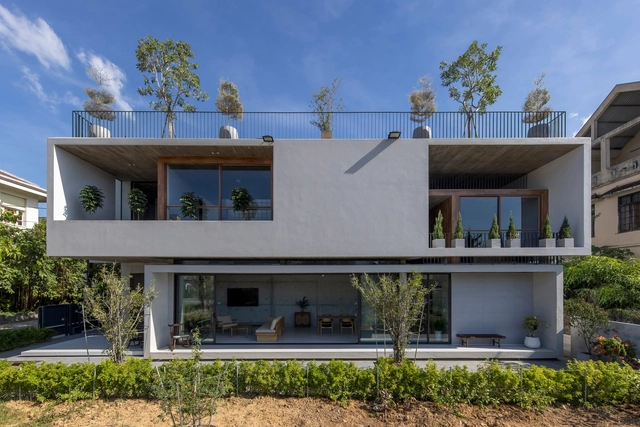


https://www.archdaily.com/1020971/pvt-house-cote-architectsHana Abdel
Lei Ơi Cà Phê / TRAN TRUNG Architects


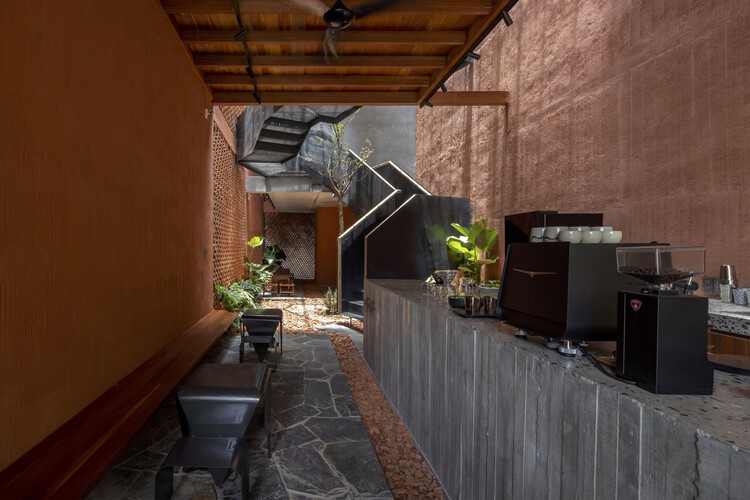
-
Architects: TRAN TRUNG Architects
- Area: 96 m²
- Year: 2024
-
Manufacturers: INAX, Vicostone Quartz Surfaces, Vietceramics
-
Professionals: Bap's Garden
https://www.archdaily.com/1020087/lei-oi-ca-phe-tran-trung-architectsPilar Caballero