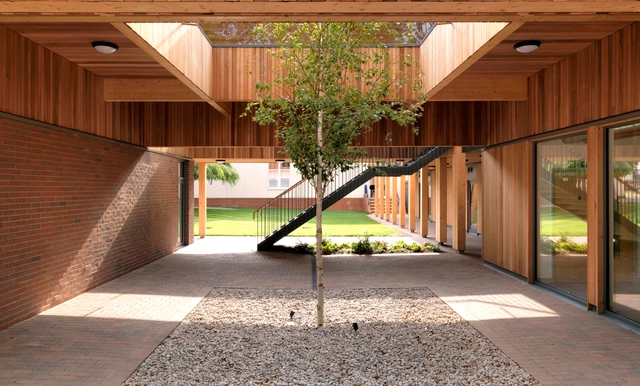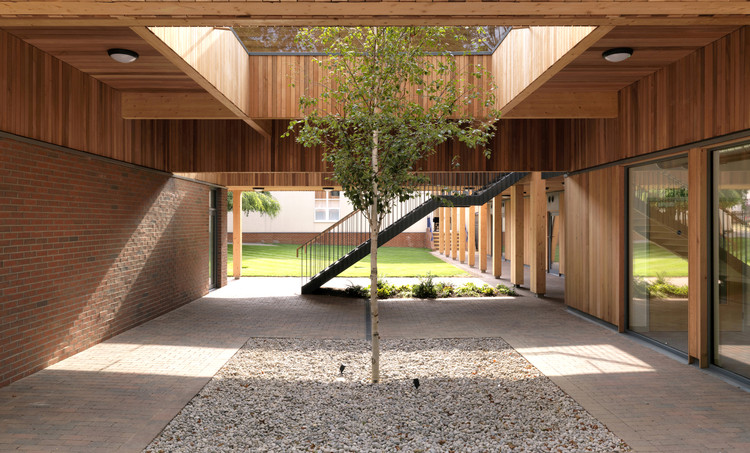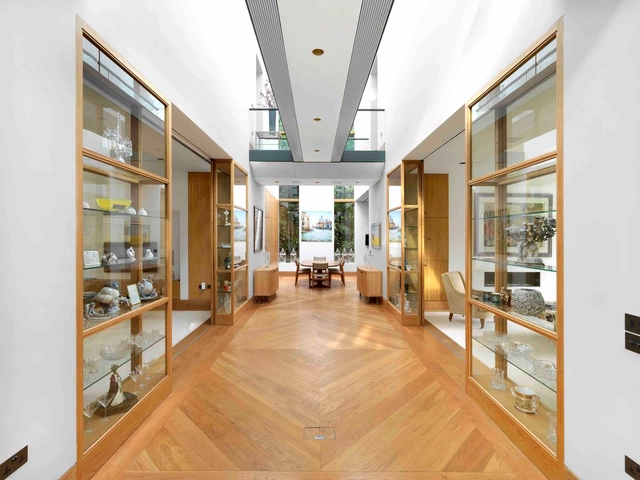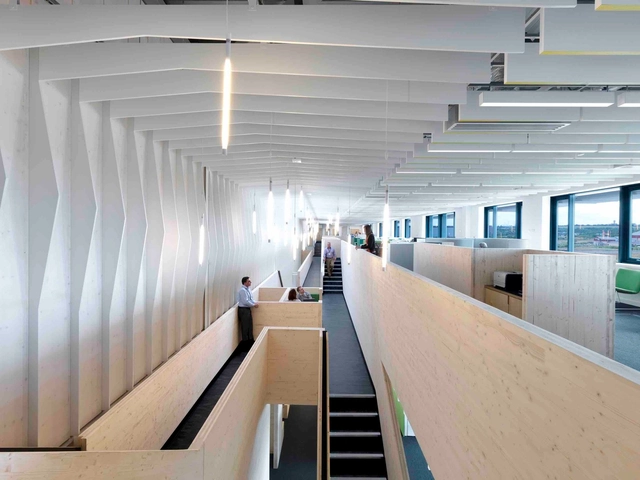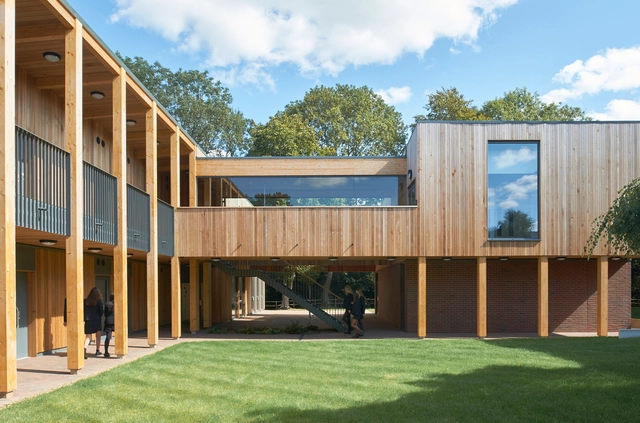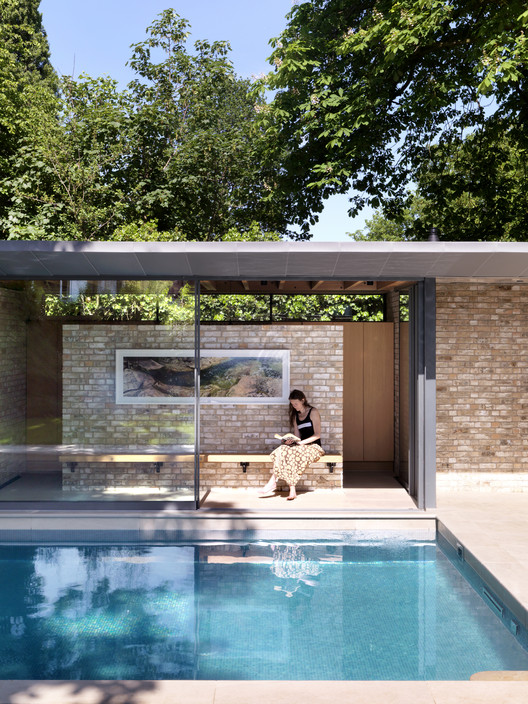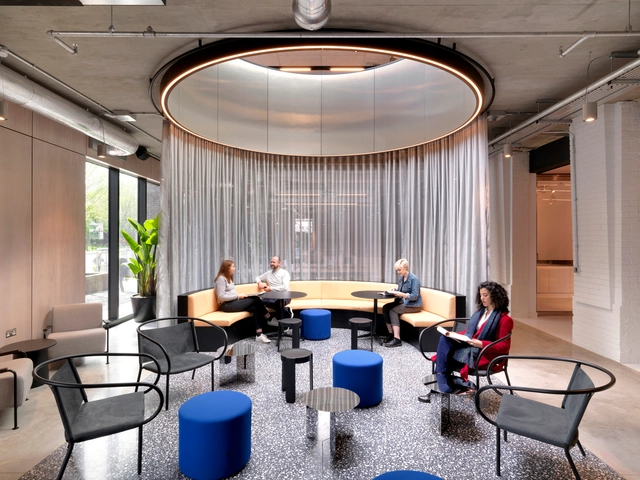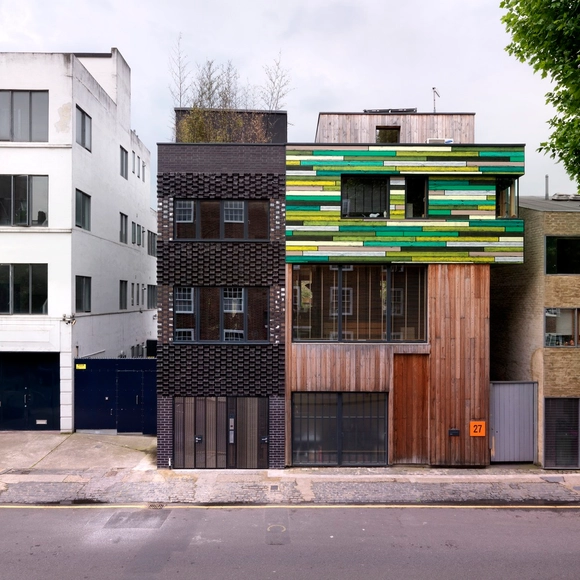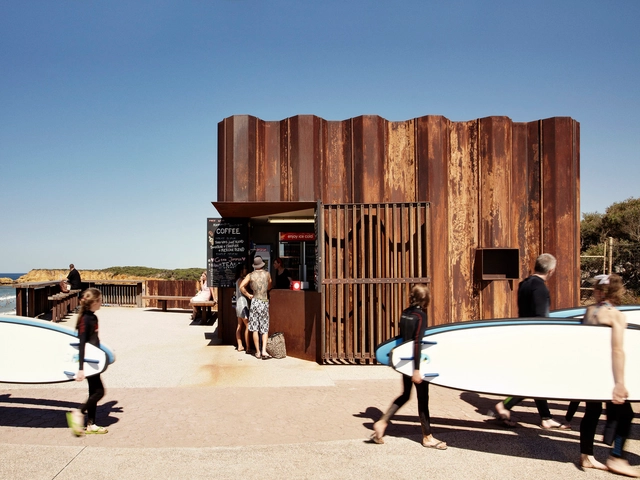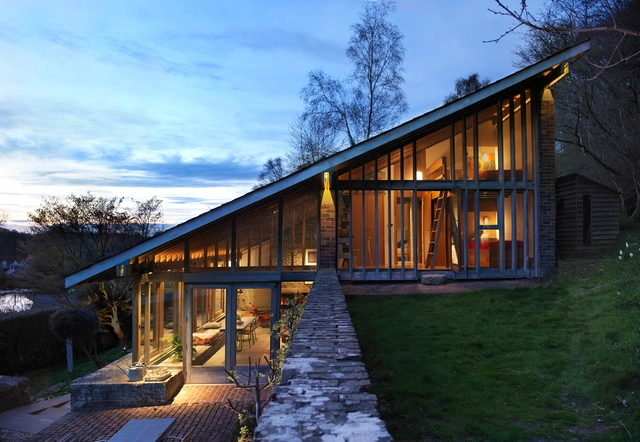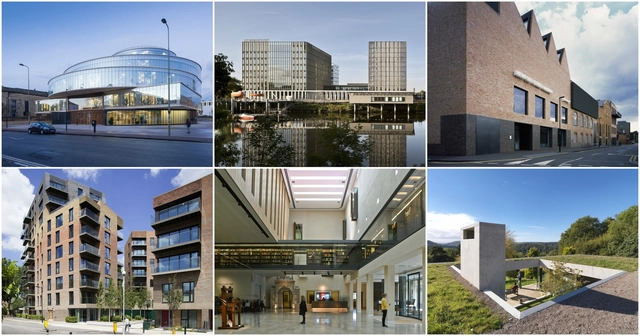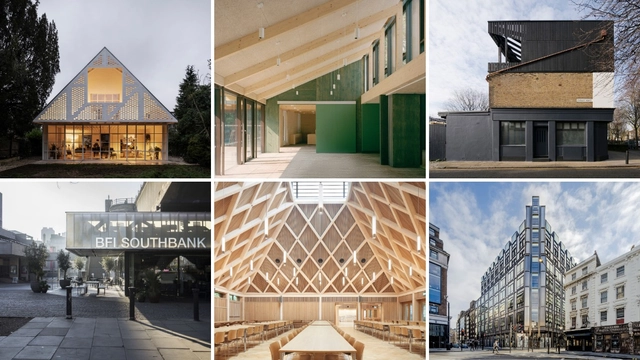
The Royal Institute of British Architects (RIBA) has announced the winning projects for the 2022 RIBA London architecture awards. The list of 42 buildings includes projects ranging from a sustainable council housing development to a cookery school for children, showcasing the best architectural interventions in London over the past two years. The projects were selected by a regional jury, who visited all 66 shortlisted projects. RIBA London Award winners will now be considered for a highly-coveted RIBA National Awardin recognition of their architectural excellence, which will be announced in June.
As revolutionary as the construction sector may seem nowadays, it currently accounts for nearly 40% of the world’s carbon dioxide emissions, 11% of which are a result of manufacturing building materials such as steel, cement, and glass. Fast forward a couple of years later, after a life-changing global pandemic and indisputable evidences of climate change, CO2 emissions are still on a rise, reaching a historical maximum in 2020 according to the 2020 Global Status Report for Buildings and Construction. Although a lot of progress has been made through technological advancements, design strategies and concepts, and construction processes, there is still a long way to go to reduce carbon emissions to a minimum or almost zero in the development of built environments.
Brick is one of the most popular materials for architects designing with a vintage or rustic aesthetic: exposed brick walls are often touted as highly desirable for apartments, restaurants, and stores, and exterior brick facades can make a building or home feel warmer and more inviting. However, the color and cut of the brick can greatly influence the atmosphere it emanates, with white brick lending itself to more minimalist design and tan brick tending to feel more rustic and earthy. In this article, we will explore some of the most popular brick colors, ways to artificially color brick, and recent projects that use brick facades or interior brick elements effectively.
https://www.archdaily.com/944493/the-colors-of-brickLilly Cao
Often as architects we neglect how the buildings we design will develop once we hand them over to the elements. We spend so much time understanding how people will use the building that we may forget how it will be used and battered by the weather. It is an inevitable and uncertain process that raises the question of when is a building actually complete; when the final piece of furniture is moved in, when the final roof tile is placed or when it has spent years out in the open letting nature take its course?
Rather than detracting from the building, natural forces can add to the material’s integrity, softening its stark, characterless initial appearance. This continuation of the building process is an important one to consider in order to create a structure that will only grow in beauty over time. To help you achieve an ever-growing building, we have collated six different materials below that age with grace.
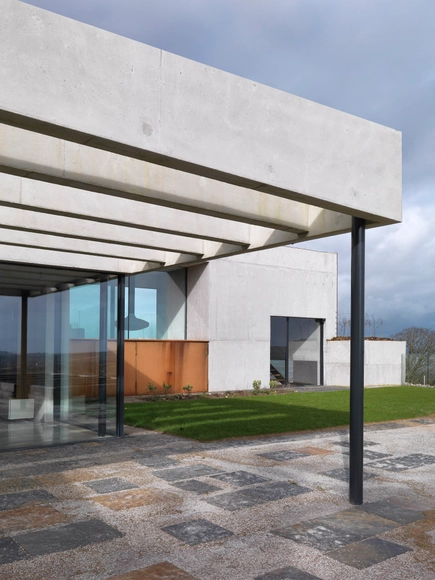
Last week, RIBA announced the first two homes shortlisted for this year's House of the Year Award: Antsy Plum by Coppin Dockray and Outhouse by Loyn & Co Architects. Antsy Plum is a 1960s modernist house located in Antsy, Wiltshire, renovated to reduce carbon emissions by 80 percent; Outhouse, located in Forest of Dean, Gloucestershire, is a partly subterranean concrete structure on a sloped site.
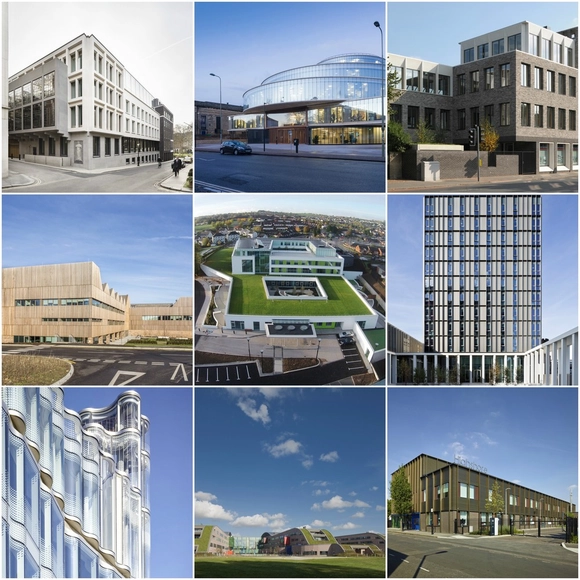
The Royal Institute of British Architects (RIBA) has announced six projects that will compete for the 2016 Stirling Prize, the award for the building that has made the greatest contribution to British architecture in the first year. Selected from the pool of regional winners around the country, the shortlisted buildings range from a small house in the south of England to a new college campus in Glasgow, Scotland. However, in a first for the Stirling Prize, the shortlist features two buildings coming from one client, Oxford University.
"Every one of the six buildings shortlisted today illustrates the huge benefit that well-designed buildings can bring to people’s lives," said RIBA President Jane Duncan. "With the dominance of university and further education buildings on the shortlist, it is clear that quality architecture’s main patrons this year are from the education sector. I commend these enlightened clients and supporters who have bestowed such remarkable education buildings."
The winner of the Stirling Prize will be announced on Thursday 6 October.
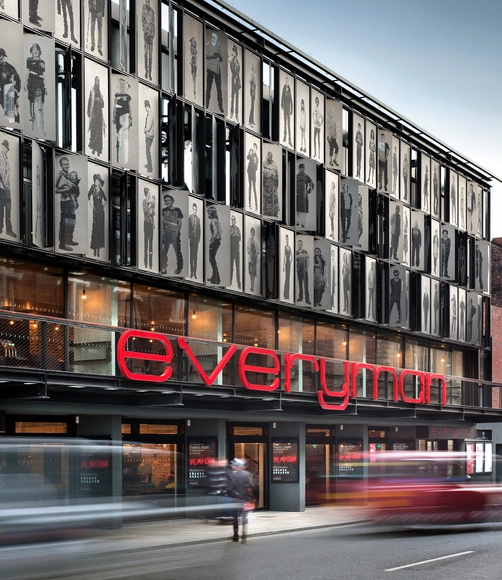
Haworth Tompkins'Everyman Theatre has won the RIBA Stirling Prize for 2014, beating competition from Zaha Hadid, Renzo Piano, Mecanoo, O'Donnell + Tuomey and Feilden Clegg Bradley. The result was announced last night by RIBA President Stephen Hodder at an event held at the RIBA's Headquarter's in London, with Hodder saying that "Haworth Tompkins have struck the perfect balance between continuity and change" and calling the scheme "a ground-breaking example of how to build a daring, bold and highly sustainable large public building in a historic city centre."
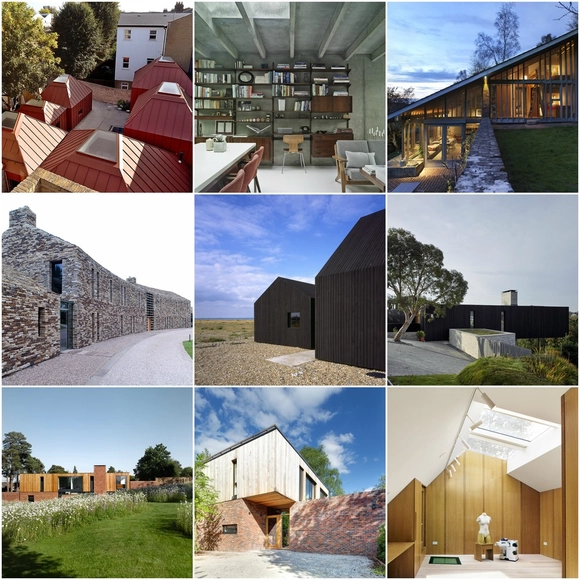
The Royal Institute of British Architects (RIBA) has announced the shortlist for this year's Manser Medal, the award given for Britain's best new house. With a shortlist comprising a mixture of two London townhouses, a seaside getaway and three remote getaways in Scotland and Wales, the winner of this year's Manser medal will be announced at the RIBA's awards ceremony on October 16th.
RIBA President Steven Hodder said of the shortlisted schemes: "With each of the projects, the architects have added real value to the homeowner’s happiness and wellbeing. The originality, ingenuity and innovation on show in this shortlist should be an inspiration for anyone planning to build or make improvements to their own home. I encourage the UK’s volume house builders to look at the shortlisted schemes – we all deserve to live in homes that comfort and delight us."
Read on after the break for all six shortlisted projects