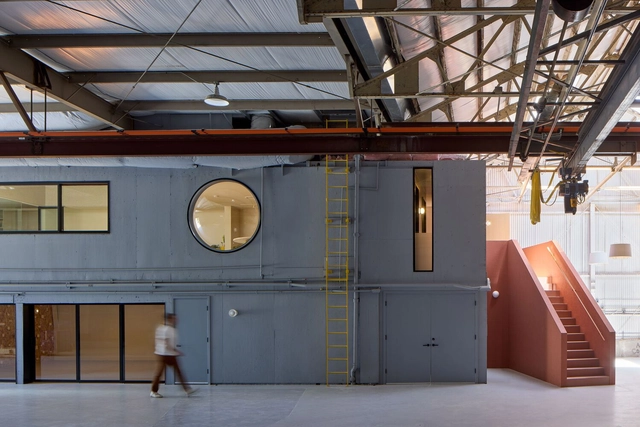
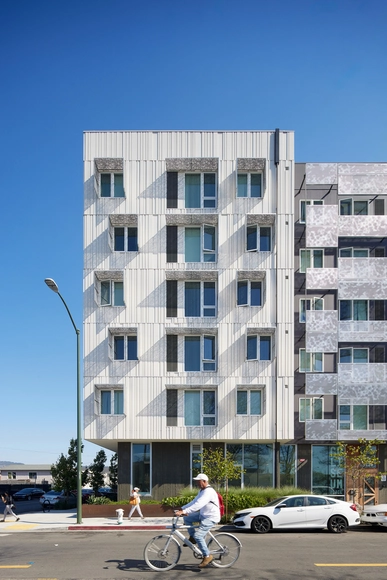
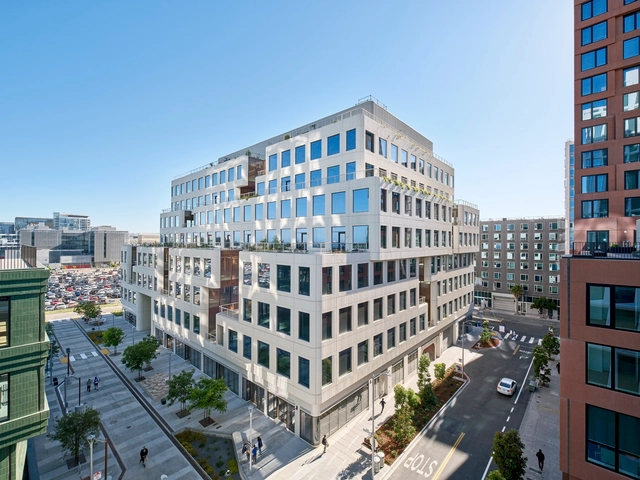
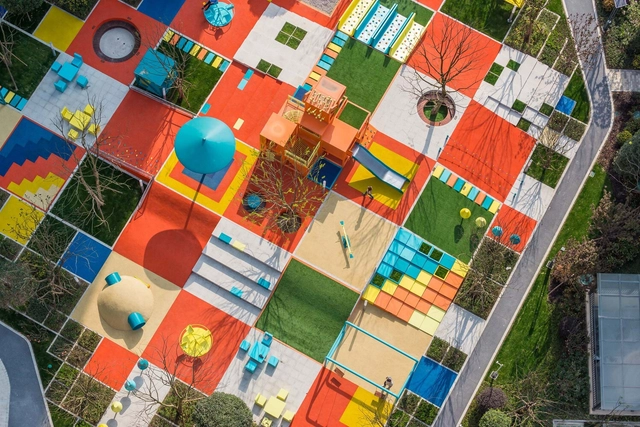
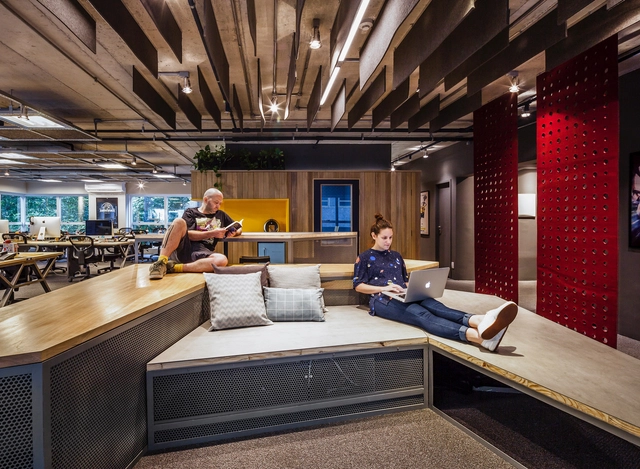
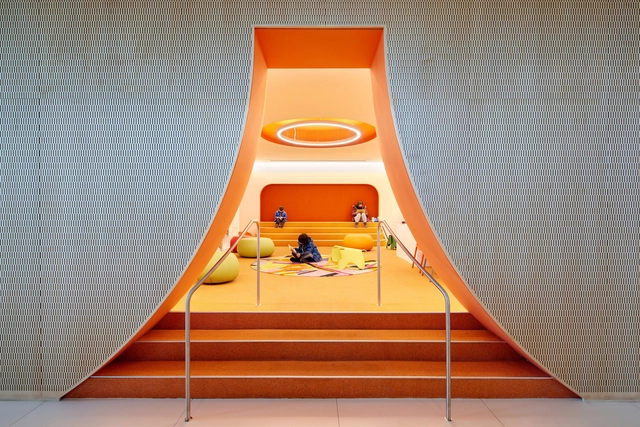
On the first Monday of October, World Architecture Day offers an opportunity to reflect on the role that architecture plays in shaping our world and our communities. Established by the International Union of Architects (UIA) in 1986, this day was designated as a basis for the ongoing discussions on innovations in architectural practice, new approaches to the ever-changing role of architects and designers, and the varied responses to emerging concerns.
As in previous editions, UIA sets a central yearly theme to guide these conversations. This year, the theme of World Architecture Day 2024, "Empowering the Next Generation to Participate in Urban Design," opens up multiple interpretations, contemplating the impact of urban design on the next generation, as well as highlighting the impact and contributions of young architects in shaping the cities of tomorrow. This year's event aims to address crucial challenges faced by the urban environments and their impact on the next generations. The focus is on creating cities that are not only greener and more environmentally friendly but also inclusive, catering to the diverse needs of various groups in society.
I am by no means an expert on public-private partnerships. But for about 10 years, as the University of California Berkeley’s campus planner and then campus architect, I watched these developments play out in higher education—sometimes from a front-row seat, sometimes as a participant. During that time, this strategy, promoted with great enthusiasm and optimism, was touted as the answer to whatever problem arose. And yet the definition of a public-private partnership was slippery. The concept itself seemed to be all things for all people, depending on what was needed, who was recommending it, and what equivalents (if any) existed outside the university. The bandwagon continues to play today, making it ever more important to nail down the pros and cons of this development strategy, not only for colleges and universities, but for all public decision-making.


https://www.archdaily.com/1015830/are-for-profit-developments-consistent-with-the-values-of-a-public-universityEmily B. Marthinsen
Some of the most picturesque projects are those built in the mountains; the rustic cabin wrapped with a floor-to-ceiling glass panel that overlooks the snow-covered trees. Visually, the architecture exudes an enchanting feeling, but is it truly a habitable space? When houses are built on an elevation of 3,000 meters, installing a fire element alone is not efficient or sustainable. Spaces on such altitudes or particular geographic locations require to be treated thoroughly, beginning with the architecture itself. Whether it's through hydronic in-floor heating systems or wall-mounted chimneys, this interior focus explores how even the most extreme winter conditions did not get in the way of ensuring optimum thermal comfort.
How many times have you been faced with the challenge of designing a cultural center? While this may seem like quite a feat, many architects have had to design a program that blends a community center with culture.
Among the projects published on our site, we have found numerous examples that highlight different responses, from flexible configurations to sites that prioritize central gathering areas for citizens and activities. See our series of 50 community centers and their plans and sections below.
Los Angeles is a city of dreams. Known across the United States and the world, L.A. embodies both freedom and experimentation, defined as much by its freeways as its diversity. It is also a city of houses. Single-family homes cover almost half of Los Angeles, and as the city continues to evolve, architects have explored new ideas on modernity and daily life through the single-family typology.
Around 10 million people live in L.A. County, and Los Angeles itself has become one of the world's most ethnically diverse cities. The built environment reflects the nature of its residents, home to some of the most iconic residential and cultural architecture in the world. Los Angeles has its own dose of Lautner, Schindler, Wright, and Neutra. It's a city that has long embodied multiplicity and progressive forms, from the Eames House and Gehry's Residence to the iconic Stahl House. Through the lens of photographer Julius Shulman, many homes came to represent not only new residential styles but also the postwar culture of Southern California.