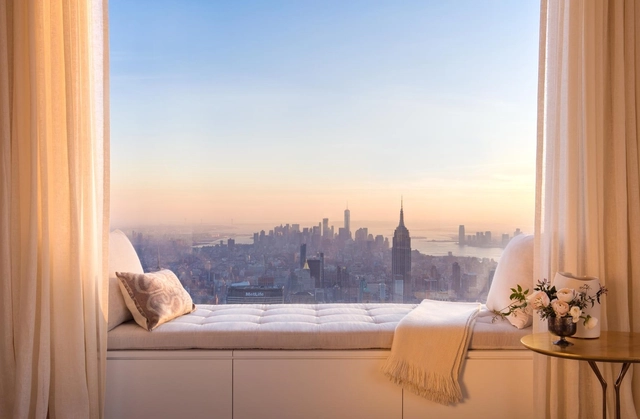
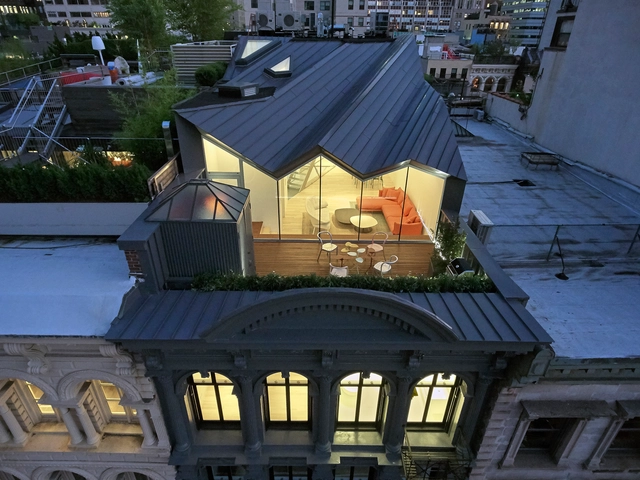
Penthouses embody how form is following finance. As their own sector of the luxury real estate market, these spaces are often reserved for the richest clients and investors. From heiress Marjorie Merriweather Post's iconic 54-room mansion in the sky, to top-floor units in mid-rise developments, penthouse designs have been continuously reimagined to take architecture and interior design to new heights.
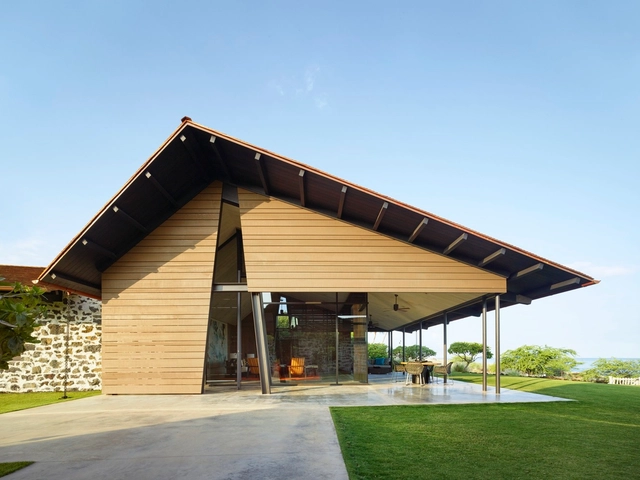
Hawaii has become a place that defines paradise. From pristine beaches and a warm climate to natural scenery and active volcanoes, the islands are home to incredible landscapes and culture. With indigenous and modern building styles, the state’s architecture is intimately tied to the environment. Reinterpreting historic building techniques and traditions, contemporary Hawaiian architecture balances a desire to honor the past while celebrating new experiences and modern culture. This has led to the formation of incredible spaces to live and dwell.
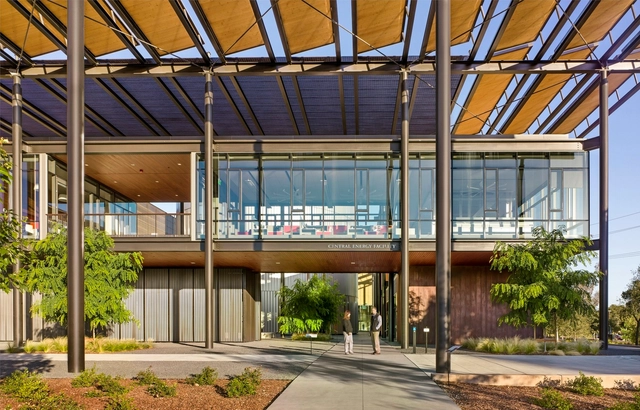
Solar design in contemporary architecture is rooted in the profession's sustainable turn. The relationship between architecture and energy is tied to both passive strategies and performance via more recent innovations in technology. As one way to begin addressing the global climate crisis and greenhouse gas emissions, solar design is reshaping cities and architecture around the world.
On behalf of the entire ArchDaily team, we would like to thank you for your continued support and for making 2020 our best year so far! We are now reaching more architects around the world and inspiring them in the creation of better built environments. With more than 5500 different projects published during the year, our curators are excited to share this collection of the 100 most visited projects of 2020. This selection represents the best content created and shared by the ArchDaily community over the past 11 months.
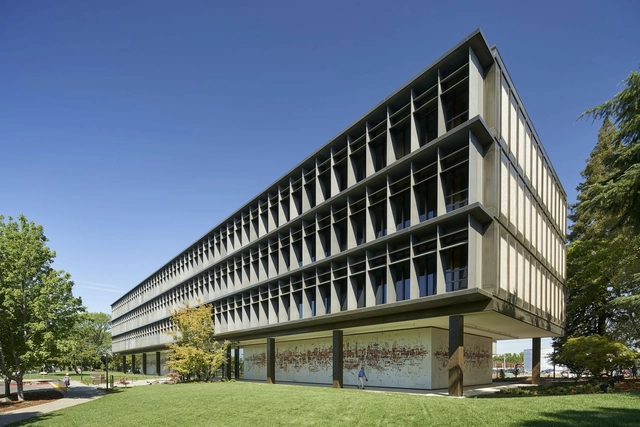
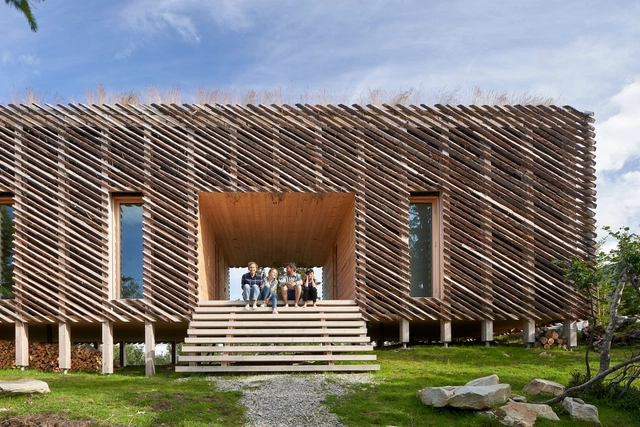
The American Institute of Architects California (AIA CA) has announced the recipients of the 2020 Residential Design Awards. With nearly 100 projects submitted, the jury recognized ten projects with honor, merit and leading edge awards. As AIA California states, the jury took many aspects into consideration, looking for "exceptional design" that represents all that California architecture has to offer.
A monochrome environment is a space in which most architectural elements are of a single color. Although it is common for architects to design black or white monochromatic spaces due to its neutrality, it is possible to use almost any color to design a space, taking advantage of their infinite tones, undertones, and shades.
New York City is the pinnacle hybrid between the vibrant and granular neighborhoods that Jane Jacobs once envisioned and the sweeping urban innovations of Robert Moses. However, its diverse population has experienced hardship over the last twenty years, forcing the city into a recursive wave of self-reflection to reevaluate the urban strategies, design trends, and global transportation methods that it had grown so accustomed to. After the September 11th and Hurricane Sandy tragedies, the delicate balance between promoting a sense of individual culture and the strength in unity that New Yorkers are so often known for served as the lifeblood for revitalization. New York City has consistently handled adversity, by always rethinking, redesigning, and rebuilding this city for a better future.
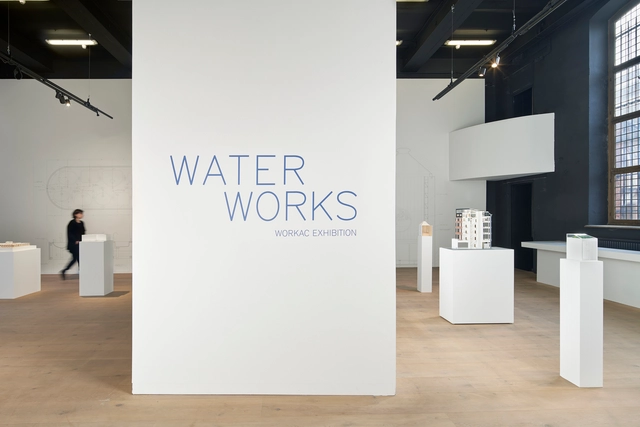
WORKac in collaboration with Musea Brugge and Cultuurcentrum Brugge has created an exhibition entitled Water Works. Set to run initially from March 7th to June 7th, 2020 at the historic Poortersloge in Bruges, Belgium, the exhibition has been temporarily closed to the public due to the ongoing COVID-19 epidemic. However, the New York-based architectural practice has produced a brief video highlighting its six themed rooms and the eighteen projects on display.
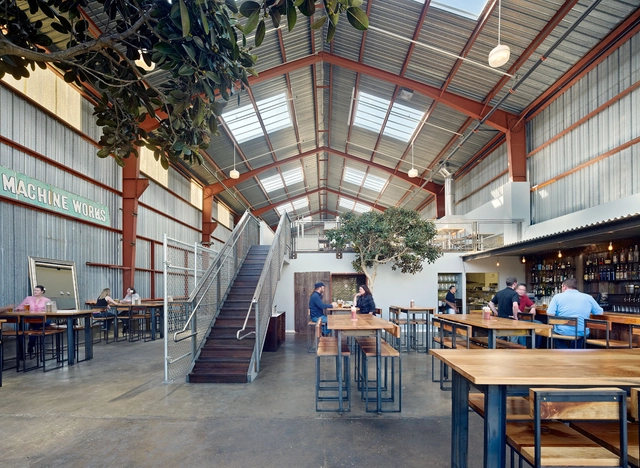
The COVID-19 pandemic has transformed how we work. As designers are quickly rethinking traditional workflows to stay connected, in San Francisco, Studio BBA is adjusting the way they work to make sure client needs are delivered. Advocating for architecture that inspires human connection, they are creating spaces and places from the alchemy of inspiration, site, materials, vision and form.
One of the most important cities in the world –and the most populated in the United States of America–, New York is home to a great mix of cultures and history that has been shaped over the years, while art and architecture play a fundamental role in this development.
Each year the Architectural League of New York selects eight firms, based in the United States, Canada or Mexico, to be granted the Emerging Voices Award, and to be recognized as emerging practices with the potential to influence the disciplines of architecture, landscape, and urban design.
Humans spend almost 90% of the time indoors; that's approximately 20 hours a day in closed rooms and 9 hours a day in our own bedrooms. The architectural configurations of these spaces are not random - that is, they have been designed or thought of by someone, and are at least slightly "guided" by the conditions of their inhabitants and their surroundings. Some people inhabit spaces specially catered to their needs and tastes, while others adapt and appropriate designs made for someone else, perhaps developed decades before they were born. In either case, their quality of life may be better or worse depending on the decisions that are made.
Understanding the importance of carefully designing our interiors, particularly through the lens of access and enjoyment of natural light, was the purpose of the 8th VELUX Daylight Symposium, held on October 9 and 10 of 2019 in Paris. This year, more than 600 researchers and professionals attended and reaffirmed the importance of natural light, presenting a series of concrete tools that could help quantify and qualify light by designing its entry, management, and control with greater depth and responsibility.
Interior gardens and plants produce many day-to-day benefits, like mood boosting and memory enhancing effects. Interior landscape design, also known as "plantscaping", is much more than the act of bringing plants indoors; it's actually about the strategic placement and selection of plant species within an architectural project to highlight and enhance aspects of spatial design.













.jpg?1591644193&format=webp&width=230&height=230&crop=true)






.jpg?1587760973&format=webp&width=230&height=230&crop=true)







.jpg?1585197773&format=webp&width=230&height=230&crop=true)
_Frank_Oudeman_19.jpg?1585198175&format=webp&width=230&height=230&crop=true)







.jpg?1506954757&format=webp&width=230&height=230&crop=true)
_Image-MORKULNES-ARTISTSTUDIO-56201-PH_10_photo©BruceDamonte.jpg?1506955584&format=webp&width=230&height=230&crop=true)

