Alex de Rijke

BROWSE ALL FROM THIS PHOTOGRAPHER HERE

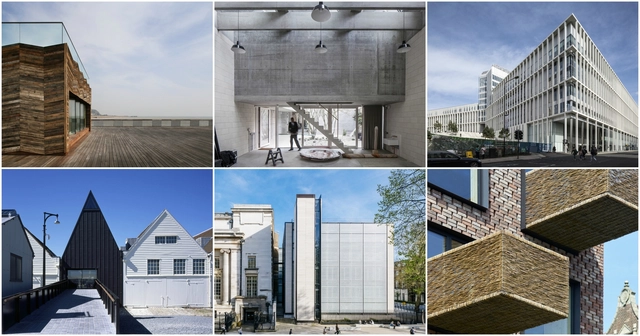
The Architecture of Restraint: When Choosing Not to Build Becomes Design

In a world facing ecological exhaustion and spatial saturation, the act of building has come to represent both creation and consumption. For decades, architectural progress was measured by the new: new materials, new technologies, new monuments of ambition. Yet today, the discipline is increasingly shaped by another form of intelligence, one that values what already exists. Architects are learning that doing less can mean designing more, and this shift marks the emergence of what might be called an architecture of restraint: a practice defined by care, maintenance, and the deliberate choice not to build.

The principle recognizes that the most sustainable building is often the one that already stands, and that transformation can occur through preservation, repair, or even absence. Choosing not to build becomes a political and creative act, a response to the material limits of the planet and to the ethical limits of endless growth. That Architecture moves beyond the production of new forms to embrace continuity, extending the life of structures, materials, and memories that already inhabit the world.

The Architecture of Restraint: When Choosing Not to Build Becomes Design - More Images+ 33

From Tradition to Innovation: How Modern Technologies are Transforming the Potential of Wood

Wood, one of the oldest building materials, has been continuously reinvented throughout history. As contemporary architecture becomes more and more concerned with sustainability and environmental responsibility, the popularity of the material has also increased. As trees absorb carbon dioxide during their growth, their wood stores that carbon, keeping it out of the atmosphere. The materials derived from wood are thus associated with less greenhouse gas emissions on the condition of trees being harvested from sustainably managed forests. But in order to capture the full potential of this material, a plethora of techniques and modifications have evolved with the purpose of adapting and customizing wood's characteristics to the demands of modern design and construction. From thermal modification to engineered wood or versatile particle boards, these methods not only enhance wood's suitability for the rigors of contemporary architecture but also expand the usability of this sustainable material to an unprecedented scale.

From Tradition to Innovation: How Modern Technologies are Transforming the Potential of Wood - More Images+ 5

How (and Why) to Let Weather Into Your Buildings: 6 Projects that Bring Nature Inside

Subscriber Access | 

Bringing the weather inside is usually the opposite of what you want from a building envelope. However, new research from the University of Oregon, described in an article by The Washington Post, aims to show the physical and psychological benefits of letting nature inside. Signs of nature and change are both beneficial to our well-being, yet we don’t always have access to them when inside buildings—and humans are now spending 90% of our lives inside. But even in an urban setting, where nature may be hard to come by, there’s no escaping the weather. When researchers found ways to bring things like wind and dappled reflections of the sun inside, they found that exposure to these natural movements lowered heart rates, while being less distracting than similar artificially generated movements.

By now, green buildings are a familiar concept, but the article in The Washington Post proposes moving beyond green buildings as we know them today. While green building can be great in new construction, that excludes a lot of existing buildings that could and should also benefit from an intervention of nature. Ideally, buildings should actively demonstrate their relationship with nature, moving beyond simply “doing no harm.”

How (and Why) to Let Weather Into Your Buildings: 6 Projects that Bring Nature Inside - More Images+ 3

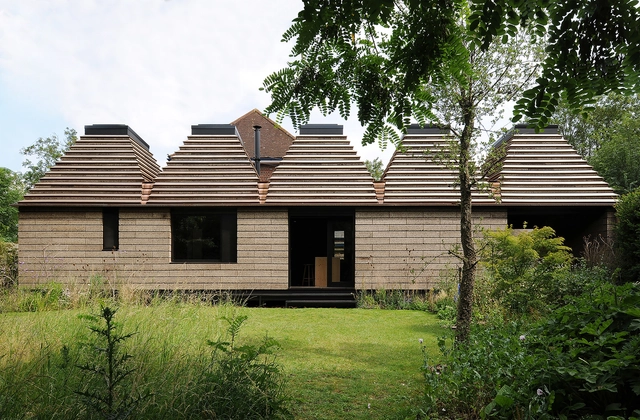
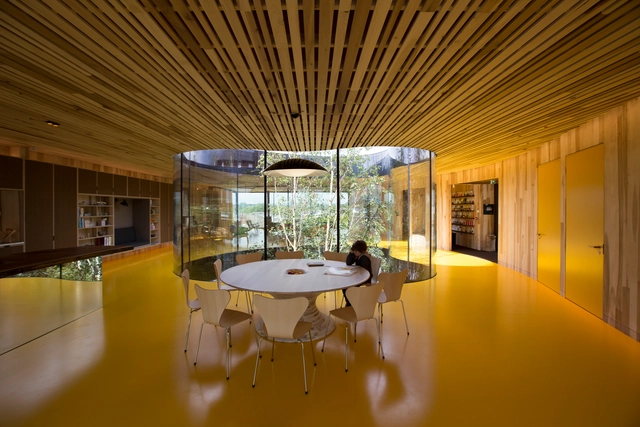
Cork House / Matthew Barnett Howland + Dido Milne + Oliver Wilton

Cork House / Matthew Barnett Howland + Dido Milne + Oliver Wilton - More Images+ 18

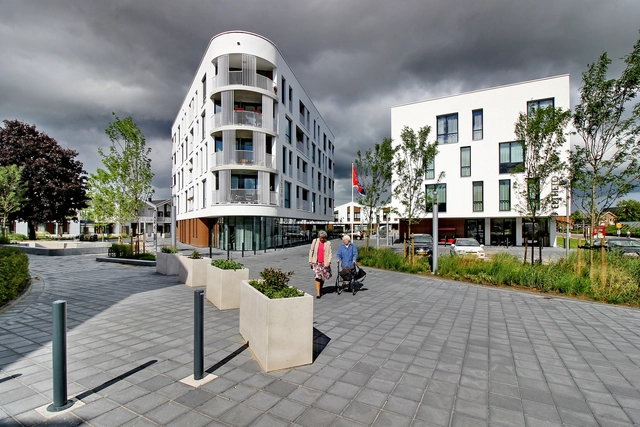
How To Design for Senior Citizens

Subscriber Access | 

The population’s aging phenomenon is occurring worldwide. We say phenomenon because all population pyramids are reversing, which means birth rates are steadily decreasing over the years, and at the same time, life expectancy has been increasing. Thus, the elderly population is growing at a faster rate than children.

According to IBGE (Brazilian Institute of Geography and Statistics), in 2017 there were more than 30 million people over the age of 60 in Brazil (14.6% of the population). To understand this growing demographic, let's take a look at other countries' statistics. Mexico's total population is about 28 million, the size of Australia's and New Zealand's combined population. We are talking about a demographic the size of a country. 

RIBA Announces 2018 National Award Winners

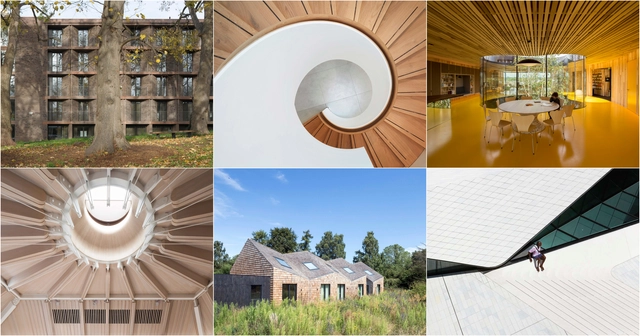
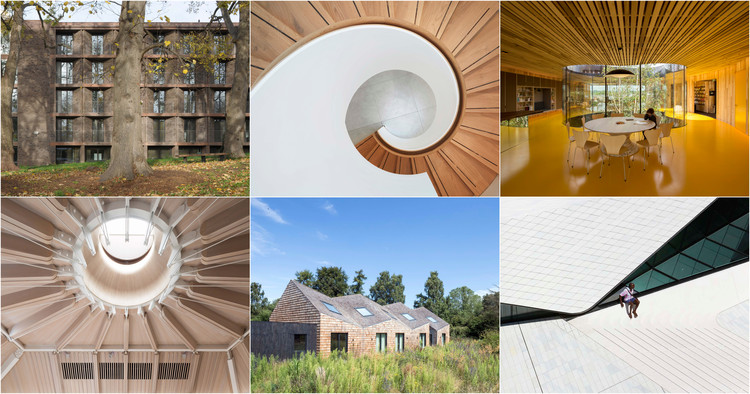
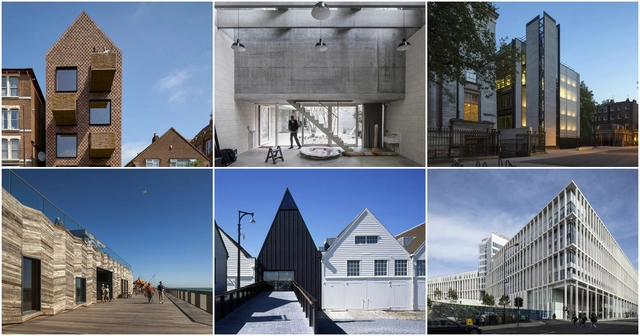
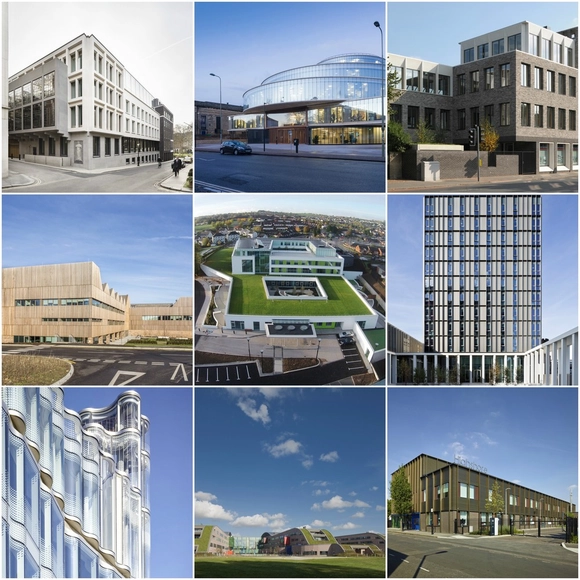
The Royal Institute of British Architects (RIBA) has announced the 49 winners of the 2018 RIBA National Awards. From skyline-altering buildings to sensitive small-scale sculptures, this year’s top projects showcase a wide-ranging selection of scales, featuring designs from Foster + Partners, Hawkins\Brown, Rogers Stirk Harbour + Partners, and Niall McLaughlin Architects.

RIBA Announces 2018 National Award Winners  - More Images+ 71

dRMM’s 2017 Stirling Prize Winner Hastings Pier Seeks New Owner After Charity Folds

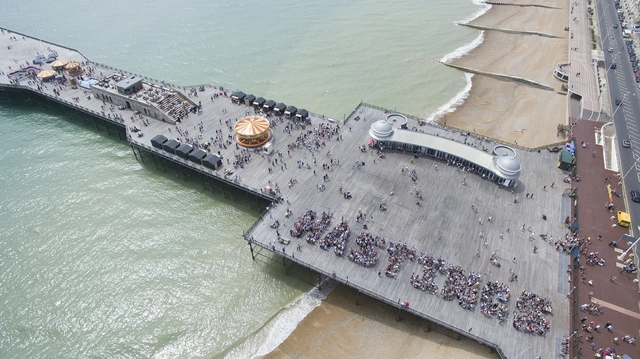
Just four months after winning the 2017 Stirling Prize, the UK’s top honor for architecture, dRMM’s Hastings Pier is now up for sale, as the charity that owned and operated the structure was declared insolvent for failing to reach self-funding status.

dRMM’s 2017 Stirling Prize Winner Hastings Pier Seeks New Owner After Charity Folds - More Images

dRMM's Hastings Pier Wins 2017 RIBA Stirling Prize

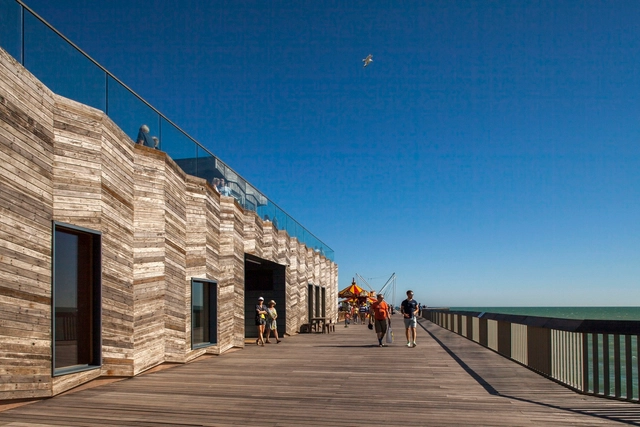
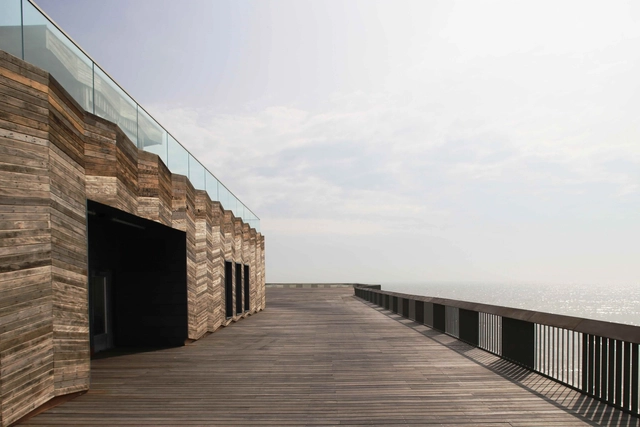
London-based architects dRMM have been announced as the winners of the 2017 RIBA Stirling Prize for their renovation of Hastings Pier, beating out a shortlist including projects by Rogers Stirk Harbour + Partners; Baynes and Mitchell Architects; Reiach & Hall Architects and Michael Laird Architects; Groupwork + Amin Taha; and 6a architects.

"Hastings Pier is a masterpiece in regeneration and inspiration. The architects and local community have transformed a neglected wreck into a stunning, flexible new pier to delight and inspire visitors and local people alike," said RIBA President and Stirling Prize jury chair Ben Derbyshire.

dRMM's Hastings Pier Wins 2017 RIBA Stirling Prize - More Images+ 7

Hastings Pier / dRMM

Hastings Pier  / dRMM - More Images+ 31

2017 Stirling Prize Shortlist Leaves Critics Divided and Underwhelmed

Subscriber Access | 

The 2017 winner of the UK’s most prestigious architecture award, the Stirling Prize, will be announced on October 31. Leading up to the main event, The Royal Institute of British Architects (RIBA) has released its list of the six shortlisted buildings, a collection that has left many critics scratching their heads. What the list left out seems to be as noteworthy as what was included, and while critics’ opinions on individual buildings differ, they seem mostly united in finding the overall list uninspiring and underwhelming. Read on to find out what they had to say.

2017 RIBA Stirling Prize Shortlist Announced for UK’s Best New Building

The Royal Institute of British Architects (RIBA) has announced the shortlist of six projects competing for the 2017 Stirling Prize, the UK’s most prestigious award for architecture, given to the building “that has made the biggest contribution to the evolution of architecture in a given year.” Selected from the list of national award winners, the finalist buildings range from an elegantly detailed photographer’s studio in west London, to an immense new campus for the City of Glasgow College.

“This year’s shortlisted schemes show exceptionally creative, beautifully considered and carefully detailed buildings that have made every single penny count,” said RIBA President Jane Duncan. “Commissioned at the end of the recession, they are an accolade to a creative profession at the top of its game. Each of these outstanding projects has transformed their local area and delights those who are lucky enough to visit, live, study or work in them.

“This year’s shortlist typifies everything that is special about UK architecture: this is not just a collection of exceptionally well designed buildings but spaces and places of pure beauty, surprise and delight.”

The winner of the Stirling Prize will be announced on October 31st.

Maggie’s Oldham / dRMM

Maggie’s Oldham / dRMM - More Images+ 34

  • Architects: dRMM
  • Area Area of this architecture project Area:  260
  • Year Completion year of this architecture project Year:  2017
  • Manufacturers Brands with products used in this architecture project
    Manufacturers:  Allgood, Aresi, Coexistence, IPIG, Mowat & Co

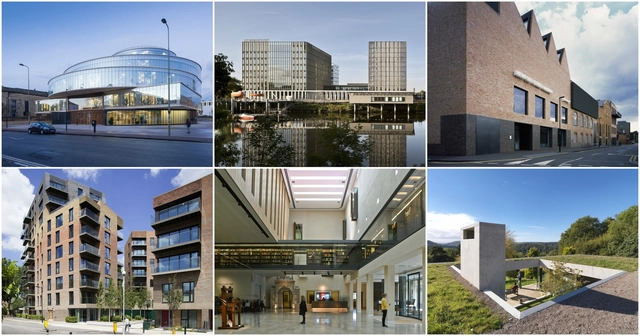
RIBA Announces 2016 Stirling Prize Shortlist

The Royal Institute of British Architects (RIBA) has announced six projects that will compete for the 2016 Stirling Prize, the award for the building that has made the greatest contribution to British architecture in the first year. Selected from the pool of regional winners around the country, the shortlisted buildings range from a small house in the south of England to a new college campus in Glasgow, Scotland. However, in a first for the Stirling Prize, the shortlist features two buildings coming from one client, Oxford University.

"Every one of the six buildings shortlisted today illustrates the huge benefit that well-designed buildings can bring to people’s lives," said RIBA President Jane Duncan. "With the dominance of university and further education buildings on the shortlist, it is clear that quality architecture’s main patrons this year are from the education sector. I commend these enlightened clients and supporters who have bestowed such remarkable education buildings."

The winner of the Stirling Prize will be announced on Thursday 6 October.

RIBA Announces 46 Winners for 2016 National Awards

The Royal Institute of British Architects (RIBA) has announced the winners of the 2016 RIBA National Awards. The shortlist for the RIBA Stirling Prize for the UK’s best building of the year will be drawn from these 46 award-winning buildings.

See All 36 Winners of the 2016 RIBA London Awards

From a shortlist of 68 buildings, 36 London projects have been awarded the 2016 RIBA London Awards for architectural excellence, the city's most prestigious design honor. The winners include a home for ravens, a Japanese-inspired London terrace home and a historical restoration. All of these designs will be further considered for the RIBA National Awards, to be announced in July. The winners of the national award will then create a shortlist for the RIBA Stirling Prize – the highest award for architecture in the UK.

Shortlist Announced for 2016 RIBA London Awards

A total of 68 buildings have been shortlisted for the 2016 RIBA London Awards, including projects from John McAslan + Partners, dRMM Architects, Níall McLaughlin Architects, Eric Parry Architects and Rogers Stirk Harbour. All shortlisted buildings will now be visited and carefully assessed by one of four regional juries, and regional winners will be considered for a RIBA National Award. The shortlist for the RIBA Stirling Prize - given to the UK's best building of this year - will be composed of the winners of the RIBA National Award.

See a complete list of shortlisted buildings after the break.

Tower of Love / dRMM

Tower of Love / dRMM - More Images+ 15