

-
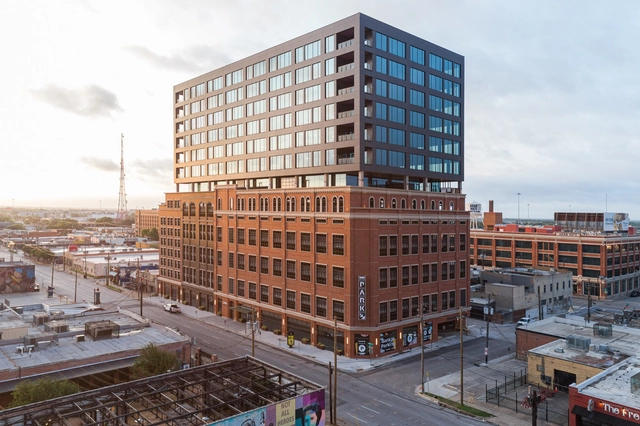
Architects: 5G Studio Collaborative
- Area: 207000 m²
- Year: 2021
-
Manufacturers: Precast Concrete
-
Professionals: Kimley - Horn, TBG Partners, ME Engineers, Thornton Tomasetti, Lang Lighting, +6


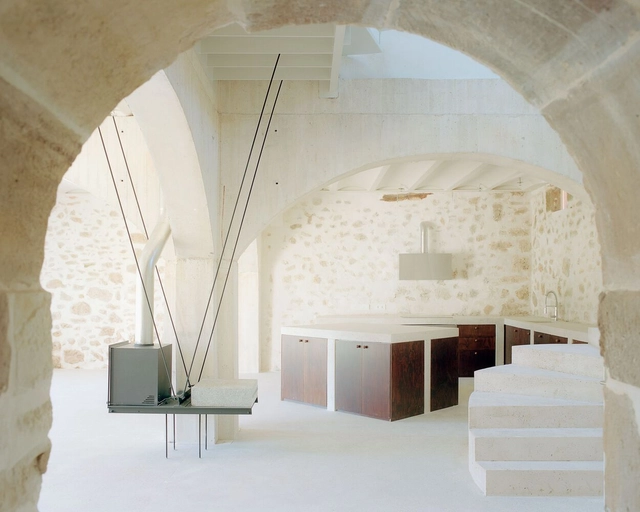
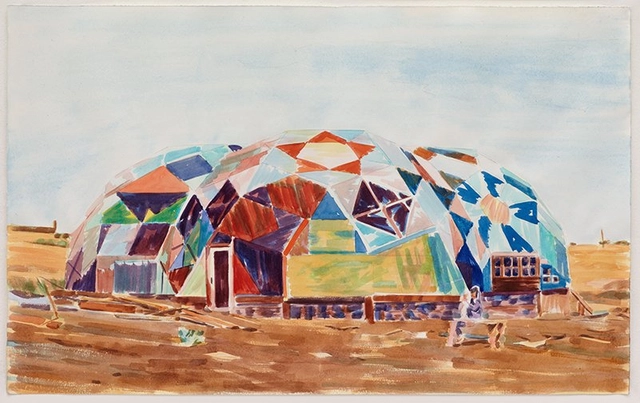
The Law of Polarity holds good in relation to human society and cultures as well - everything has an opposite. Countercultures have erupted as condemnations of “the ways of the world”. A countercultural movement expresses the ethos and aspirations of a population during a specific time. As new lifestyles are explored, supporting architecture evolves to satiate the utopian ideals of new societies. Architecture is a product of the culture it is designed for.


Sustainability is much more than simply deciding for or against a specific product. It is a concept that must be integrated into the way we build and design architecture, as well as the intelligent use of existing buildings and their potential renovations. From a sustainability perspective, demolishing an old building is just as unsustainable as building a new one. Both use large amounts of embodied energy that can be avoided when all planning parties consider new ways of working and collaborate more closely.
In this sense, the efficient use of raw materials and the reduction of waste for reuse is essential. Polycarbonate in façades, for example, has a life cycle of at least 20 years on average and can be recycled and reused in many ways, thus doubling its useful life until it can no longer be usefully recycled.
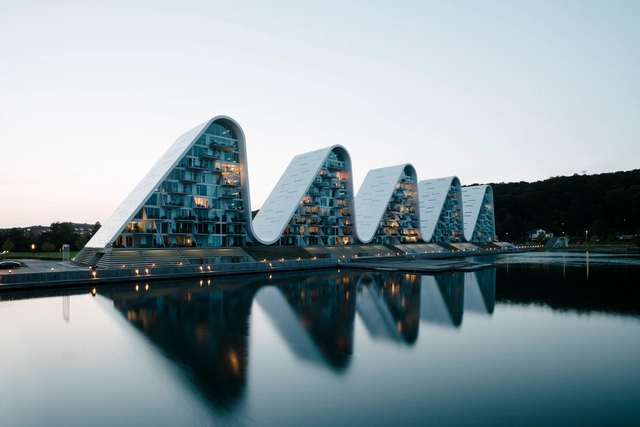
The Danish Architecture Center (DAC) has announced that the first permanent exhibition on Danish Architecture will open on March 24, 2023, in Copenhagen. The exhibition titled “So Danish!” tells the story of the evolution of architecture in the country, starting from the Viking Age and continuing to the present day. By presenting this history, it aims to help visitors understand the role and influence of architecture in the Danish democratic society.
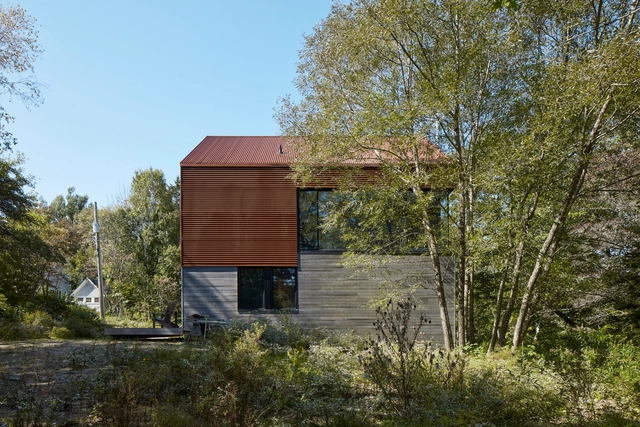
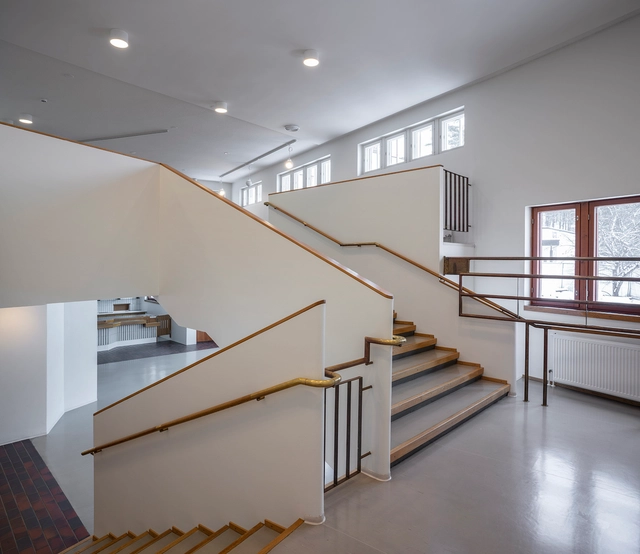
The new Aalto2 Museum, designed by A-Konsultit Architects, will showcase the cultural legacy of the architecture and design of renowned architect Alvar Aalto. The Museum will open to the public on 27 May 2023, fulfilling the architect's desire to establish a venue for the fusion of various mediums and art forms at the Ruusupuisto park in Jyväskylä, in Central Finland.
The Alto2 Museum Centre comprises three buildings: the renovated Alvar Aalto Museum, the Museum of Central Finland, and the new addition of the Aalto2 center which will join them this year. The original Alvar Aalto Museum will open its doors after having undergone structural repairs, and changes in facilities to serve the new Aalto2 concept. The Aalto2 design connects both museums and is based on an international competition held in 2015, which attracted nearly 700 entries worldwide, demonstrating the international appeal of Aalto’s architectural style.

The ramp is one of the architectural elements that, besides facilitating movement between different heights and floors, provide greater accessibility to spaces. In Brazil, a series of decrees and regulations seek to ensure citizenship rights and promote equality and social inclusion of people with disabilities, which permeates issues related to their mobility and freedom to come and go. Architecture plays a key role in this inclusion, by devising strategies to ensure that these people can transit, participate and interact in any environment, whether public or private.
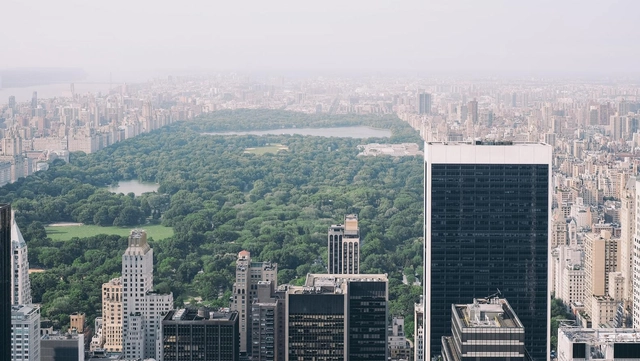
Infrastructure is widely known by the population in general, defined simply as a set of fundamental services for the socio-economic development of a region, such as sanitation, transportation, energy, and telecommunication. The commonly presented examples always refer to man-made physical structures. However, a new concept of infrastructure has emerged in recent decades, driven primarily by the urgent need for reconciliation between humans and nature for the survival of species.
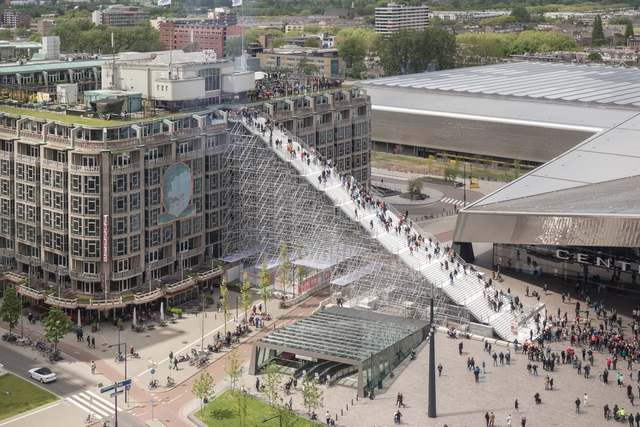
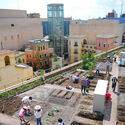
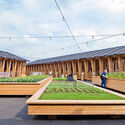
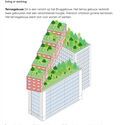
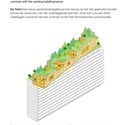
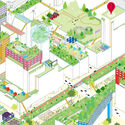
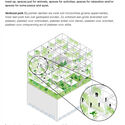
Highlighting an untapped spatial resource, MVRDV's Rooftop Catalogue, in collaboration with Rotterdam Rooftop Days, is now available online for free. Commissioned by the City of Rotterdam, the Rooftop Catalogue presents 130 innovative ideas to make use of Rotterdam's empty flat roofs, showcasing a potential new phase in the city's development and illustrating how reprogramming rooftops can help with issues such as land scarcity and climate change while also addressing the practical side of repurposing these spaces in terms of construction options and suitable sites.
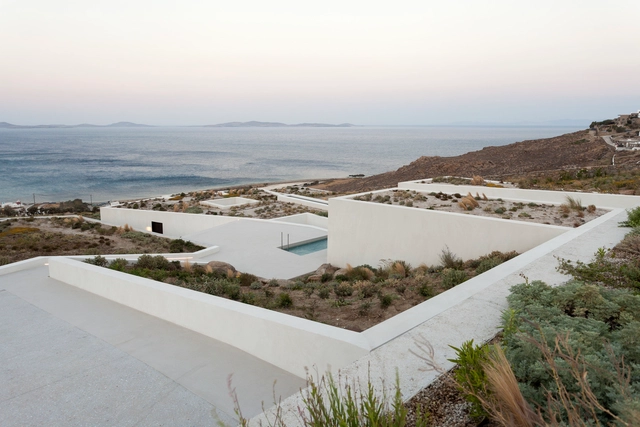
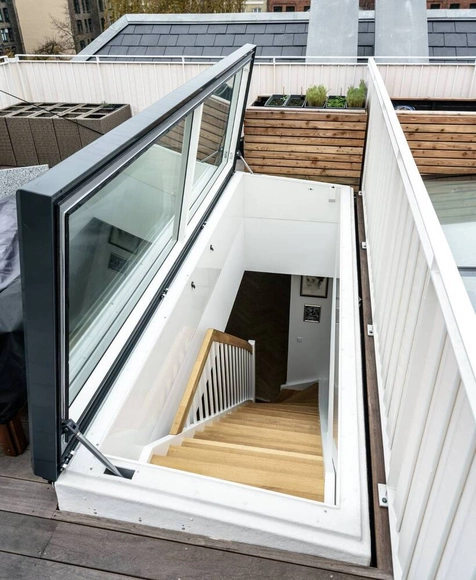
Beyond light as a physical phenomenon perceptible by the human eye, daylight is an inexhaustible architectural resource that is sometimes taken for granted. Just like the air we breathe, we are all aware of the existence of light, but rarely do we seek to do anything else with it. It is essential to recognize its presence as an enabler of experiences in space, due to its intrinsic relationship with architecture and human beings.
The incidence of light in architecture directly influences the way we perceive the passage of time. Since ancient times, constructions such as ziggurats have integrated strategies to capture the changing daylight through their roofs, evolving and remaining present in modern constructions such as the Villa Savoye. More recently, the flatness of roofs in contemporary buildings has been a great resource for incorporating architectural elements that also allow them to be inhabited, such as roof access hatches, which serve as a link between natural light and roof terraces.
Below, we review some of the latest technologies in skylights and access hatches, such as those developed by LAMILUX.