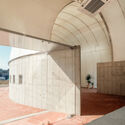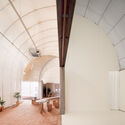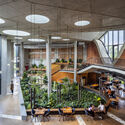
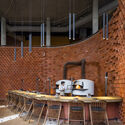
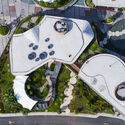

-
Architects: Takashi Niwa Architects
- Area: 1226 m²
- Year: 2022


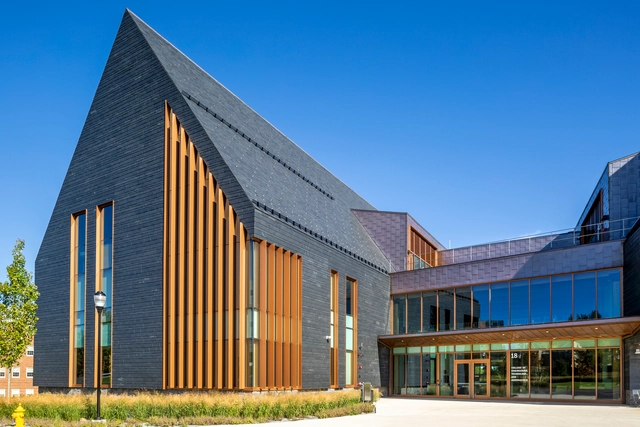
When designing architectural projects, protecting a building’s walls is key for ensuring its longevity, durability, and resistance to the elements, therefore preserving its aesthetic appeal. Among the protective measures available, cladding systems are exterior coverings that integrate varying textures, colors and finishes, allowing for customization and creative expression, while also providing weather resistance and thermal performance.
Exploring materials beyond traditional masonry cladding or commercial curtain wall systems, Cupa Pizarras has developed natural slate rainscreen facades. From linear to honeycomb patterns, these geometric facade layouts meet the requirements of current architectural trends, which demand more sustainable and energy-efficient buildings. The combination of high-durability tectonic slate with innovative fastening techniques, as well as the efficiency of rainscreen cladding, makes CUPACLAD a sustainable and aesthetically pleasing alternative for enhancing the LEED certification of projects.
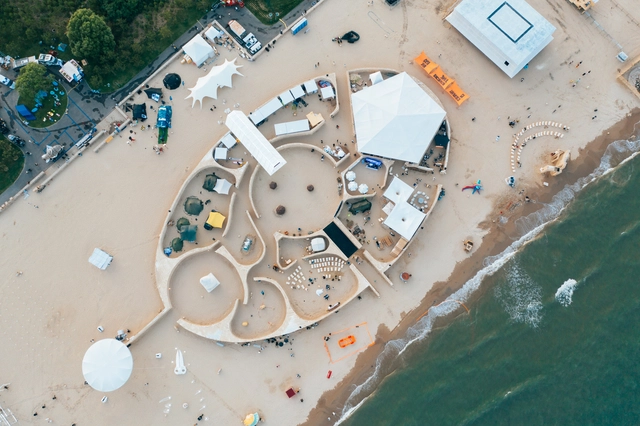
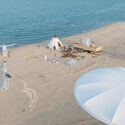
Ma Yansong revealed The City of Time, a performance space and the location of a 300-hour artist residency created for the Aranya Theater Festival in China. Following the metaphor of avian migration, the Migratory Birds 300 is an artist residency program that brings together 300 creators from diverse fields and backgrounds. From June 12 to June 25, Ma Yansong’s architectural intervention will host a wide array of artistic expressions, including shows, installations, sculptures, performance art, paintings, and videos, including 131 group works and 194 individual projects.
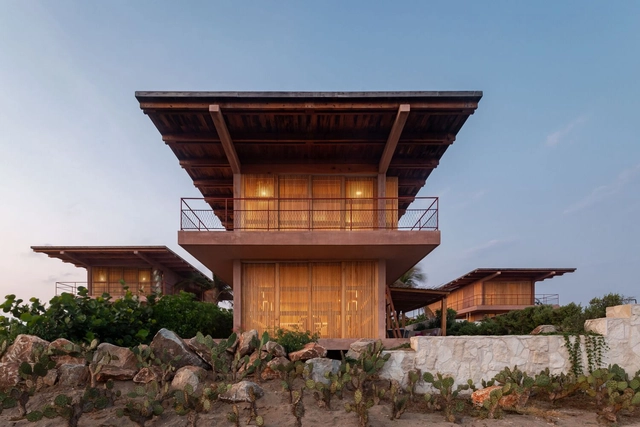
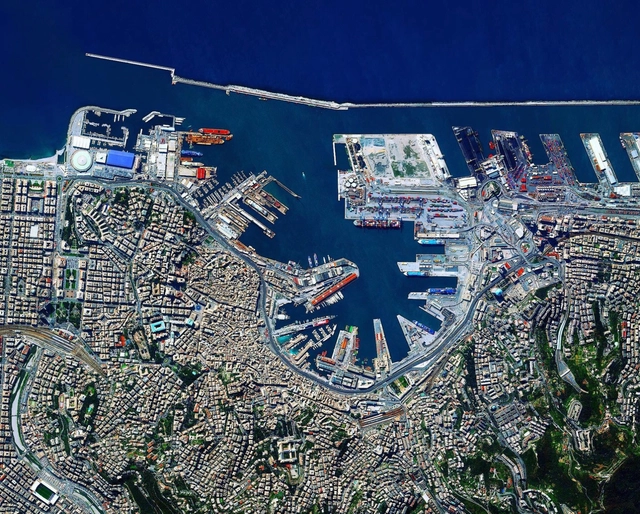
The installation of commercial ports in various locations around the world, especially at the beginning of what we now call globalization, was a preponderant and structuring factor for the foundation of numerous cities. Thus, discussing the relationship between certain cities and their ports is also discussing their history, formation, and development over time, as these areas played a fundamental role in the growth of trade, the economy, and inevitably urban life, making these cities vital and strategic centers of cultural, commercial, and social exchange.
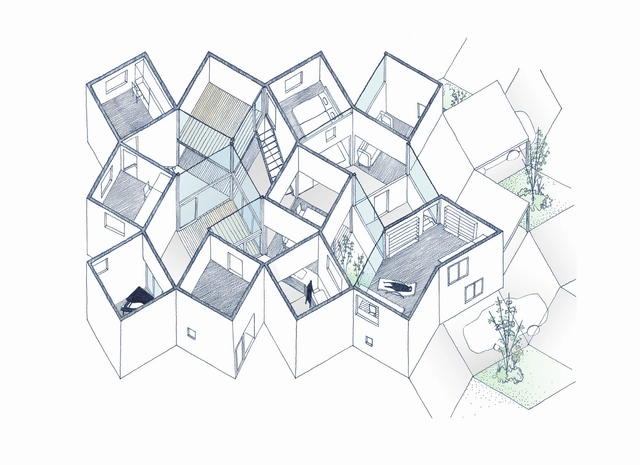
In architecture, drawing is a technical and artistic expression that involves creating visual representations using various analog instruments. While drawing remains relevant and current in practice today, efforts have been made to carry out architectural tasks and studies more efficiently. The drafting machine, a significant development in this regard, enabled precise strokes using fewer instruments. However, the emergence of computational tools, such as computer-aided drafting (CAD), has revolutionized the workflow by leveraging the advantages offered by computers. Architects can now play a more direct and creative role in the design process, reducing their reliance on time-consuming drawing and repetitive tasks. Moreover, workflow enhancements have fostered more effective collaboration among different stakeholders in the architectural process.


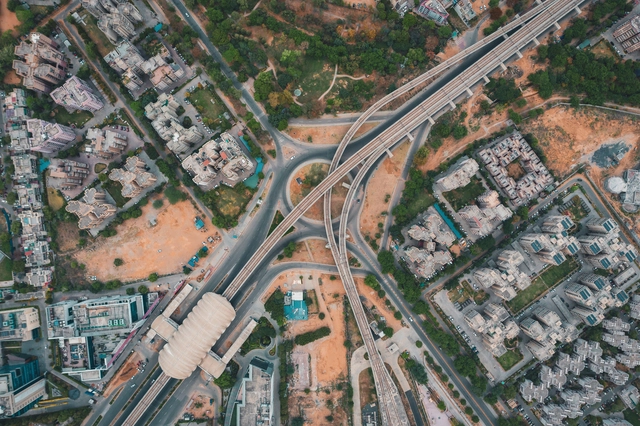
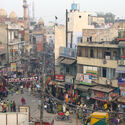
India has witnessed a surge in urbanization and population growth. As a result of natural population growth and migration, the megacities of India have experienced a continual increase in their residents. Standing as the most populous country in the world, India is at a critical junction, grappling with opportunities and challenges in molding its built environment. Population boom, however, is not a recent predicament but a persistent one that has spanned over a century. How have Indian cities dealt with population growth and the complexities it brings?