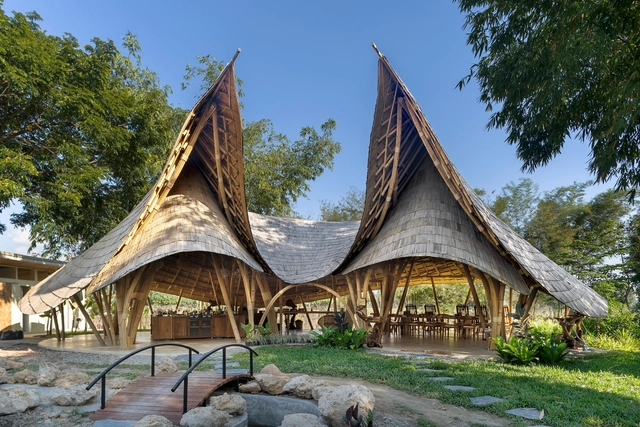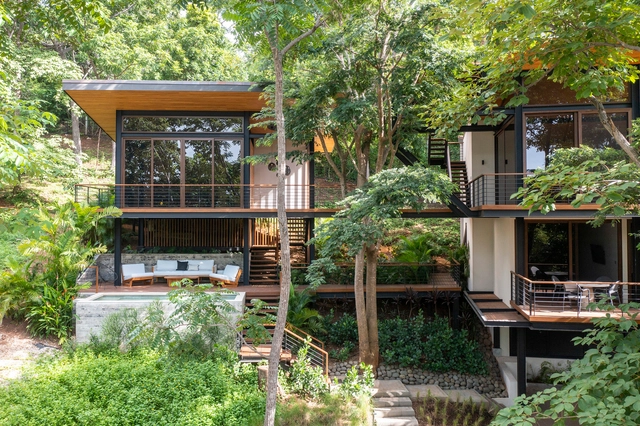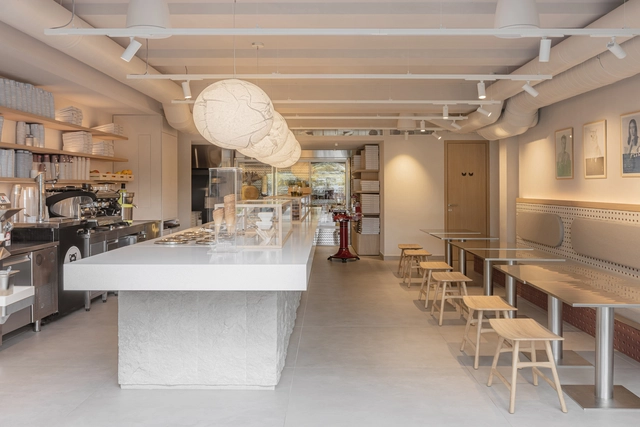


-
Architects: SU Architects
- Area: 920 m²
- Year: 2022
-
Professionals: Luanlu Structural Design Studio, SU ARCHITECTS


Architecture is about giving form to the places where people live. It is no easier, and no more complicated, than that. There are three key words here: "form," "place," and "life." As soon as one reflects on these terms, one immediately comprehends that these things are not all that easy. - Alejandro Aravena
With this phrase in the foreword to ArchDaily's Guide to Architecture, Alejandro Aravena reflects on the underlying complexity of architecture. Something that is essential to our life, but that with the ever growing complexities of our world, becomes a challenging task.
That is why for the 4th consecutive year we embark on a global survey, evaluating the work, ethos and mission behind innovative practices from all over the world. They represent the diversity that is reshaping our field, working across the spectrum between the essence of architecture and its blurry boundaries, ranging from studios to activists, startups and other forms of production, research, and thinking.
These 20 practices, half led by women or as a mix, coming from Europe, South America, North America, Asia and the Middle East, represent the diversity among those who are setting an example of the direction architecture should be heading. At the center of their mission there is a clear forward looking agenda that shapes their work, that reveal a practical consciousness towards the challenges of our world.
Meet ArchDaily's 2024 Best New Practices:
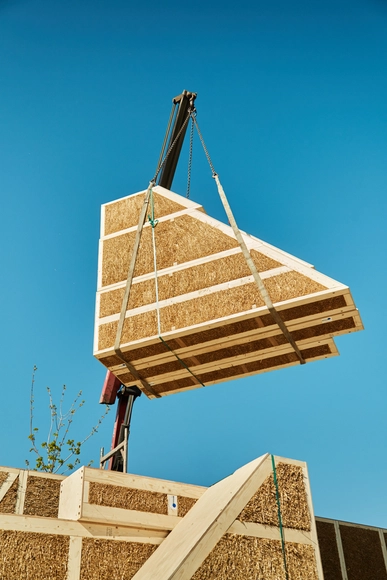
For a long time, the construction industry has followed a linear process - extract raw materials, build structures, demolish them, and then dispose of the garbage in landfills. This approach has serious negative effects on the environment and society and is inherently unsustainable. Reconsidering traditional methods and workflows requires support from all stakeholders and a sense of urgency proclaimed by authorities. In the United States, city organizations have begun to implement new policies to keep construction waste out of landfills and support circular practices. Several cities like Seattle and Pittsburgh, have started implementing deconstruction ordinances that require older buildings to be carefully deconstructed rather than demolished. How might their key provisions influence circular practices in the country?
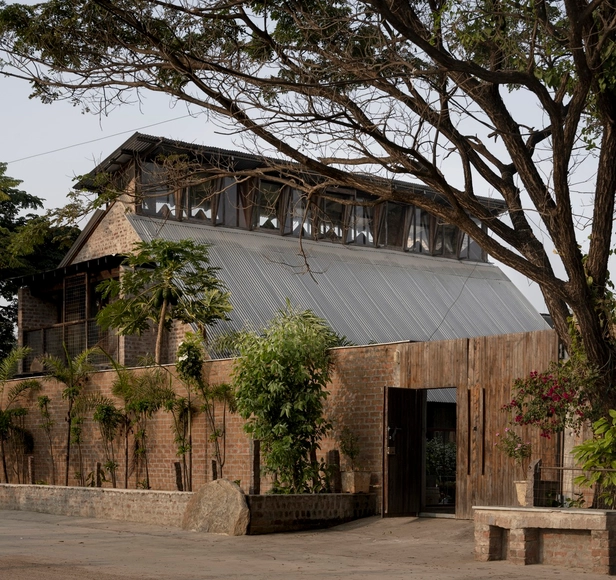

The Sustainable Hub in Seville emerged as an innovative concept through an open idea passive Sustainable Design Competition, launched in October 2023 with submissions received by February 2024. Spearheaded by Dar[e]-Europe, a renowned research firm based in Seville, Spain, the competition aimed to foster sustainable design solutions while promoting comfort for users with minimal reliance on non-renewable energy sources and environmental impact.
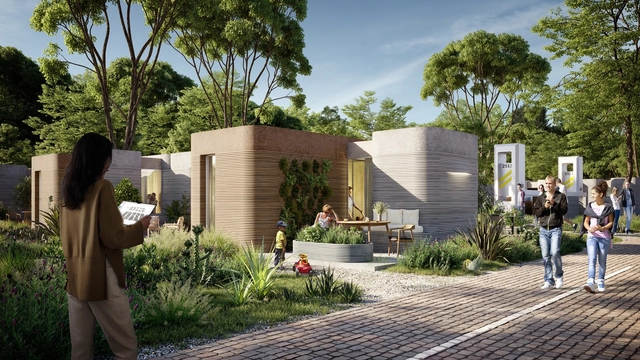
German-based architecture and design studio Beta Realities has developed the “Collective Parts” initiative, a design and technology platform for enabling the construction of affordable 3D printed housing. The project has been recognized as one of the winners of Inititative99 by ICON, a global architecture competition aimed at reimagining affordable housing that can be built for under $99,000. The other winners of the open category are MTspace Studio from New Zealand and For Everyday Life from the United Kingdom. The competition also highlights contributions from students as a separate category, featuring Casa Fami by IAAC from Spain, Juan Felipe Molano from Colombia, and Victoria Roznowski from Germany.
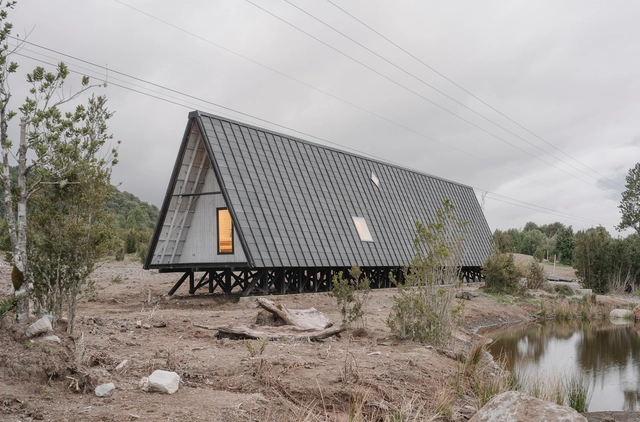
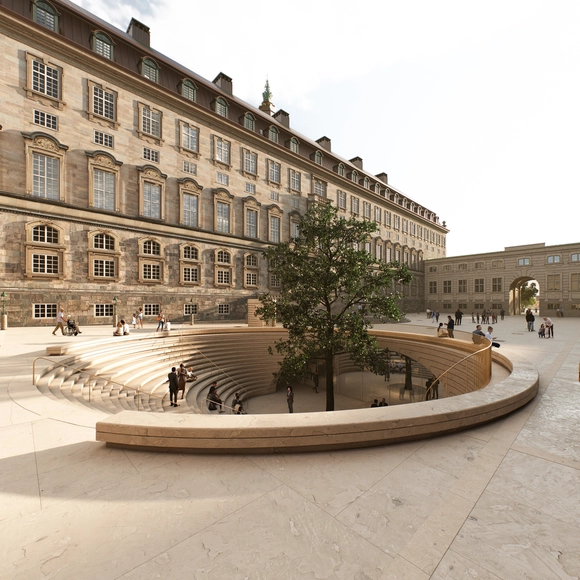
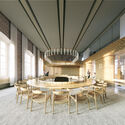
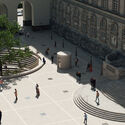
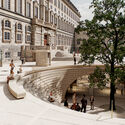
Cobe Architects has just unveiled its winning design for the future Danish Parliament in Copenhagen. Aiming to revitalize Denmark’s historic administrative center, the studio envisioned an inviting, accessible space, “where everyone can experience democracy up close.” The design features an underground visitor center, leading to facilities within the Parliament Courtyard, and an interconnected pathway uniting historic buildings formerly used by the Danish National Archive.
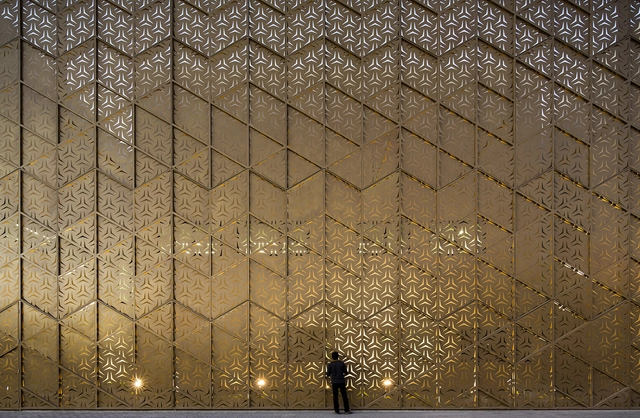
For centuries, arid environments have solved the problem of light, privacy, and heat through a statement architectural feature of Islamic and Arab architecture, the mashrabiya. Crafted from geometric patterns traditionally made from short lengths of turned wood, the mashrabiya features lattice-like patterns that form large areas. Traditionally, it was used to catch wind and offer passive cooling in the dry Middle Eastern desert heat. Frequently used on the side street of a built structure, water jars, and basins were placed inside it to activate evaporative cooling. The cool air from the street would pass through the wooden screen, providing air movement for the occupants.
Similar to the Indian jali, the vernacular language also offers a playful experience with daylight while still maintaining a certain degree of privacy. Traced back to Ottoman origins, the perforated screens protected occupants’ from the sun while simultaneously letting daylight through in calculated doses. Although the mashrabiya was a statement in arab and Islamic architecture languages, it wasn’t until 1987 that the archetypal element began appearing with a revised contemporary application.
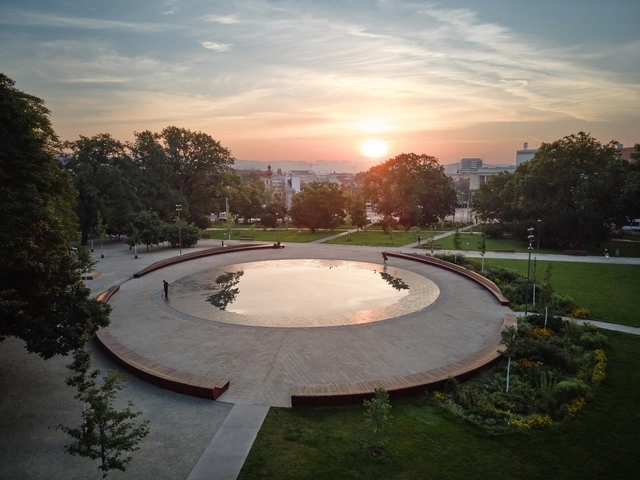
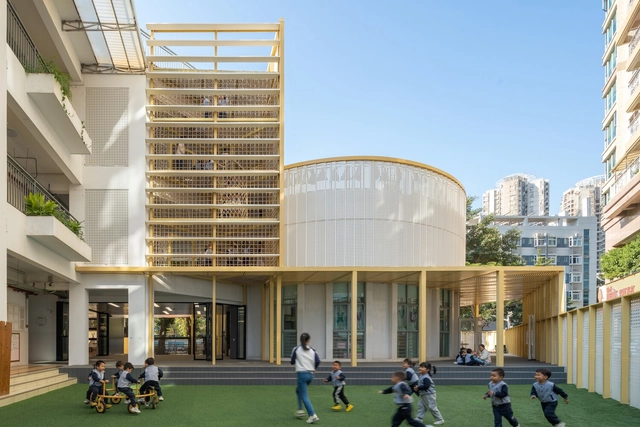
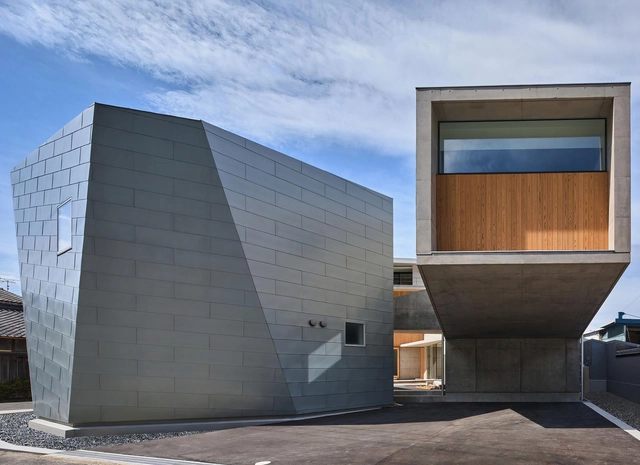
In nature, zinc is mainly found as zinc sulphide ore or zinc carbonate, which is mined to obtain the metal. Once refined, it is used in a variety of applications, including metal alloys, battery manufacturing, medicines and supplements, as well as in the fabrication of pigments, chemical compounds and coatings. In the latter, which is used in architectural applications, zinc is well known for its weather resistance and self-healing properties and is highly durable, with a lifespan of up to 100 years, requiring minimal maintenance. In addition, because it is 100% recyclable and has a low environmental impact during its production, zinc is a sustainable choice for construction projects.