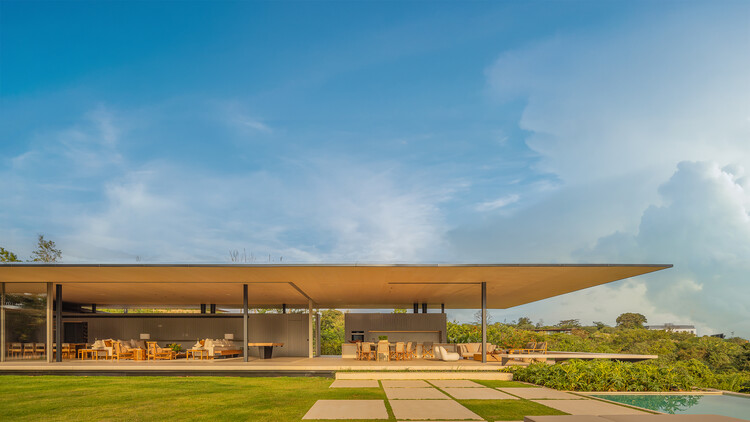



-
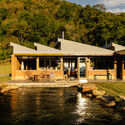
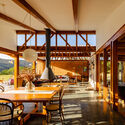
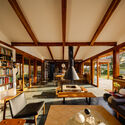
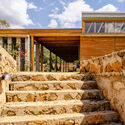
Architects: PAVA architects
- Area: 1200 m²
- Year: 2025


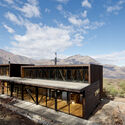
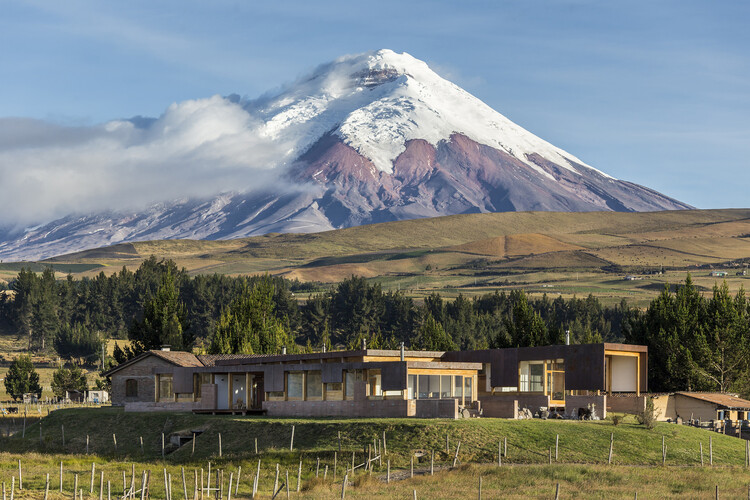
The Andes are often understood as a continuous mountain range, yet they encompass a wide range of climates and ecosystems. In Ecuador, Peru, Bolivia, Colombia, and Chile, páramos, dry highlands, temperate valleys, and snow-covered landscapes can exist within relatively short distances of one another. As elevation changes, so do temperature, solar radiation, humidity, wind, vegetation, and topography, producing environments that require different ways of building.
Unlike many mountain regions where cold is the defining environmental condition, high-altitude environments in the Andes combine several climatic conditions at once. As elevation increases, solar radiation becomes more intense. Some regions remain humid throughout the year, while others experience prolonged dry seasons. In many places, steep terrain, snow, and changing weather patterns become additional factors that influence how buildings are designed.


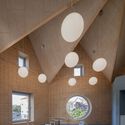
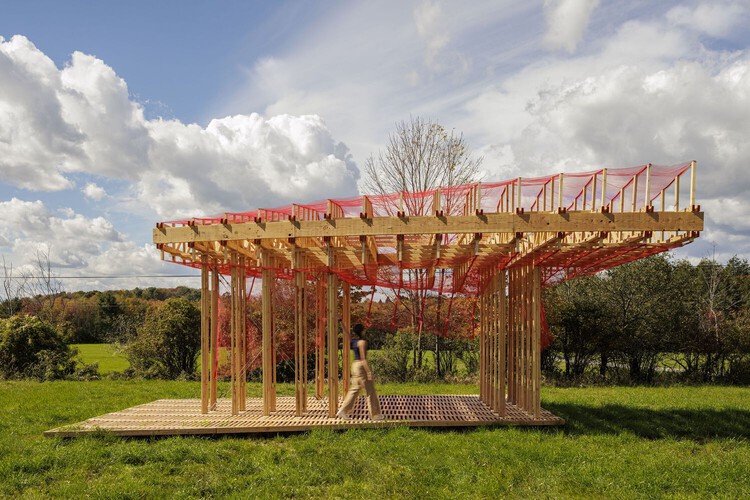
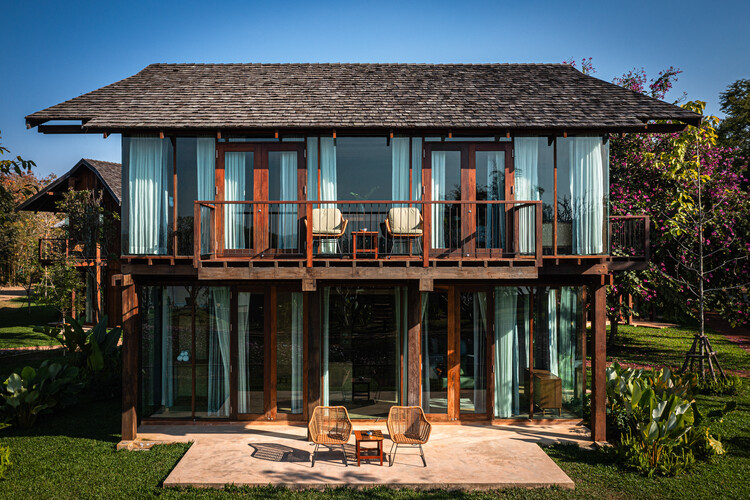
Wood is among architecture's oldest and most familiar materials, yet its contemporary use raises complex questions about environmental impact, resource availability, material provenance, and circularity in relation to local economies. At the same time, advances in computational design, CNC machining, and robotic fabrication are also reshaping how timber is designed and assembled, opening new possibilities for structural innovation and formal expression while redefining the balance between automation, labor, and efficiency.


Architecture project information does not live only in CAD or BIM software. Design briefs, drawing PDFs, contracts, quotations, site reports, approval files, and project specifications are often the documents that teams open, revise, send, and confirm every day.
When these files are scattered across emails, chat tools, scanned copies, and different devices, version mistakes, approval delays, and missing information can easily happen. For architects and small studios, this not only slows down communication. It can also affect project accuracy, client trust, and delivery timelines.