-
Interior Designers: FBM Architecture | Interior Design | Planning
- Area: 2535 m²
- Year: 2023




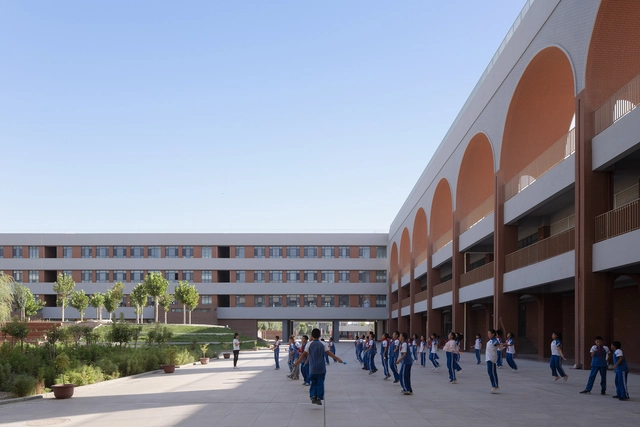
Thermal mass is the ability of a material to absorb, store, and release heat. Used to moderate building temperatures by reducing fluctuations, the concept is crucial in improving energy efficiency. Materials with relatively high thermal mass, such as stone, concrete, rammed earth, and brick, can absorb significant heat during the day and release it slowly when temperatures drop at night, reducing the need for heating and cooling systems. Properties like heat capacity, thermal conductivity, and density are all considered when assessing the thermal mass property of a material.

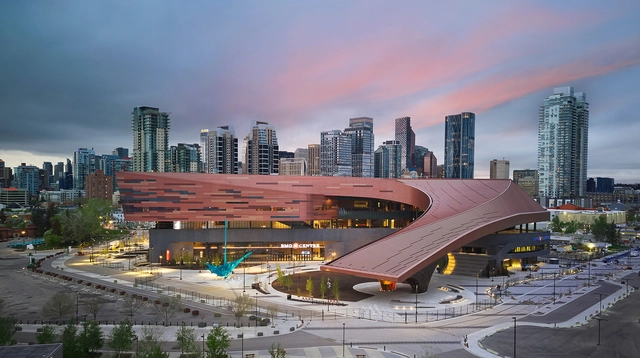

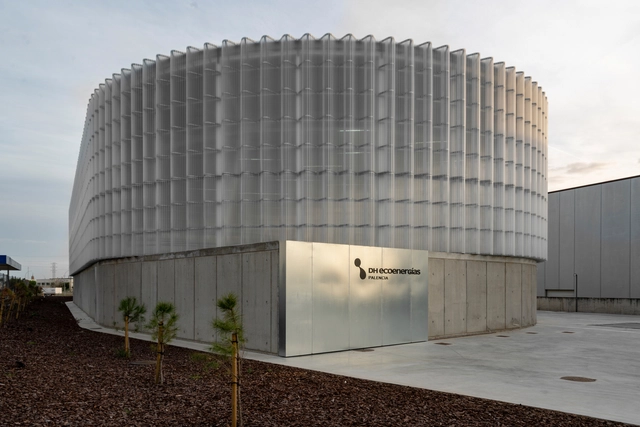
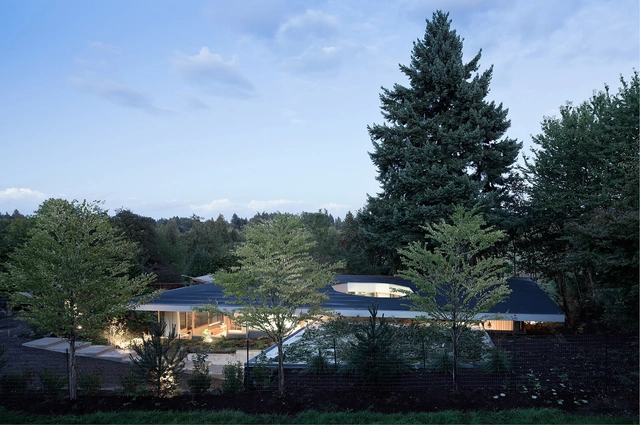
A holistic approach to design and architecture becomes apparent when we delve into the work of NO ARCHITECTURE, an architectural practice based in New York, founded by Andrew Heid in 2014. The firm's portfolio and research showcase an integrative way of building, with projects demonstrating a close connection between the built environment and their immediate surroundings, whether in natural landscapes or urban contexts. Their programs emphasize flexibility, possibilities, and inclusion, prioritizing human well-being above all.

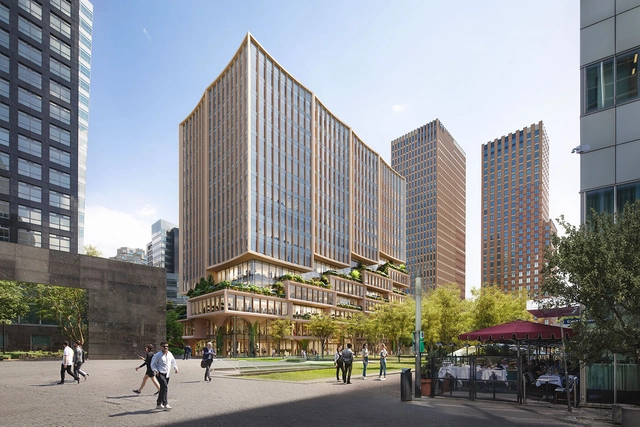
3XN GXN has revealed its design for Mahler 1, a 15-storey mixed-use office building. The structure, developed in collaboration with Victory Group, Icon Real Estate, and Erik Dhont Landscape Architects, features a hybrid-timber construction system that creates a stepped volume, breaking down the building’s mass. At the street level, the development offers a wide variety of public amenities, striving to become an active hub for both residents and office workers. The project is expected to begin construction in the first half of 2025 and conclude in late 2027.

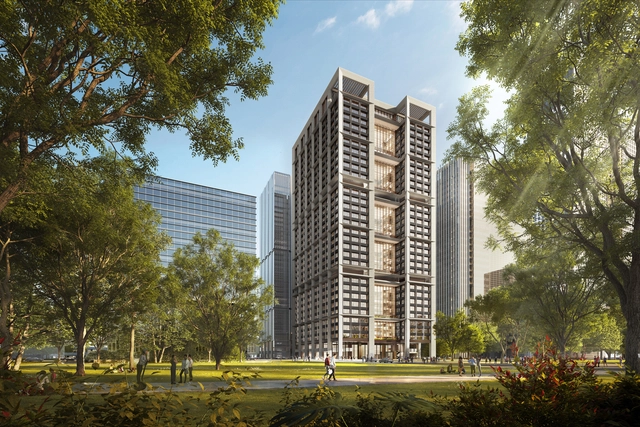
Located in the heart of Beijing’s Central Business District, the Z6 tower, designed by Foster + Partners, has become China's first high-rise office building to achieve “Net Zero Carbon Outstanding” certification. The project received this recognition by passing the “Net Zero Carbon Building Evaluation System,” which was developed by the British Research Establishment (BRE) and TÜV Rheinland Greater China, based on BREEAM standards.
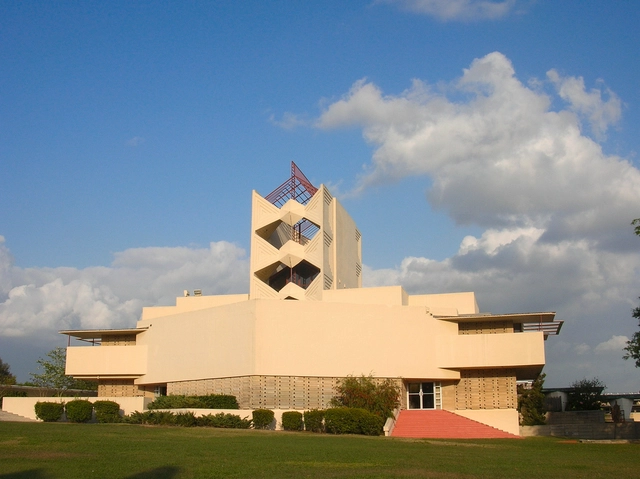
This article was originally published on Common Edge.
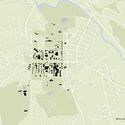
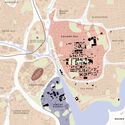
In London, where I live, there are 23 universities. Those universities make up an institutional population of nearly half a million people. In a city with almost 10 million residents, 5% may seem a small number, but it’s a significant one, roughly the population of Atlanta. Shrink the city, and the proportion can increase dramatically. In our neighbouring cities of Oxford (population 150,000), 40% of the population is institutional; in Cambridge (population 125,000), it’s 33%. Campus and city are so intertwined in those places that a plan for one is almost necessarily a plan for the other.