The Alchemy of Mass: Peter Zumthor and the Perception of Lightness

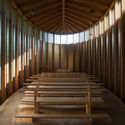
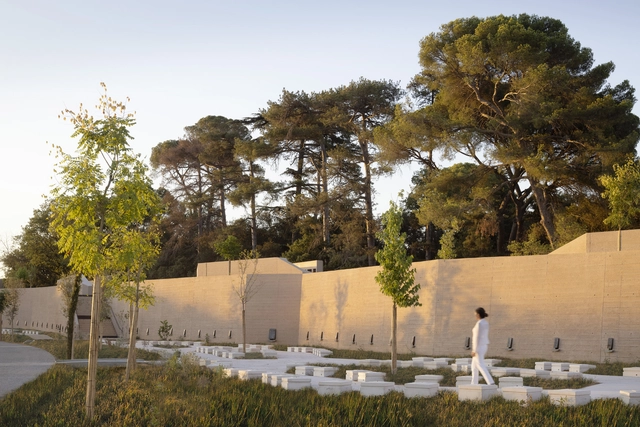
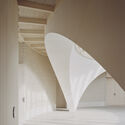
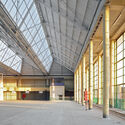
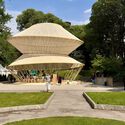
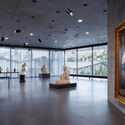
Architecture begins as an encounter with gravity. It is the ancient act of placing weight upon the earth, of persuading matter to stand, hold, and shelter. Within this fundamental condition of heaviness, however, lies a quieter possibility: density itself can generate a sense of lightness—a perceptual condition in which the body, fully convinced of matter's weight, begins to experience space as suspension.

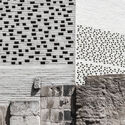
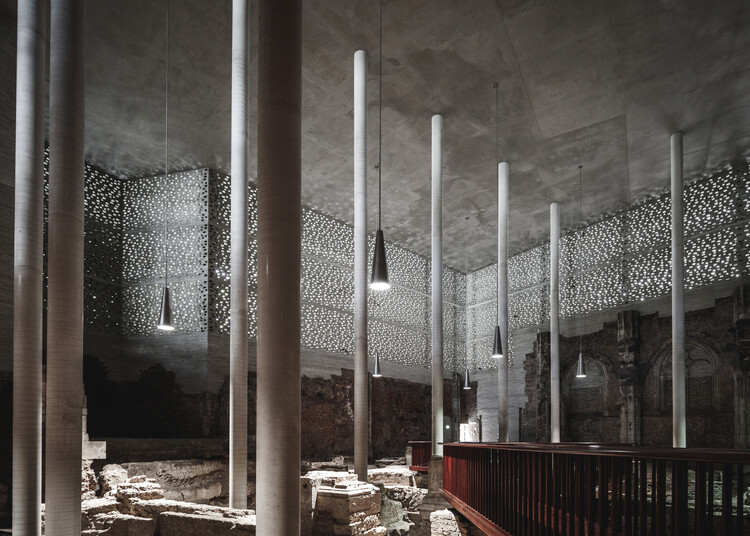
Much of contemporary architecture has pursued lightness through reduction: thinner structures, smoother surfaces, increasingly seamless transitions between interior and exterior. Here, lightness is equated with disappearance, as if gravity could be overcome by withdrawing material presence. Yet there exists another register in which lightness is not the result of absence, but of intensification. It emerges when material presence becomes so precise, so fully asserted, that it begins to alter perception itself—when mass remains heavy, but no longer behaves as simply inert.
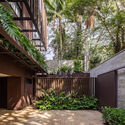
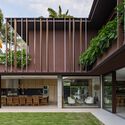
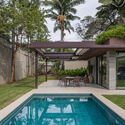
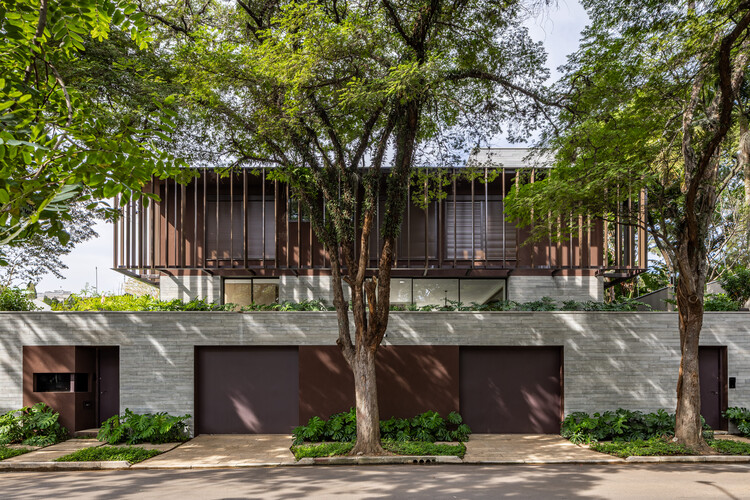
The Alchemy of Mass: Peter Zumthor and the Perception of Lightness - Image 1 of 4The Alchemy of Mass: Peter Zumthor and the Perception of Lightness - Image 13 of 4The Alchemy of Mass: Peter Zumthor and the Perception of Lightness - Image 3 of 4The Alchemy of Mass: Peter Zumthor and the Perception of Lightness - Image 17 of 4The Alchemy of Mass: Peter Zumthor and the Perception of Lightness - More Images+ 16

JCD Residence / Ximenes Leite Arquitetura

JCD Residence / Ximenes Leite Arquitetura - Exterior Photography, Houses, Courtyard, BalconyJCD Residence / Ximenes Leite Arquitetura - HousesJCD Residence / Ximenes Leite Arquitetura - HousesJCD Residence / Ximenes Leite Arquitetura - HousesJCD Residence / Ximenes Leite Arquitetura - More Images+ 23

AFER Hangang / Hyunjoon Yoo + Partners

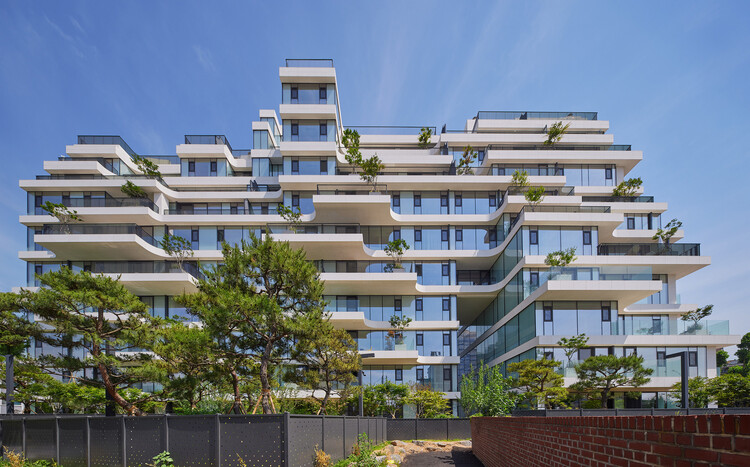
AFER Hangang / Hyunjoon Yoo + Partners - ApartmentsAFER Hangang / Hyunjoon Yoo + Partners - Interior Photography, Apartments, BalconyAFER Hangang / Hyunjoon Yoo + Partners - ApartmentsAFER Hangang / Hyunjoon Yoo + Partners - ApartmentsAFER Hangang / Hyunjoon Yoo + Partners - More Images+ 21

Woowa Brothers Office / unseenbird

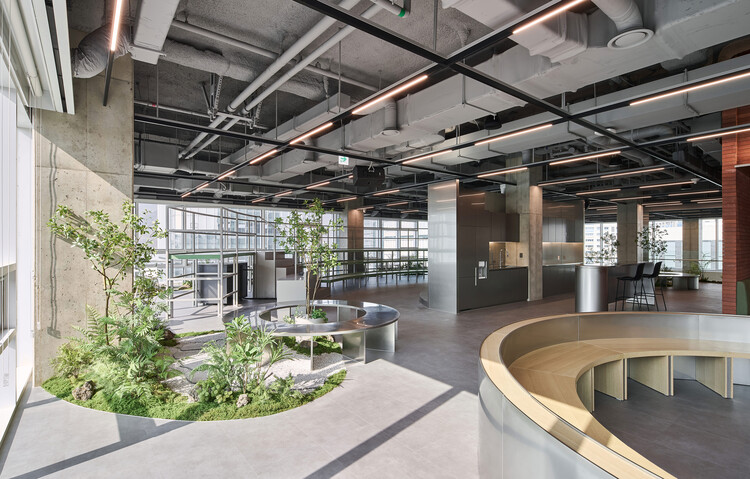
Woowa Brothers Office / unseenbird - Interior Photography, Offices Interiors, Stairs, LightingWoowa Brothers Office / unseenbird - Offices InteriorsWoowa Brothers Office / unseenbird - Interior Photography, Offices Interiors, Lighting, ChairWoowa Brothers Office / unseenbird - Offices InteriorsWoowa Brothers Office / unseenbird - More Images+ 31

  • Architects: unseenbird
  • Area Area of this architecture project Area:  5965
  • Year Completion year of this architecture project Year:  2026

THE THIRD PLACE Mt.Fuji / Kubo Tsushima Architects

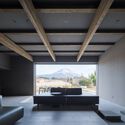
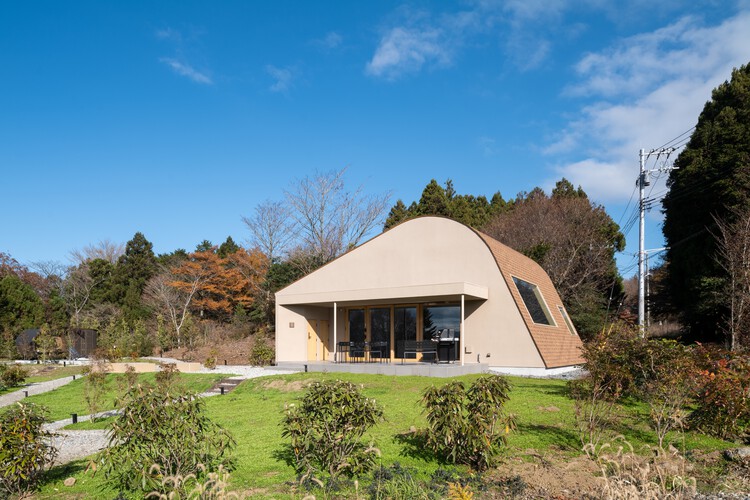
THE THIRD PLACE  Mt.Fuji / Kubo Tsushima Architects - Interior Photography, Cabins & LodgesTHE THIRD PLACE  Mt.Fuji / Kubo Tsushima Architects - Cabins & LodgesTHE THIRD PLACE  Mt.Fuji / Kubo Tsushima Architects - Interior Photography, Cabins & LodgesTHE THIRD PLACE  Mt.Fuji / Kubo Tsushima Architects - Exterior Photography, Cabins & LodgesTHE THIRD PLACE  Mt.Fuji / Kubo Tsushima Architects - More Images+ 30

Fujikawaguchiko, Japan

Vihara House / Di Frenna Arquitectos

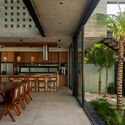
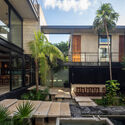
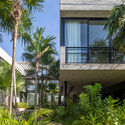
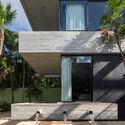
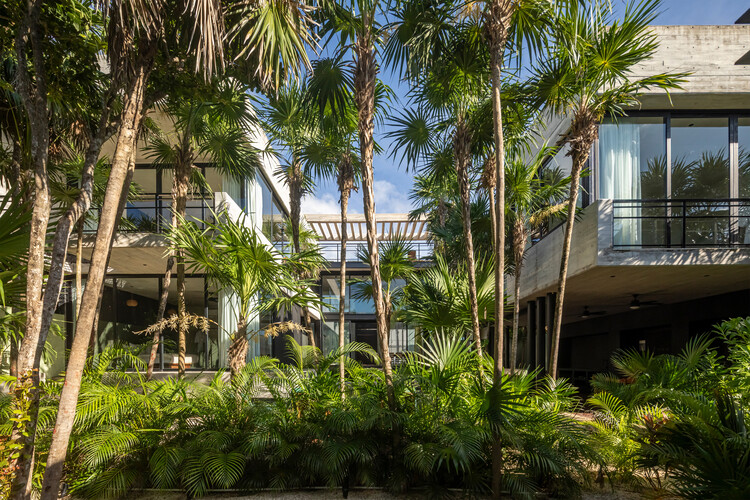
Vihara House / Di Frenna Arquitectos - Interior Photography, Houses, Kitchen, Beam, Chair, CountertopVihara House / Di Frenna Arquitectos - Exterior Photography, Houses, Courtyard, Balcony, ChairVihara House / Di Frenna Arquitectos - Exterior Photography, Houses, BalconyVihara House / Di Frenna Arquitectos - Exterior Photography, HousesVihara House / Di Frenna Arquitectos - More Images+ 26

Tankah Pueblo, Mexico
  • Area Area of this architecture project Area:  634
  • Year Completion year of this architecture project Year:  2025

Montpellier Metropolitan Cemetery / Agence Traverses - Paysage, Urbanisme, Architecture

Montpellier Metropolitan Cemetery / Agence Traverses - Paysage, Urbanisme, Architecture - Exterior Photography,         Cemetery, FacadeMontpellier Metropolitan Cemetery / Agence Traverses - Paysage, Urbanisme, Architecture - Exterior Photography,         Cemetery, FacadeMontpellier Metropolitan Cemetery / Agence Traverses - Paysage, Urbanisme, Architecture - Exterior Photography,         Cemetery, StairsMontpellier Metropolitan Cemetery / Agence Traverses - Paysage, Urbanisme, Architecture - Exterior Photography,         Cemetery, FacadeMontpellier Metropolitan Cemetery / Agence Traverses - Paysage, Urbanisme, Architecture - More Images+ 40

Kiellandsstien Residence / Hoem + Folstad Arkitekter

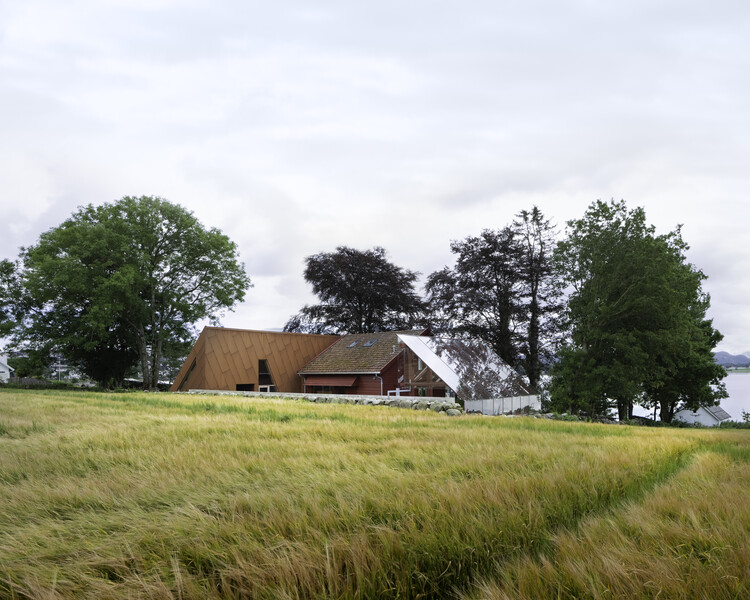
Kiellandsstien Residence / Hoem + Folstad Arkitekter - ExtensionKiellandsstien Residence / Hoem + Folstad Arkitekter - Exterior Photography, ExtensionKiellandsstien Residence / Hoem + Folstad Arkitekter - Interior Photography, Extension, Lighting, ChairKiellandsstien Residence / Hoem + Folstad Arkitekter - Interior Photography, Extension, Lighting, ChairKiellandsstien Residence / Hoem + Folstad Arkitekter - More Images+ 15

Ideology of Performance: Sustainability and the Limits of Efficiency

This article is part of our new Opinion section, a format for argument-driven essays on critical questions shaping our field.

The modern sustainability project is built on the promise that evolving technologies can reconcile urban and economic growth with ecological responsibility. By the metrics developed by the built environment professions and the policies adopted by governments, progress is tangible and accelerating: buildings consume less energy per square foot than they did a generation ago, vehicles emit fewer pollutants per mile, and urban infrastructure is more integrated and measurably cleaner in many cities. And yet total resource consumption continues to rise. Sustainability, as currently practiced across the built environment professions, has become a strategy for optimizing consumption rather than reducing it. Until the profession is willing to question the scale and structure of demand rather than the efficiency with which that demand is met, its most celebrated achievements will continue to fall short of the problem they claim to address.
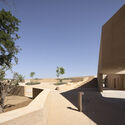
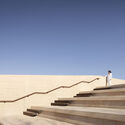
Ideology of Performance: Sustainability and the Limits of Efficiency - Image 1 of 4Ideology of Performance: Sustainability and the Limits of Efficiency - Image 2 of 4Ideology of Performance: Sustainability and the Limits of Efficiency - Image 5 of 4Ideology of Performance: Sustainability and the Limits of Efficiency - Image 3 of 4Ideology of Performance: Sustainability and the Limits of Efficiency - More Images+ 23

Accra Studio / Adjaye Associates

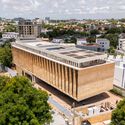
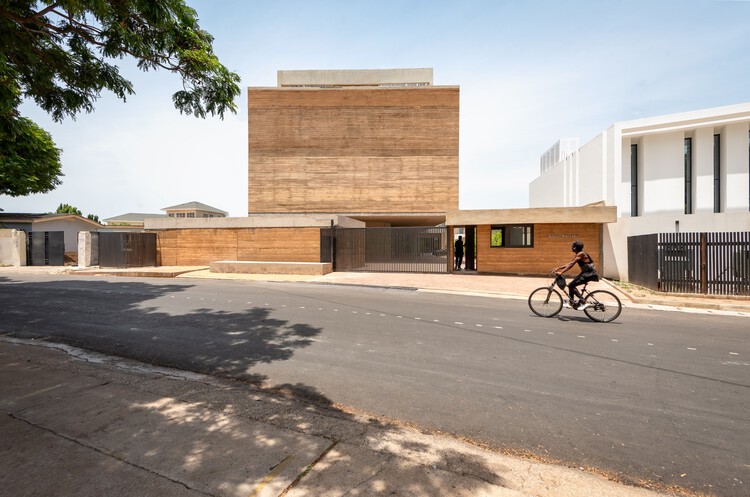
Accra Studio / Adjaye Associates - Exterior Photography, Offices Interiors
© Mutahi Chiira

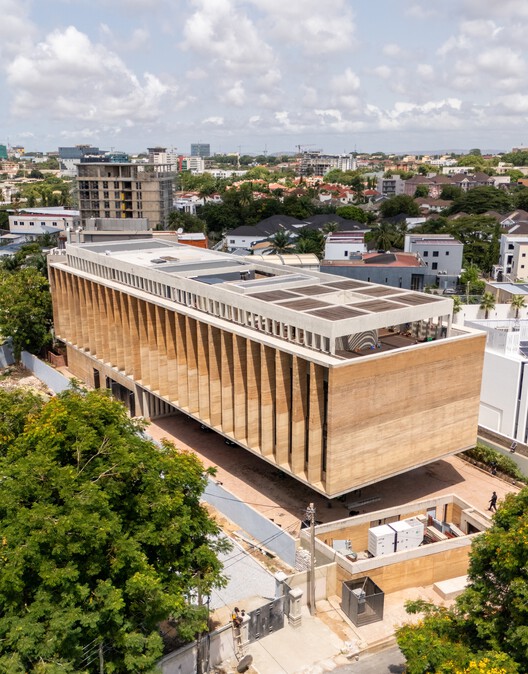
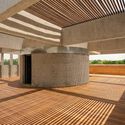
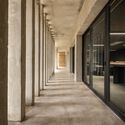
Accra Studio / Adjaye Associates - Exterior Photography, Offices InteriorsAccra Studio / Adjaye Associates - Offices InteriorsAccra Studio / Adjaye Associates - Offices InteriorsAccra Studio / Adjaye Associates - Interior Photography, Offices Interiors, Kitchen, Table, Chair, LightingAccra Studio / Adjaye Associates - More Images+ 44

Building Lightness Through Glass and Frames

 | In Collaboration

Throughout much of history, weight has been closely associated with the very idea of architecture. Vitruvius, whose notion of firmitas linked construction to stability and permanence, understood solidity as one of its fundamental qualities, and building largely meant resisting the effects of time, gravity, and natural forces. In Greek and Roman architecture, monumentality depended on the available construction systems and materials, such as stone and solid masonry, whose expression was defined by mass, thickness, and structural repetition. Columns, walls, and podiums, beyond supporting buildings, asserted their presence in the territory, communicating order, durability, and power. Architecture met the ground with weight.
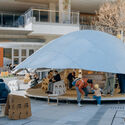
Atelier Tsuyoshi Tane Architects Designs Sea of Time – TOHOKU in Fukushima, Japan

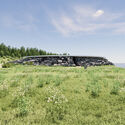
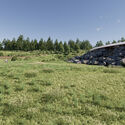
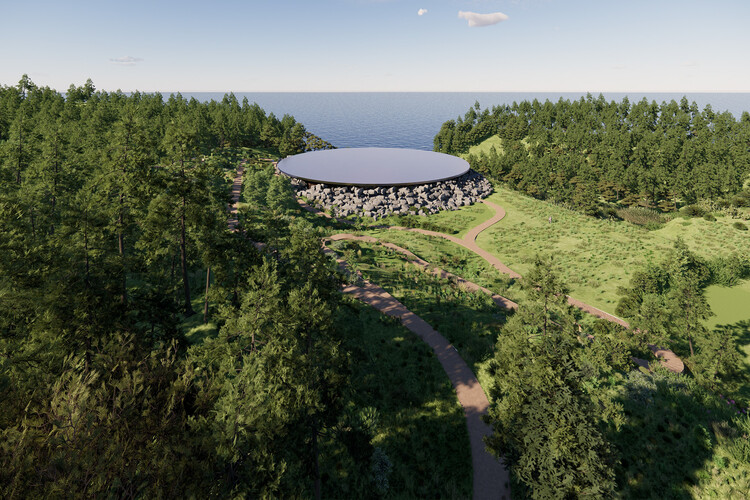
Located in Tomioka, Fukushima Prefecture, Sea of Time – TOHOKU is both an artwork by Tatsuo Miyajima and an architectural project commissioned by the artist. Designed by Japanese architect Tsuyoshi Tane of Atelier Tsuyoshi Tane Architects (ATTA), the project envisions a permanent museum to house Miyajima's artwork. Currently under development from 2024 to 2027, with an anticipated opening in spring 2028. Positioned on a cliff overlooking the Pacific Ocean, the proposal brings together architecture and installation within a site shaped by the memory of the 2011 Tōhoku earthquake and tsunami, framing both the landscape and its historical context as integral components of the design.
Atelier Tsuyoshi Tane Architects Designs Sea of Time – TOHOKU in Fukushima, Japan - Image 1 of 4Atelier Tsuyoshi Tane Architects Designs Sea of Time – TOHOKU in Fukushima, Japan - Image 2 of 4Atelier Tsuyoshi Tane Architects Designs Sea of Time – TOHOKU in Fukushima, Japan - Image 3 of 4Atelier Tsuyoshi Tane Architects Designs Sea of Time – TOHOKU in Fukushima, Japan - Image 4 of 4Atelier Tsuyoshi Tane Architects Designs Sea of Time – TOHOKU in Fukushima, Japan - More Images+ 2

Temple Complex / James Gorst Architects

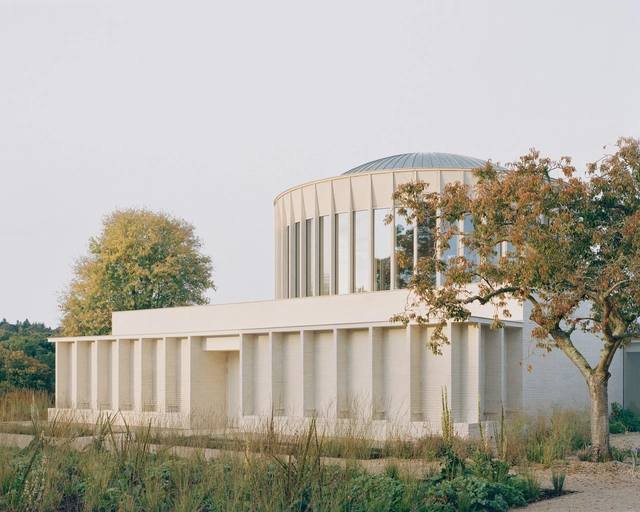
Temple Complex / James Gorst Architects - Exterior Photography, Community Center, Garden, FacadeTemple Complex / James Gorst Architects - Exterior Photography, Community Center, Garden, FacadeTemple Complex / James Gorst Architects - Interior Photography, Community Center, Facade, Arch, LightingTemple Complex / James Gorst Architects - Interior Photography, Community Center, Stairs, Facade, ArchTemple Complex / James Gorst Architects - More Images+ 10

A New Centre Pompidou in Seoul and the UN House of No Waste (HØW) Competition Winners: This Week’s Review

Observed annually on April 22, International Mother Earth Day frames this week's architectural discourse through an urgent call to rethink the relationship between the built environment and natural systems, foregrounding themes such as urban rewilding, the restoration of aquatic ecosystems, and the integration of ancestral knowledge into contemporary design practices. On another note, the opening of Salone del Mobile.Milano 2026 and Milan Design Week 2026 seek to reinforce the global relevance of design as a platform for exchange and experimentation, activating the city of Milan through a network of exhibitions and installations that engage both industry and public audiences. Among the announcements of award-winning architectural projects this week, the United Nations' House of No Waste (HØW) Competition highlights emerging architectural responses to climate and resource challenges. The awarded projects demonstrate scalable strategies for reducing material waste and embodied carbon while promoting adaptable, socially responsive, and resource-conscious public infrastructure.

A New Centre Pompidou in Seoul and the UN House of No Waste (HØW) Competition Winners: This Week’s Review - Image 1 of 4A New Centre Pompidou in Seoul and the UN House of No Waste (HØW) Competition Winners: This Week’s Review - Image 2 of 4A New Centre Pompidou in Seoul and the UN House of No Waste (HØW) Competition Winners: This Week’s Review - Image 3 of 4A New Centre Pompidou in Seoul and the UN House of No Waste (HØW) Competition Winners: This Week’s Review - Image 4 of 4A New Centre Pompidou in Seoul and the UN House of No Waste (HØW) Competition Winners: This Week’s Review - More Images+ 36

Podium–Tower Urbanism in Southeast Asia: Density, Management, and the Disappearing Street

Subscriber Access | 

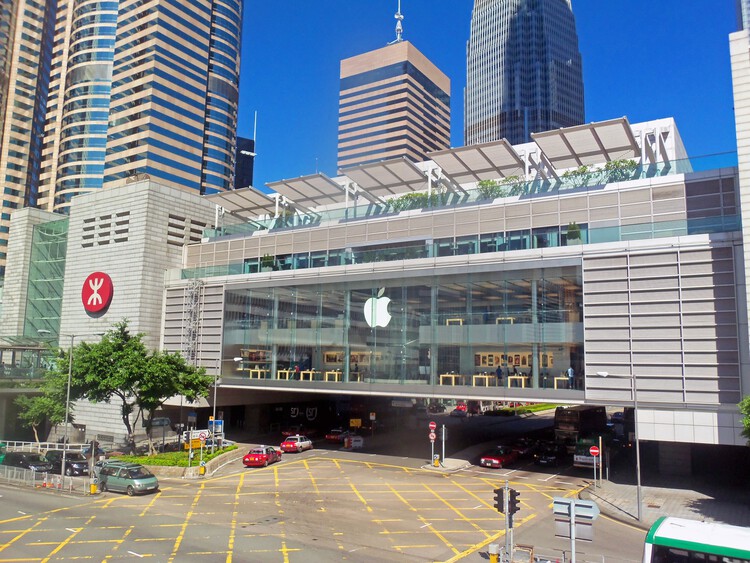
If elevated networks reveal a city that increasingly walks above the street, the podium–tower is the typology that often makes that condition feel inevitable. Across Southeast Asia, podium–tower projects have become one of the dominant languages of metropolitan growth: a system that concentrates housing, jobs, retail, and transit connections into highly legible and managed parcels. From an urban planning perspective, the model can be remarkably effective—absorbing congestion, formalizing circulation, and delivering density quickly. Yet as it spreads, the typology also raises a quieter question: what does it optimize for, and what does it erode—especially at the level of the street, where urban life is meant to be negotiated rather than curated?

At its simplest, the podium–tower is a hybrid structure consisting of a high-coverage, low-rise podium supporting one or more slender vertical towers. The podium typically carries the logistical and commercial weight of the development—retail, parking, loading, drop-offs, back-of-house services, and often amenity decks—while the tower stacks private programs above, whether residential, office, hotel, or mixed use. The promise is twofold: maximize urban density while maintaining a "human-scaled" street wall, and separate the messy logistics of city life from the quieter domain of living and work.

Podium–Tower Urbanism in Southeast Asia: Density, Management, and the Disappearing Street - Image 1 of 4Podium–Tower Urbanism in Southeast Asia: Density, Management, and the Disappearing Street - Image 2 of 4Podium–Tower Urbanism in Southeast Asia: Density, Management, and the Disappearing Street - Image 3 of 4Podium–Tower Urbanism in Southeast Asia: Density, Management, and the Disappearing Street - Image 4 of 4Podium–Tower Urbanism in Southeast Asia: Density, Management, and the Disappearing Street - More Images+ 14

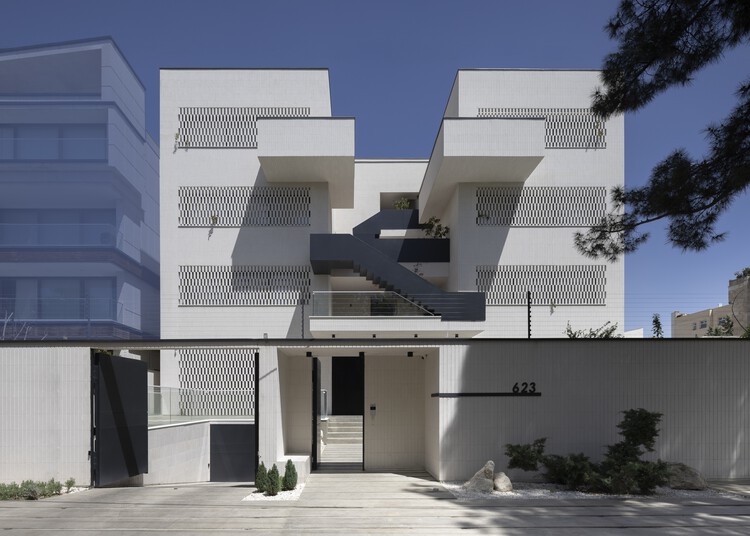
Frenzy Stair / Sepide Elmi

Frenzy Stair / Sepide Elmi - ApartmentsFrenzy Stair / Sepide Elmi - ApartmentsFrenzy Stair / Sepide Elmi - Interior Photography, ApartmentsFrenzy Stair / Sepide Elmi - Exterior Photography, Apartments, Stairs, Handrail, BalconyFrenzy Stair / Sepide Elmi - More Images+ 34

  • Architects: Sepide Elmi
  • Area Area of this architecture project Area:  2000
  • Year Completion year of this architecture project Year:  2025
  • Professionals: DIME

NTH/ Neutral Tactile Habitat / Ply Architecture

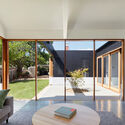
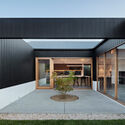
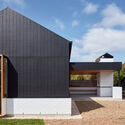
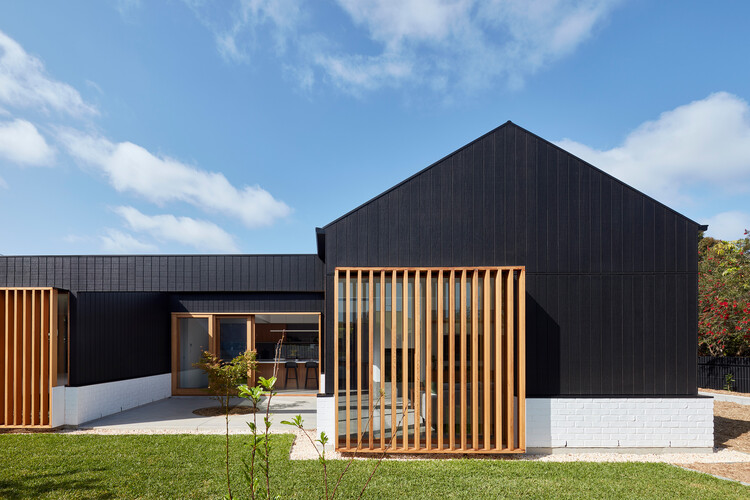
NTH/ Neutral Tactile Habitat / Ply Architecture - HousesNTH/ Neutral Tactile Habitat / Ply Architecture - Interior Photography, Houses, Courtyard, DoorNTH/ Neutral Tactile Habitat / Ply Architecture - HousesNTH/ Neutral Tactile Habitat / Ply Architecture - HousesNTH/ Neutral Tactile Habitat / Ply Architecture - More Images+ 17

Colonel Light Gardens, Australia
  • Architects: Ply Architecture
  • Area Area of this architecture project Area:  150
  • Year Completion year of this architecture project Year:  2024
  • Manufacturers Brands with products used in this architecture project
    Manufacturers:  BoConcept, Built Furniture, Masson For Light, Weathertex

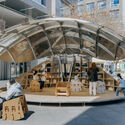
Shell Book Pavilion / LUO studio

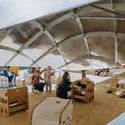
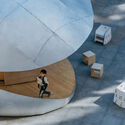
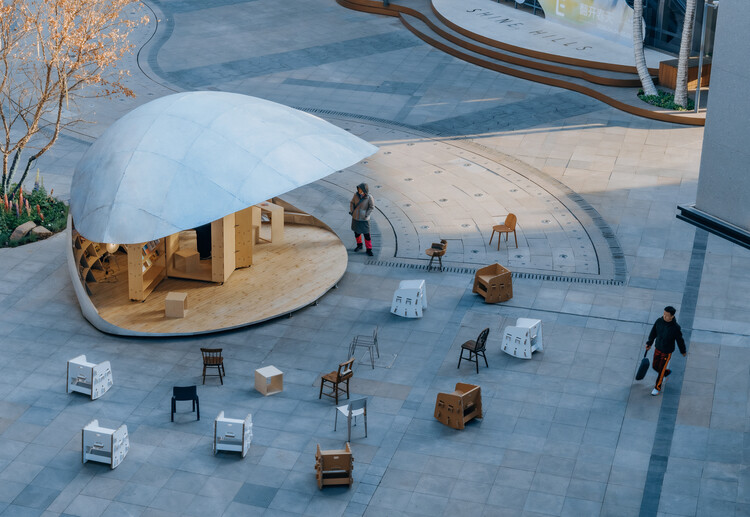
Shell Book Pavilion / LUO studio - Interior Photography, Retail Shell Book Pavilion / LUO studio - Interior Photography, Retail Shell Book Pavilion / LUO studio - Interior Photography, Retail Shell Book Pavilion / LUO studio - Exterior Photography, Retail Shell Book Pavilion / LUO studio - More Images+ 32

Beijing, China
  • Architects: LUO studio
  • Area Area of this architecture project Area:  43
  • Year Completion year of this architecture project Year:  2026

You've started following your first account!

Did you know?

You'll now receive updates based on what you follow! Personalize your stream and start following your favorite authors, offices and users.