

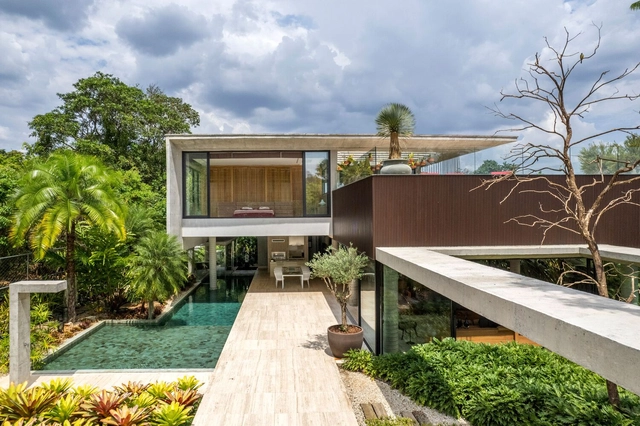
Pirenópolis House / Leo Romano





https://www.archdaily.com/1028451/pirenopolis-house-leo-romanoPilar Caballero
Cycle and Pedestrian Crossing Over the Fareja Bridge / Rómulo Neto Arquitectos






-
Architects: Rómulo Neto Arquitectos
- Area: 375 m²
- Year: 2024
-
Manufacturers: MWT Metalworking Technologies, Pavidren, R6 Living
https://www.archdaily.com/1028683/cycle-and-pedestrian-crossing-over-the-fareja-bridge-romulo-neto-arquitetosValeria Silva
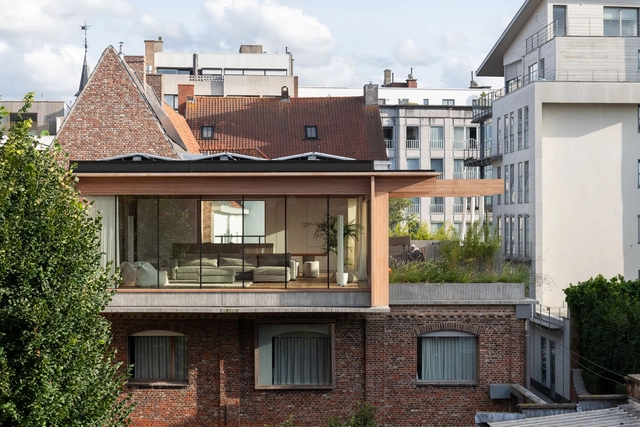
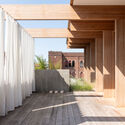
House b·o / driearchitecten


-
Architects: driearchitecten
- Area: 175 m²
- Year: 2024
-
Manufacturers: Petac
-
Professionals: Demonie hout, Lammertyn bouwwerken, Laconte, Dayoti, BMengineering
https://www.archdaily.com/1028563/house-b-star-o-driearchitectenAndreas Luco
In Pursuit of Health: How Medical Concerns Shaped Modernist Architecture

The intersection of architecture and medicine profoundly shaped modernist design, where transparency, light, and air became essential tools in the pursuit of health. Emerging from the tuberculosis crisis of the late 19th and early 20th centuries, the sanatorium evolved beyond a medical facility into a testing ground for architectural innovation. The necessity of fresh air, sunlight, and sterility transformed these spaces into prototypes for modernist principles, influencing spatial organization, material choices, and design philosophies that extended far beyond healthcare.
More than sites of treatment, sanatoriums embodied contemporary medical theories in built form. At a time when tuberculosis — often called the white plague — devastated populations worldwide, medical professionals prescribed environmental exposure as the primary therapy. Architecture adapted accordingly, producing buildings with expansive terraces, large windows, and streamlined interiors designed to optimize ventilation and maximize natural light.




https://www.archdaily.com/1028559/in-pursuit-of-health-how-medical-concerns-shaped-modernist-architectureDiogo Borges Ferreira
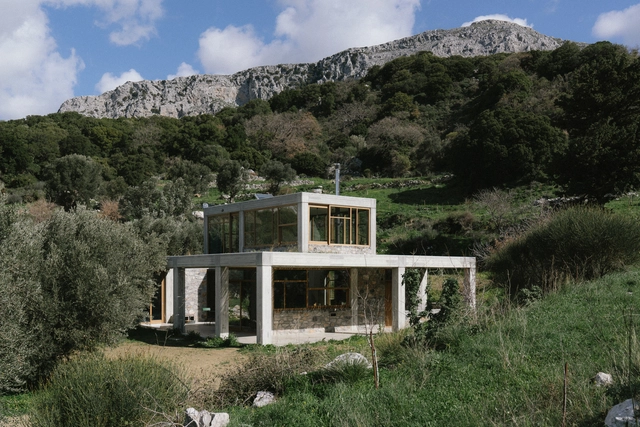
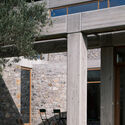
Meraki House / Sigurd Larsen
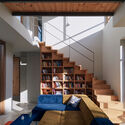
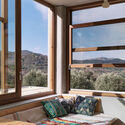

https://www.archdaily.com/1028625/meraki-house-sigurd-larsenAndreas Luco
Rethink the Power of Daylight: Redefining Horizontal Spaces with Vertical Light
| Sponsored Content
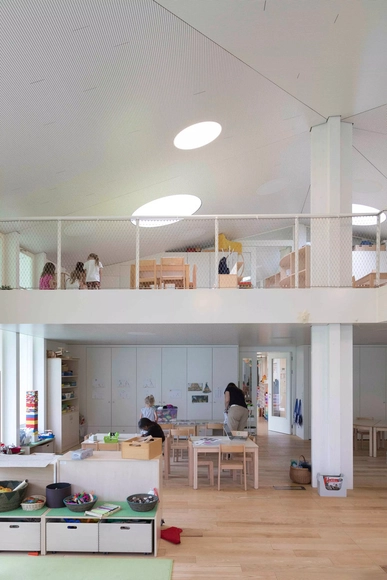
Architecture goes beyond its fundamental function of defining spaces and providing protection; it shapes the user experience, influencing sensations of comfort, spaciousness, and well-being. Among the many elements that make up a building, openings play a crucial role in connecting the interior and exterior, balancing privacy with transparency, and allowing the entry of natural light and ventilation. In particular, natural light transforms environments, defines atmospheres, and enhances architectural details, making spaces more dynamic and inviting.
Windows, once simple openings in walls, have evolved through advancements in materials and technology, maximizing efficiency and expanding their role in architectural design. If Gothic architecture showcased marvelous glazing through towering stained glass windows, modern architecture shifted toward horizontal forms and fully glazed facades, transforming how daylight is integrated into spaces. However, relying solely on facade glazing presents a limitation—natural light is often confined to the building's perimeter, leaving central areas in shadow. Overhead openings, such as skylights and flat roof windows, overcome this challenge by channeling daylight deep into interior spaces, reducing reliance on artificial lighting.
https://www.archdaily.com/1028002/rethink-the-power-of-daylight-redefining-horizontal-spaces-with-vertical-lightEduardo Souza
Los Angeles Approves Adaptive Reuse Ordinance 2.0 to Tackle Housing Shortage
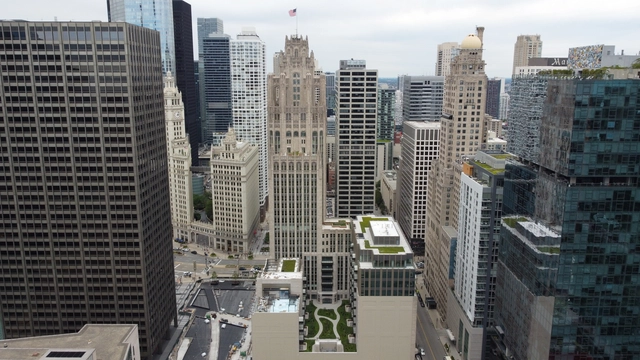
The Los Angeles City Council has approved the revised Citywide Adaptive Reuse Ordinance (Citywide ARO), which is planned to take effect in 2025. Building on the success of the 1999 ordinance, which facilitated the creation of over 12,000 housing units in Downtown LA, the updated policy aims to address the city's ongoing housing crisis and repurpose underutilized buildings.





https://www.archdaily.com/1028693/los-angeles-approves-adaptive-reuse-ordinance-to-tackle-housing-shortageReyyan Dogan
Rosedale House / Scale Architecture
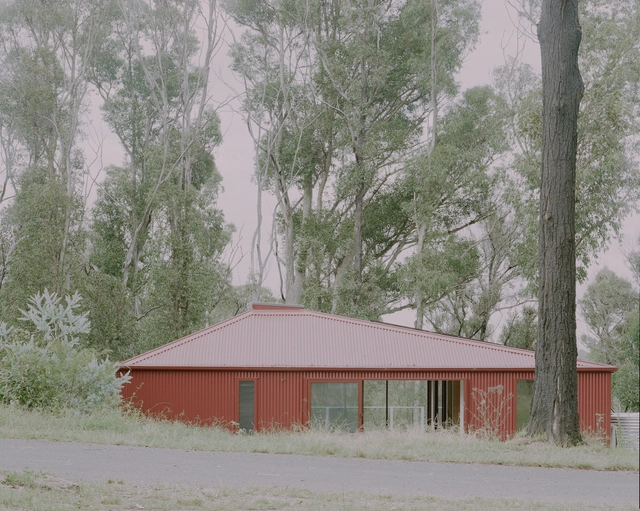

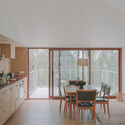

https://www.archdaily.com/1028677/rosedale-house-scale-architectureValeria Silva
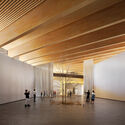
BIG Unveils Timber-Structured Design for the New Hungarian Natural History Museum in Debrecen
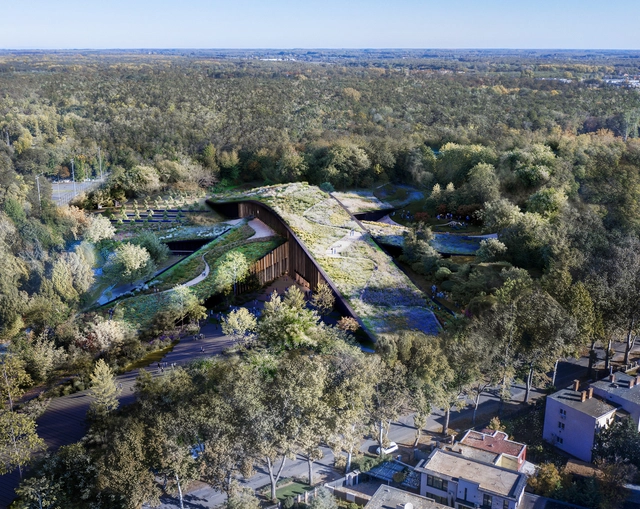
BIG, Bjarke Ingels Group, has been selected to design the new Hungarian Natural History Museum in Debrecen. Located on a former sports ground at the northern edge of the city's Great Forest, Nagyerdő, the 23,000 m² museum is being developed in collaboration with Vikár és Lukács Építés Stúdió, Museum Studio, and TYPSA. The new institution will replace the existing museum in Budapest, supporting the government's vision to establish Debrecen as a regional hub for education and culture by 2030. Commissioned by the Museum and the Ministry of Culture and Innovation, the new building will house permanent and temporary exhibition halls, educational and research facilities, public amenities, and back-of-house spaces.




https://www.archdaily.com/1028727/big-unveils-timber-structured-design-for-the-new-hungarian-natural-history-museum-in-debrecenAntonia Piñeiro
From Hospital to Medical Research Hub: How the Montreal Chest Institute Adapts to Modern Needs
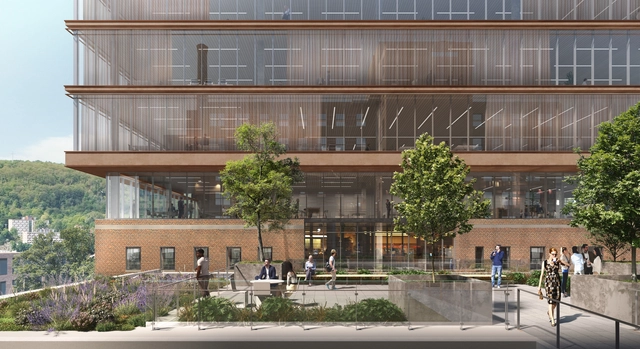
With modern medicine, it may be difficult for many people today to imagine the devastation caused by Tuberculosis (TB) just about 100 years ago. Initially associated with insalubrious, overcrowded conditions, just in Canada it caused the death of approximately 8000 people annually in the late 19th century. During this time, before more advanced treatments were discovered, prescriptions from doctors involved sunlight, fresh air, and rest. As a response, sanatoria were established. These were places where patients could be separated from the community to manage their disease. One testament to that legacy stands in the heart of Montreal: the former Royal Edward Laurentian Institute, later known as the Montreal Chest Institute. Born from crisis, it has since become a symbol of resilience, transformation, and innovation, shifting from a space of isolation to a thriving hub for research and entrepreneurship in the life sciences.


https://www.archdaily.com/1028560/from-hospital-to-medical-research-hub-how-the-montreal-chest-institute-adapts-to-modern-needsMoises Carrasco
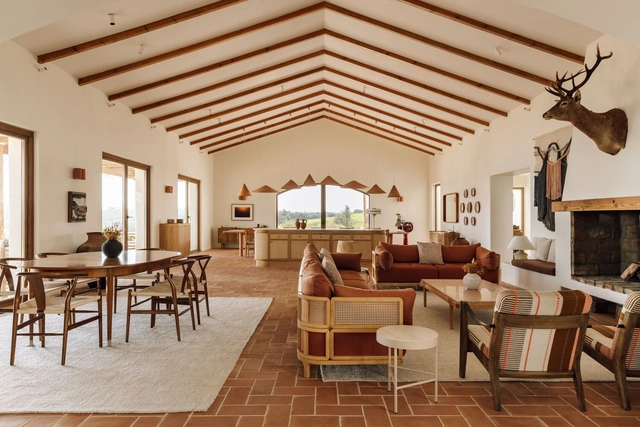
Nossa House / Studio Astolfi
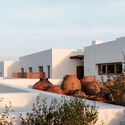

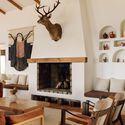
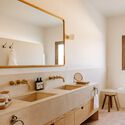

-
Architects: Studio Astolfi
- Area: 1500 m²
- Year: 2023
https://www.archdaily.com/1028527/nossa-house-studio-astolfiValeria Silva
Health and Medical Research Building / Architectus
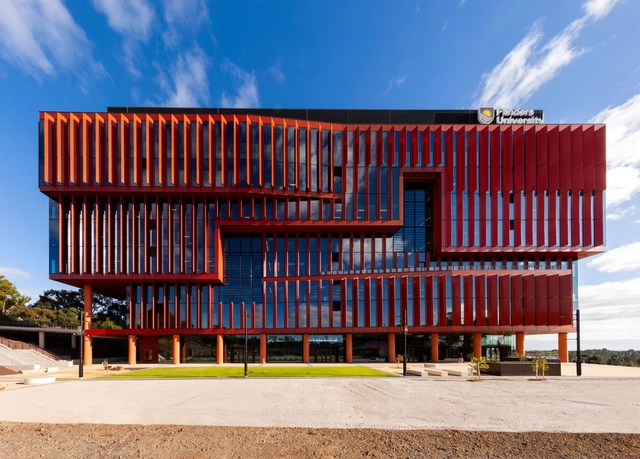


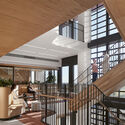


https://www.archdaily.com/1028705/health-and-medical-research-building-architectusMiwa Negoro
Rose Mary Cafe / Chiasmus Partners
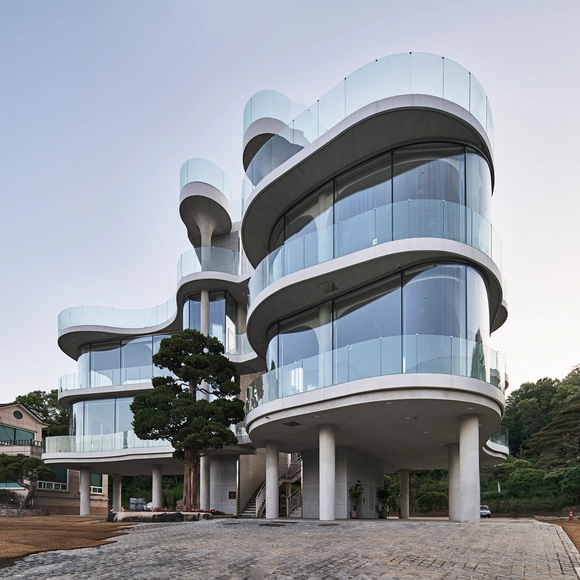


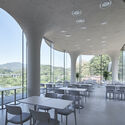
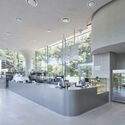

-
Architects: Chiasmus Partners
- Area: 570 m²
- Year: 2024
-
Professionals: SeungJin Eng. Inc, Cheil Structure Lab, Coremsys
https://www.archdaily.com/1028662/rose-mary-cafe-chiasmus-partnersPilar Caballero
Machikado Project in Asahi-cho / Plan 21
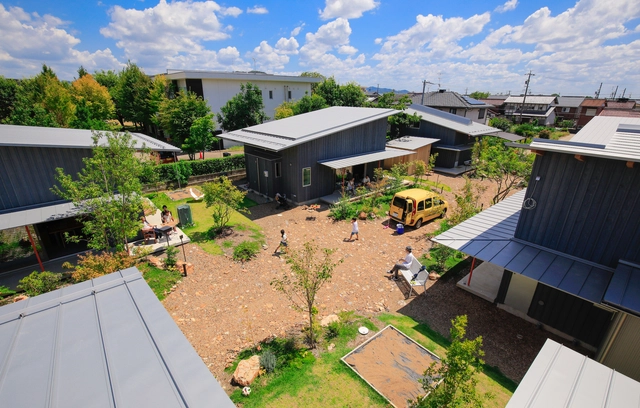

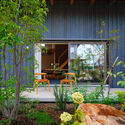
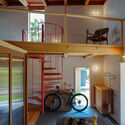
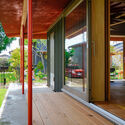

https://www.archdaily.com/1028619/machikado-project-in-asahi-cho-plan-21Valeria Silva
Floreira House / Matheus Farah + Manoel Maia Arquitetura


https://www.archdaily.com/1028460/floreira-house-matheus-farah-plus-manoel-maia-arquiteturaAndreas Luco
Education Centre University of Groningen / KAAN Architecten
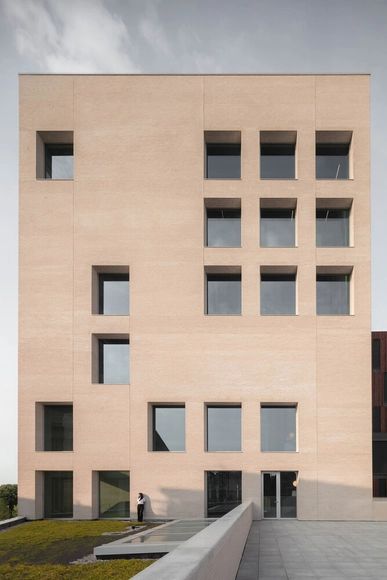


-
Architects: KAAN Architecten
- Area: 12246 m²
- Year: 2024
https://www.archdaily.com/1028457/education-centre-university-of-groningen-kaan-architectenAndreas Luco
KIM Oflage Studio / Delve Architects
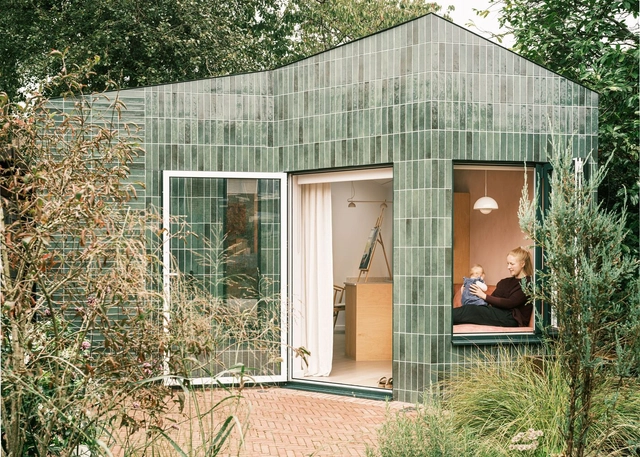

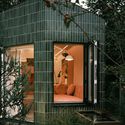

-
Architects: Delve Architects
- Area: 25 m²
-
Manufacturers: Rak ceramics, Astro Lighting, Claybrook, Claybrook Studio, Recork, +1
-
Professionals: Astro, C Kennett Construction
https://www.archdaily.com/1028606/kim-oflage-studio-delve-architectsPilar Caballero
Less or More? The Psychological Influence of Minimalist and Maximalist Spaces
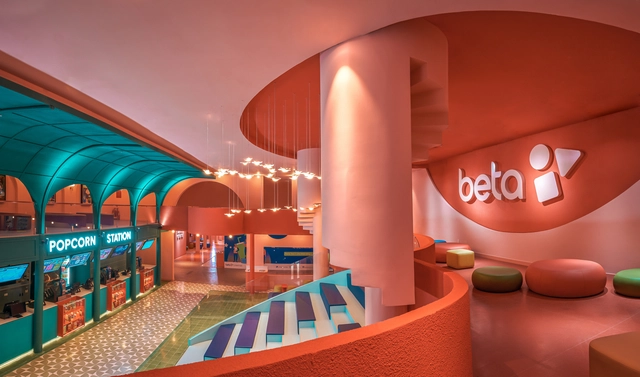
Between silence and chaos, we shape our world. Every space we inhabit tells a story, evokes emotions, and influences our thoughts. Minimalism, with its lightness and purpose, invites serenity. Maximalism, exuberant and vibrant, celebrates personality in every detail. But how do these philosophies affect our minds? Understanding their psychological impact can be key to creating environments that enhance well-being and bring harmony to life.


https://www.archdaily.com/1028585/less-or-more-the-psychological-influence-of-minimalist-and-maximalist-spacesCamilla Ghisleni