This guide shows how to use a D5 Render a free live-sync plugin to improve SketchUp workflow.


This guide shows how to use a D5 Render a free live-sync plugin to improve SketchUp workflow.
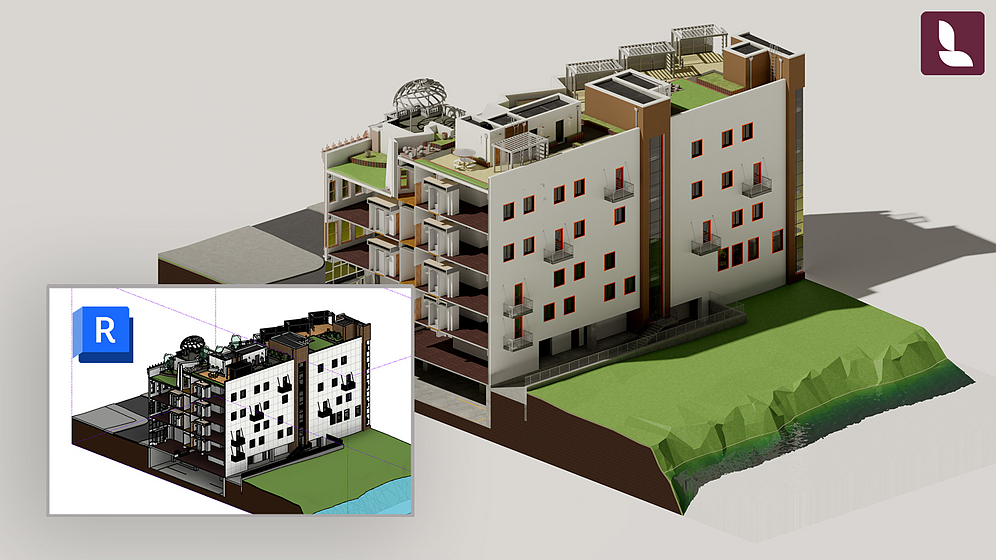
A real-time visualization, providing a realistic, immersive view of your model within your familiar BIM environment.


Gonzalo Viramonte has released a series of photographs that focus in on the use of bricks by engineer Eladio Dieste in his Atlántida Cristo Obrero church.
Viramonte shows us the essence of the project with an artful register that places the serial yet simple material element (the brick) at the forefront. This gallery also celebrates the potential and versatility of bricks by highlighting the artfully geometric interior and exterior spaces and the apertures that allow natural light to cast upon the walls, floors, and other surfaces.


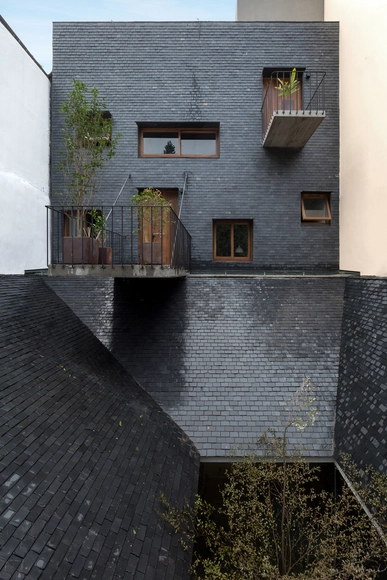

Guangzhou-based multidisciplinary firm O-office Architects specializes in refurbishment projects. Founders Jianxiang He and Ying Jiang are known for exploring what architecture can do within the contemporary Chinese context, including a recent project in which they transformed an abandoned Shenzhen factory into a dynamic cultural and community center.
In this interview with ArchDaily, the founders of O-office speak about their philosophies regarding refurbishments and the current state of architecture in China.
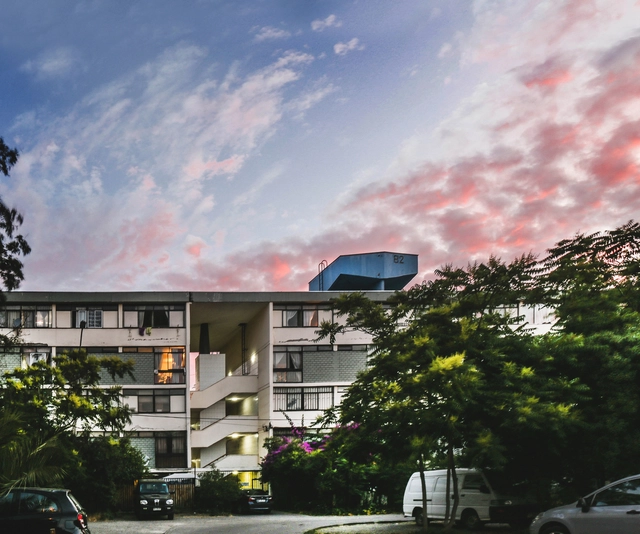
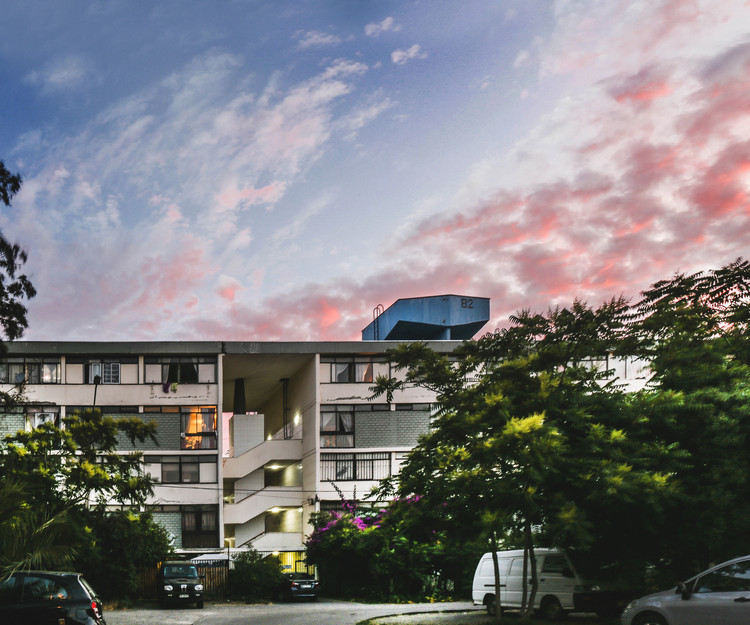
The modern movement was a key player in the cultural construction of Chile in the 20th century. Although the first projects came from the private sector, their urban and landscape principles were adopted by the modernizing project of the welfare state that began to be built after the social conflicts that exploded in the 1920s.
During chile's industrialization process, the State's housing construction incorporated concepts such as liveability, and universal access to housing and sanitation, which were put to the test early on in the reconstruction of cities such as Chillán after the 1939 earthquake. As Chile is a country that is familiar with earthquakes, it was necessary to readjust the concepts of the modern movement to national structural requirements, that is, resizing the reinforced concrete sections, which gave them a heavier visual expression than in Brazil or Argentina.
From the daring vision of Sergio Larraín García-Moreno and Jorge Arteaga in the Oberpaur building - the first of the modern movement - to the urban visions of BVCH in the Villa Portales, or the first exercises in height in the upper middle class sectors, the modern movement has left its mark on our society and in our cities. However, only one of the projects presented here is declared a historical monument.
In this edition of the architectural guides, we present you twenty chronologically ordered projects that reflect the evolution of the modern movement in Santiago, Chile.
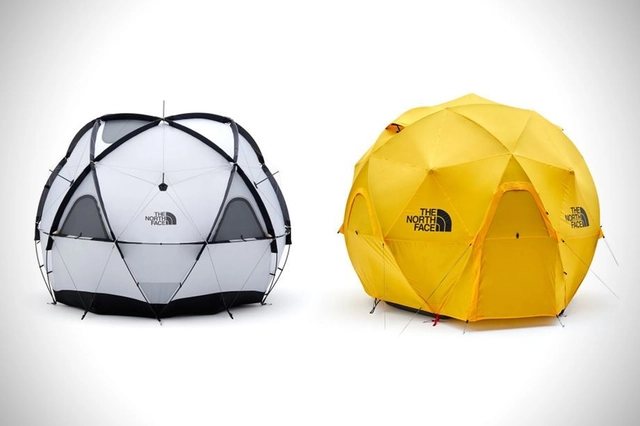
Reinterpreting the teachings of Buckminster Fuller, North Face have announced the latest tent in their collection; a geodesic dome tent. Thanks to the most spatially efficient shape in architecture, it can withstand winds of up to 60 mph as the force is spread evenly across the structure whilst even providing enough height for a six-foot person to stand comfortably inside.
The extremely efficient design has allowed the tent to weigh not much more than 11kg and comprise of 5 main poles and the equator for fast and easy assembly and storage. The outdoor gear company has also considered a water-resistant dual-layered exterior skin for their incredibly strong and sturdy tent to endure whatever mother nature has to throw at it.
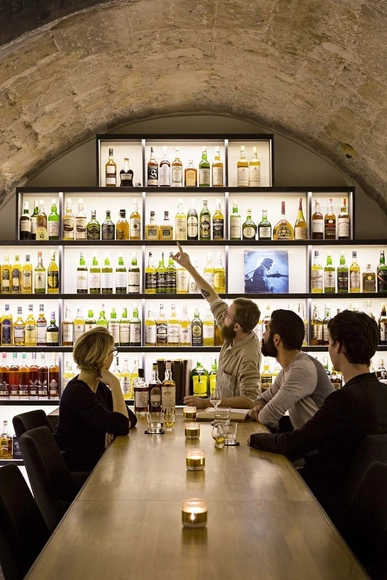
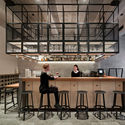
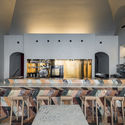
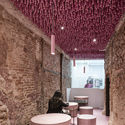
Bars are the perfect meeting place to finish the day in the company of friends and a few drinks. The relaxed atmosphere and lighting allow intimate discussions around tables, while the social butterflies can instead meet around the focal element of the space, the bar.
The atmosphere provoked by the mixture of textures, smells, materials, and darkness—ideally accompanied by a cocktail menu—is an essential component in helping us find our favorite watering holes. Read on for a selection of 15 incredible examples of this typology, with images by prominent photographers such as Frank Herfort, Serena Eller Vanicher, and Yann Deret.

.jpg?1520547289)
Balkrishna Doshi, also known as B.V. Doshi or simply Doshi, has been named this year’s Pritzker Prize Laureate. His extensive portfolio of educational, cultural, public administration, and residential projects is matched only by his contribution to architectural culture—from founding The School of Architecture at Ahmedabad (now known as the Centre for Environmental Planning and Technology) to co-authoring the Habitat Bill of Rights, among others. Yet, his vividly illustrated conceptual drawings reveal as much, if not more, of the architect’s relationship with building, history, tradition, culture, and modernism.


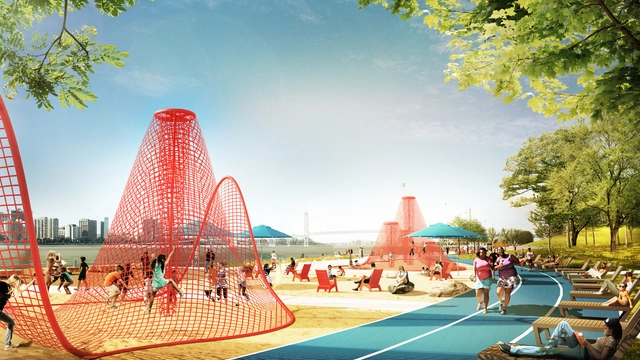
As the river offers a place of beauty and solitude to the people of Detroit, four international design teams have presented their creative schemes for the West Riverfront to extend this vibrant area in the city as part of an international design competition led by the Detroit Riverfront Conservancy (DRFC). The development of the 22-acre West Riverfront Park is expected to cost around $50 million to complete the DRFC’s ultimate vision for 5.5 miles of revitalized riverfront.
The four principal firms include Gustafson Guthrie Nichol (GGN), Hood Design Studio (HDS), James Corner Field Operations and Michael Van Valkenburgh and Associates (MVVA) collaborating with numerous Detroit and Michigan- based firms. Each of the teams has collaborated closely with the public to achieve a design that gives justice to the legacy of the people.























Reedited.jpg?1520580463 "© Creative Clicks / Darren Chng - SzeMeng Wong")
.jpg?1520580427 "© Creative Clicks / Darren Chng - SzeMeng Wong")