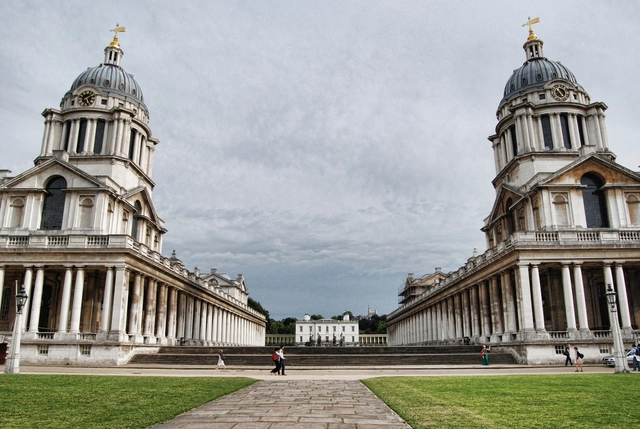
Sir Christopher Wren (20 October 1632 – 25 February 1723) is one the most significant architects in British history, and was a recognized astronomer, scholar, and physicist-mathematician. Wren was classically trained at the University of Oxford in physics and engineering where he developed his interest in architecture. He is perhaps most famous for designing London's iconic St Paul's Cathedral, however he is credited with the design of dozens of other churches, government buildings, and hospitals in England. Wren was knighted in 1673.
Design:ED Podcast is an inside look into the field of architecture told from the perspective of individuals that are leading the industry. This motivational series grants unique insight into the making of a successful design career, from humble beginnings to worldwide recognition. Every week, featured guests share their personal highs and lows on their journey to success, that is sure to inspire audiences at all levels of the industry. Listening to their stories will provide a rare blueprint for anyone seeking to advance their career, and elevate their work to the next level.
In this episode, host Aaron Prinz speaks with Carla Swickerath, Partner at Studio Daniel Libeskind, about how she helped lead the development of the World Trade Center site, the impact of technology on the future of the profession, and what sets Studio Libeskind apart from other firms.
The Environmental Protection Agency estimates that Americans spend 90 percent of their time indoors. Spending that much time inside makes us feel disconnected from the outside world, affecting everything from our productivity to mental health. Not to mention physical health concerns ranging from poor circulation to airborne contaminants.
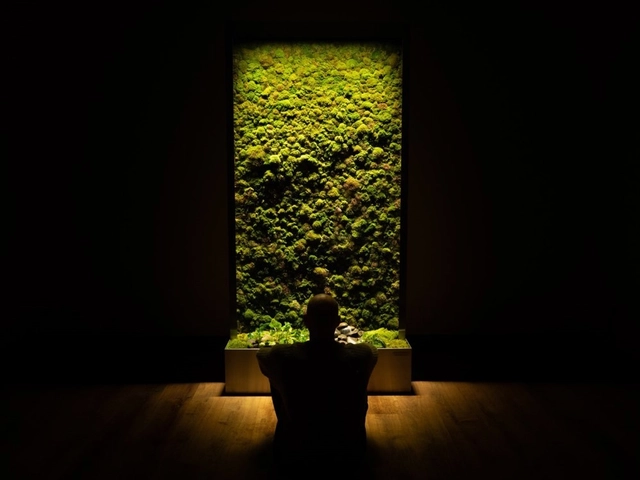
One method of rebuilding our connection to nature is by using living elements. Live moss wellness walls utilize one of our oldest plant species to improve the visual appearance of any interior environment and boost your overall well-being.
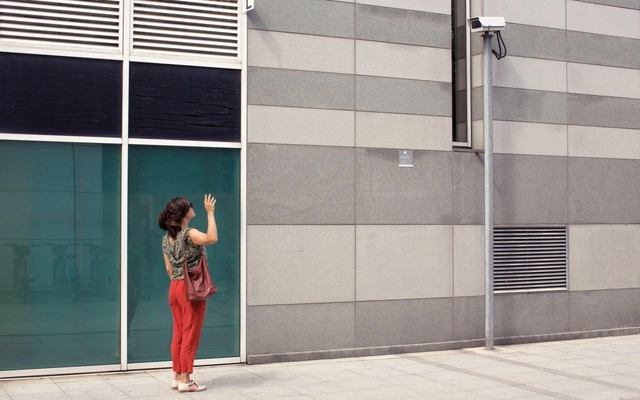
What happens when the sensor-imbued city acquires the ability to see – almost as if it had eyes? Ahead of the 2019 Shenzhen Biennale of Urbanism\Architecture (UABB), titled "Urban Interactions," ArchDaily is working with the curators of the "Eyes of the City" section at the Biennial to stimulate a discussion on how new technologies – and Artificial Intelligence in particular – might impact architecture and urban life. Hereyou can read the “Eyes of the City” curatorial statement by Carlo Ratti, the Politecnico di Torino and SCUT.
When the city has eyes to see, it will become the stuff of nightmares. The panopticon prophecy will come to life. Democracy will die.
The pretexts through which a thousand mechanisms that spy on us have been introduced into cities are three:
security from thieves, criminals and terrorists;
energy savings and performance optimization;
the possibility of having structures that spontaneously understand our needs, without any requests on our part.







.jpg?1571206777&format=webp&width=640&height=580)
.jpg?1571206853 "© CreatAR Images")
.jpg?1571206816 "© CreatAR Images")
.jpg?1571206178 "© CreatAR Images")
.jpg?1571205828 "© CreatAR Images")
.jpg?1571206777)