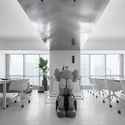
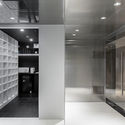
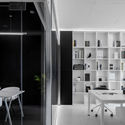

-
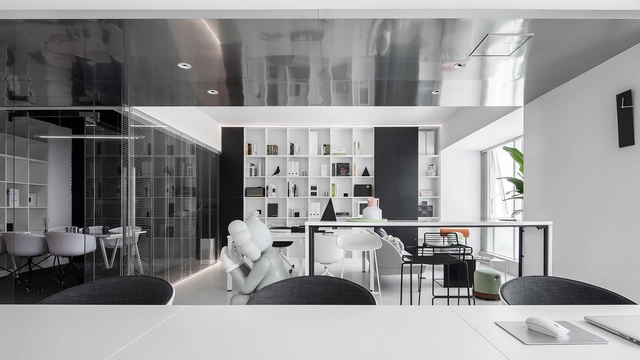
Interior Designers: Zhibai Design Studio
- Area: 101 m²
- Year: 2019
-
Manufacturers: GRIGHT, HIH, MI



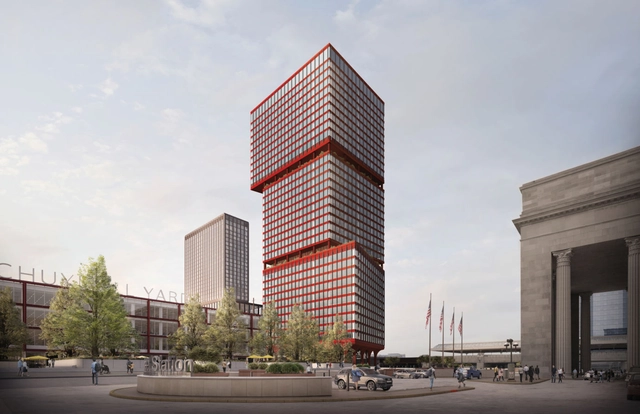
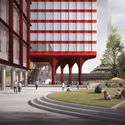
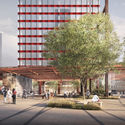
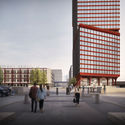
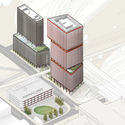
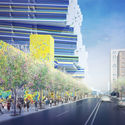
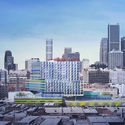
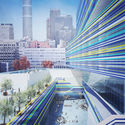
The Practice for Architecture and Urbanism (PAU) has unveiled the design for two new towers at Philadelphia’s Schuylkill Yards. PAU was commissioned by Brandywine Realty Trust in collaboration with HDR Architects and Drexel University for one of the most important urban revitalization sites in the United States. As the first high rise structures in PAU’s portfolio, JFK Towers mark the first phase of the Schuylkill Yards project.

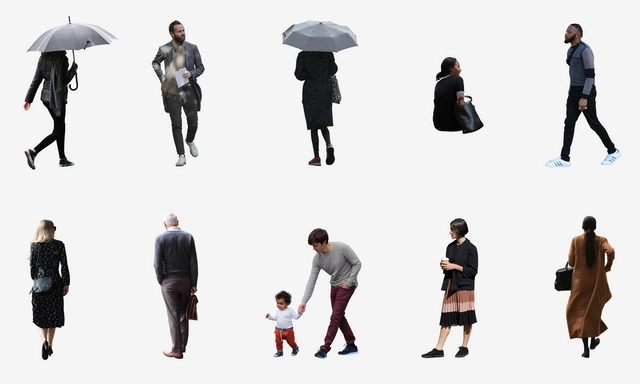
Studio Esinam is releasing a new subscription service for architects, offering thousands of original cutouts and 2d drawings. For one week only, ArchDaily readers can benefit from a special offer with a discount of 50% on all plans and/ or 100 hi-res cutouts from the library for free, using the code Archdaily.

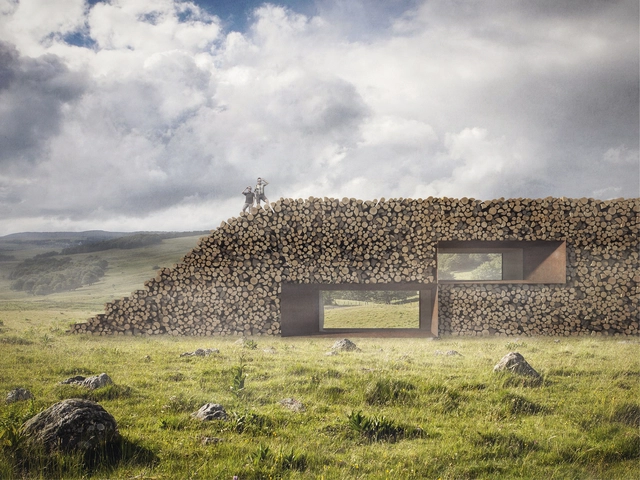
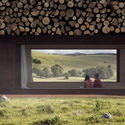
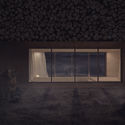
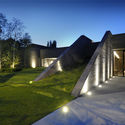
Christophe Benichou creates “The Wall of Logs”, a new conceptual getaway, a natural solid wall with perforated interiors. The project comes as a counterpoint experience for his previous endeavor Sesame, a solitary monolith, a residence in the open desert.
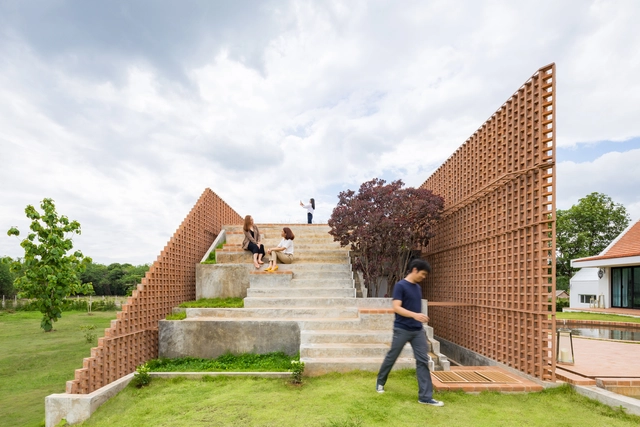
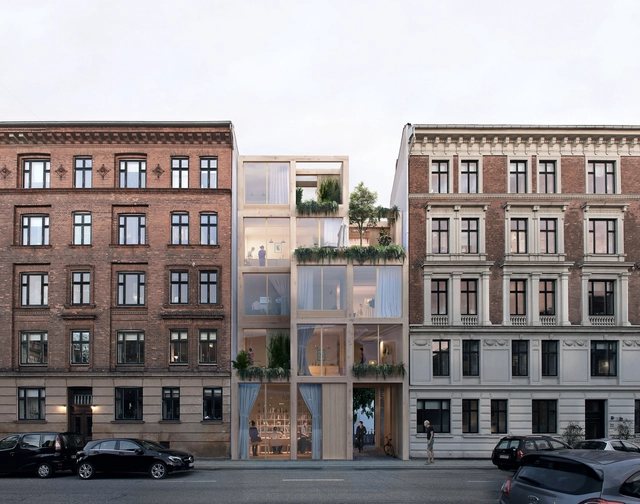
Major cities are facing major crises. The United Nations estimates that by 2050, almost one billion people with disabilities will live in cities, representing 15% of total city dwellers. With urban landscapes awash with inaccessible subways, shops, and bathrooms, the UN has declared that poor accessibility represents a major challenge for cities. At the same time, most cities around the world are struggling to provide safe, respectable, affordable housing for their citizens, with rent accounting for more than 50% of some incomes. The World Economic Forum recently warned that “a world in which only a few can afford housing is not sustainable.”
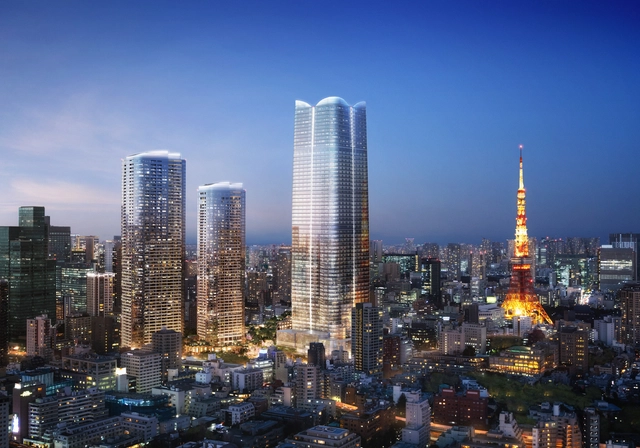
Pelli Clarke Pelli Architects generate for the first time in Japan, a high rise complex that holds the tallest building in the country, at the height of 330 meters. The U.S firm designed 3 towers for the district of Toranomon-Azabudai in Tokyo, part of a whole urban regeneration scheme for the central area of the capital.
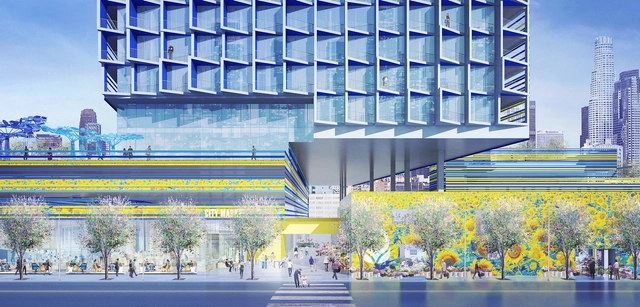
The Los Angeles City Planning Commission has approved Brooks + Scarpa's redevelopment proposal for the Flower Market in Downtown LA. The project would include a new 15-story building with over 300 residential units, and the main tower will be split into three levels, each topped with a roof deck. As Brooks + Scarpa explain, the structure's materials and colors are intended to mimic the bright colors of flowers.

Air-conditioning isn’t just expensive; it’s also terrible for the environment. Accounting for 10% of global energy consumption today, space cooling in 2016 alone was responsible for 1045 metric tons of CO2 emissions. This number is only expected to increase, with the International Energy Agency estimating that cooling will reach 37% of the world’s total energy demand by 2050.