
-
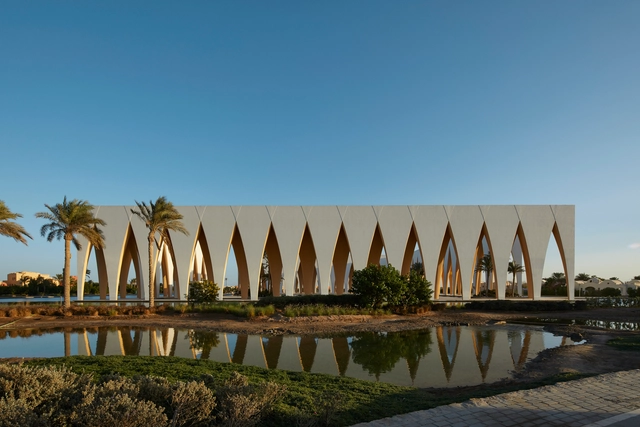
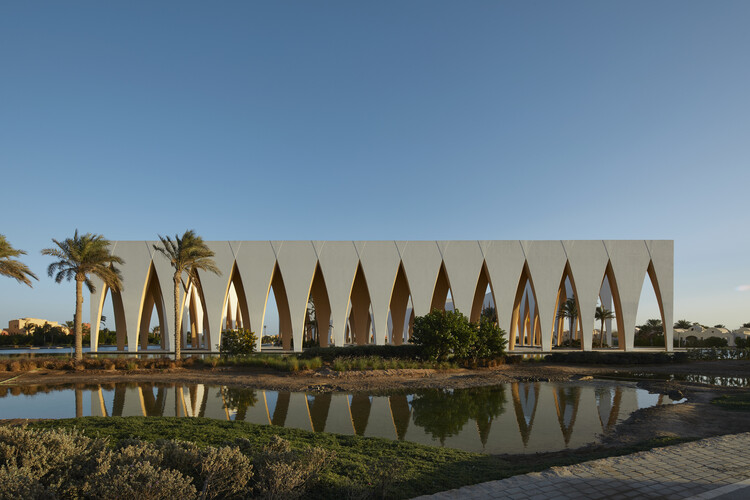
Architects: Studio Seilern Architects
- Area: 30000 m²
- Year: 2019
-
Professionals: Eckersley O’Callaghan Engineers, ECO, CPD, ECMA, Engineering Consultants Group (ECG), dUCKS scéno, +7


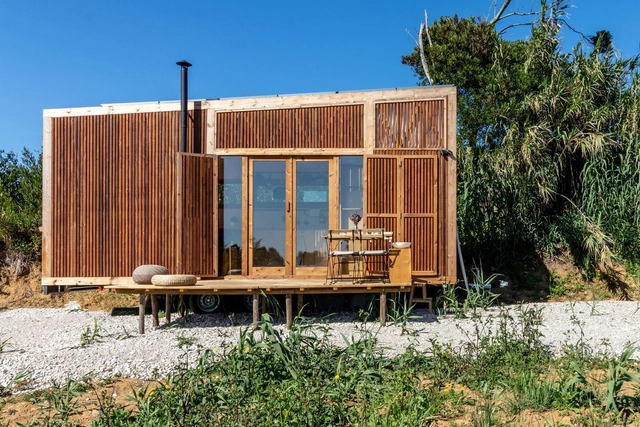
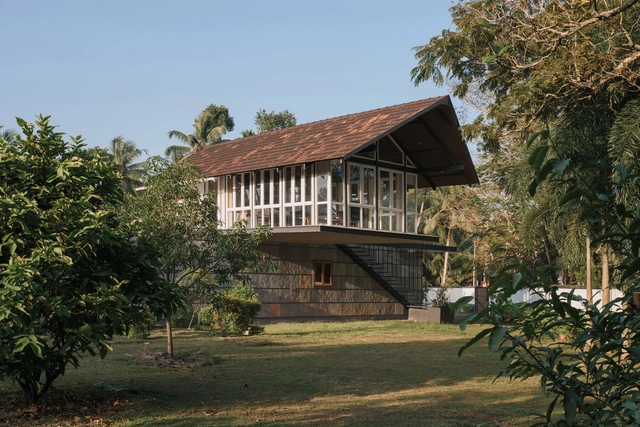
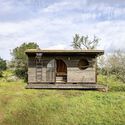
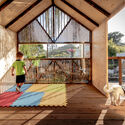
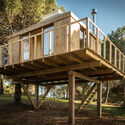
How is it possible to maximize livability in small spaces? What design decisions contribute to functionality and the fulfillment of the inhabitants' essential needs? Over the past decade, small-scale architecture has gained prominence in the quest to find new ways of living in connection with nature and in pursuit of relative self-sufficiency, among other reasons. From minimal homes or tree houses to fine carpentry solutions and sculptures, the Portuguese design studio Madeiguincho is dedicated to developing timber-based projects with the aim of promoting knowledge of wood craftsmanship as both a raw material and a building medium.
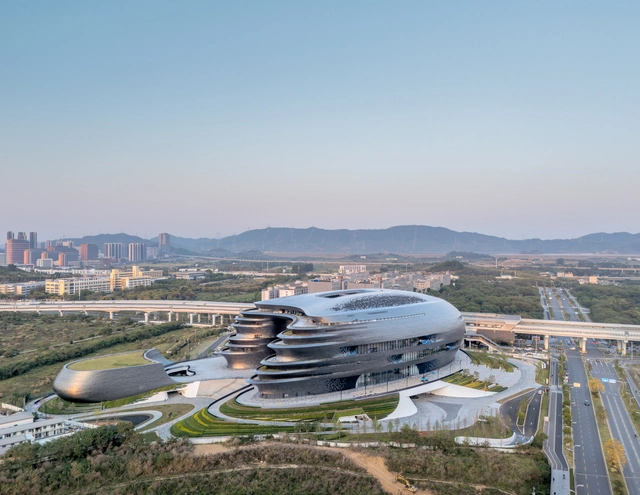
Zaha Hadid Architects has just revealed that the Shenzhen Science & Technology Museum, located in the Guangming District, has officially opened. Designed as a platform to highlight scientific research and technological innovation, the institution will explore the role of science in shaping the future. Adjacent to Guangming Station on Shenzhen's metro network, the design responds to its location as a solid, spherical volume facing the city, defining the southeast corner of the new Science Park. The museum aims to provide a space for public engagement with current developments in science and technology.
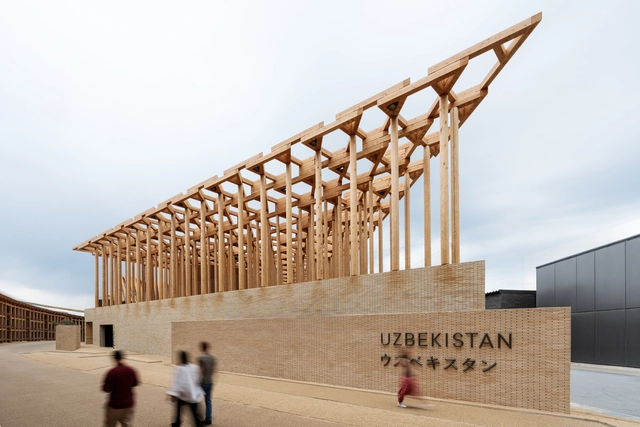
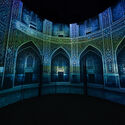
Uzbekistan has revealed the latest photographs of the pavilion for Expo 2025 in Osaka, Japan, after the recent opening. Designed by Atelier Brückner and realized by NUSSLI, the pavilion aims to showcase the country's vision for the future under the Expo's broader theme, "Designing the Future Society for Our Lives." Composed of modular, reusable wooden elements, the pavilion's architecture will later be reconstructed in Uzbekistan, serving as a studio, workshop, or school.

In recent weeks, cities around the world have introduced new policies, recovery efforts, and infrastructure projects that reflect growing pressure to adapt to climate realities. From Southern Europe to South America and the United States, these urban updates address both immediate challenges and long-term shifts in how the built environment is governed, designed, and inhabited. Some initiatives focus on regulation, tightening building codes in fire-prone areas or reforming aging safety systems, while others spotlight large-scale investments tied to global events such as COP30 and the Venice Architecture Biennale. This edition of Architecture Now gathers a selection of city-led actions and collaborative efforts that point toward a more resilient, responsive future for architecture and urban life.
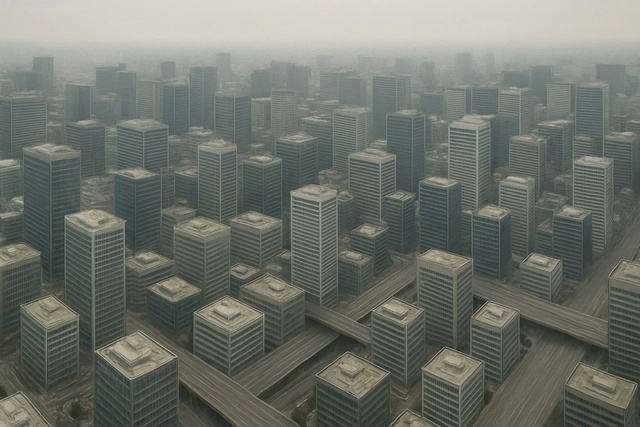
In the past, AI-generated images often resembled psychedelic experiences—filled with strange, sometimes unsettling colors and forms. But recent advancements in artificial intelligence have transformed that landscape. Today, we are surrounded by images whose origins are often unknown. From playful mashups to portraits turned into works of art, it's undeniable that Artificial Inteligence has become a lasting part in our visual landscape. As Yuval Noah Harari noted in a 2023 interview with The Economist, "AI has gained some remarkable abilities to manipulate and generate language — whether through words, sounds, or images. It has, in effect, hacked the operating system of our civilization."
Architecture, naturally, has not been immune to this. Prompt-based image generators have flooded the virtual environment with renderings that span from surreal to hyper-realistic: futuristic cities, organic skyscrapers, and utopian cabins perched on idyllic cliffs. Most of these are created with general-purpose tools that prioritize visual novelty over design logic. But not all platforms follow this path. Gendo, for instance, was built specifically for architects and designers — offering finer control over parameters like scale, material, and spatial intent. Its goal isn't just to generate images, but to support design thinking. Still, these more intentional tools remain exceptions in a broader sea of generic, decontextualized imagery.