

-
Architects: Srijit Srinivas Architects
- Area: 153 m²
- Year: 2020
-
Manufacturers: Decowood, Kohler, Red Cotton by Geosam, Trojan, Tulip & Hybec




.jpg?1599176078&format=webp&width=640&height=580)

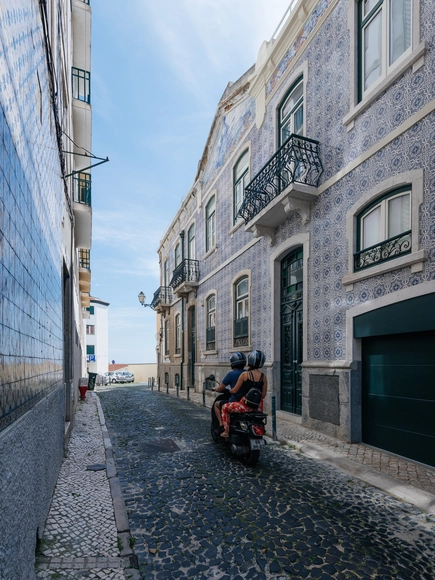


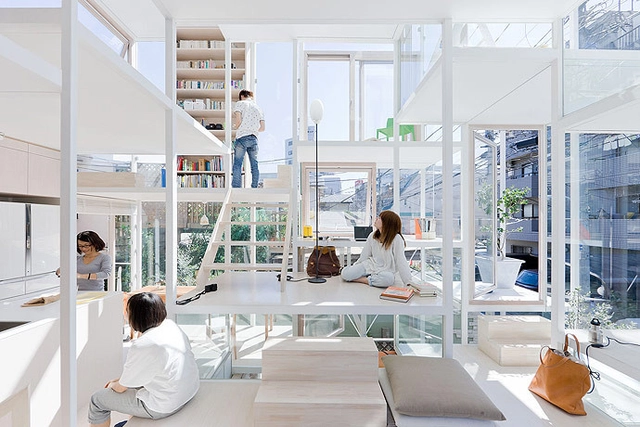
ArchDaily's theme of August 2020, How We Will Live Together, invites readers to contemplate the way we inhabit spaces with those around us. In this article, we address different aspects of coexistence in a world impacted by COVID-19 and the changes that need to be made in order to create a world where everyone has the space to live, work, and grow.
Nowadays, our day to day interactions with those around us hinge on social distancing, leading many to question--is this truly the best solution for curbing the spread of COVID-19? With people worldwide still reeling from the socio-economic upheaval caused by the pandemic, the concept of forcefully distancing yourself from friends and family, especially at at time when you most need them, seems just plain inhuman. While distancing is undoubtedly necessary, it seems more optimistic words would serve to better drive home the message. For example, a slogan like 6ft of Empathy maintains the necessary safety principles without stripping away the social element that humanity thrives on.


Running from 11 September till 15 November 2020, "Thom Mayne: Sculptural Drawings" is the latest architectural exhibition at Tchoban Foundation Museum for Architectural Drawing in Berlin. Curated by Kristin Feireiss, together with Esenija Bannan, the project questions the nature of architectural drawing and how it influenced the work of Thom Mayne, founder of Morphosis. The exhibition features Mayne’s works dating from 1979 through 2020 and leads visitors from “traditional” drawings and new experimentations with techniques, through to 3D paintings.

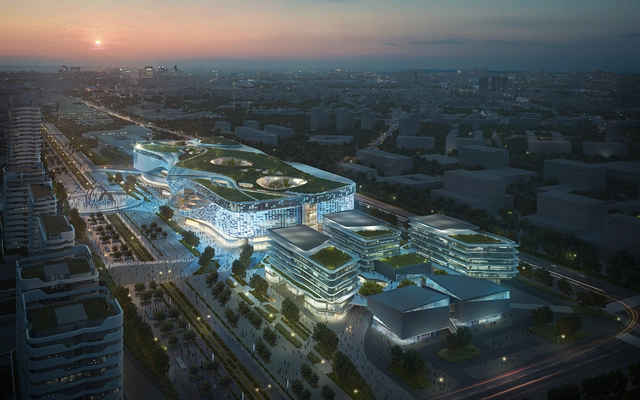
10 Design has revealed images of its winning scheme for China Fortune’s 243,768sqm contemporary mixed-use destination. Part of the redevelopment vision of an old military airport in Nanjing, China, the project puts in place three interconnecting buildings linked by a sunken street, incorporating office, retail, and cultural spaces.

.jpg?1599051571 "aerial view. Image © Shan Liang")
.jpg?1599051467 "facade of commercial courtyard. Image © Shan Liang")
.jpg?1599051435 "commercial courtyard. Image © Shan Liang")


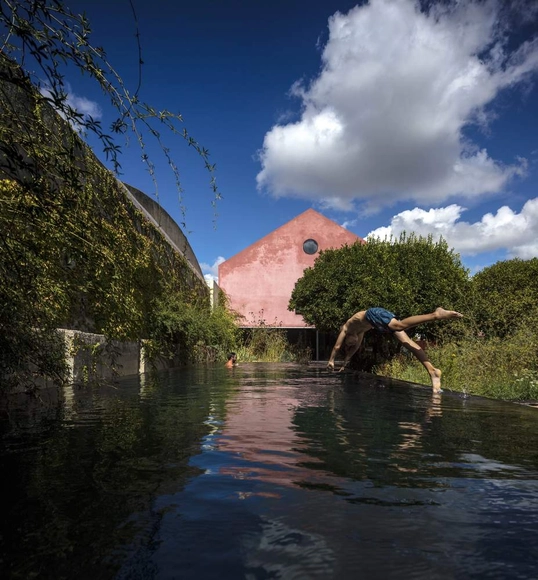


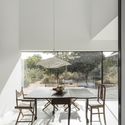
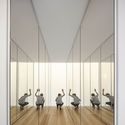


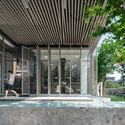



.jpg?1599175875 "© Iombi García")
.jpg?1599175848 "© Iombi García")
.jpg?1599175803 "© Iombi García")
.jpg?1599175610 "© Iombi García")
.jpg?1599176078)








.jpg?1599251836 "© Li Zhaolin")
.jpg?1599251476 "© Li Zhaolin")